
Cosmetics: What You Need to Know
When you hear the word cosmetics, you probably think of makeup, but the world is much bigger. It covers everything you put on your skin, hair, and even the scents you wear. Knowing the basics helps you pick what works for you without wasting money.
Everyday Essentials
Every routine starts with a few core items. For skin, a gentle cleanser and a moisturizer are non‑negotiable. They keep your face clean and hydrated, which makes any makeup look smoother. In the makeup aisle, a good foundation or tinted moisturizer, a mascara, and a neutral lip product can carry you from work to a night out.
If you love a quick look, learn the three‑product rule: base, color, and finish. Choose a foundation or BB cream, add one eye product like a mascara or brow gel, and finish with a lip color or gloss. This combo saves time and still gives a polished result.
Choosing the Right Brands
Not every brand fits every budget or skin type. Affordable lines often use the same ingredients as high‑end products, just in smaller packages. Look for key terms like "non‑comedogenic" for oily skin or "fragrance‑free" for sensitive skin. If a brand is praised by professional makeup artists, it usually means the formulas hold up under lights and long hours.
When you see a brand marketed as "premium" or "luxury," expect higher price tags and fancy packaging. Quality can be there, but you don’t need it to nail a solid everyday look. Mix and match: use a luxury foundation for a special event and a drugstore mascara for daily use.
Another tip is to read the ingredient list. Simple formulas with fewer additives tend to be gentler. Vitamins like C and E, hyaluronic acid, and niacinamide are good signs for skin health. In makeup, pigments that are labeled "iron‑oxidant free" are often better for sensitive eyes.
Beyond makeup, remember that hair care and fragrance are part of the cosmetics family too. A shampoo that also works as a cleanser fits the definition of a cosmetic product. Choosing a mild shampoo can protect your scalp while keeping your hair looking fresh.
Personal hygiene items like deodorant and body wash also count. They may not be glamorous, but they complete the picture of daily cosmetics. Pick products that match your skin’s pH and avoid harsh chemicals to keep everything balanced.
Finally, don’t forget to test before you buy. Most stores let you try a tiny amount on the jawline or wrist. If it feels comfortable after a few minutes, it’s likely a good fit. For online purchases, check the return policy so you can send back anything that doesn’t work.
Cosmetics are about feeling confident in your own skin. By focusing on essential products, reading labels, and mixing budgets wisely, you can build a collection that works for any occasion. Start with the basics, experiment with a few new picks, and watch how your routine improves day by day.
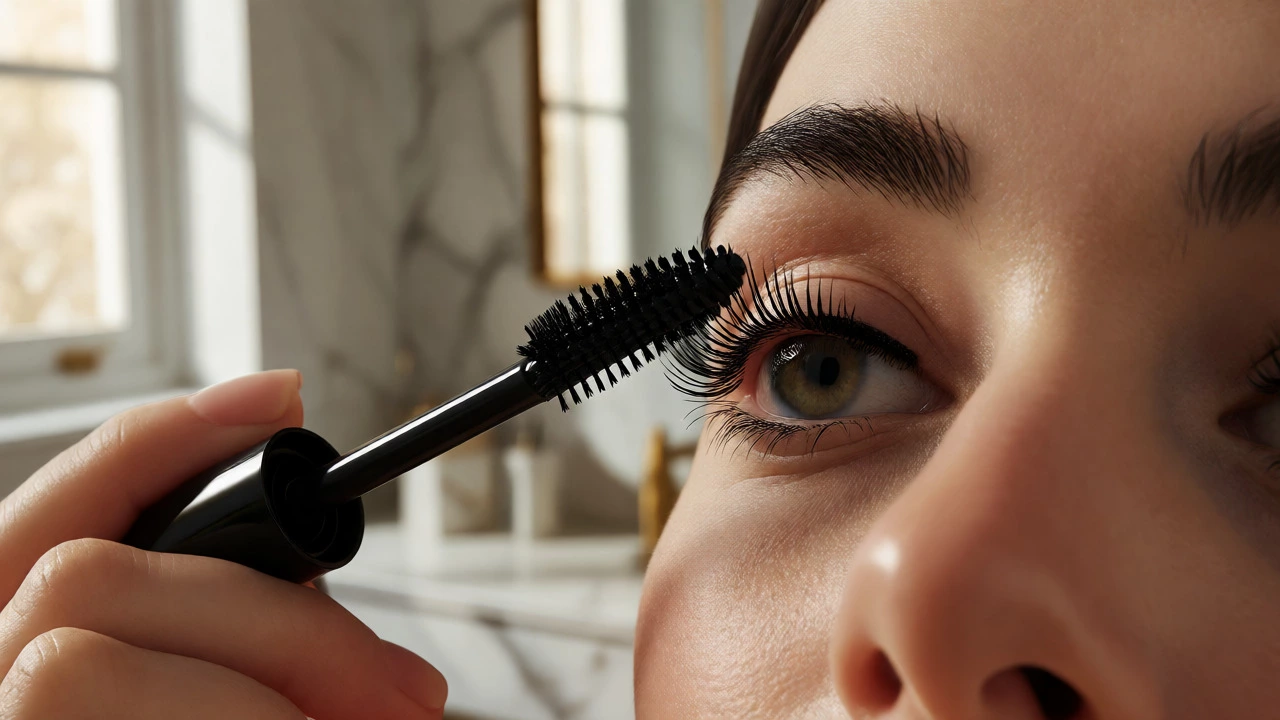
What Makeup Do People Use the Most? Top Cosmetic Products Revealed
Discover the most popular makeup products people actually use daily. From mascara to skin tints, learn which cosmetics dominate sales and routines.
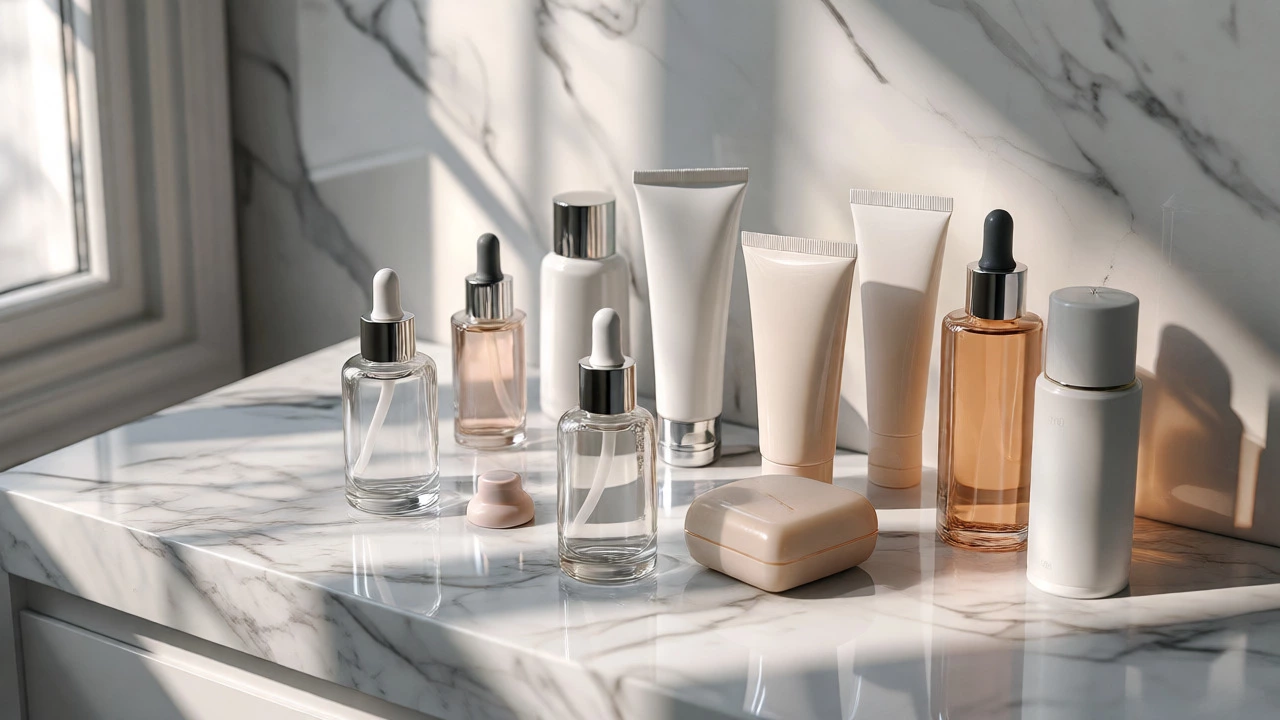
What Are Cosmetic Products? A Simple Guide to Definitions and Types
Confused about what counts as a cosmetic? Discover the true definition, from soap to sunscreen. Learn how to read labels, distinguish cosmetics from drugs, and debunk common beauty myths.
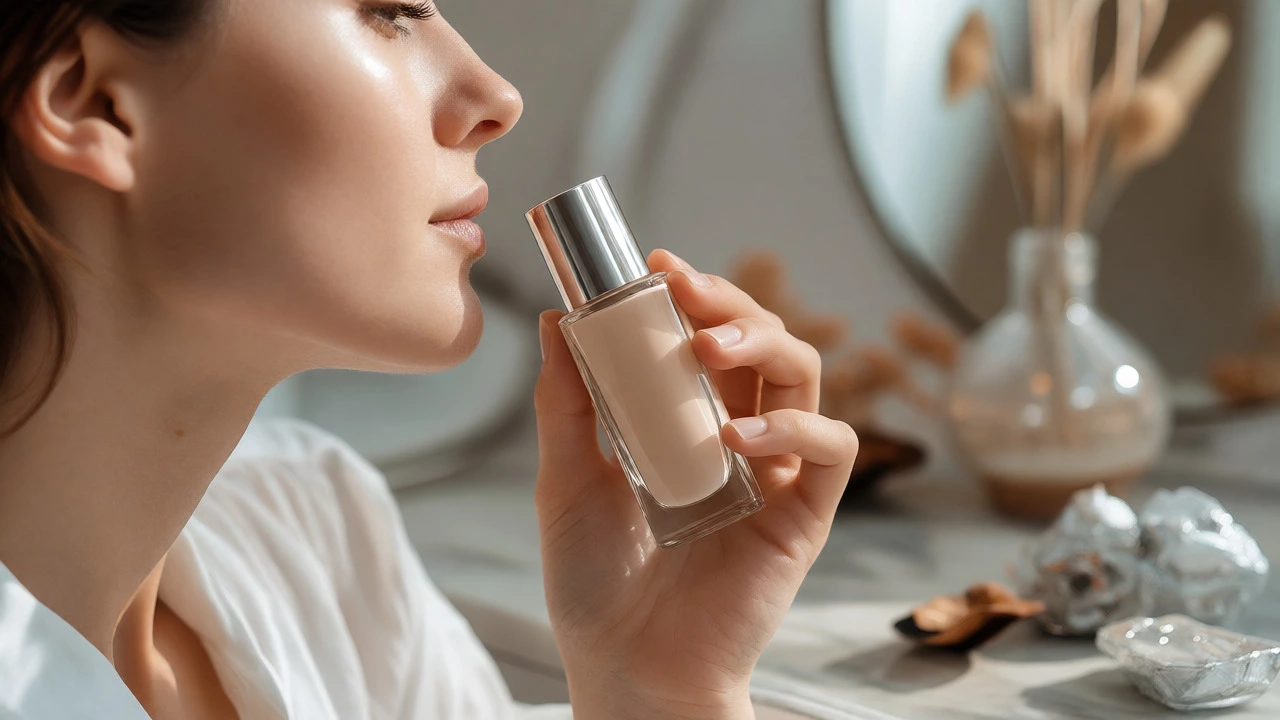
What Is the Safest Makeup to Use? A Guide to Clean Beauty Ingredients
Discover what makes makeup truly safe. Learn to spot harmful ingredients, understand mineral alternatives, and navigate clean beauty certifications for healthier skin.
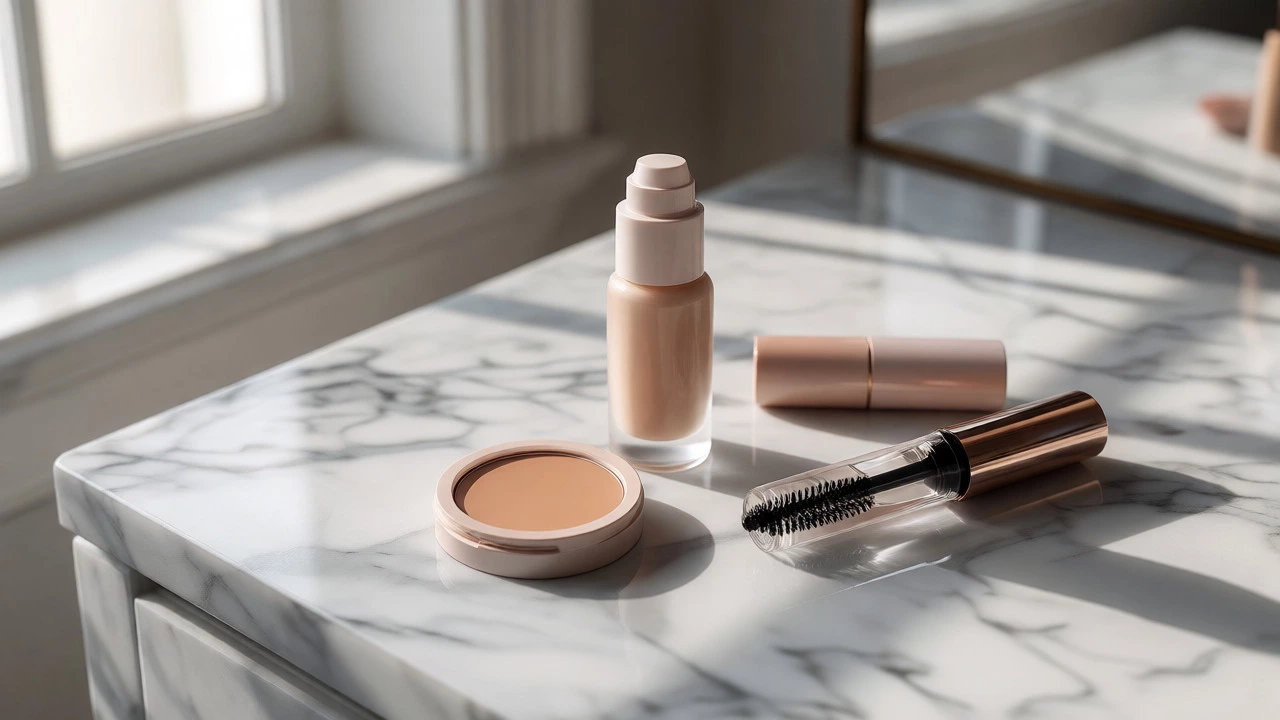
What Is a Basic Makeup Kit? The Essential Starter Guide
Discover exactly what belongs in a basic makeup kit. Learn the essential products for beginners, from foundation to mascara, and avoid common buying mistakes.
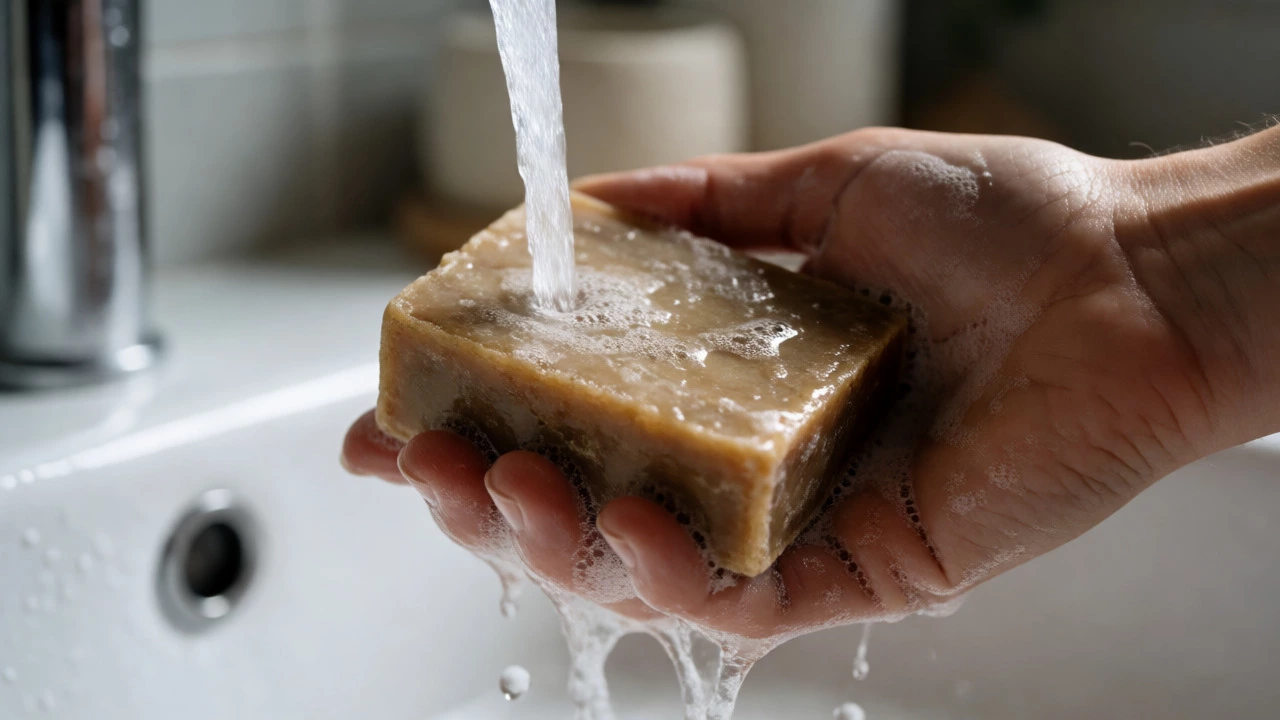
Is Soap a Cosmetic Product? Regulatory and Practical Guide
Discover when soap is legally classified as a cosmetic product. Learn the differences between traditional soap and syndet bars, and how marketing claims affect regulation.
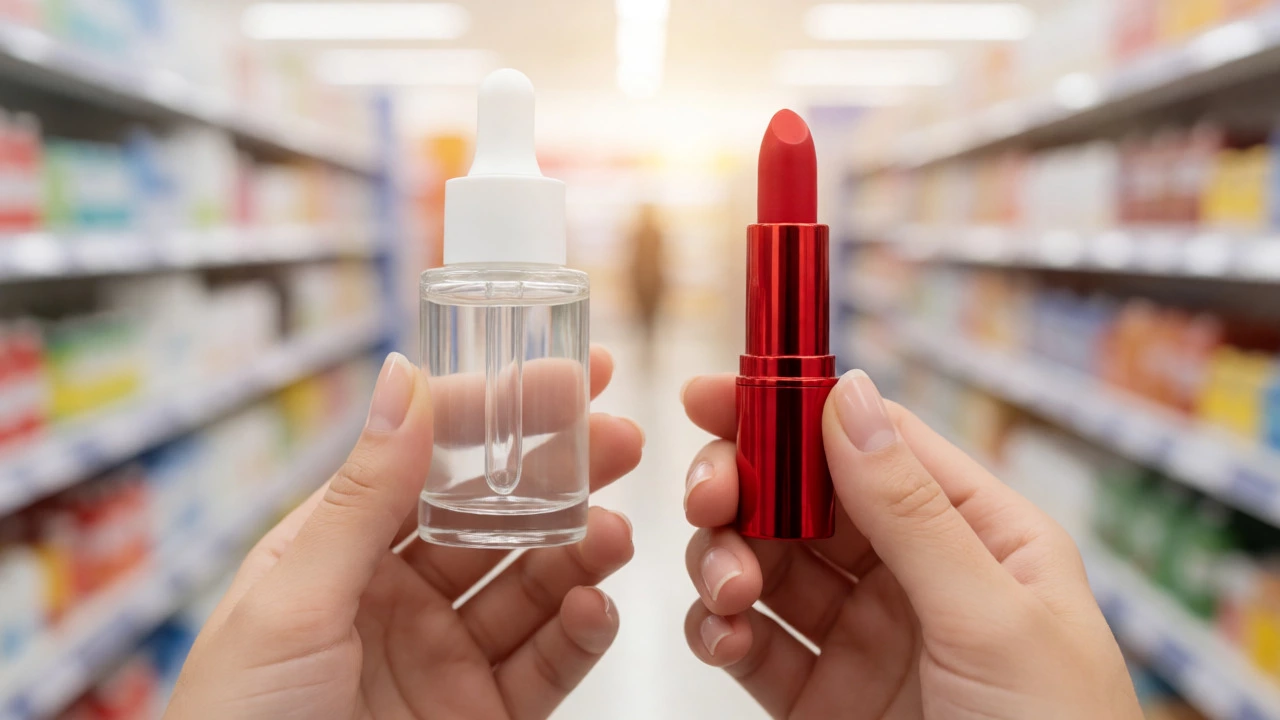
Beauty Products vs. Cosmetics: What's the Real Difference?
Confused about beauty products vs. cosmetics? Learn the key differences in function, ingredients, and regulation to build a smarter routine.
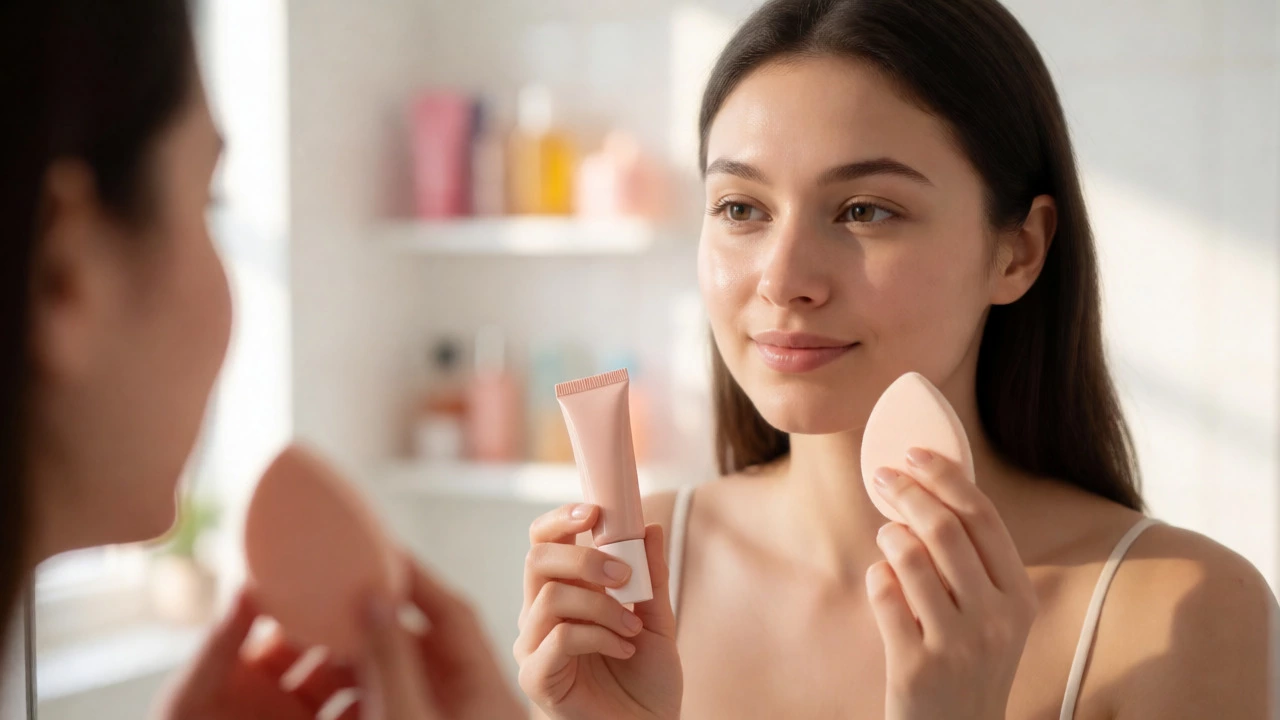
What Makeup Should You Start With? A Beginner's Guide
Confused by makeup aisles? Learn the essential starter kit: foundation, concealer, mascara, and lip balm. Skip the clutter and master the basics.
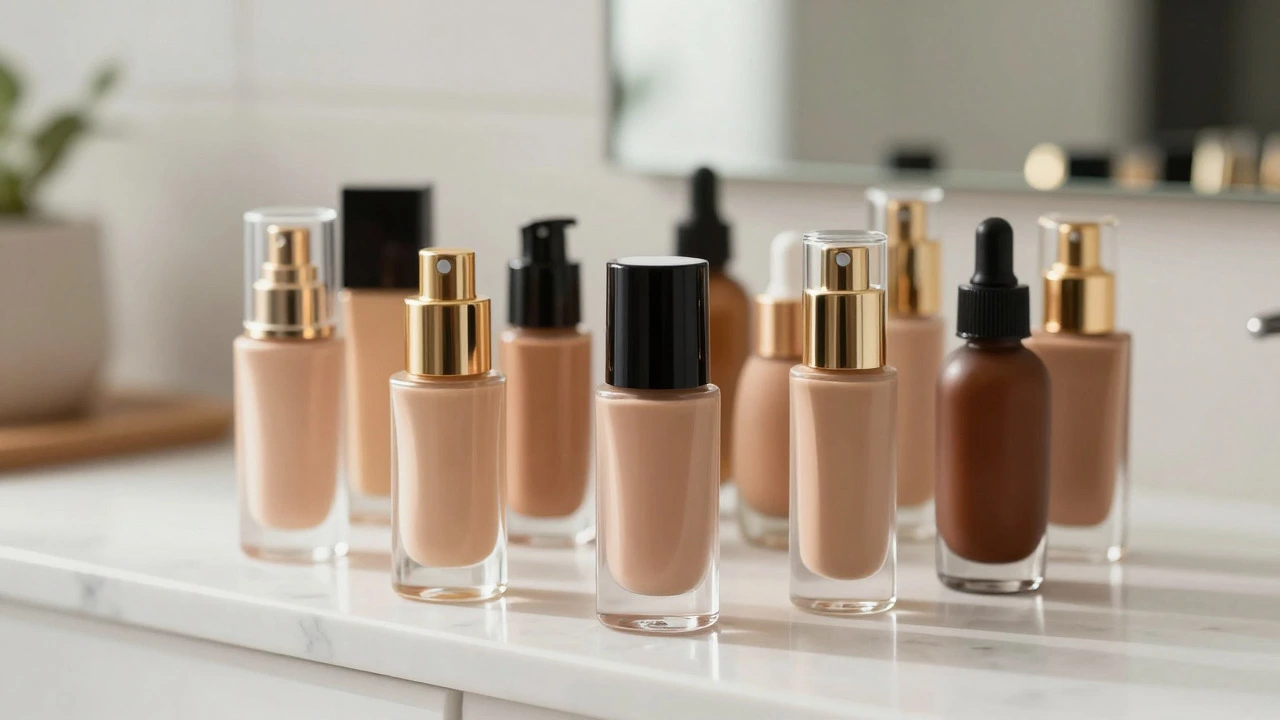
What is the Most Loved Makeup Brand in 2026? A Data-Backed Look at Fenty, Rare Beauty, and More
Discover which makeup brands are truly the most loved in 2026. We analyze Fenty Beauty, Rare Beauty, Ilia, and more to help you find the perfect match for your skin and values.
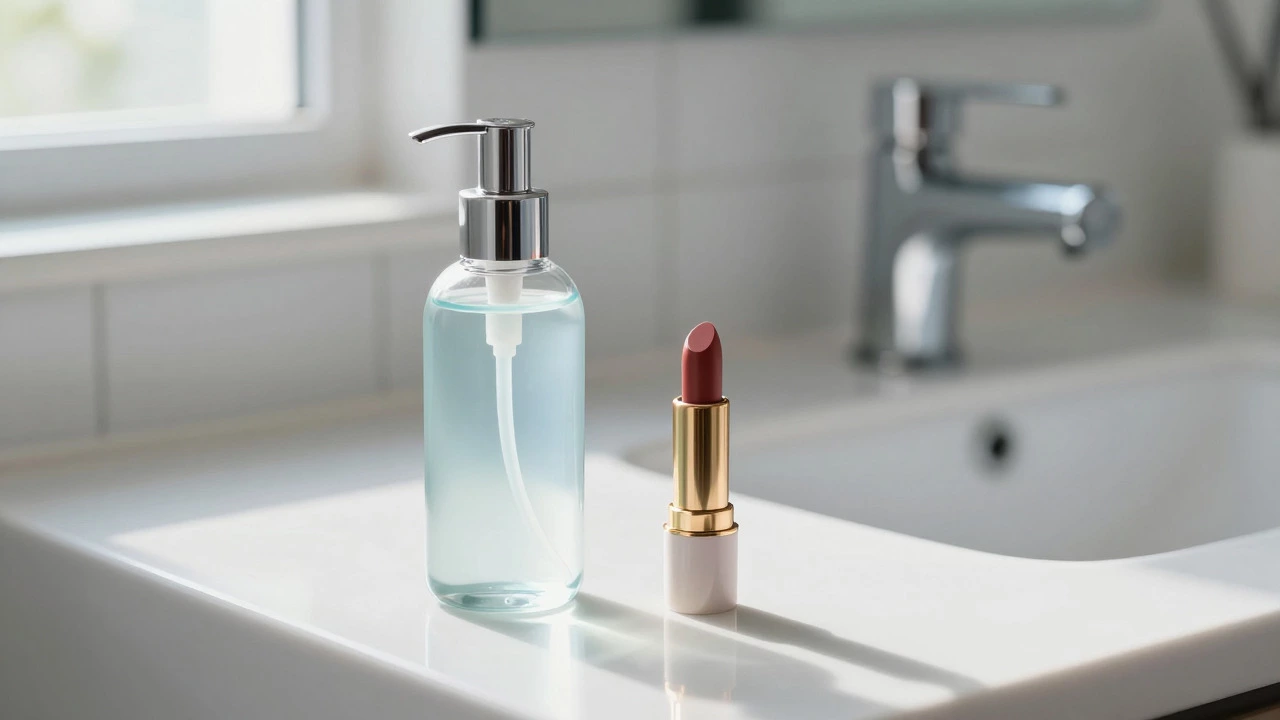
What Category Is Cosmetic? Understanding the Legal and Scientific Classifications
Discover the legal and scientific definitions of cosmetics versus drugs. Learn how intended use determines classification, the role of the FDA, and why terms like 'cosmeceutical' are marketing myths.
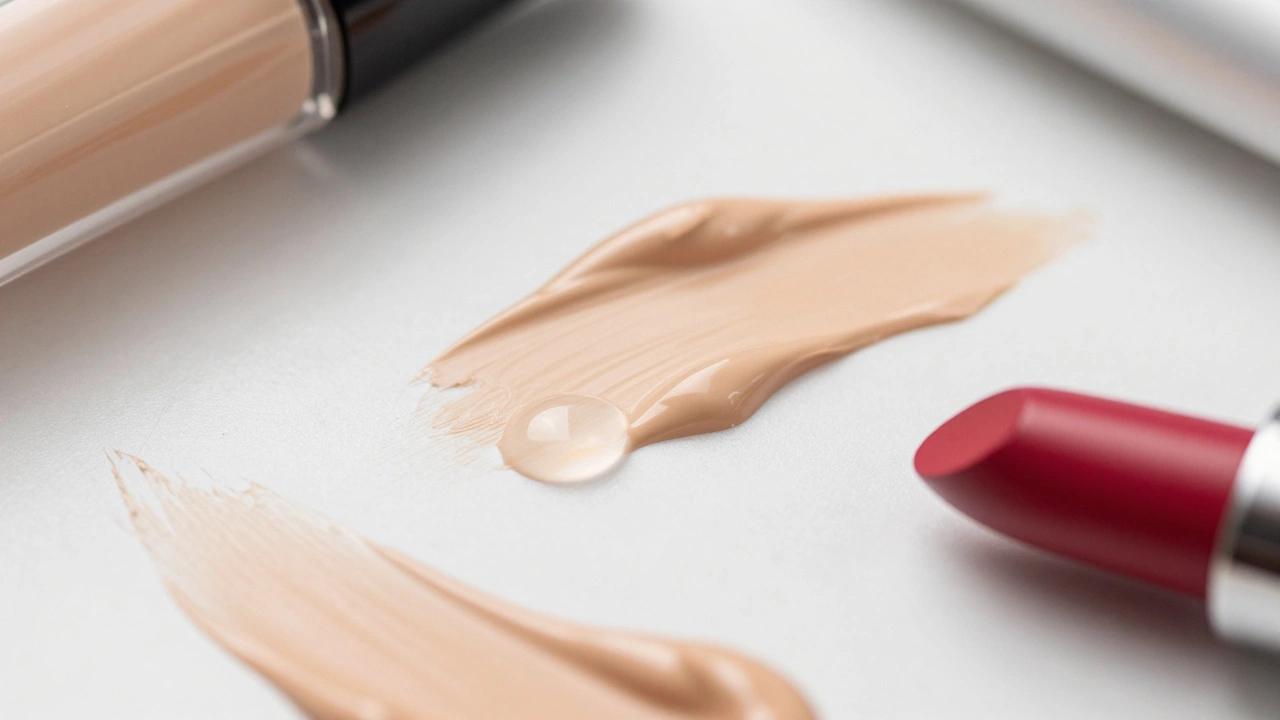
What Is the Healthiest Makeup Brand for Your Skin? A 2026 Guide
Discover the healthiest makeup brands for 2026. Learn which ingredients to avoid, how to read labels, and top picks for sensitive skin.
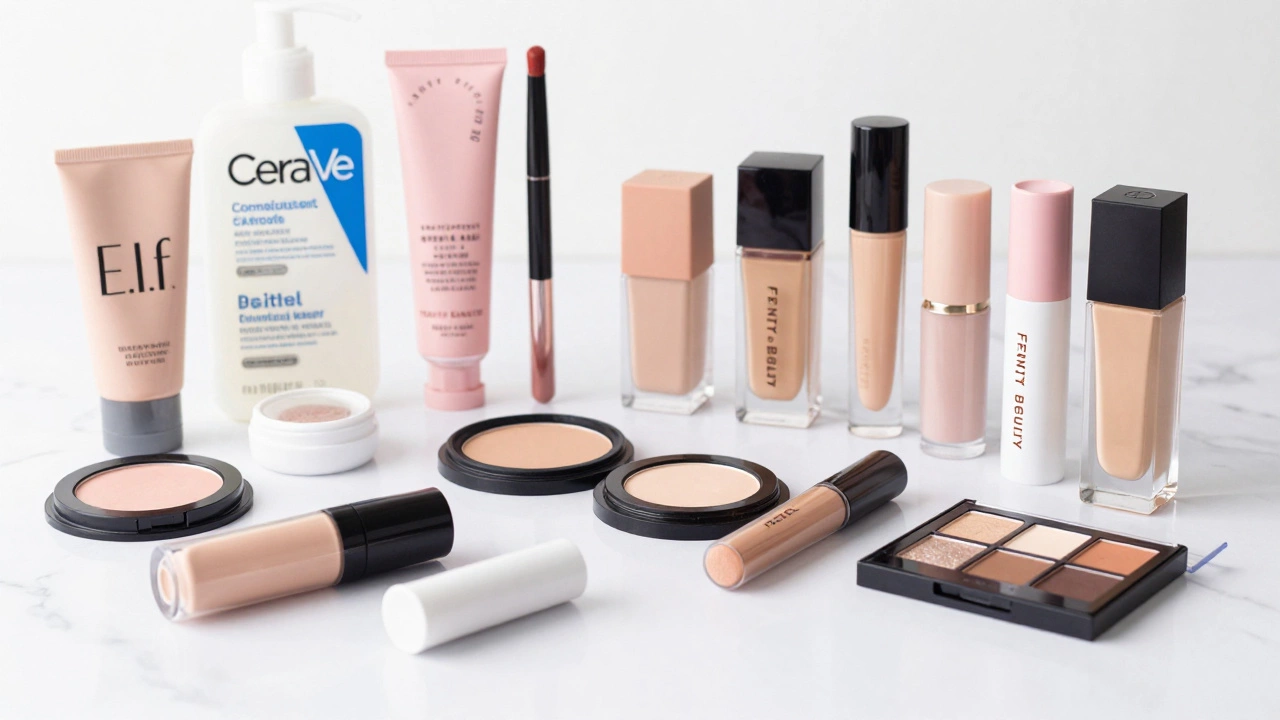
What is the Best Makeup Line? A 2026 Guide to Top Brands
Discover the best makeup lines for 2026. We compare top drugstore, luxury, and clean beauty brands to help you find the perfect fit for your skin type and budget.
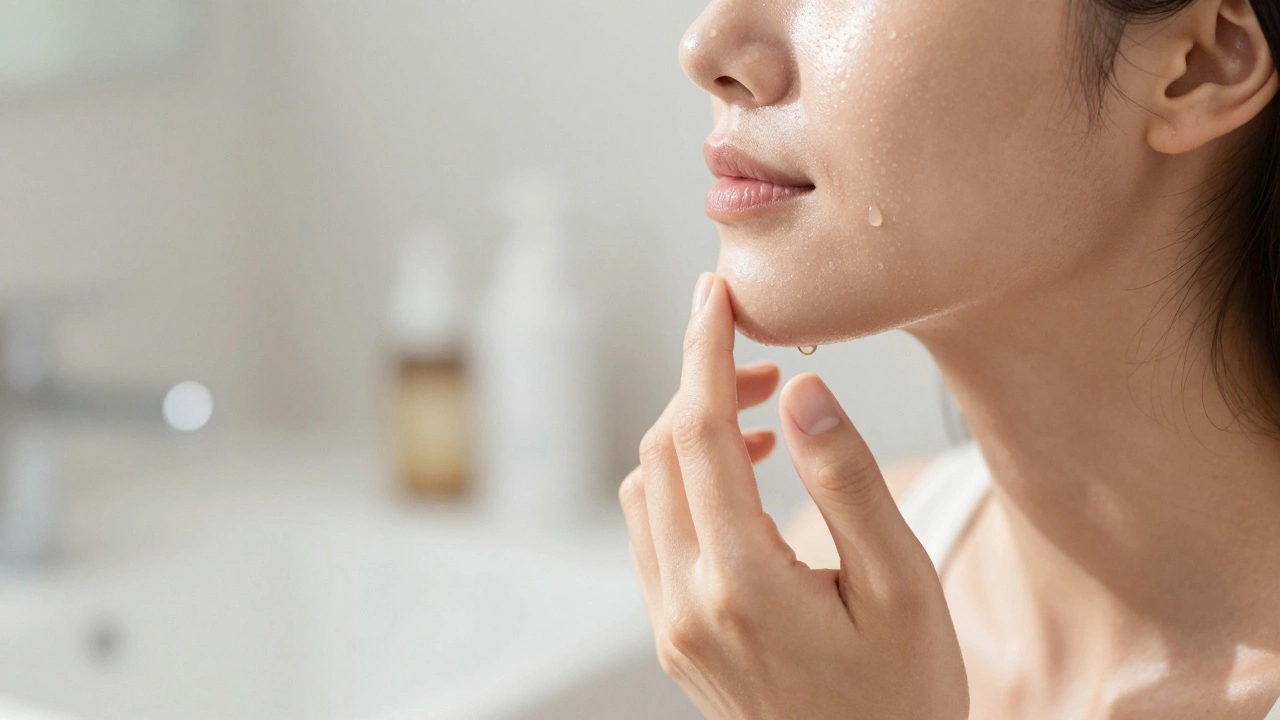
What Makeup Is Needed for a Natural Look: The Minimalist Routine
Discover the essential products and techniques for a flawless natural makeup look. Learn how to use tinted moisturizers, cream blushes, and minimal eye makeup to enhance your features without heavy coverage.