
What Rank is Lancôme? Understanding Its Place in the Luxury Beauty Hierarchy
 Oct, 26 2026
Beauty Brand Hierarchy Explorer
Select a tier or enter a serum price to see where Lancôme and other major brands fit in the global beauty landscape.
Mass Market
$15 - $30
DrugstoresPremium / Mid-Range
$40 - $80
Sephora/UltaAccessible Luxury
$90 - $150
Dept StoresUltra-Prestige
$250+
BoutiquesAccessible Luxury
Lancôme, Estée Lauder, Dior
The gateway to high-end skincare. High volume sales, moderate exclusivity.
Key Insights
You’re standing in a department store or scrolling through Sephora, and you see Lancôme sitting right next to Chanel and Dior. It looks expensive. The packaging screams elegance. But when people ask, "Is Lancôme actually luxury?" or "What rank is Lancôme?", the answer isn't just yes or no. It’s complicated. Most shoppers confuse premium with ultra-luxury, and that distinction changes everything about what you’re paying for.
Lancôme holds a unique position in the global beauty industry. It is not the most exclusive brand on the shelf-that title usually goes to La Mer or Clé de Peau Beauté-but it is arguably the most successful accessible luxury brand in history. Owned by L’Oréal Group, Lancôme bridges the gap between mass-market drugstore products and the astronomical prices of niche perfumeries. If you are trying to figure out if your money is well-spent here, you need to understand where it sits in the hierarchy, how it compares to its rivals, and why its "rank" varies depending on who you ask.
The Short Answer: Where Does Lancôme Sit?
If we were to create a ladder of beauty brands based on price point, exclusivity, and ingredient concentration, Lancôme would sit firmly in the Accessible Luxury tier. Think of it as the gateway drug to high-end skincare. It ranks above mid-range brands like Clinique or Origins but below ultra-prestige brands like La Prairie or Sisley Paris.
| Tier | Examples | Average Serum Price (30ml) | Distribution |
|---|---|---|---|
| Mass Market | L’Oréal Paris, Maybelline | $15 - $30 | Drugstores, Supermarkets |
| Premium/Mid-Range | Clinique, Kiehl’s, Drunk Elephant | $40 - $80 | Sephora, Ulta, Department Stores |
| Accessible Luxury | Lancôme, Estée Lauder, Dior | $90 - $150 | Department Stores, Specialty Retailers |
| Ultra-Prestige | La Mer, La Prairie, Clé de Peau | $250 - $600+ | Boutiques, High-End Dept Stores |
This table highlights why the question "what rank is Lancôme" has different answers. In terms of sales volume, it often ranks #1 or #2 globally among prestige brands. In terms of price ceiling, it ranks around 15th-20th. It is a volume leader, not an exclusivity leader.
Why Is Lancôme Considered "Luxury"?
To understand the rank, you have to look at the attributes that define luxury status. Lancôme checks several boxes that separate it from standard commercial brands.
- Heritage and Storytelling: Founded in France in 1935, Lancôme leverages over 80 years of history. They don’t just sell cream; they sell the idea of French elegance. This narrative adds perceived value.
- R&D Investment: While owned by L’Oréal, Lancôme gets priority access to patented ingredients. For example, their use of Pro-Xylane (a molecule developed by L’Oréal labs) is marketed heavily as a proprietary anti-aging hero ingredient.
- Packaging Experience: You pay for the weight of the glass jar. The tactile experience of opening a Lancôme Absolue jar is part of the product design, intended to justify the higher price tag compared to a plastic tube from a drugstore brand.
However, being "luxury" doesn’t mean every product is worth the hype. Many dermatologists point out that while the packaging is luxurious, the actual formulation often shares core ingredients with cheaper sister brands within the same parent company.
Lancôme vs. Estée Lauder: The Rivalry That Defines the Rank
You cannot discuss Lancôme’s rank without comparing it to its closest competitor: Estée Lauder. These two brands fight for the top spot in the "department store prestige" category. When analysts calculate market share, these two are usually neck-and-neck.
Estée Lauder tends to skew slightly older in its demographic appeal, focusing heavily on mature skin concerns. Lancôme markets itself as more modern and youthful, particularly with lines like Teint Idole Ultra Wear foundation and the Absolue collection. In many European markets, Lancôme outsells Estée Lauder. In North America, Estée Lauder often holds a slight edge due to longer retail presence.
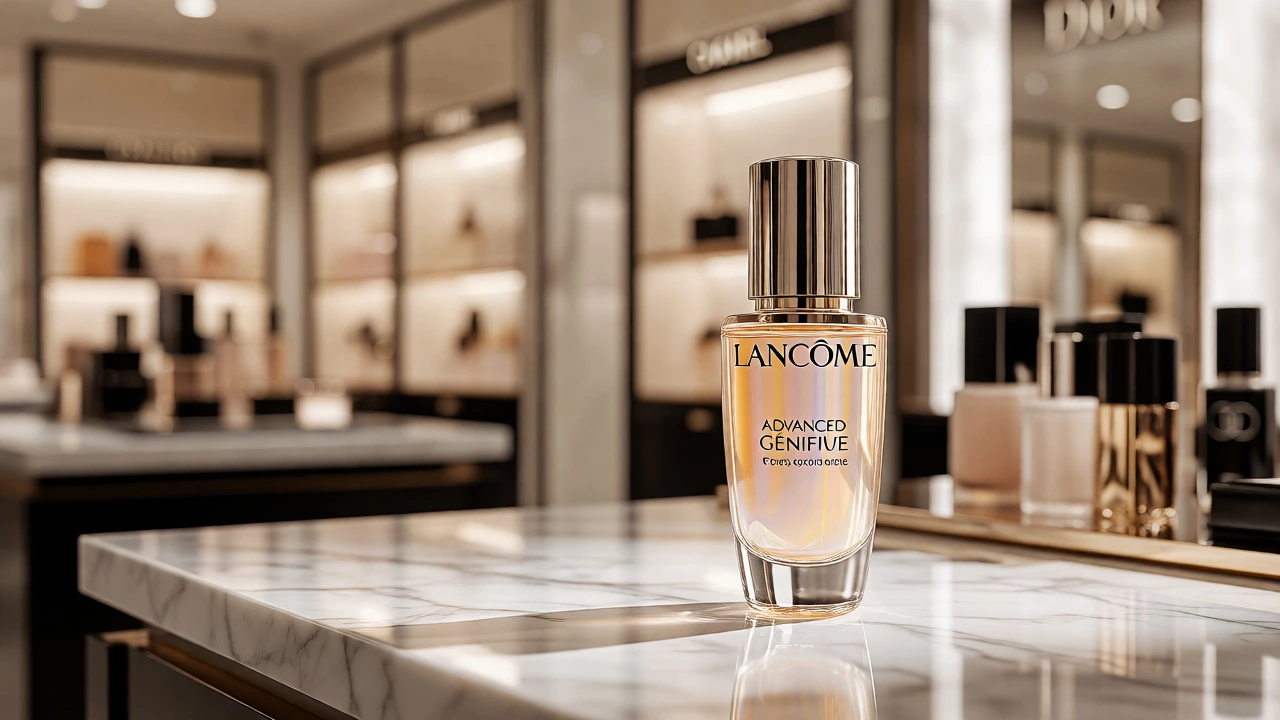
So, which one is "higher" ranked? Neither. They are peers. If you buy a Lancôme Advanced Génifique serum, you are buying into a direct competitor of Estée Lauder’s Advanced Night Repair. Both cost roughly the same. Both promise similar results. Your choice comes down to texture preference and scent, not a significant difference in quality or status.

The Parent Company Effect: How L’Oréal Influences Ranking
Here is the secret that confuses many consumers: Lancôme is owned by L’Oréal Group. This is crucial context. L’Oréal owns everything from Garnier (mass market) to Kiehl’s (premium) to Lancôme (prestige) to Helena Rubinstein (ultra-luxury).
Because L’Oréal controls the supply chain, they can manufacture Lancôme products using facilities and base formulas that might be very similar to those used for mid-tier brands. This doesn’t mean Lancôme is "fake," but it does mean you aren’t paying for rare, unobtainable raw materials. You are paying for branding, marketing, distribution, and specific proprietary additives.
This corporate structure allows Lancôme to maintain aggressive pricing strategies. They can run frequent "buy one get one free" promotions or gift-with-purchase deals that ultra-luxury brands rarely offer. This accessibility boosts their sales rank but lowers their exclusivity rank. True luxury avoids discounts to protect brand equity. Lancôme embraces them to drive volume.
Which Lancôme Products Actually Hold Their Value?
Not all Lancôme products carry the same weight. Some are iconic bestsellers that define the brand’s reputation, while others are filler items designed to fill shelf space. If you want to align yourself with the brand’s highest-ranking offerings, stick to these categories:
- Advanced Génifique Serum: This is the brand’s cash cow. It consistently ranks as one of the best-selling serums globally. It’s effective, widely reviewed, and defines the modern Lancôme image.
- Absolue Collection: This is their true luxury line. Priced significantly higher than their other ranges, Absolue uses Grand Rose extract and targets intense anti-aging needs. This is where Lancôme competes directly with La Mer.
- Teint Idole Ultra Wear Foundation: In the makeup world, this foundation frequently tops "best long-wear" lists. It competes with Armani Power Fabric and NARS All Day Luminous Weightless Foundation.
Avoid judging the brand solely by their entry-level moisturizers or cleansers. Those products often receive mixed reviews because they lack the potent actives found in their flagship serums. To judge Lancôme’s true rank, look at their top-tier investments.
Is Lancôme Worth the Money Compared to Drugstore Alternatives?
This is the practical question behind the ranking question. If CeraVe offers hyaluronic acid for $15, why spend $90 on Lancôme? The answer lies in formulation complexity and user experience.
Drugstore brands focus on single-hero ingredients. You buy a vitamin C serum, and it’s mostly vitamin C. Lancôme creates complex cocktails. Their products often include preservatives, fragrances, stabilizers, and penetration enhancers that make the product feel better on the skin and stay stable longer. For sensitive skin, this added complexity can sometimes cause irritation, so patch testing is essential.
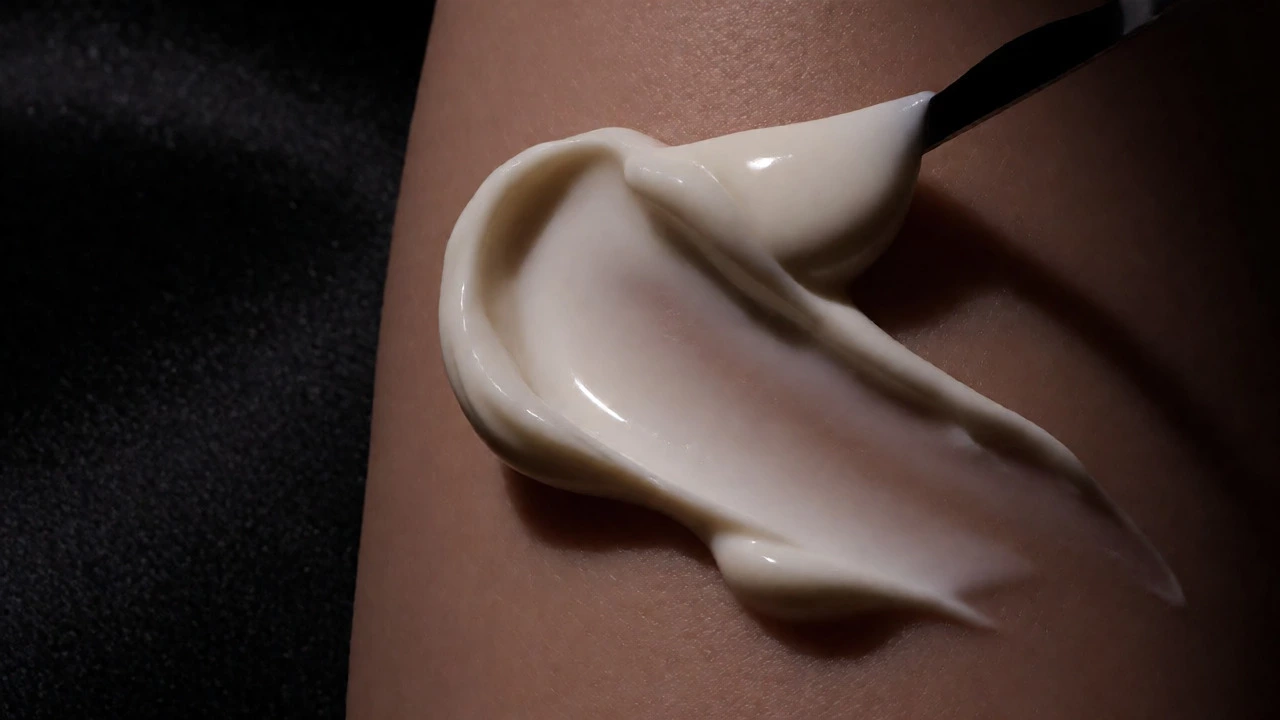
However, for dry or aging skin, the richer textures and emollients in Lancôme creams provide immediate comfort that lighter drugstore lotions cannot match. You are paying for the sensorial experience-the way the cream melts into your face-as much as the biological effect.
Frequently Asked Questions
Is Lancôme a luxury brand or designer brand?
Lancôme is classified as a prestige or accessible luxury brand. It is not a "designer" brand in the fashion sense (like Gucci Beauty), though it shares the high-price positioning. It sits below ultra-luxury houses like La Prairie but above premium brands like Clinique.
Who is Lancôme's biggest competitor?
Estée Lauder is Lancôme's primary rival in the skincare and fragrance sectors. In makeup, they compete closely with Dior and Yves Saint Laurent. These brands occupy the same shelf space and target similar demographics.
Does Lancôme test on animals?
As of 2026, Lancôme is not considered cruelty-free by major organizations like Leaping Bunny or PETA. Because they sell in mainland China, where animal testing may be required by law for imported cosmetics, they do not meet the strict criteria for cruelty-free certification.
Is Lancôme good for oily skin?
Yes, specifically their Teint Idole makeup line and certain gel-based moisturizers. However, their heavier anti-aging creams (like Absolue) may be too rich for very oily skin types. Always check the label for "non-comedogenic" claims if acne-prone.
Why is Lancôme so popular?
Lancôme balances effectiveness with accessibility. It offers high-quality formulations backed by scientific research (via L’Oréal) at a price point that feels indulgent but attainable for middle-income consumers. Strong marketing and iconic products like Génifique drive consistent demand.