
What Is the Safest Makeup to Use? A Guide to Clean Beauty Ingredients
 Oct, 8 2026
Clean Beauty Ingredient Checker
Click on the ingredients below that are listed on your product's label. The more you select, the higher the potential risk score.
Low Risk Profile
No flagged ingredients selected. This suggests a cleaner formulation, likely mineral-based or waterless.
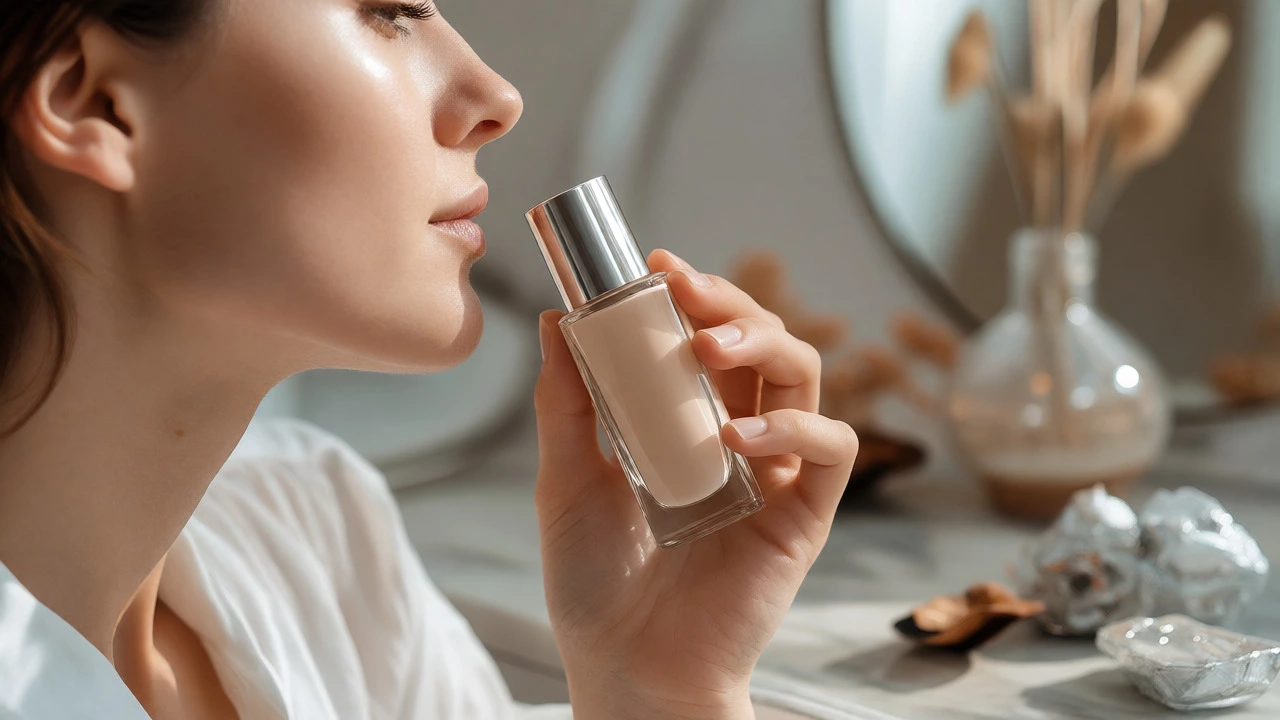
You stare at the ingredient list on your new foundation bottle. It looks like a chemistry exam you didn’t study for. Parabens, phthalates, formaldehyde releasers-words that sound more like industrial solvents than something you’re about to smear on your face. If you’ve ever felt uneasy about what’s actually touching your skin every day, you aren’t alone. The question isn't just "what is the safest makeup to use?" but rather, how do we navigate a market where "clean" is often just a marketing buzzword?
Here’s the reality: there is no single government agency globally that bans all potentially harmful ingredients in cosmetics. In the US, the FDA has banned only about 11 ingredients since 1938. The EU has banned over 1,600. This regulatory gap means the burden of safety falls largely on you, the consumer. But don’t panic. By understanding specific ingredients and knowing which brands prioritize transparency, you can build a makeup kit that protects your health without sacrificing performance.
The Truth About "Clean" Labels
First, let’s clear up a massive misconception. There is no legal definition for "clean beauty." When a brand slaps a "clean" label on a tube of mascara, it doesn’t necessarily mean it’s free from all synthetic chemicals. It usually means they’ve avoided a specific list of ingredients they chose themselves. This is why reading labels matters more than trusting front-of-pack claims.
Safety in makeup comes down to three things: ingredient purity, formulation stability, and individual sensitivity. A product might be free from parabens but loaded with synthetic fragrances, which are one of the top causes of contact dermatitis. Conversely, a natural clay mask might contain heavy metals if not properly tested. So, when looking for safe makeup, ignore the vague adjectives and look for specific certifications and ingredient transparency.
Ingredients to Watch Out For
If you want to minimize risk, start by identifying the usual suspects. These are the ingredients most frequently flagged by dermatologists and toxicologists for potential endocrine disruption or irritation.
- Parabens: Used as preservatives to prevent mold and bacteria growth. Studies have found traces of parabens in breast cancer tissue samples, though a direct causal link remains debated. Still, many people opt out to reduce cumulative exposure.
- Phthalates: Often hidden under the term "fragrance" or "parfum." They help scents last longer but are known endocrine disruptors linked to reproductive issues.
- Formaldehyde Releasers: Ingredients like DMDM hydantoin release small amounts of formaldehyde over time to preserve the product. Formaldehyde is a known carcinogen, and even low levels can trigger reactions in sensitive individuals.
- Talc: While talc itself is generally safe, its proximity to asbestos deposits in mining operations poses a contamination risk. Always look for "asbestos-free talc" or avoid talc entirely if you have respiratory sensitivities.
- Synthetic Fragrances: Brands aren’t required to disclose the hundreds of chemicals that make up a proprietary scent blend. This "black box" is a major source of allergies.
The Case for Mineral Makeup
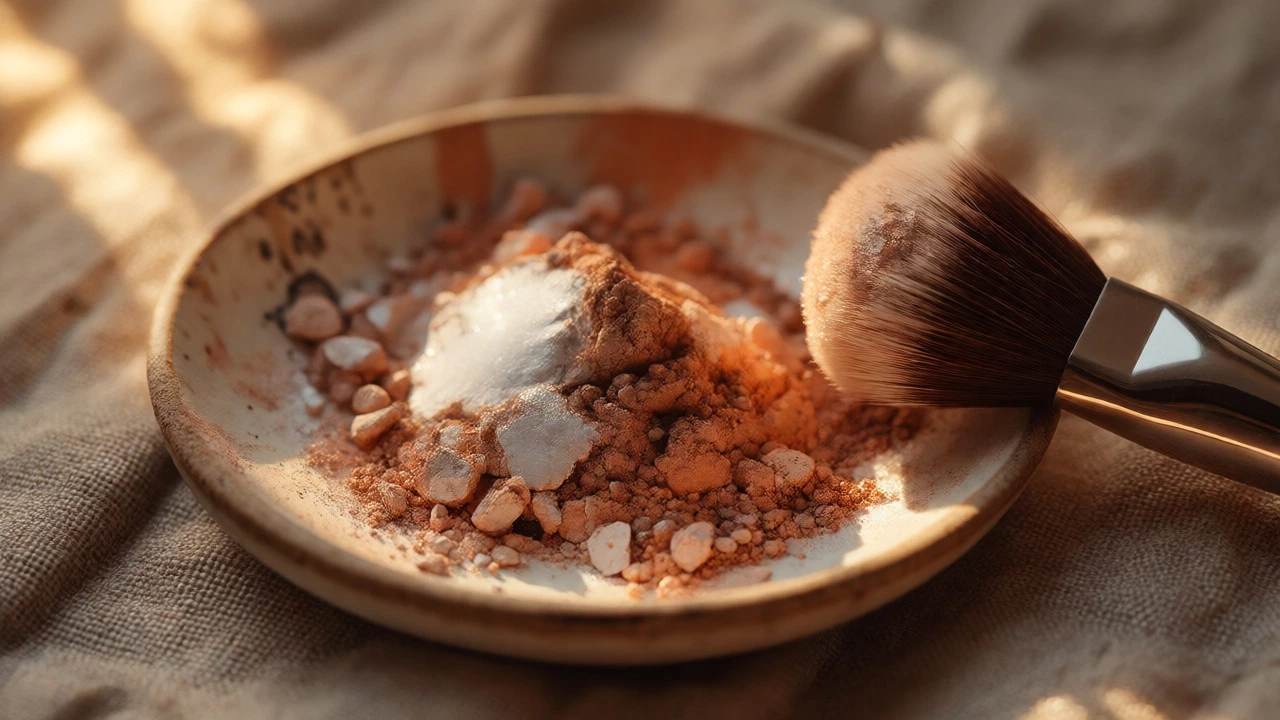
When people ask what the safest type of makeup is, Mineral Makeup is a cosmetic category formulated primarily from naturally occurring earth minerals such as zinc oxide, titanium dioxide, iron oxides, and mica. Unlike traditional liquid foundations, which rely heavily on water-based emulsions requiring strong preservatives, mineral makeup is typically anhydrous (water-free). This eliminates the need for many common preservatives and reduces bacterial growth risks.
Zinc oxide and titanium dioxide are also physical sun blockers. They sit on top of the skin and reflect UV rays rather than absorbing them like chemical sunscreens (such as oxybenzone), which can penetrate the bloodstream. For those with rosacea, eczema, or post-procedure skin, mineral formulations are often the gold standard because they are non-comedogenic and soothing.
| Feature | Traditional Liquid Foundation | Mineral Powder | Cream-Based Products |
|---|---|---|---|
| Preservative Need | High (requires parabens/phenoxyethanol) | Low (anhydrous formulas resist bacteria) | Moderate to High (oil/water mixtures spoil easily) |
| Allergen Risk | Medium-High (fragrances, dyes) | Low (fewer ingredients) | Medium (essential oils, waxes) |
| Sun Protection | Varies (often chemical filters) | High (physical zinc/titanium) | Varies (rarely sufficient alone) |
| Best For | Full coverage, oily skin | Sensitive skin, acne-prone skin | Dry skin, dewy finishes |
Navigating Certifications
Since "natural" is unregulated, third-party certifications provide a layer of trust. However, not all seals are created equal. Here is how to decode the logos on your packaging:
- EWG Verified™: Issued by the Environmental Working Group, this mark indicates the product meets strict health standards regarding ingredient hazards. It’s one of the most rigorous benchmarks for toxicity.
- Certified Organic: Look for USDA Organic or COSMOS Organic. These require that a significant percentage of ingredients (usually 70-95%) are grown without synthetic pesticides or fertilizers. Note that organic does not always mean non-allergenic; essential oils are natural but can irritate.
- Leaping Bunny: Guarantees no animal testing was conducted at any stage of production. While ethical, it doesn’t strictly guarantee ingredient safety, so pair it with other checks.
- Non-GMO Project Verified: Ensures ingredients weren’t genetically modified. Relevant for plant-derived components like soy or corn derivatives used in fillers.
Heavy Metals: The Invisible Threat
A less discussed aspect of makeup safety is heavy metal contamination. Lead, arsenic, cadmium, and mercury occur naturally in the earth where pigments are mined. You cannot eliminate them entirely, but you can control the levels. The FDA monitors these limits, but enforcement varies.
Lip products and dark eyeshadows tend to have higher concentrations because they use more pigment. To mitigate this, choose brands that conduct batch-specific testing for heavy metals. Some companies now publish their lab results online. If a brand refuses to share testing data, treat their safety claims with skepticism. Also, consider rotating your lip colors rather than using the same one daily to limit cumulative exposure.

Practical Tips for Safer Application
Choosing the right product is half the battle. How you use it matters too. Contamination is a huge vector for skin issues. Mascara tubes, for instance, are breeding grounds for bacteria once opened. Most ophthalmologists recommend replacing mascara every three months. Never pump the wand in and out, as this introduces air and dries out the formula, leading to flaking and eye irritation.
Brush hygiene is equally critical. Dirty brushes harbor oil, dead skin cells, and old makeup residue, which can clog pores and cause breakouts regardless of how "clean" your foundation is. Wash synthetic brushes weekly with a gentle soap. Natural hair brushes need deeper cleaning monthly. If you have active acne, consider using disposable applicators or silicone sponges that are easier to sanitize.
Finally, patch test new products. Apply a small amount behind your ear or on your inner wrist and wait 24 hours. Even hypoallergenic products can cause reactions in unique individuals. Your skin barrier is your first line of defense, and respecting its limits is key to long-term safety.
Balancing Safety and Performance
For years, the trade-off was stark: safe makeup looked flat and cakey, while high-performance makeup contained questionable chemicals. That gap has closed significantly. Modern green chemistry allows for stable, vibrant pigments derived from plants and minerals that perform just as well as synthetic counterparts. Waterless beauty bars and solid serums are emerging trends that reduce preservative needs further.
Remember, perfection isn’t the goal-reduction is. You don’t need to replace every item in your bag overnight. Start with the products you wear longest, like foundation and concealer. Then move to lipsticks, which are ingested inadvertently. Eyeshadow and blush, worn for shorter periods and away from mucous membranes, pose lower risks. By prioritizing high-contact areas, you maximize safety benefits without overwhelming your budget or routine.
Is all natural makeup safer than synthetic makeup?
Not necessarily. "Natural" refers to the origin of the ingredient, not its safety. Poison ivy is natural but irritating. Some synthetic ingredients are highly purified and inert, making them safer for sensitive skin than complex botanical extracts that may contain allergens. Always check for specific irritants rather than relying solely on the "natural" label.
Why does my clean makeup expire faster?
Many clean or organic products use milder preservative systems or fewer preservatives altogether. Without strong synthetic antimicrobials like parabens, bacteria and mold can grow more quickly, especially in water-based formulas. Store these products in cool, dry places and adhere strictly to the Period After Opening (PAO) symbol on the packaging.
Are mineral makeups better for acne-prone skin?
Generally, yes. Mineral makeup is typically non-comedogenic, meaning it won’t clog pores. Zinc oxide, a common mineral ingredient, also has anti-inflammatory properties that can soothe redness associated with acne. However, ensure the product doesn’t contain bismuth oxychloride, a shimmering additive that can irritate some acne sufferers.
How can I tell if my makeup contains lead?
You cannot see lead with the naked eye. Check the ingredient list for color additives labeled with CI numbers (Color Index). Darker pigments like black, brown, and deep reds are more likely to contain trace amounts. Look for brands that explicitly state they test for heavy metals and provide certificates of analysis for their batches.
Is fragrance-free the same as unscented?
No. "Fragrance-free" means no scent ingredients were added. "Unscented" often means masking agents were added to cover the smell of raw ingredients. These masking agents can still cause allergic reactions. If you have sensitive skin, choose "fragrance-free" over "unscented."