
Beauty Trends in November 2025: Skincare, Makeup, and Product Insights
When it comes to beauty trends 2025, the shifting priorities in skincare, makeup, and product safety that define what consumers actually buy and trust. Also known as modern beauty standards, it’s no longer about flashy packaging or celebrity endorsements—it’s about transparency, results, and simplicity. People are tired of guessing what works. They want to know why a product costs what it does, whether a label means anything, and what actually slows down aging—or makes their skin look better without surgery.
skincare, the daily routine of cleansing, treating, and protecting the skin with active ingredients dominated conversations this month. You saw it in the posts: Eminence Organic Skincare, a premium brand known for certified organic ingredients and small-batch production got questioned for its price, and people finally understood why: no fillers, no synthetics, just concentrated botanicals. Meanwhile, the difference between natural skincare and organic skincare became clearer—natural just means it came from a plant; organic means it was grown without pesticides, certified, and traceable. That’s not a marketing trick. That’s a legal distinction.
And then there’s makeup application, the order and technique used to achieve a flawless finish. The old debate—concealer before foundation or after?—was settled with real-world testing. It depends on your skin, your product, and your goal. No one-size-fits-all. Same with hair care products, the items used to clean, condition, and treat hair. Shampoo still rules, making up nearly 40% of global sales. Why? Because it’s cheap, daily, and non-negotiable. Conditioners? Serums? Masks? They’re nice to have. Shampoo? You can’t skip it.
Regulation matters too. cosmetic regulation, the rules that determine whether a product is classified as a cosmetic by the FDA cleared up confusion around candles. Scented candles aren’t cosmetics unless they claim to improve skin or treat acne. That’s it. No magic. No loopholes. Just plain rules. Same with subscription boxes like IPSY and BoxyCharm—they’re not the same company, and they don’t work the same way. One personalizes based on your profile; the other sends curated favorites. You can have both. You just need to know what you’re signing up for.
And if you’re thinking about aging? The biggest shift happens between 30 and 40. Collagen drops. Hormones shift. Skin repair slows. It’s not magic. It’s biology. The good news? You can slow it down—not with expensive creams alone, but with the right tools. Ultherapy, radiofrequency, thread lifts—these aren’t just buzzwords. They’re backed by data. And the most in-demand products right now? Lightweight serums, tinted SPF, bakuchiol, scalp treatments, and refillable packaging. People want less clutter. More honesty. Better results.
What you’ll find below isn’t a list of random articles. It’s a snapshot of what real people cared about in November 2025: what works, what’s overhyped, and what actually changes your skin, hair, or routine. No fluff. Just facts, straight from the experts and the people who use these products every day.
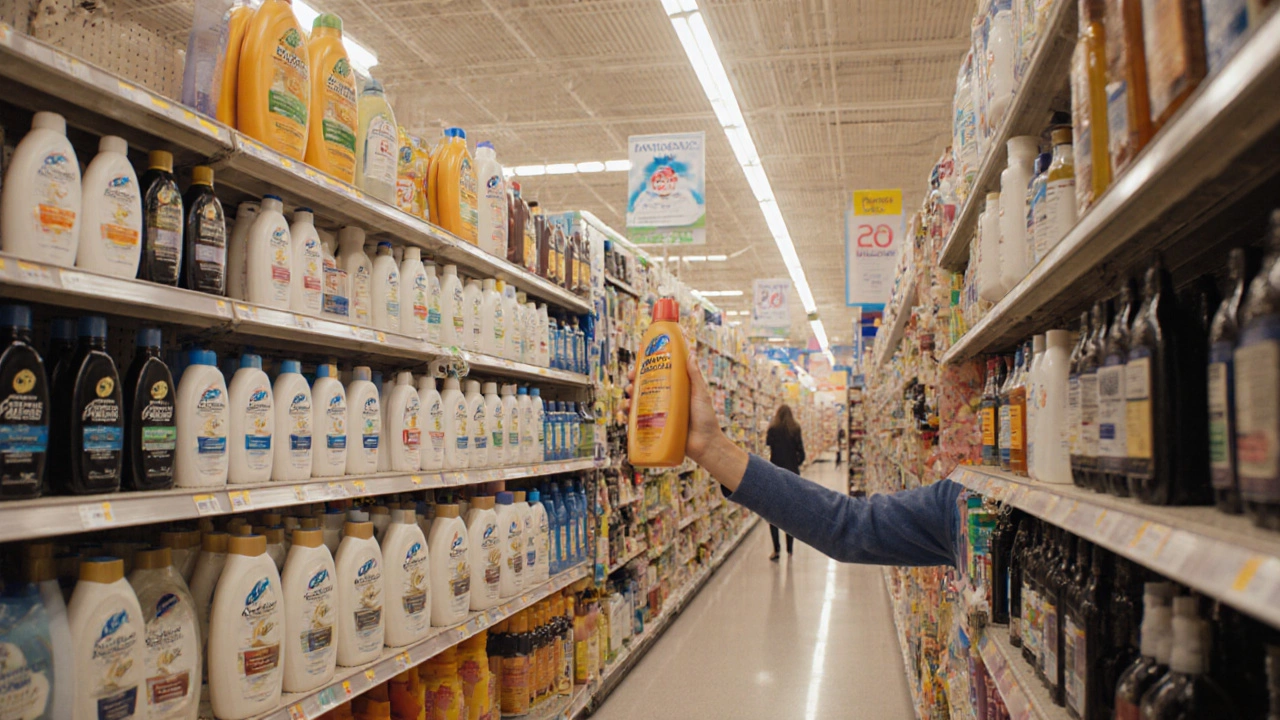
What Is the Most Widely Purchased Hair Care Product?
Shampoo is the most widely purchased hair care product globally, accounting for nearly 40% of all sales. It outsells conditioners, serums, and masks because it’s a daily necessity, affordable, and universally available.
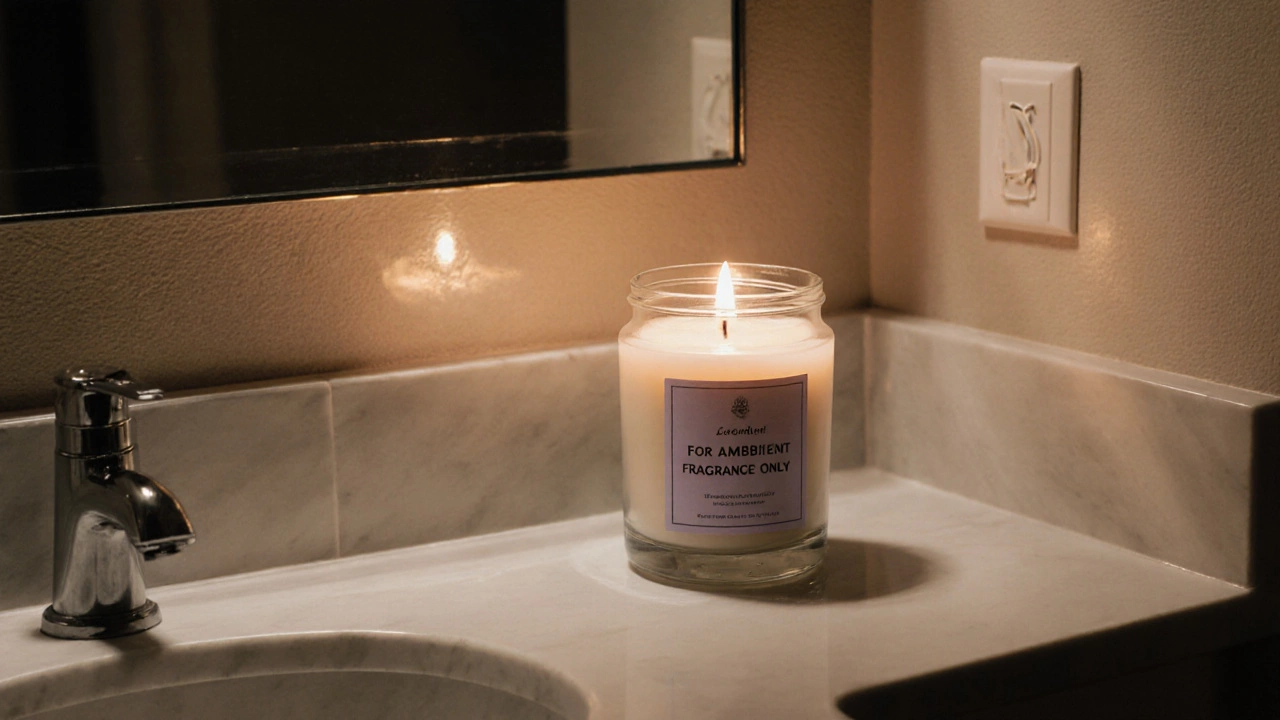
Are Candles Considered Cosmetics? The Regulatory Truth Behind Scented Candles
Scented candles aren't cosmetics unless they make skin or health claims. Learn how the FDA draws the line between fragrance products and regulated cosmetics - and why labeling matters more than you think.
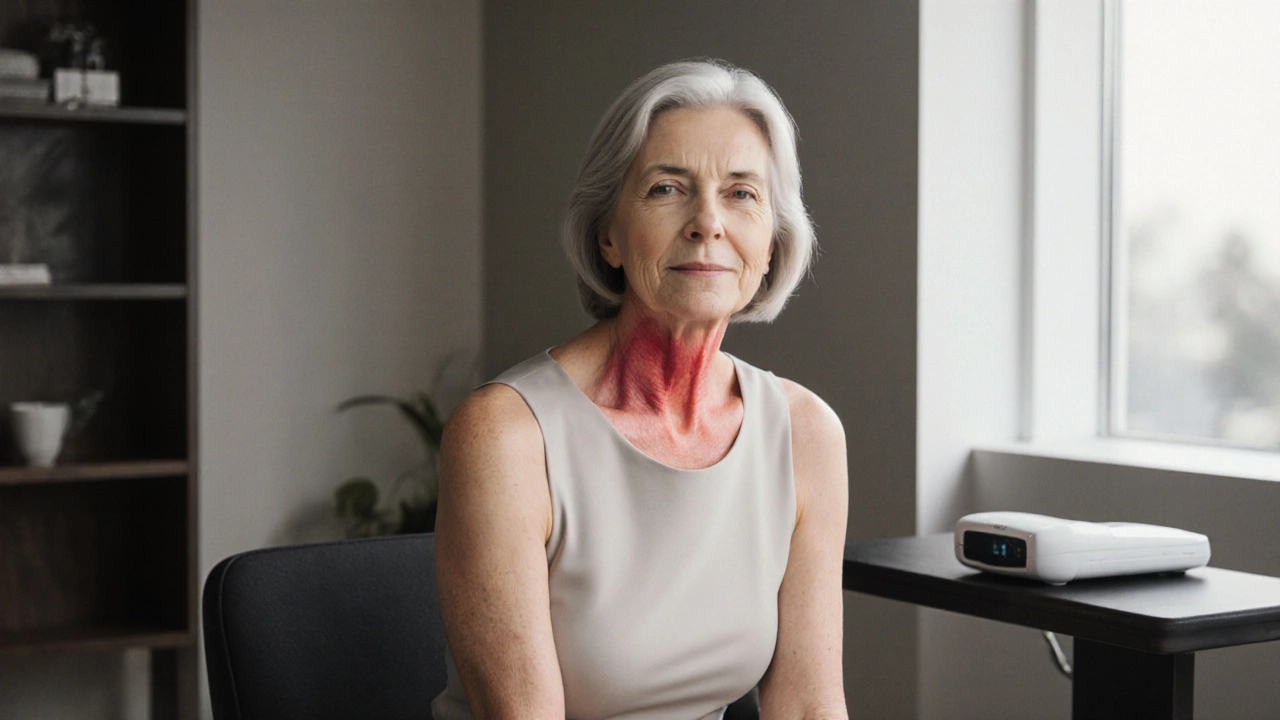
What's the best non-surgical face lift? Top proven options in 2025
Discover the most effective non-surgical face lifts in 2025, from Ultherapy to thread lifts. Learn what actually works, what to avoid, and how to choose the right treatment for your skin.
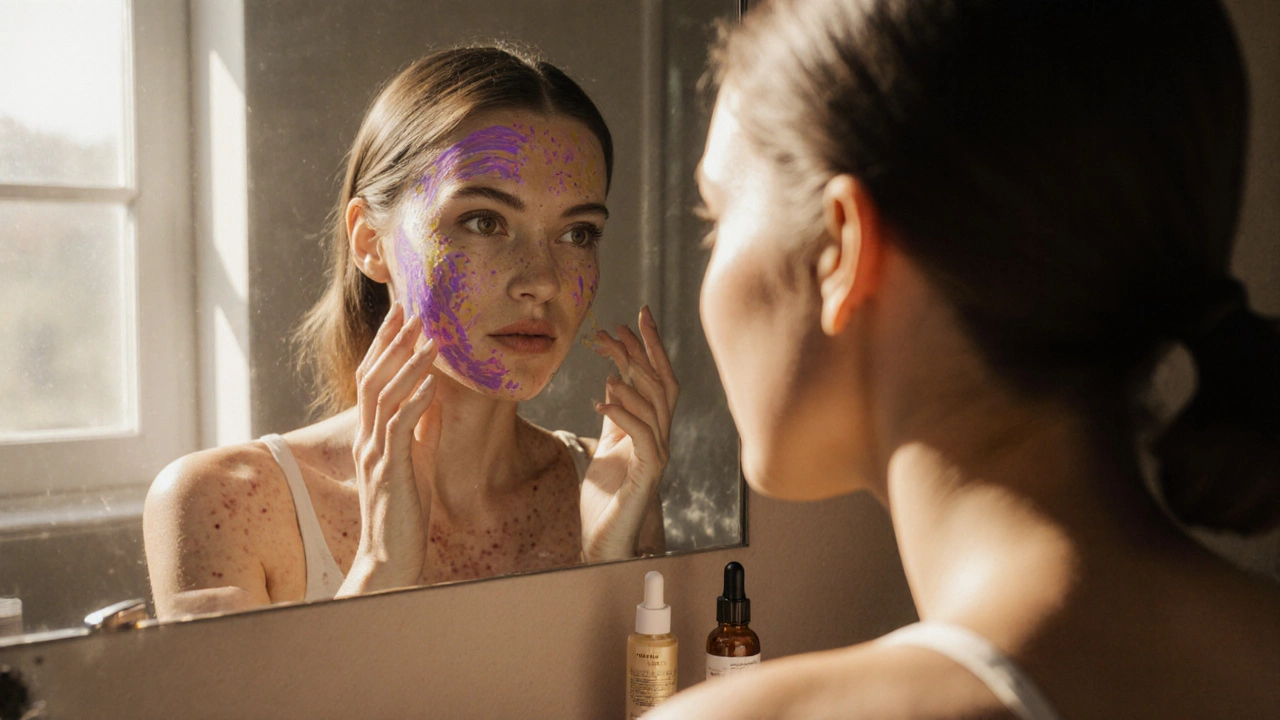
At What Age Do You Age the Fastest? The Science Behind Rapid Aging
Aging speeds up dramatically between 30 and 40 due to collagen loss, hormonal shifts, and slower cell repair. Learn the science behind why this decade matters and what actually works to slow it down.
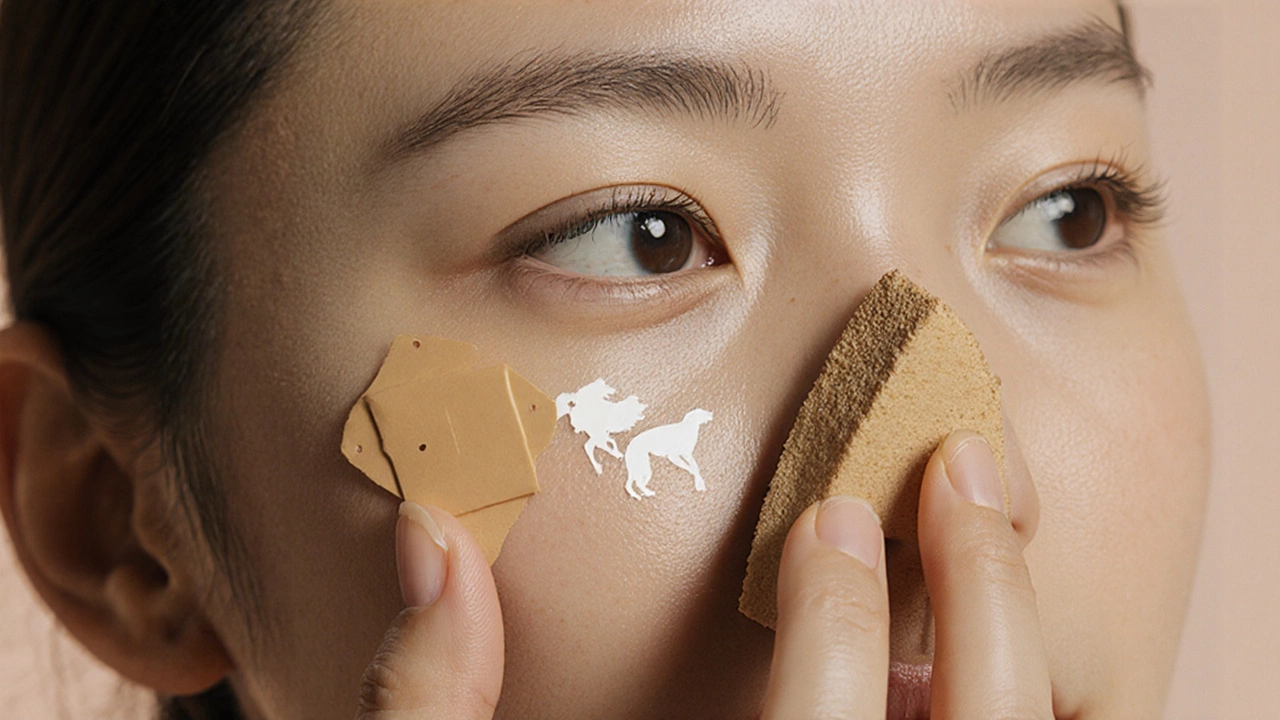
Do You Put Concealer on First or Foundation? The Right Order for Flawless Skin
Learn whether to apply concealer before or after foundation for a flawless, natural-looking finish. Get expert tips based on skin type, product formulas, and real-world results.

Why Is Eminence Organic Skincare So Expensive?
Eminence Organic Skincare is expensive because it uses certified organic ingredients, handcrafted small-batch production, high concentrations of botanical actives, and sustainable packaging-no fillers, no synthetics, no shortcuts.
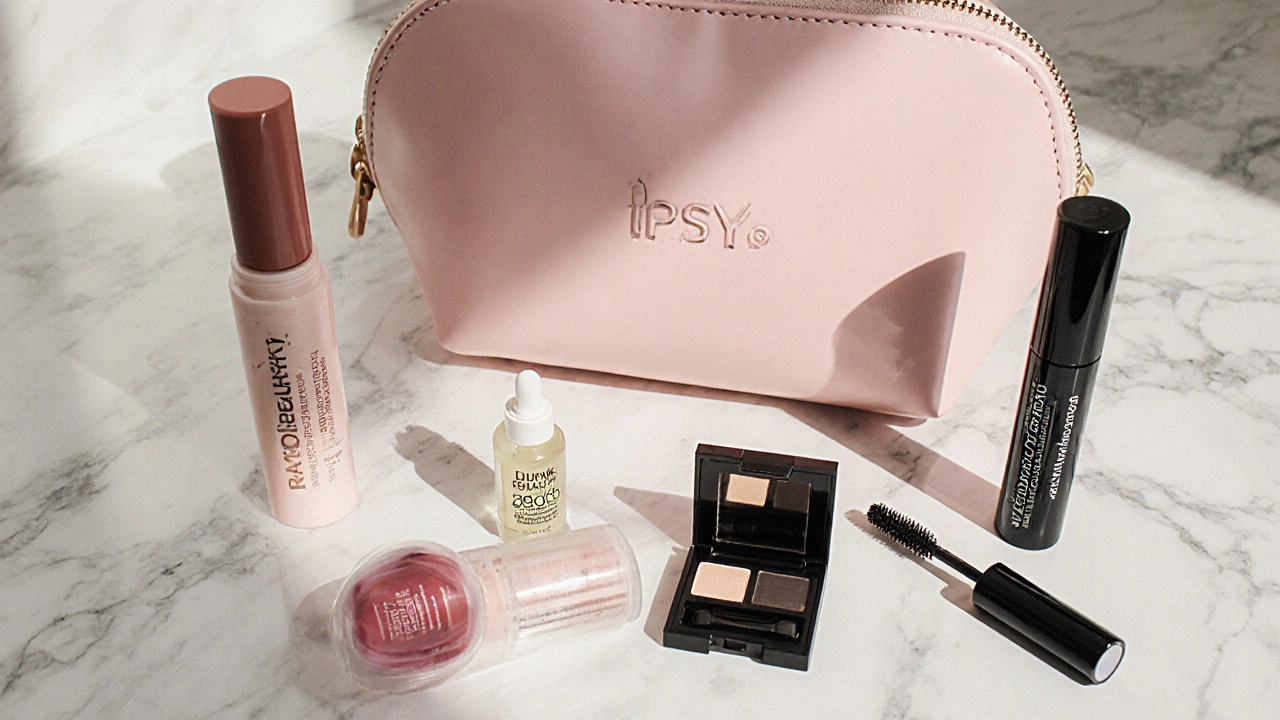
What Do You Get in Your First IPSY Bag? Full Breakdown of Contents and Value
Your first IPSY bag includes 5 personalized beauty products worth $40-$60 for just $13. Discover what’s inside, how it’s chosen, and why it’s worth trying-even if you’re new to subscription boxes.
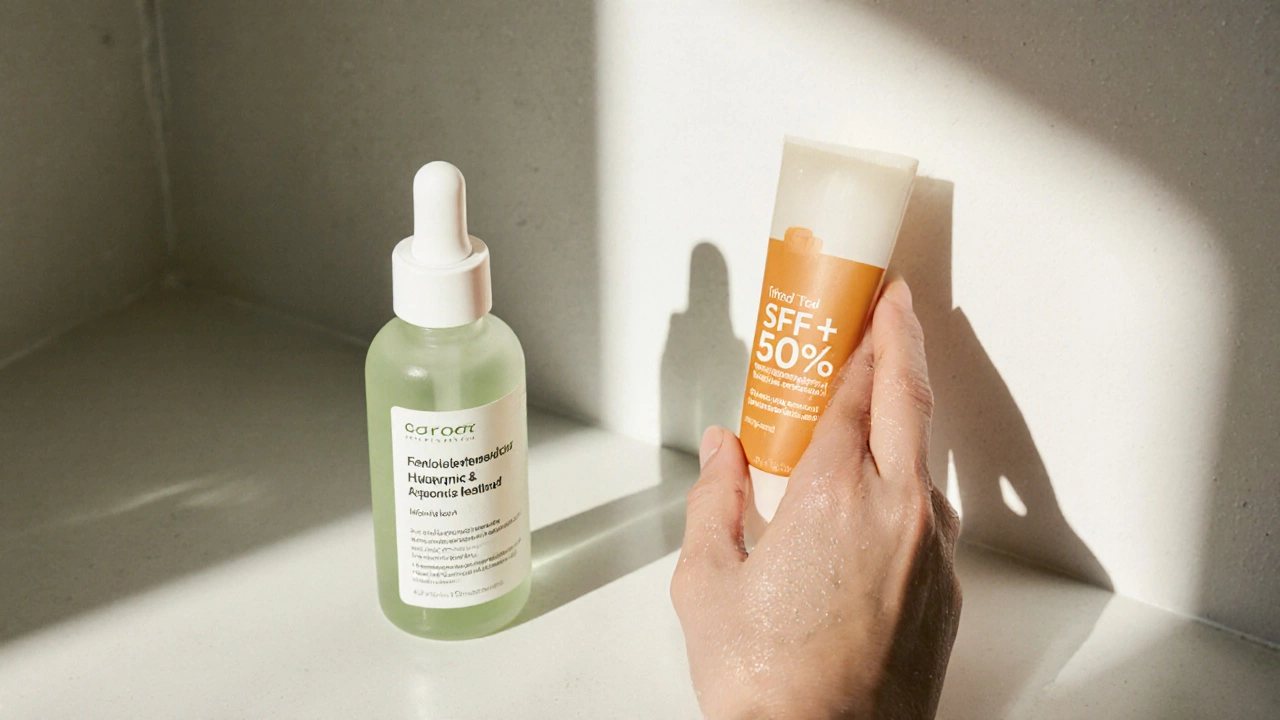
What Beauty Products Are Most in Demand Right Now?
In 2025, the most in-demand beauty products are lightweight serums, tinted SPF, bakuchiol serums, scalp treatments, and refillable packaging. People want results without complexity, and transparency over hype.
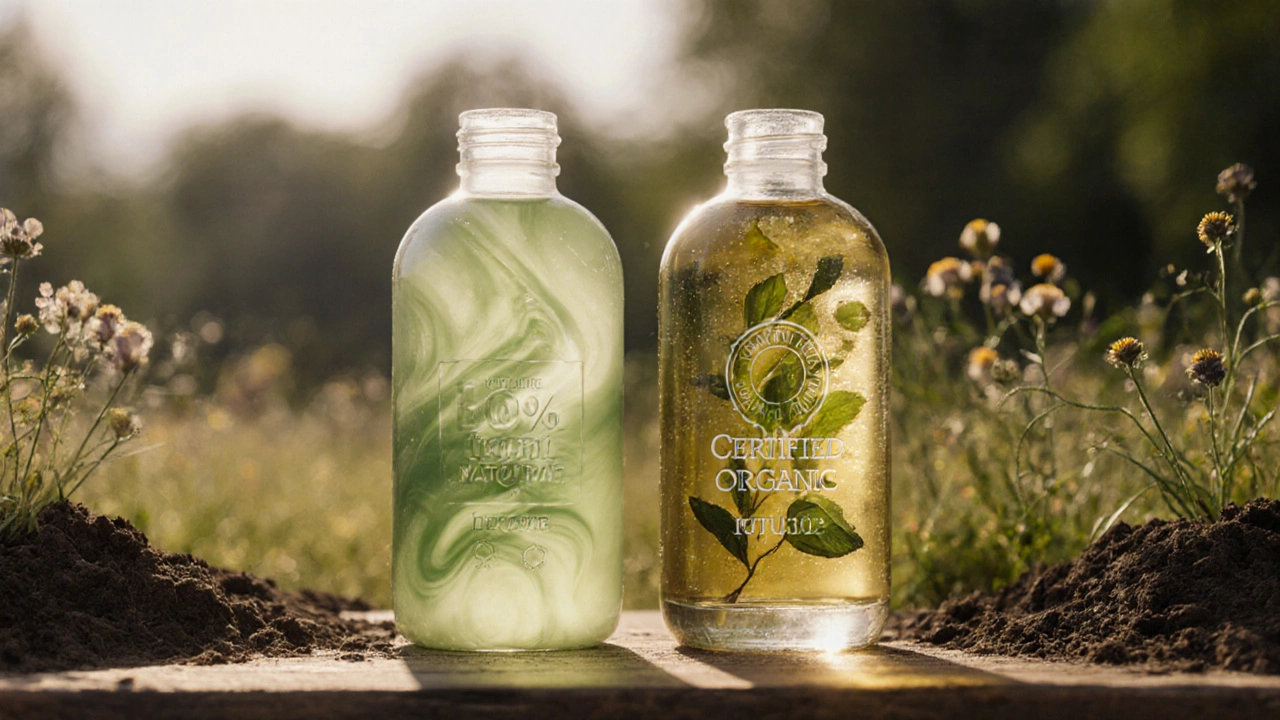
Is 100% Natural the Same as Organic in Skincare?
Natural doesn't mean organic in skincare. Learn the real difference between the two labels, what certifications actually require, and how to spot truly clean products that protect your skin and the planet.
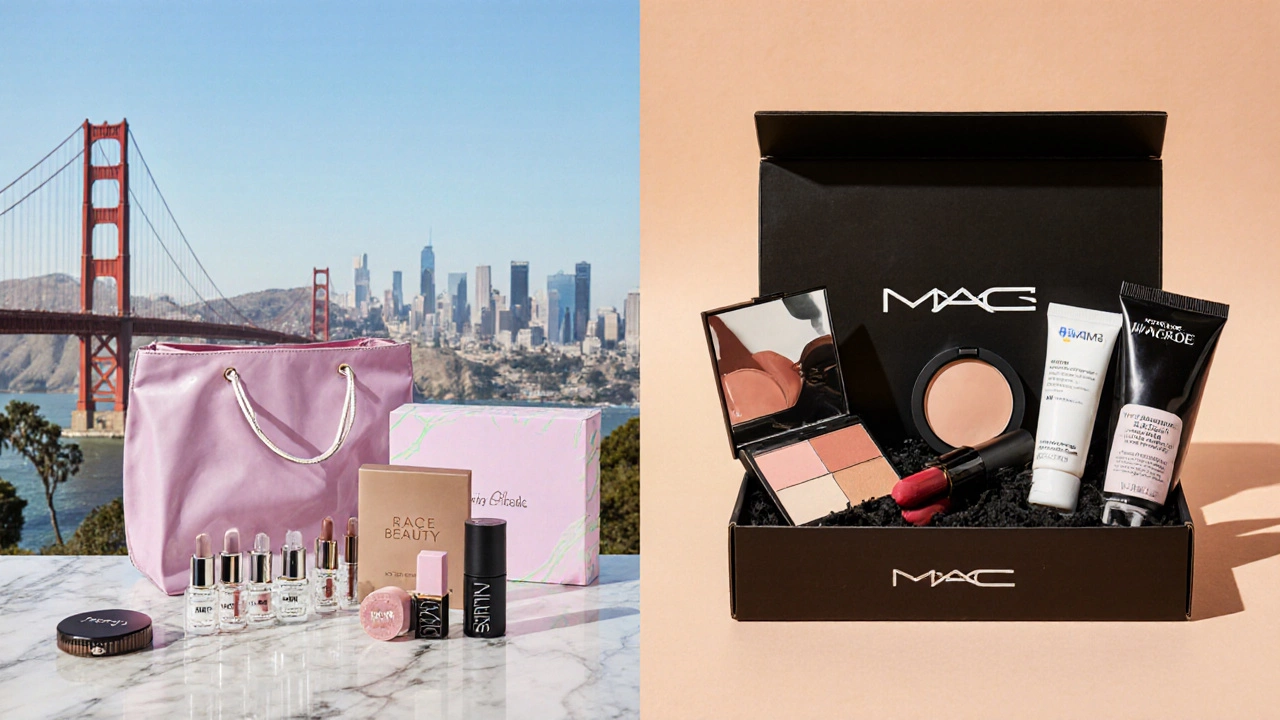
Are Ipsy and BoxyCharm Together Now? The Truth About Subscription Box Ownership
Ipsy and BoxyCharm are not together-they're separate companies with different approaches to beauty subscription boxes. Learn how they differ, which one suits your needs, and whether you can subscribe to both.