
What Is the Most Widely Purchased Hair Care Product?
 Nov, 27 2025
Shampoo Usage Estimator
How much shampoo do you use?
Based on global usage patterns from the article. Calculate your annual consumption and cost.
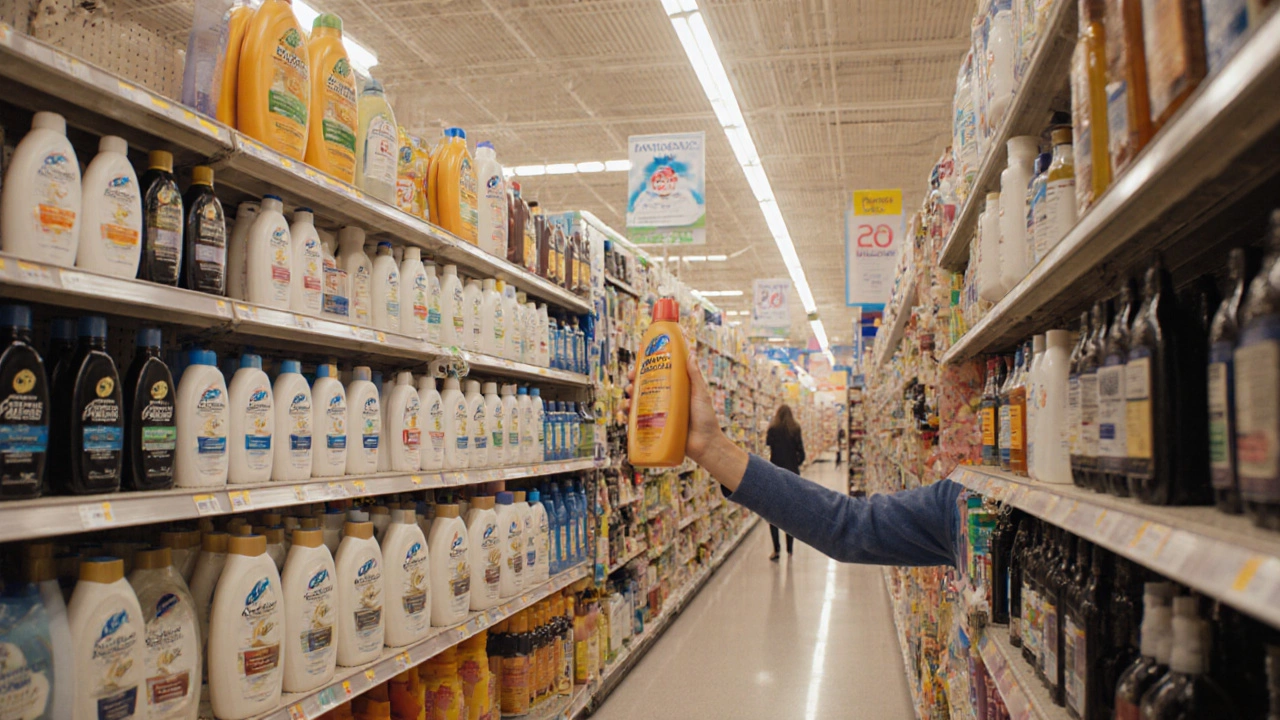
If you walk into any drugstore, supermarket, or online beauty shop, one product dominates the shelves-not because it’s the fanciest, not because it’s the most expensive, but because it’s the one people reach for every single week. That product is shampoo.
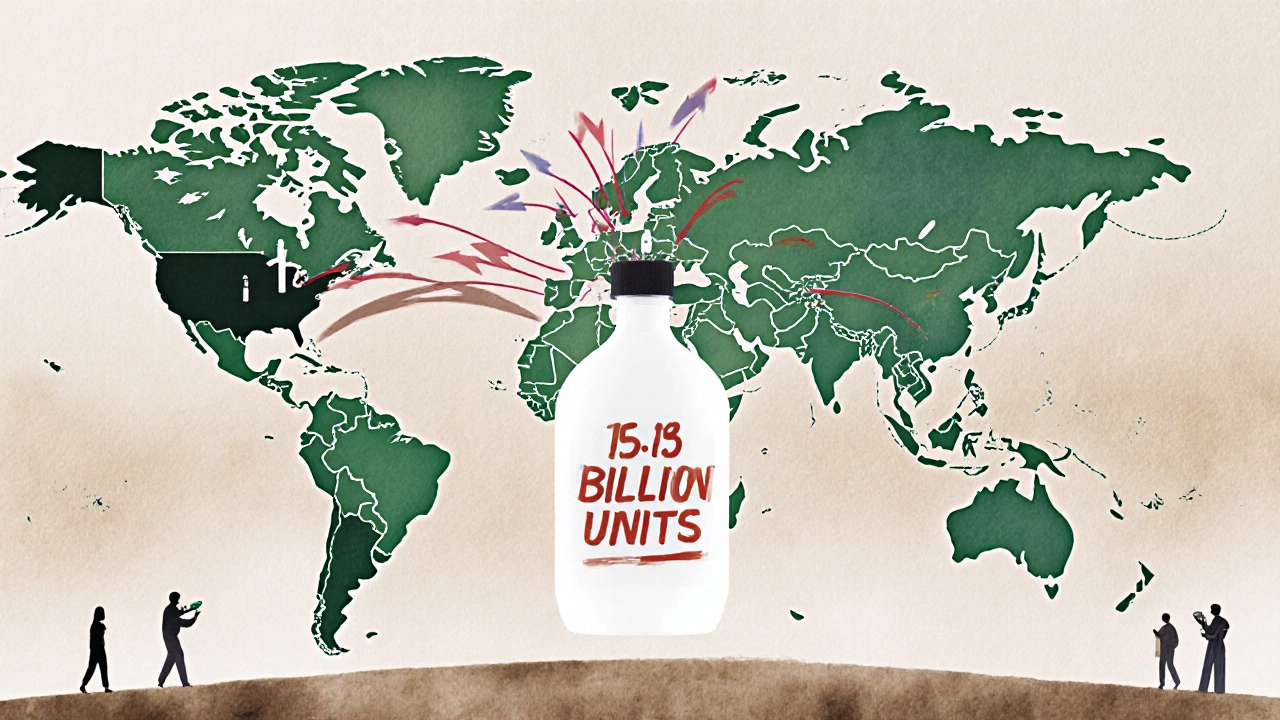
It’s not even close. Shampoo accounts for nearly 40% of all hair care sales worldwide, according to data from Euromonitor’s 2025 Global Beauty Report. That’s more than conditioners, serums, masks, oils, and styling products combined. In the U.S., the average household buys 2.3 bottles of shampoo per year. In India, it’s 4.1. In Brazil, people replace their shampoo every 28 days on average. No other hair care item comes close to that frequency or volume.
Why shampoo? Because it’s not optional. You wash your hair to feel clean, to manage oil, to remove sweat and pollution, and yes-to look and smell good. Even people who use co-washing, low-poo, or no-poo methods still buy shampoo, just less often. Shampoo is the baseline. It’s the foundation. Everything else builds on top of it.
What Makes Shampoo the Top Seller?
Shampoo isn’t just a cleanser. It’s a daily ritual. People don’t buy it once a year. They buy it every month. And they buy it in bulk. A 12-ounce bottle of shampoo lasts about 4-6 weeks for most people. That’s 6-8 purchases a year. Compare that to a hair mask, which most people use once a week or less-and often only when their hair feels dry or damaged.
Shampoo is also the most accessible. It’s sold everywhere: gas stations, pharmacies, dollar stores, Walmart, Amazon, salons, and even airport kiosks. You can buy it with cash, without a subscription, without reading reviews. No one needs a recommendation to buy shampoo. You just know you need it.
And brands know this. They invest billions in shampoo marketing-not because it’s hard to sell, but because it’s easy to scale. Pantene, Head & Shoulders, Dove, and Tresemmé dominate global sales because they’re everywhere, cheap, and trusted. In 2024, Pantene alone sold over 1.2 billion bottles worldwide. That’s more than the entire population of the United States.
Shampoo vs. Other Hair Care Products
Let’s put shampoo’s sales in context. Here’s how the top hair care categories stack up in global retail volume:
| Product Type | Estimated Annual Units Sold (Billions) | Market Share |
|---|---|---|
| Shampoo | 15.8 | 39.5% |
| Conditioner | 9.1 | 22.8% |
| Hair Masks & Deep Treatments | 3.2 | 8.0% |
| Hair Oils & Serums | 2.9 | 7.3% |
| Styling Products (gels, sprays, creams) | 4.7 | 11.8% |
| Color & Bleach Products | 2.4 | 6.0% |
| Other (scalp treatments, leave-ins, etc.) | 1.9 | 4.6% |
Notice something? Conditioner is second-but it’s still less than half the volume of shampoo. And styling products? Even though they’re everywhere in ads, they’re not bought nearly as often. People buy a $20 hair serum once every three months. But they buy a $5 shampoo every month. Volume wins.
Regional Differences in Shampoo Buying
Shampoo is universal, but how it’s bought varies. In Japan, people prefer small, travel-sized bottles because they wash their hair daily and like to try new formulas. In Nigeria, large 1-liter refill packs dominate because of cost efficiency. In Germany, sulfate-free and organic shampoos are growing fast-but they still only make up 18% of total shampoo sales.
In the U.S., the biggest sellers are still mass-market brands: Pantene, Head & Shoulders, Dove, and Suave. But in the last three years, Amazon’s private label-Amazon Basics-has surged to the top 10, thanks to its low price and consistent performance. Meanwhile, niche brands like Olaplex or Moroccanoil, while popular in influencer circles, still account for less than 1% of total shampoo sales.
One surprising trend: men are buying more shampoo than ever. In 2020, men accounted for 32% of shampoo sales. By 2025, that number jumped to 44%. Why? Grooming routines are changing. More men wash their hair daily, use scalp treatments, and care about hair thinning. Shampoo is the entry point.
Why Other Products Don’t Beat Shampoo
People love hair oils, serums, and masks. They post them on TikTok. They spend hours reading reviews. But they don’t buy them as often. Why?
- They’re more expensive. A $25 hair mask lasts 10 uses. A $5 shampoo lasts 30 washes.
- They’re not daily necessities. You can skip a mask. You can’t skip washing your hair for weeks.
- They’re harder to use right. Too much oil? Greasy. Wrong conditioner? Weighed down. Shampoo? Just lather and rinse.
- They’re often bought as gifts or impulse buys-not routine restocks.
Even hair color, which is a huge category, doesn’t come close. People dye their hair every 4-8 weeks. That’s 1-3 times a year. Shampoo? 6-12 times. The math doesn’t lie.
What’s Changing in Shampoo Sales?
Shampoo isn’t standing still. The biggest shifts in the last five years:
- Refillable packaging: Brands like Aveda and L’Oréal now offer concentrate refills that cut plastic use by 70%. Sales of refillable shampoos grew 210% between 2021 and 2025.
- Scalp-focused formulas: Products labeled for “scalp health” or “hair growth” are the fastest-growing segment. Shampoos with niacinamide, caffeine, and zinc pyrithione are outselling traditional “repair” shampoos.
- Waterless shampoo: Solid shampoo bars are gaining traction, especially in Europe and Australia. They’re not replacing liquid shampoo yet-but they’re eating into 5% of the market.
- Subscription fatigue: People used to sign up for monthly shampoo deliveries. Now, they buy in bulk online or at warehouse clubs. Subscription sales dropped 18% from 2022 to 2025.
Despite all this, the core truth hasn’t changed: people need to wash their hair. And shampoo is still the only product that does it every single time.
What Does This Mean for You?
If you’re shopping for hair care, don’t overcomplicate it. Buy a shampoo that works for your scalp and hair type-oily, dry, curly, color-treated-and stick with it. You don’t need 10 products. You need one good shampoo and maybe a conditioner.
If you’re trying to save money, buy shampoo in bulk. A 24-ounce bottle often costs 30% less per ounce than a 12-ounce one. And if you’re curious about trends, try a sulfate-free or scalp-targeted formula-but only if your current shampoo isn’t working.
And if you’re wondering why your friend spends $50 on a hair serum? They’re probably using it because they like the way it feels. But they still bought shampoo this week. They just didn’t post about it.
Is shampoo really the most bought hair care product globally?
Yes. According to Euromonitor’s 2025 Global Beauty Report, shampoo accounts for nearly 40% of all hair care sales worldwide, making it the single most purchased product in the category. It outsells conditioners, masks, oils, and styling products combined.
What’s the second most purchased hair care product?
Conditioner is second, with about 23% of global sales. But it still sells less than half the volume of shampoo. People use conditioner less frequently and often buy it as a pair with shampoo, not on its own.
Why don’t hair oils or serums sell more?
They’re more expensive, used less often, and aren’t essential for daily hygiene. A $25 serum might last three months. A $5 shampoo lasts a month-and you need it every time you wash your hair.
Are shampoo bars replacing liquid shampoo?
Not yet. Solid shampoo bars are growing fast-especially in eco-conscious markets-but they still only make up about 5% of total shampoo sales. Most people still prefer the convenience and familiar feel of liquid shampoo.
Do men buy more shampoo now than before?
Yes. In 2020, men made up 32% of shampoo buyers. By 2025, that number rose to 44%. More men are washing their hair daily and using scalp treatments, making shampoo a routine part of their grooming.
What to Buy Next
If you’re looking to upgrade your hair care routine, start with your shampoo. Test one with ingredients tailored to your needs: caffeine for thinning, niacinamide for scalp irritation, or keratin for damaged hair. Once you find a shampoo that works, you won’t need to buy five other products to feel good about your hair.
Shampoo is the backbone of hair care-not because it’s glamorous, but because it’s necessary. And for now, that’s what wins.