
What Is Considered a Cosmetic Item? Clear Rules and Real Examples
 Feb, 8 2026
When you grab your lipstick, moisturizer, or shampoo, do you ever stop and think: is this actually a cosmetic? It sounds simple, but the line between a cosmetic, a drug, and just plain soap isn’t as clear as you might think. And it matters-because what gets labeled as a cosmetic changes how it’s made, tested, and sold. In the U.S., the FDA defines cosmetics under the Federal Food, Drug, and Cosmetic Act. But this isn’t just an American rule. Around the world, from the EU to Australia, similar frameworks exist. So what makes something a cosmetic? Let’s cut through the confusion with real examples and clear rules.
What the law says: the official definition
The U.S. Food and Drug Administration (FDA) defines a cosmetic as a product intended to be applied to the human body for cleansing, beautifying, promoting attractiveness, or altering the appearance. That’s it. No mention of treating disease. No curing acne. No reducing wrinkles as a medical claim. If it’s meant to change how you look, not how your body functions, it’s a cosmetic.
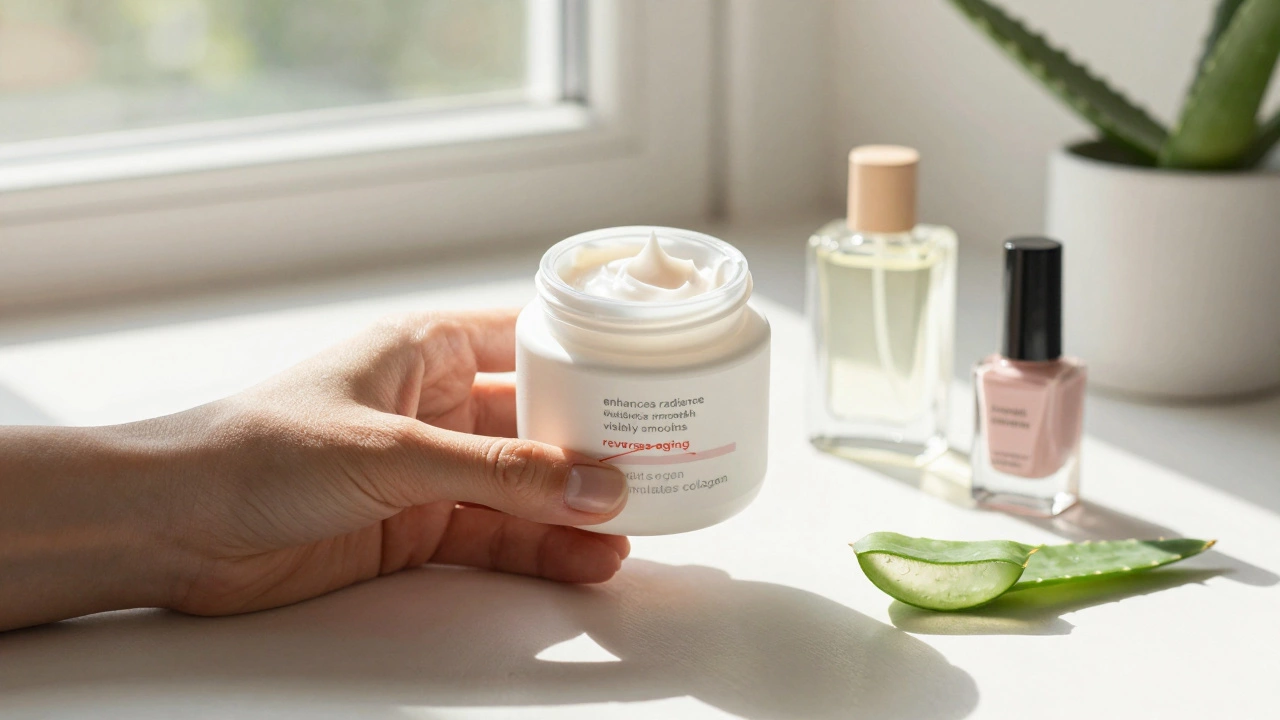
Think about it this way: a moisturizer that says it "hydrates dry skin" is a cosmetic. But if it says it "reduces fine lines by stimulating collagen production," it’s now a drug. Same jar, different claim. The FDA doesn’t care about the ingredients alone-it cares about the intended use. And that’s where most brands slip up.
Common cosmetic items you use every day
Here’s a quick list of everyday products that legally count as cosmetics:
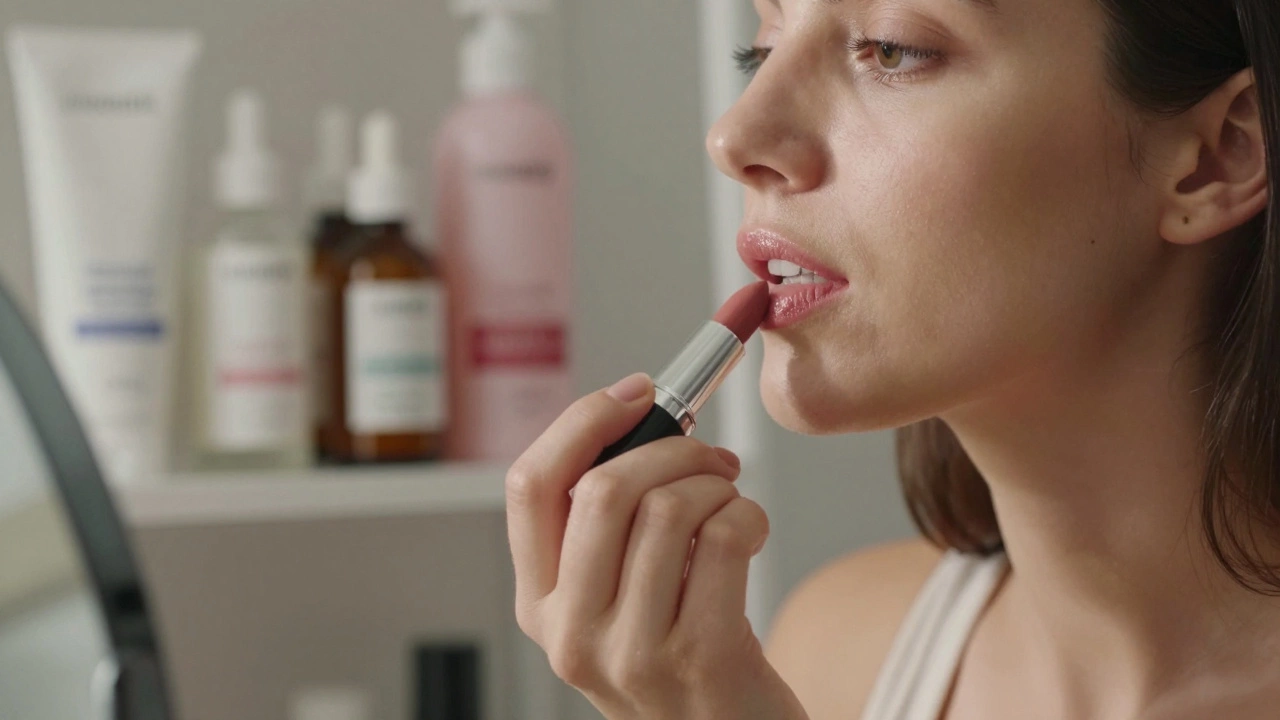
- Lipstick, lip gloss, and lip balm (unless it claims to heal chapped lips)
- Mascara, eyeliner, eyeshadow, and blush
- Foundation, concealer, and powder
- Face creams, lotions, and serums (for hydration or glow, not medical repair)
- Shampoo, conditioner, and hair dye
- Deodorant (as long as it doesn’t claim to treat hyperhidrosis)
- Nail polish and nail polish remover
- Perfumes and colognes
- Soaps (if they’re just for cleansing, not medicated)
Notice how none of these claim to fix a medical condition? That’s the key. A soap that removes dirt is a cosmetic. A soap that treats eczema? That’s a drug. A shampoo that cleans hair is a cosmetic. A shampoo that claims to regrow hair? That’s a drug.
Where things get tricky: borderline products
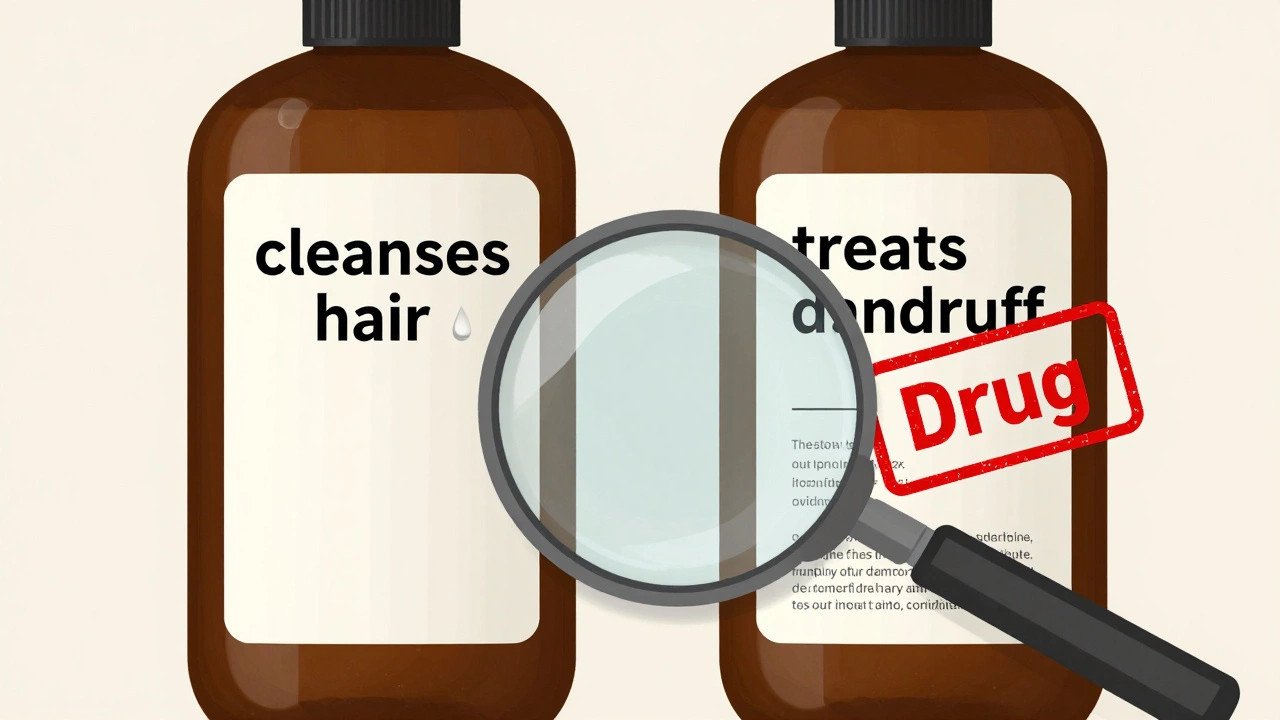
Not everything fits neatly into one box. Some products live in a gray zone. Take anti-dandruff shampoo. If it just cleanses, it’s a cosmetic. But if it contains zinc pyrithione and says it "treats dandruff," it’s regulated as a drug. Same active ingredient. Different label. Same bottle. Different rules.
Teeth whitening strips? Cosmetics if they just remove surface stains. Drugs if they change the color of your enamel using peroxide at high concentrations. Sunscreen? Here’s the twist: if it claims to protect against sunburn or skin cancer, it’s a drug. But if it says "helps prevent sun damage" without mentioning disease, it’s often treated as a cosmetic. In practice, most sunscreens are regulated as drugs because they make medical claims.
Even moisturizers with SPF are tricky. If the SPF is the main feature and the product is marketed for sun protection, it’s a drug. If it’s a moisturizer with SPF 15 as a side benefit? Some regulators treat it as a cosmetic. The rules vary by country. In the EU, any product with SPF over 6 is classified as a medicinal product.
What’s NOT considered a cosmetic
Some things people assume are cosmetics aren’t. Here are common misconceptions:
- Hand sanitizer-this kills germs, so it’s a drug
- Acne treatments with benzoyl peroxide or salicylic acid at therapeutic levels-drugs
- Anti-aging creams claiming to "reverse signs of aging" or "restore skin elasticity"-drugs
- Shampoos that claim to treat scalp psoriasis-drugs
- Supplements taken orally, even if marketed for "beauty"-not cosmetics at all
Even something as simple as aloe vera gel can be a drug if it’s marketed to treat burns. If it’s just called a "soothing skin gel," it’s a cosmetic. Context is everything.
Why does this classification matter?
Because the rules change everything. Cosmetics don’t need FDA approval before they hit shelves. Companies can sell them without proving they’re safe-though they’re still responsible for safety. Drugs? They go through rigorous testing. They need approval. They have to prove effectiveness and list side effects.
That’s why you’ll see some brands play it safe. They avoid words like "treat," "cure," or "repair" on their labels. Instead, they say "improves skin texture," "enhances radiance," or "visibly smooths." It’s not magic-it’s legal strategy.
And it affects you as a consumer. A cosmetic might have fragrance, dyes, or preservatives that wouldn’t be allowed in a drug. A drug has stricter ingredient limits. So if you have sensitive skin, knowing whether a product is classified as a cosmetic or drug can help you avoid irritants.
Global differences: what’s cosmetic in one place isn’t in another
The U.S. isn’t the only player. The European Union has its own Cosmetics Regulation (EC) No 1223/2009. In the EU, even products with SPF above 6 are considered medicinal. Canada’s Health Canada treats sunscreen as a natural health product if it’s plant-based, or a drug if it’s chemical. Australia’s TGA (Therapeutic Goods Administration) classifies products based on function, not ingredients.
That means a product sold as a cosmetic in New Zealand might be a drug in the U.S. or vice versa. A moisturizer with niacinamide? In the U.S., it’s a cosmetic. In the EU, if it claims to reduce redness or improve barrier function, it might be classified as a medical device.
How to tell if something is a cosmetic
Here’s a quick checklist you can use next time you pick up a product:
- Does it claim to cleanse, beautify, or change appearance? → Likely cosmetic
- Does it claim to treat, prevent, or cure a condition? → Likely a drug
- Is it applied to the skin, hair, nails, or lips? → Fits the cosmetic category
- Is it taken orally? → Not a cosmetic
- Is it marketed for medical use? → Definitely not a cosmetic
Check the label. Look for words like "treats," "cures," "reduces," or "prevents." If you see them, it’s probably not a cosmetic. If it says "enhances," "nourishes," or "gives glow," you’re likely looking at a cosmetic.
What about "clean beauty" and natural products?
"Clean beauty" doesn’t change the legal definition. A product made with organic aloe, chamomile, and coconut oil is still a cosmetic if it’s only meant to moisturize. If it says it "heals eczema," it’s a drug-even if every ingredient is plant-based.
And here’s the catch: many "natural" brands make claims that cross the line. "Our serum repairs damaged skin cells"? That’s a drug claim. "Our serum gives skin a healthy glow"? That’s cosmetic. The ingredient list doesn’t matter-it’s the promise.
Final takeaway: it’s about intent, not ingredients
The bottom line? A cosmetic is defined by what it’s meant to do, not what it’s made of. A jar of cream can be a cosmetic one day and a drug the next, depending on how it’s labeled. The FDA doesn’t test every product before it sells. That means the burden is on the brand to stay on the right side of the law-and on you to read labels carefully.
If you’re trying to choose products that are safe for sensitive skin, knowing whether something is a cosmetic or drug helps you understand what’s in it and why. Cosmetics can have more fragrance and dyes. Drugs have stricter limits but also come with side effect warnings. Neither is better-just different. And now you know how to tell them apart.
Is lipstick considered a cosmetic?
Yes, lipstick is a classic example of a cosmetic. It’s applied to the lips to enhance color and appearance. As long as it doesn’t claim to treat chapped lips or heal cracks (which would make it a drug), it falls under the cosmetic category.
Can a product be both a cosmetic and a drug?
Yes, some products are classified as both. These are called "combination products." For example, an anti-dandruff shampoo that cleanses hair (cosmetic) and treats dandruff (drug) is regulated as both. In the U.S., the FDA handles these under specific rules, and the product must meet standards for both categories.
Is sunscreen a cosmetic or a drug?
In the U.S., sunscreen is regulated as an over-the-counter drug because it claims to prevent sunburn and reduce skin cancer risk. In other countries like the EU, it’s treated as a medicinal product. If a product only says "protects against UV exposure" without mentioning disease prevention, some regulators may treat it as a cosmetic-but most don’t.
Are face serums cosmetics?
Most face serums are cosmetics if they claim to hydrate, brighten, or improve texture. But if a serum claims to "stimulate collagen production," "reduce wrinkles," or "repair DNA damage," it crosses into drug territory. Always check the claims on the label.
Why doesn’t the FDA approve cosmetics before they’re sold?
The FDA doesn’t require pre-market approval for cosmetics because they’re not intended to affect body structure or function. Instead, manufacturers are legally responsible for ensuring safety. The FDA can take action only after a product is on the market and proves harmful. This system relies on brand accountability, which is why reading labels and researching ingredients matters.