
What Are the Top Toiletries Brands in 2025?
 Dec, 1 2025
Toiletries Brand Recommender
When you walk into a hotel bathroom or pack for a trip, you don’t just grab any soap or shampoo. You look for brands you trust. Toiletries aren’t just about cleanliness-they’re about how you feel every morning, how your skin reacts after a long day, and whether that little bottle in your bag makes you feel like you’ve got it together. In 2025, the market is flooded with options, from luxury hotel staples to drugstore heroes. But which brands actually deliver? Not just in scent or packaging, but in real performance, ingredient quality, and consistency.
What Makes a Toiletry Brand Top-Tier?
A top toiletries brand isn’t just the one with the prettiest bottle or the most Instagram ads. It’s the one that works, day after day, for real people with real skin, hair, and routines. The best brands balance three things: effectiveness, safety, and experience.
Effectiveness means the product does what it claims. Does the shampoo actually reduce frizz? Does the body wash leave skin soft without drying it out? Safety means avoiding harsh chemicals like sulfates, parabens, and synthetic fragrances unless they’re proven safe at low levels. Experience? That’s the little things-the scent that lingers just right, the texture that feels luxurious without being greasy, the bottle that doesn’t leak in your suitcase.
Brands that win in 2025 don’t just follow trends. They listen to feedback, reformulate based on science, and keep things simple. You won’t find 17-step routines here. You’ll find products that just work.
Luxury Favorites: Where Hotels Get Their Stuff
If you’ve ever stayed in a Four Seasons, Ritz-Carlton, or even a boutique hotel in Bali, you’ve probably used these brands without realizing it.
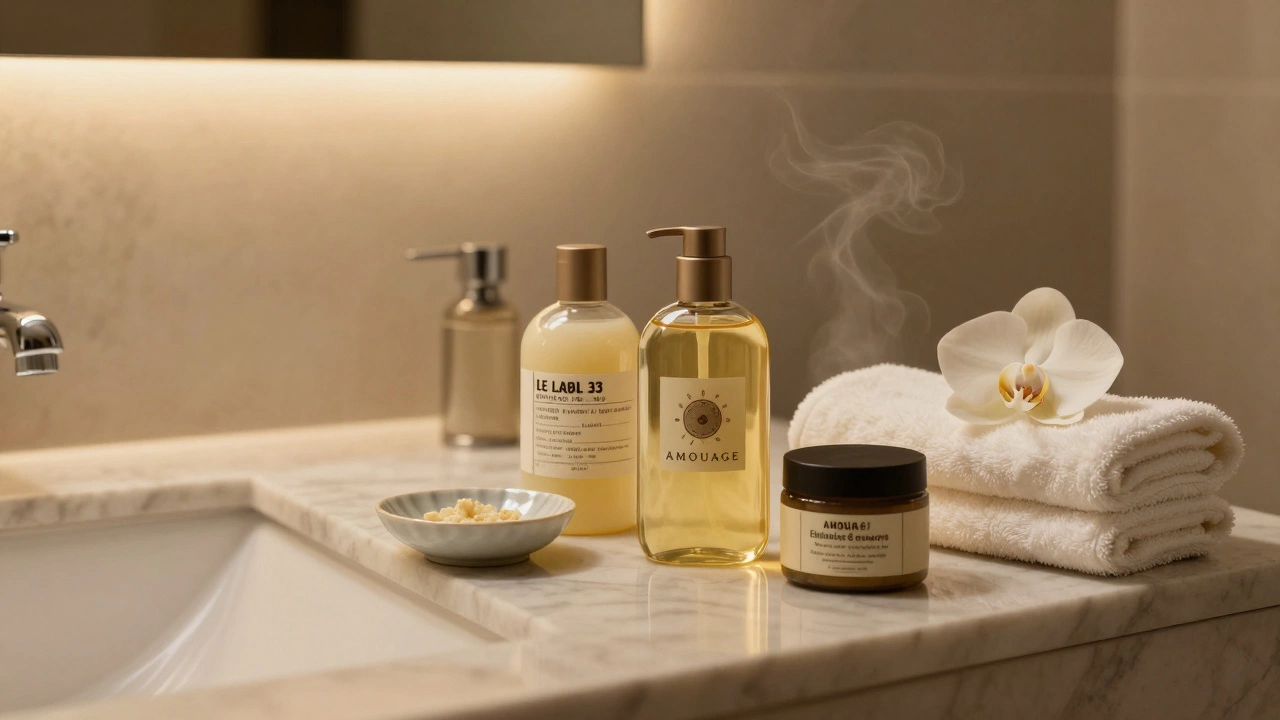
Amouage isn’t just a perfume brand-it makes bath oils and body lotions that smell like rare oud and saffron. It’s expensive, yes, but a single bottle lasts months. It’s the kind of thing you buy once and treat yourself with on Sunday nights.
Le Labo started as a fragrance house, but their body wash and hand soap are cult favorites. Their Santal 33 scent is everywhere now, but it’s not just trendy-it’s balanced. It doesn’t overwhelm. It lingers like a memory.
Crabtree & Evelyn has been around since the 1970s. Their English Lavender line is still one of the most soothing body washes on the market. It’s not flashy. It doesn’t promise to reverse aging. It just makes you feel calm. That’s why it’s still in hotel rooms from New York to Tokyo.
These brands aren’t for daily use by everyone-but they’re the gold standard when you want to feel pampered without spending hours on a skincare routine.
Everyday Heroes: Drugstore That Actually Delivers
Not everyone wants to spend $40 on body wash. And that’s fine. The best toiletries aren’t always the most expensive.
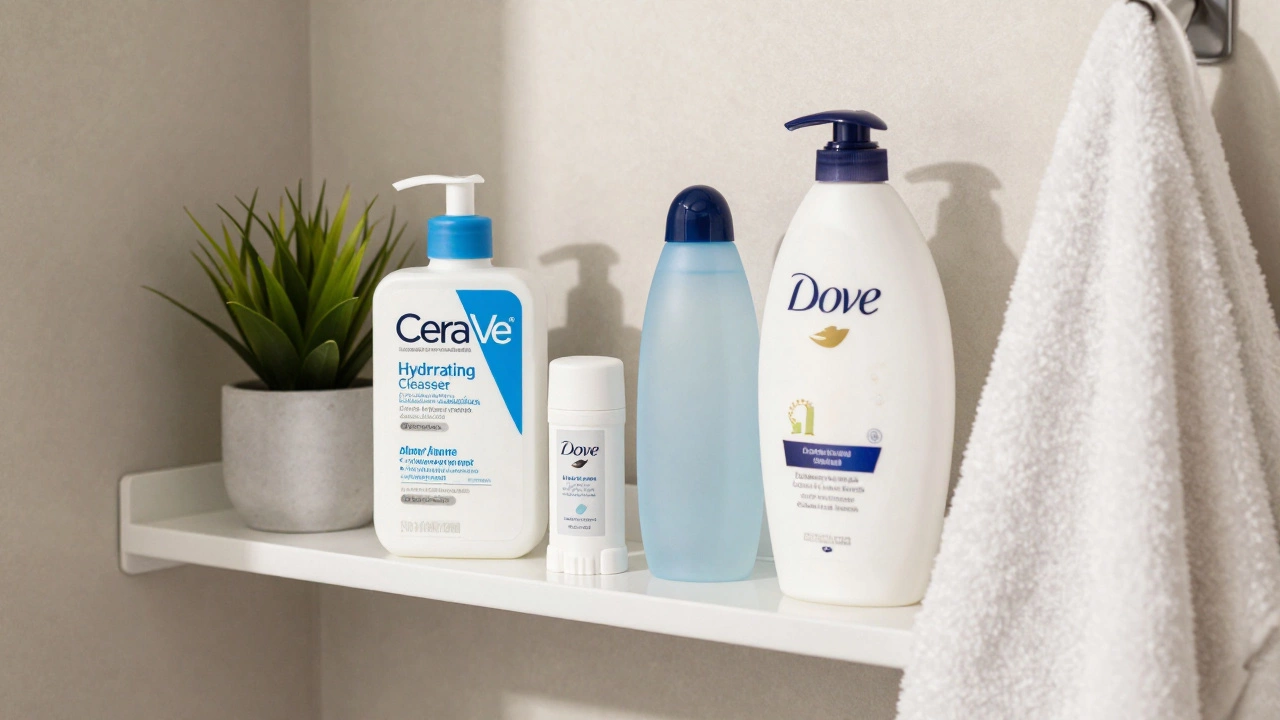
Dove has been around for over 70 years, and it’s still one of the most trusted names. Their Deep Moisture Body Wash doesn’t strip skin. It leaves it feeling smooth, not tight. Dermatologists recommend it for sensitive skin. It’s the quiet workhorse of bathrooms worldwide.
CeraVe started as a dermatologist-developed brand for eczema-prone skin. Now, their body wash, shampoo, and even hand soap are staples in homes across North America and Europe. Why? Because they use ceramides and hyaluronic acid-ingredients that repair your skin barrier, not just mask dryness.
Native is the brand that changed the deodorant game. No aluminum. No parabens. No weird chemicals. Just baking soda, coconut oil, and natural fragrances like coconut vanilla and citrus mint. It doesn’t last 48 hours like some clinical deodorants, but it doesn’t irritate your underarms either. For most people, that’s a fair trade.
These brands prove you don’t need a luxury label to get real results. They’re affordable, widely available, and backed by real science.
Travel-Ready Brands That Don’t Leak
Travel toiletries are a different beast. You need small sizes that won’t explode in your bag, and formulas that work in different climates.
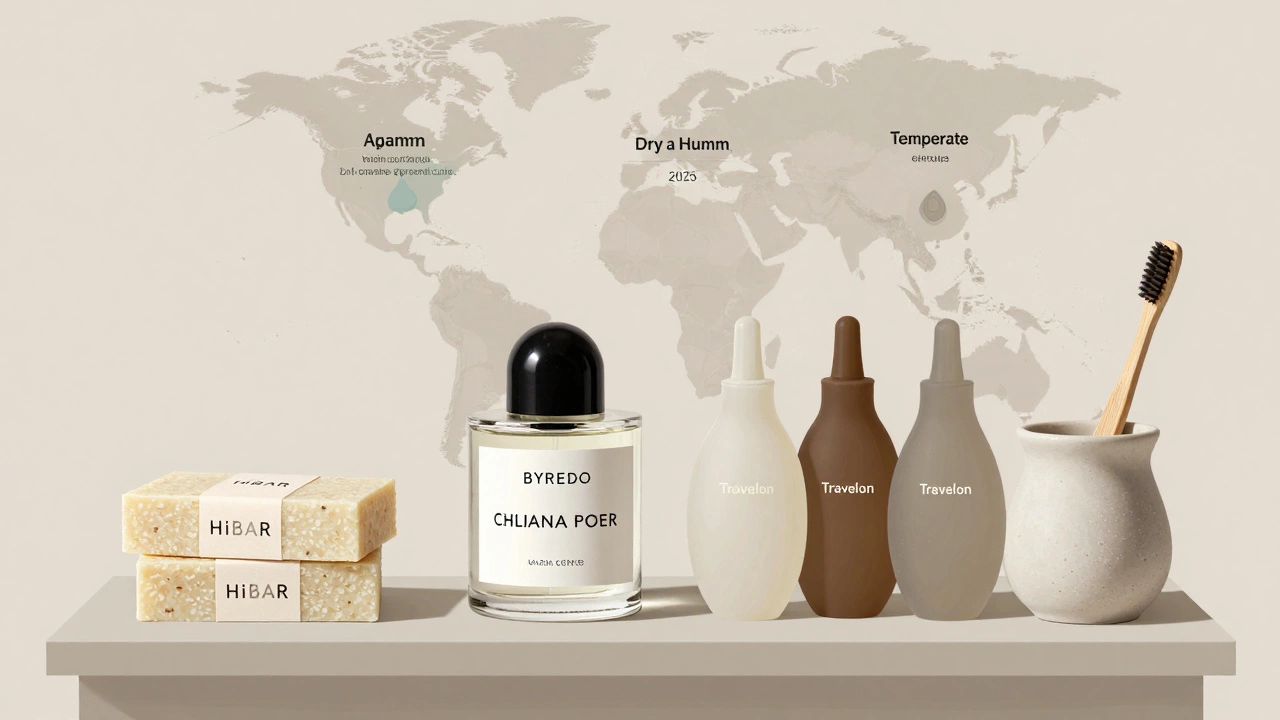
Travelon makes refillable silicone bottles that are TSA-approved and leak-proof. Pair them with EOS’s solid shower bars-they last longer than liquid soap, don’t spill, and come in scents like coconut lime and rosemary mint. They’re perfect for backpackers, weekend trips, or even just keeping in your gym bag.
Dr. Bronner’s Pure-Castile Soap is a miracle product. One bottle can be used as shampoo, body wash, hand soap, and even a gentle laundry detergent. It’s concentrated, so a little goes a long way. And it’s made with organic oils. It’s not for everyone-some find the scent too strong-but if you’re trying to cut down on plastic and products, it’s a game-changer.
Brands like Baggu and YETI now make compact, waterproof toiletry bags that actually fit in overhead bins. The best travel toiletries aren’t just about the product-they’re about the whole system.
What’s Changing in 2025?
The toiletries market is shifting fast. Here’s what’s new this year:
- Refillable packaging is no longer a niche trend. Brands like Byredo and Glossier now offer refill stations in major cities. You bring back your empty bottle, and they top it up for half the price.
- Waterless formulas are rising. Solid shampoos, conditioners, and body washes use no water in production, cutting down on shipping weight and plastic waste. HiBAR and Plaine Products lead this space.
- Climate-adaptive ingredients are becoming standard. Some brands now adjust formulas based on humidity levels. For example, a body lotion might have more emollients in dry climates and lighter textures in tropical ones.
These aren’t gimmicks. They’re responses to real consumer demand for sustainability, simplicity, and smarter formulations.
What to Avoid
Not all popular brands are worth it. Here’s what to skip:
- Products with “fragrance” listed as an ingredient. That’s a catch-all for dozens of untested chemicals.
- Shampoos with silicones as the first ingredient-they coat hair, making it feel smooth now but buildup later.
- Body washes with microbeads. They’re banned in many countries, but still sneak into some markets.
- Brands that claim “miracle” results-anti-aging body washes, hair growth soaps, or detox scrubs. These are marketing, not science.
Stick to brands that list clear, recognizable ingredients. If you can’t pronounce it, look it up. If it’s a synthetic dye or preservative with no clear purpose, ask yourself: Do I really need this?
Final Picks: What to Try Right Now
Here’s a quick, no-fluff list of what to buy in 2025:
- Best overall body wash: CeraVe Hydrating Cleanser
- Best shampoo for dry hair: SheaMoisture Coconut & Hibiscus
- Best deodorant: Native Aluminum-Free
- Best luxury scent: Le Labo Santal 33 Body Lotion
- Best travel solution: HiBAR Solid Shampoo + Travelon Silicone Bottles
You don’t need to buy them all. Pick one category-body, hair, or deodorant-and upgrade just that. You’ll notice the difference faster than you think.
What’s the difference between toiletries and cosmetics?
Toiletries are everyday hygiene products like soap, shampoo, toothpaste, and deodorant. Cosmetics are products meant to change appearance-makeup, nail polish, eyeliner. Some brands make both, but they serve different purposes. You use toiletries to stay clean. You use cosmetics to look a certain way.
Are expensive toiletries worth it?
Sometimes. Luxury brands often use higher-quality oils, essential oils, and fewer fillers. But many drugstore brands match or beat them in performance. Dove and CeraVe cost a fraction of Le Labo but deliver similar results for daily use. Spend more if you care about scent, texture, or sustainability. Don’t pay extra just for the name.
Which toiletry brands are cruelty-free?
Native, CeraVe, Dr. Bronner’s, HiBAR, and EOS are all certified cruelty-free by Leaping Bunny or PETA. Avoid brands owned by parent companies that test on animals, like L’Oréal or Estée Lauder-even if their individual lines claim to be clean. Check the parent company’s policy.
Can I use the same shampoo and body wash?
Technically, yes-especially with gentle, sulfate-free formulas like Dr. Bronner’s or CeraVe. But your scalp and body have different pH levels. Shampoos are designed to clean oil from hair, while body washes are made for skin. Using shampoo on your body might dry it out. Using body wash on your hair can leave it flat or greasy. It’s fine for travel, but not ideal long-term.
How long do toiletries last?
Most unopened toiletries last 2-3 years. Once opened, body wash and shampoo last 12-18 months. Deodorants last about 1 year after opening. Look for the open jar symbol on the bottle-it shows how many months the product stays good after opening. If it smells off, changes color, or separates, toss it.
Next Steps: What to Do Today
Don’t overhaul your whole bathroom. Start small. Pick one product you use every day-maybe your body wash or deodorant. Check the ingredient list. If it has more than 15 ingredients, or if you can’t recognize half of them, try switching to a simpler option. Try CeraVe or Native for a month. See how your skin feels. Then, maybe upgrade your shampoo next. Small changes add up. And in 2025, the best toiletries aren’t the loudest ones. They’re the ones you forget you’re using-because they just work.