
What Are Examples of Cosmetic Products? A Complete Guide to Makeup and Skincare
 Jun, 22 2026
Cosmetic Product Identifier & Routine Builder
How It Works
Select the products you use or are interested in from the list below. The tool will categorize them, explain their purpose, and help you understand if they're classified as cosmetics or drugs in different regions.
Your Routine Analysis
Based on your selections, here's what we found:
Walk into any pharmacy or scroll through your favorite online beauty store, and you will be hit with a wall of options. Bottles, tubes, compacts, and jars line the shelves, each promising to fix, enhance, or protect something about your appearance. But what exactly counts as a cosmetic product? Is it just the lipstick you wear on a date? Does the moisturizer you apply every morning count? Or is that shampoo in the shower a cosmetic too?
The definition is broader than most people think. In the world of beauty and personal care, a cosmetic is any substance applied to the human body for cleansing, beautifying, promoting attractiveness, or altering appearance. This means the category covers everything from simple bar soap to complex chemical peels. Understanding these categories helps you navigate labels, choose the right items for your routine, and avoid buying things you do not need.
The Foundation: Face and Body Cleansers
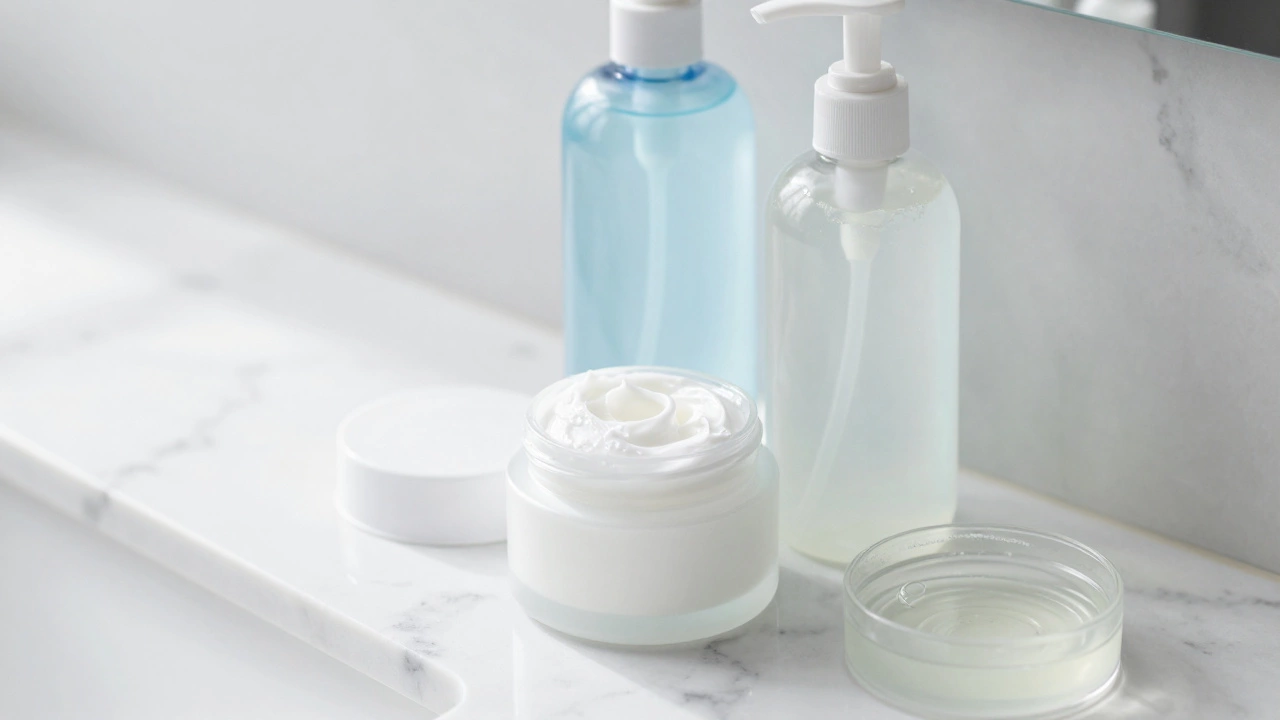
Every routine starts with a clean slate. Cleansers are the most basic form of cosmetic products, yet they come in many forms designed for different skin types and preferences. You have likely used them daily without realizing they fall under this specific regulatory umbrella.
Facial cleansers include gel washes, creamy foams, and oil-based balms. Gel cleansers are often preferred by those with oily skin because they cut through sebum effectively. Creamy cleansers, on the other hand, contain more emollients, making them suitable for dry or sensitive skin. Oil cleansers have gained massive popularity recently due to the "double cleansing" method, where an oil-based product removes sunscreen and makeup before a water-based cleanser removes sweat and dirt.
Body cleansers work similarly but are formulated to handle larger surface areas and tougher skin. These include:
- Bar soaps: Traditional solid blocks that can be drying if they lack glycerin.
- Body washes: Liquid formulations that often include fragrances and conditioning agents.
- Exfoliating scrubs: Products containing physical particles like sugar or jojoba beads to remove dead skin cells.
The key difference between a cosmetic cleanser and a drug (like an acne treatment) is intent. If the bottle says it "cleanses" and "refreshes," it is a cosmetic. If it claims to "treat acne" or "kill bacteria," it crosses into drug territory in many jurisdictions, including the United States and New Zealand.
Skin Hydration and Protection: Moisturizers and Sunscreens
Once the skin is clean, it needs protection and hydration. This is where moisturizers and sunscreens come in. While they serve different primary functions, both are staples in the cosmetic industry.
Moisturizers work by trapping water in the skin or adding lipids to reinforce the skin barrier. They come in various textures: lotions (lighter, more water-based), creams (thicker, more oil-based), and ointments (very thick, occlusive). Ingredients like hyaluronic acid draw moisture into the skin, while ceramides help repair the barrier. You might see terms like "non-comedogenic" on the label, which simply means the product is formulated not to clog pores.
Sunscreen is a tricky one. In many countries, broad-spectrum sunscreens are classified as over-the-counter drugs because they prevent sun damage, which is considered a disease process. However, in the European Union and parts of Asia, they are regulated as cosmetics. Regardless of the legal classification, they are essential cosmetic products for preventing premature aging and maintaining even skin tone. Look for SPF 30 or higher for daily use.
Color Cosmetics: Enhancing Appearance
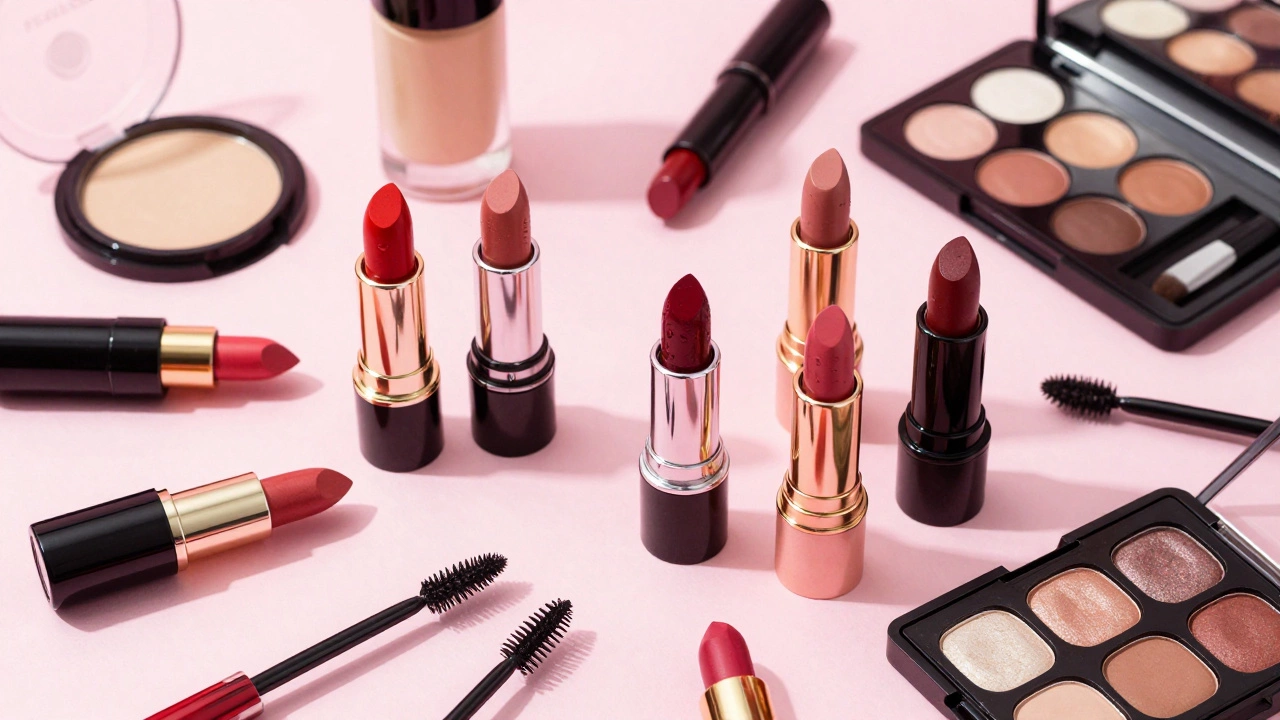
This is the category most people picture when they hear "cosmetics." Color cosmetics are designed to change how you look by adding pigment to the face, eyes, lips, and nails. These products are purely aesthetic; they do not claim to treat or cure any condition.
| Product Type | Primary Use | Key Ingredients |
|---|---|---|
| Foundation | Even out skin tone | Titanium dioxide, iron oxides, silicone |
| Mascara | Darken and thicken eyelashes | Carbon black, waxes, polymers |
| Lipstick | Add color and moisture to lips | Waxes, oils, pigments |
| Nail Polish | Color and protect nails | Resins, solvents, plasticizers |
Foundations range from liquid and cream formulas to powder sticks. The choice depends on your desired finish (matte, dewy, natural) and your skin type. Concealers are thicker versions of foundation used to hide blemishes or dark circles. Blushes and bronzers add dimension to the cheeks, mimicking a natural flush or a sun-kissed glow.
Eye makeup includes eyeshadows, eyeliners, and mascaras. Eyeshadows can be matte, shimmer, or glittery, allowing for dramatic or subtle looks. Eyeliners define the eye shape, coming in pencil, liquid, or gel forms. Mascara coats the lashes to make them appear longer and darker.
Lip products go beyond lipstick. Lip glosses provide shine and volume, while lip liners help define the lip border and prevent feathering. Lip stains offer long-lasting color that does not transfer easily, though they can be difficult to remove.
Hair Care Products
Your hair is also part of your overall appearance, making hair care products a significant subset of cosmetics. These products cleanse, condition, style, and color the hair.
Shampoos are detergents designed to remove oil and dirt from the scalp and hair. They vary by formulation: sulfate-free shampoos are gentler and better for color-treated hair, while clarifying shampoos are stronger and remove product buildup. Conditioners follow shampoo to replenish moisture and smooth the hair cuticle. Deep conditioners or hair masks are intensive treatments used less frequently.
Styling products help you shape and hold your hairstyle. Gels provide strong hold but can feel crunchy. Mousses offer volume and light hold, ideal for curly hair. Hairsprays lock styles in place. Serums and oils add shine and tame frizz by coating the hair shaft.
Hair dyes are a special case. Permanent hair dyes involve chemical reactions that alter the hair structure, so they are often regulated more strictly. Semi-permanent and temporary dyes sit on top of the hair shaft and wash out after a few shampoos, keeping them firmly in the cosmetic category.
Fragrances and Deodorants
Scent plays a huge role in personal presentation. Fragrances, including perfumes, colognes, and body mists, are pure cosmetics. They do not mask odor chemically but rather overlay a pleasant scent. Perfumes have a higher concentration of aromatic compounds (15-20%), while colognes are lighter (2-4%).
Deodorants and antiperspirants are often grouped together, but they are different. Deodorants mask body odor with fragrance and may contain antimicrobial agents to reduce bacteria. Antiperspirants, however, block sweat glands using aluminum salts. Because they alter a bodily function (sweating), antiperspirants are classified as drugs in the US, while deodorants remain cosmetics. In Europe, both are generally treated as cosmetics.
Specialty and Emerging Categories
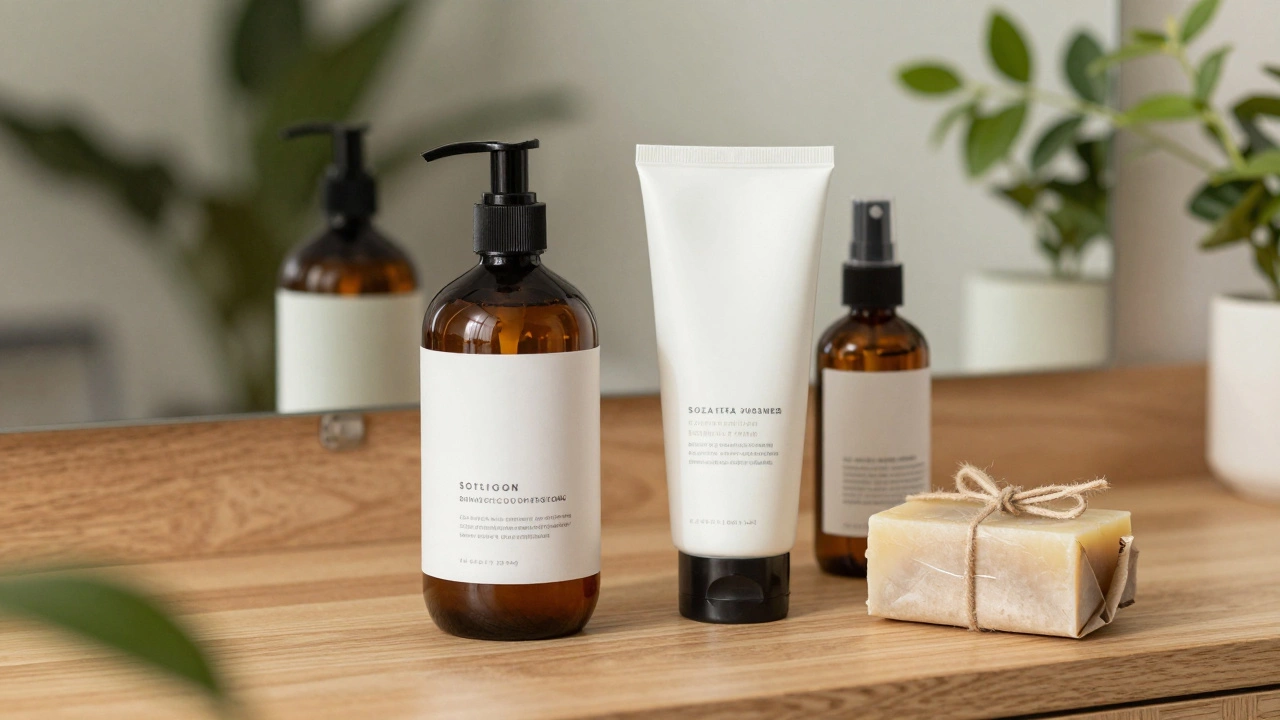
The beauty industry is always evolving, creating new categories that blur traditional lines. Here are some modern examples of cosmetic products that have become mainstream.
BB and CC Creams: These originated in Asia as multi-tasking products. BB stands for "blemish balm" or "beauty balm," offering light coverage, hydration, and sometimes SPF. CC stands for "color correcting," focusing on evening out redness or discoloration. They bridge the gap between skincare and makeup.
Primer: Applied before foundation, primers create a smooth base for makeup application. Some fill in pores, others control oil, and some add glow. They extend the wear time of makeup but do not add color themselves.
Sheet Masks: These are single-use masks soaked in serum. They provide intense hydration and nutrients to the skin for 15-20 minutes. While they offer temporary benefits, they are considered cosmetics because they do not penetrate deep enough to change skin structure permanently.
Makeup Removers: Micellar water, cleansing oils, and bi-phase removers are essential for taking off makeup. Micellar water contains micelles (tiny oil molecules) that attract dirt and makeup without needing rinsing, making it popular for sensitive skin.
How to Choose the Right Products
With so many examples of cosmetic products available, choosing the right ones can feel overwhelming. Start by identifying your skin type (oily, dry, combination, sensitive) and your goals (hydration, coverage, anti-aging).
Read ingredient lists. If you have sensitive skin, avoid products with high concentrations of alcohol, fragrances, or essential oils. For oily skin, look for "oil-free" or "non-comedogenic" labels. Always patch test new products on a small area of your arm or behind your ear before applying them to your face.
Consider sustainability. Many brands now offer refillable packaging or use recycled materials. Supporting cruelty-free brands ensures no animals were tested during production. This ethical consideration is becoming increasingly important to consumers worldwide.
Regulatory Differences Around the World
It is worth noting that the definition of "cosmetic" varies by region. In the United States, the Food and Drug Administration (FDA) regulates cosmetics under the Federal Food, Drug, and Cosmetic Act. The FDA does not approve cosmetic ingredients before they go on the market, placing the responsibility on manufacturers to ensure safety.
In the European Union, regulations are stricter. Certain ingredients are banned or restricted, and all cosmetics must undergo a safety assessment before being sold. This is why you might find products available in Europe that are not in the US, and vice versa.
New Zealand follows similar guidelines to Australia through the Therapeutic Goods Administration (TGA) and local standards. Understanding these differences helps you make informed choices, especially when shopping internationally.
Is sunscreen a cosmetic product?
In the United States, sunscreen is classified as an over-the-counter drug because it prevents sunburn and skin cancer. However, in the European Union and many other countries, it is regulated as a cosmetic. Regardless of classification, it is a crucial part of any skincare routine.
What is the difference between a cosmetic and a skincare product?
All skincare products are cosmetics, but not all cosmetics are skincare. Skincare refers specifically to products that maintain or improve the health and appearance of the skin, such as moisturizers and cleansers. Cosmetics is a broader term that includes makeup, hair care, and fragrances.
Are natural cosmetics safer than synthetic ones?
Not necessarily. "Natural" does not automatically mean safe. Poison ivy is natural, but it causes severe rashes. Synthetic ingredients are rigorously tested for safety and stability. The key is to look for reputable brands that disclose their ingredients and adhere to regulatory standards, regardless of whether they are labeled natural or synthetic.
How long do cosmetic products last?
Most cosmetic products have a Period After Opening (PAO) symbol, usually an open jar icon with a number and "M" inside (e.g., 6M means 6 months). Mascara should be replaced every 3 months due to bacterial risk. Foundations and moisturizers typically last 12 months. Always check the expiration date and discard products that change smell, color, or texture.
Can I use makeup if I have acne?
Yes, but choose non-comedogenic and oil-free products. Mineral foundations with zinc oxide can be soothing. Avoid heavy, pore-clogging creams. Always remove makeup thoroughly at night and consider using a primer to create a barrier between your skin and makeup. Consult a dermatologist if your acne is severe.