
Sunscreen Classification: How Types, SPF, and Regulations Really Work
When you pick up a bottle of sunscreen, you’re not just choosing a product—you’re selecting a sunscreen classification, a regulatory category that determines how it’s tested, labeled, and sold as either a cosmetic or a drug. Also known as solar protection product, it’s one of the few beauty items that crosses into medical territory because it’s meant to prevent real harm, not just enhance appearance. That’s why some sunscreens are regulated like medicine, while others are treated like makeup. The difference isn’t just in the price tag—it’s in the ingredients, the claims, and the law.
There are two main types of sunscreen: chemical sunscreen, which absorbs UV rays using synthetic filters like oxybenzone and avobenzone, and mineral sunscreen, which sits on top of the skin and reflects sunlight using zinc oxide or titanium dioxide. Chemical sunscreens tend to be lighter and easier to rub in, but they can irritate sensitive skin. Mineral sunscreens are often thicker and leave a white cast, but they’re less likely to cause reactions and start working the moment you apply them. The FDA has been reviewing chemical filters for years because some get absorbed into the bloodstream—even though there’s no proof they’re harmful yet. Meanwhile, mineral filters have been cleared as safe for decades.
Then there’s SPF ratings, a standardized measure of how long a sunscreen protects against UVB rays. SPF 30 blocks about 97% of UVB, SPF 50 blocks 98%. Going higher than that gives you almost no extra protection, but many brands push SPF 100 anyway because it looks better on the bottle. What most people don’t realize is that SPF doesn’t measure UVA protection—the kind that causes aging and deeper skin damage. For that, you need broad-spectrum coverage, which means the product has passed separate tests for UVA rays. In the U.S., that’s not always required by law, but in Europe and Australia, it’s mandatory. That’s why a sunscreen labeled SPF 50+ in the UK might be completely different from the same number in the U.S.
And here’s the kicker: if a product says it’s "sunscreen" and claims to prevent sunburn or skin cancer, it’s regulated as a drug. If it just says "moisturizer with SPF" and doesn’t mention protection from UV damage, it’s treated like a cosmetic. That’s why you’ll see some products labeled "SPF 30" without any mention of skin cancer prevention—they’re avoiding the drug label to skip costly testing. The cosmetic regulation, a system that governs how beauty products are labeled and tested in the U.S. and UK is looser than drug rules, and companies use that gap to market products that aren’t fully tested for real sun protection.
What you’ll find in the posts below isn’t just a list of top sunscreens. It’s a breakdown of how these classifications affect what you buy, what you’re really getting, and why some products that look like sunscreen don’t actually work like it. You’ll see how ingredient lists hide the truth, why some brands charge more for the same protection, and what the FDA and UK regulators actually require. No fluff. Just what you need to know before you slather on the next bottle.
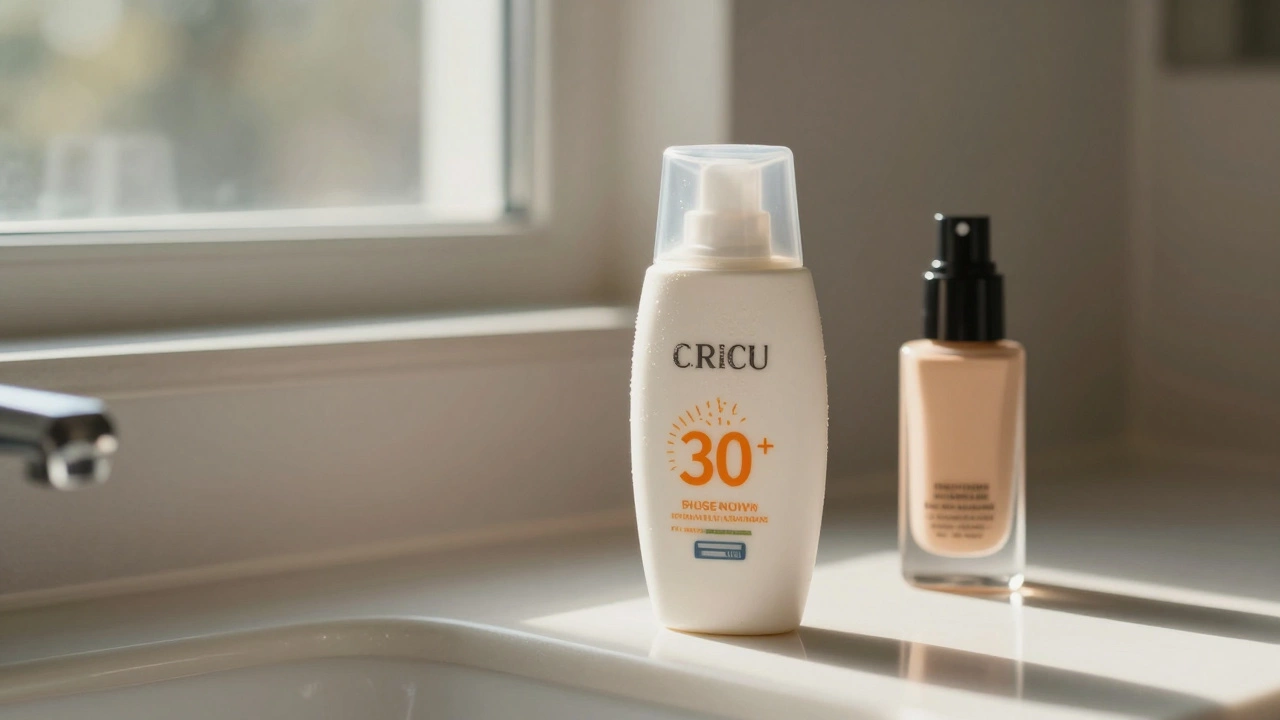
Is Sunscreen a Cosmetic? The Real Answer Behind the Label
Sunscreen isn't just a beauty product - it's a medical shield. Whether it's called a cosmetic or a drug depends on where you live, but its job is the same: protect your skin from cancer and aging. Here's what you really need to know.