
SPF: What It Is, Why It Matters, and What to Look For
When you hear SPF, Sun Protection Factor, a measure of how well a product protects skin from UVB rays. Also known as sun protection factor, it's not just a number on a bottle—it's the difference between healthy skin and premature aging, sunspots, and even skin cancer. Most people think SPF is only for summer or sunny days. But UV rays are there every single day, even when it’s cloudy or you’re inside near a window. Your skin doesn’t take a day off from damage, and neither should your protection.
Sunscreen, a topical product designed to absorb or reflect UV radiation is the most common way to deliver SPF, but not all sunscreens are the same. Some are thick and greasy, others leave a white cast. The best ones blend into your routine like a moisturizer—lightweight, non-comedogenic, and worn under makeup. And yes, tinted SPF, a cosmetic product that combines sun protection with color correction is now one of the most popular choices because it simplifies your morning: no separate foundation, no extra steps. It’s why tinted SPF is climbing to the top of best-selling beauty lists in 2025.
SPF doesn’t work alone. It teams up with your skincare, a routine of products used to maintain or improve skin health. Cleanser, serum, moisturizer, then SPF—that’s the order dermatologists recommend. Skip the SPF, and all the antioxidants and retinoids you paid for? They’re fighting a losing battle. UV exposure breaks down collagen, triggers dark spots, and worsens acne scars. It’s not a myth—it’s science. Studies show daily SPF use slows visible aging by up to 24% over four years.
And here’s the thing: SPF 30 isn’t enough if you’re not using enough of it. Most people apply only 25–50% of the amount needed to get the protection listed on the bottle. You need about a teaspoon for your face and neck. Reapply every two hours if you’re outside. If you’re indoors all day? Still reapply if you’re near windows or spend time in your car. Glass blocks UVB but not UVA—the kind that sneaks in and ages you from the inside out.
There’s no magic ingredient that replaces SPF. Not vitamin C. Not niacinamide. Not expensive serums. You can have the best skincare routine in the world, but without daily sun protection, you’re building on sand. That’s why every dermatologist-recommended routine includes it. That’s why the top-selling products in 2025 aren’t just serums or masks—they’re the ones you wear every morning without thinking.
Below, you’ll find real, no-fluff guides on what actually works: the moisturizers dermatologists swear by, why some "organic" sunscreens don’t deliver, how to pick a non-greasy formula for oily skin, and why the cheapest sunscreen might be the most dangerous. This isn’t about trends. It’s about protecting what you’ve got—and making sure your skin lasts as long as you do.
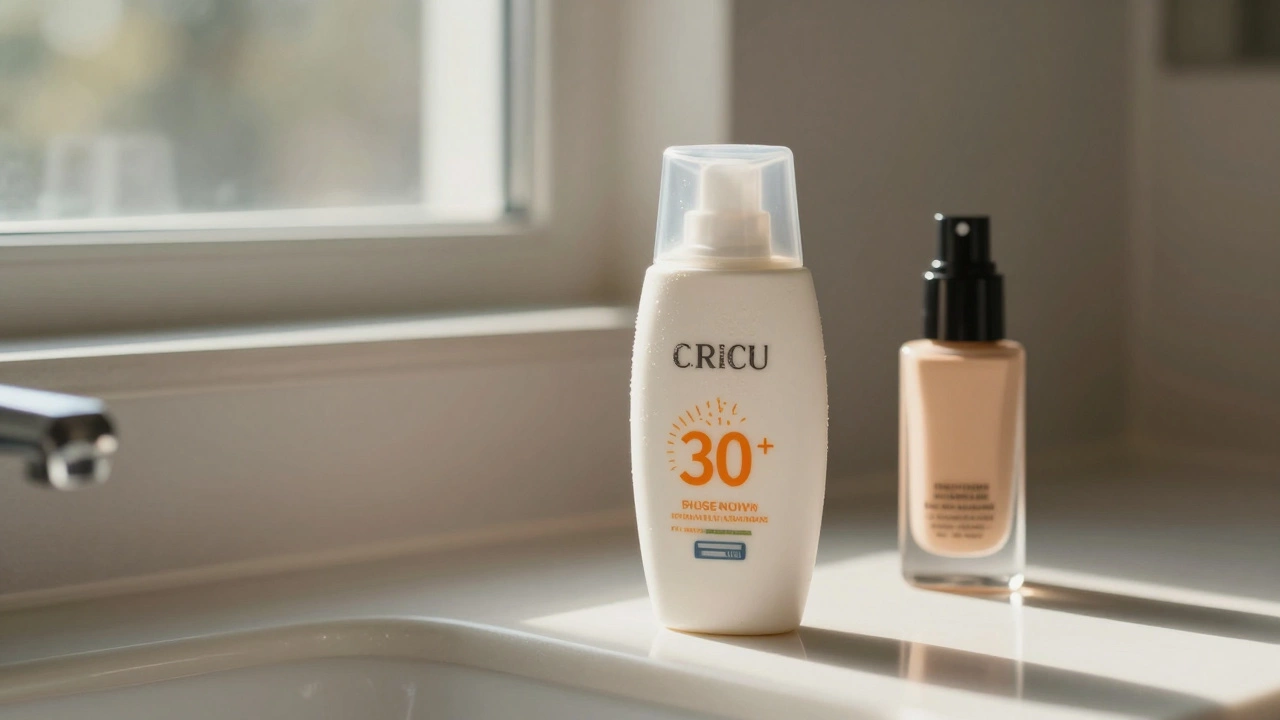
Is Sunscreen a Cosmetic? The Real Answer Behind the Label
Sunscreen isn't just a beauty product - it's a medical shield. Whether it's called a cosmetic or a drug depends on where you live, but its job is the same: protect your skin from cancer and aging. Here's what you really need to know.