
Skincare Essentials: What Really Works and What to Avoid
When it comes to skincare essentials, the basic products your skin needs daily to stay healthy, protected, and balanced. Also known as core skincare, these aren’t trends or luxury add-ons—they’re the non-negotiables backed by dermatologists and real-world results. You don’t need ten steps or a cabinet full of serums. You need clean skin, hydration, and sun protection. That’s it. Everything else is optional, and most of the time, it’s just noise.
Let’s talk about moisturizer, a product that locks in hydration and supports your skin’s natural barrier. It’s not just for dry skin. Even oily skin needs it—skip it, and your skin overproduces oil to compensate. And yes, lotion, cream, and gel are all moisturizers—they just have different textures. What matters is whether it’s free of irritants and fits your skin type. The same goes for sunscreen, the only product proven to prevent premature aging and skin cancer. It’s not a cosmetic trick. It’s medical-grade protection. Whether your country labels it a drug or a cosmetic, its job doesn’t change: block UV rays every single day, rain or shine.
Then there’s the confusion around organic skincare, products made with ingredients grown without synthetic pesticides or fertilizers. Just because something says "natural" doesn’t mean it’s organic. And "100% organic"? That’s a certified label with strict rules—like USDA or Ecocert. Most brands slap "organic" on the front to sell more, but only a few actually meet the standard. Don’t trust the label. Check the certification. Same with medical grade skincare, products formulated with higher concentrations of active ingredients and often tested under clinical conditions. These aren’t sold in drugstores—they’re recommended by dermatologists for specific concerns like acne, rosacea, or fine lines. They’re not better just because they cost more. But they’re different. And sometimes, that difference matters.
What you’ll find in the posts below isn’t a list of the "best" products. It’s a breakdown of what actually works, what’s misleading, and what you can skip without guilt. You’ll learn why BoxyCharm disappeared, why Eminence costs what it does, and why your first IPSY bag might be the most honest skincare experience you’ve had. We’ll clear up the organic vs. natural mess, explain why sunscreen isn’t optional, and show you the real difference between a moisturizer and a serum. No fluff. No gimmicks. Just the facts you need to stop wasting time and money on products that don’t deliver.
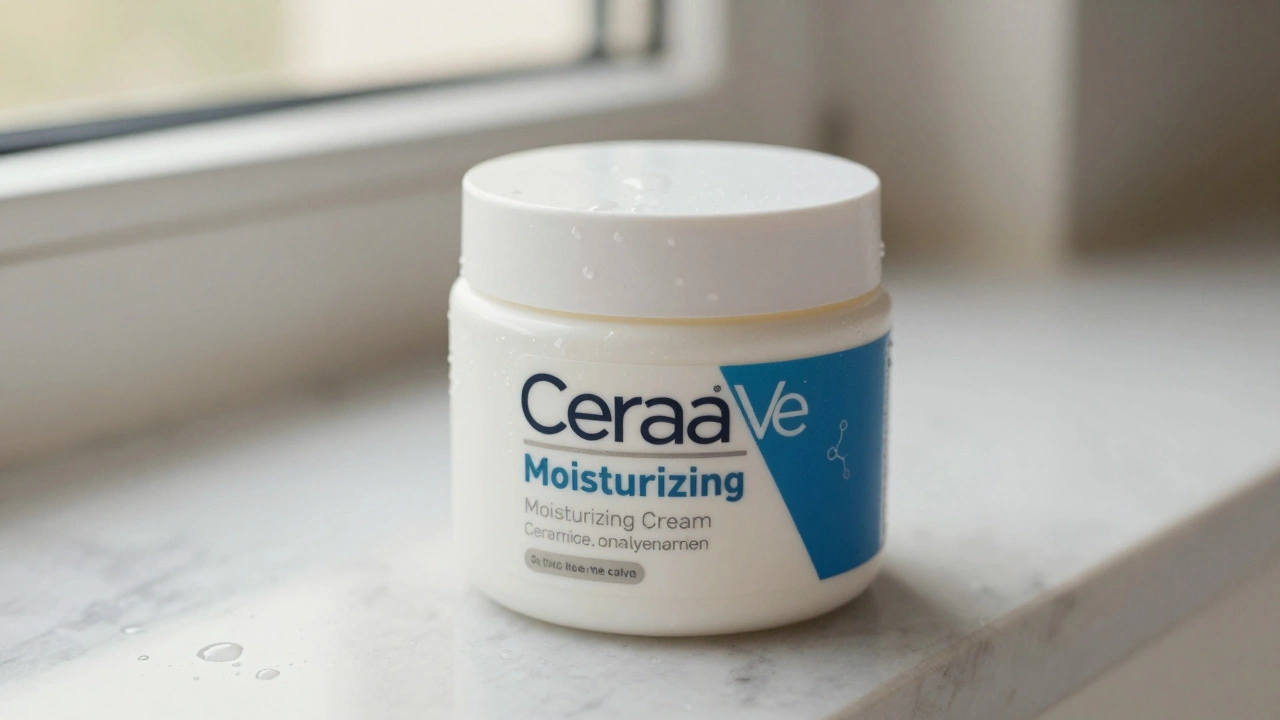
What Is the Number One Moisturizer Recommended by Dermatologists?
CeraVe Moisturizing Cream is the number one moisturizer recommended by dermatologists for its ceramide-rich formula that repairs skin barriers. It works for dry, sensitive, and acne-prone skin-and costs less than most organic brands.