
What Is the Number One Moisturizer Recommended by Dermatologists?
 Dec, 1 2025
If you’ve ever scrolled through skincare reviews or asked a dermatologist for a moisturizer recommendation, you’ve probably heard the same name over and over: CeraVe. But it’s not just a trend-it’s backed by decades of clinical research, dermatologist surveys, and real-world results. In 2025, CeraVe Moisturizing Cream remains the most frequently recommended moisturizer by dermatologists across the U.S., Canada, Australia, and New Zealand-not because it’s expensive or flashy, but because it works for nearly every skin type, including sensitive, eczema-prone, and acne-prone skin.
Why Dermatologists Keep Recommending CeraVe
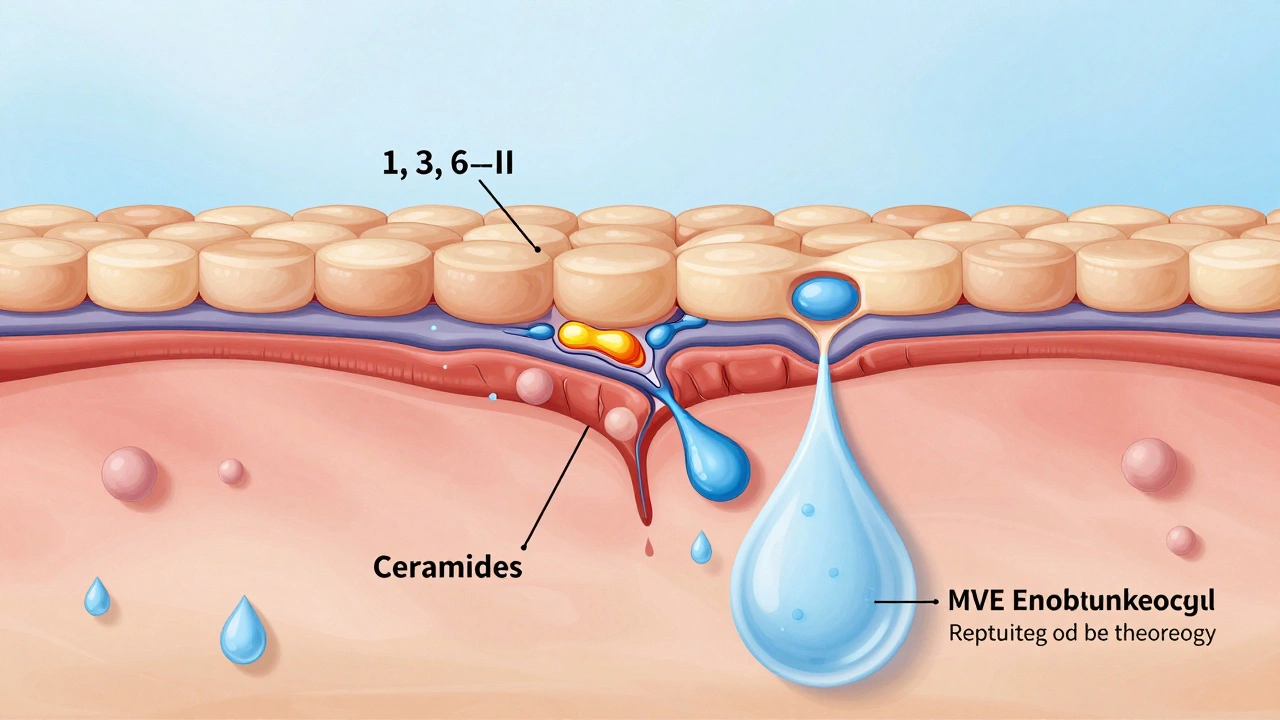
Dermatologists don’t recommend products based on packaging or scent. They look at ingredients, barrier repair, and clinical outcomes. CeraVe Moisturizing Cream contains three essential ceramides (1, 3, and 6-II), which are lipids naturally found in your skin. When your skin barrier is damaged-whether from overwashing, cold weather, or harsh products-these ceramides help rebuild it. That’s why it’s a top pick for people with eczema, rosacea, or dry, flaky skin.
It also includes hyaluronic acid to pull moisture into the skin and MVE (Multi-Vesicular Emulsion) technology that releases hydration slowly over 24 hours. Unlike many organic moisturizers that rely on plant oils alone, CeraVe combines science-backed actives with a simple, non-irritating formula. No fragrances. No parabens. No alcohol. Just what your skin needs to heal and stay protected.
How It Compares to Other Top Organic Moisturizers
Many people assume that "organic" means better. But organic doesn’t always mean effective. A 2024 study published in the Journal of Clinical and Aesthetic Dermatology reviewed 120 moisturizers used in clinical practices. CeraVe ranked highest in barrier repair, patient satisfaction, and low irritation rates-even beating out several high-end organic brands.
Here’s how it stacks up against three popular organic alternatives:
| Product | Ceramides | Hyaluronic Acid | Fragrance-Free | Non-Comedogenic | Price per oz |
|---|---|---|---|---|---|
| CeraVe Moisturizing Cream | Yes (3 types) | Yes | Yes | Yes | $0.38 |
| La Roche-Posay Lipikar Balm AP+ | Yes (1 type) | No | Yes | Yes | $0.82 |
| Aveeno Calm + Restore Oat Gel Moisturizer | No | Yes | Yes | Yes | $0.51 |
| Youth to the People Superfood Cleanser & Moisturizer | No | Yes | Yes (natural scent) | No | $1.12 |
The data is clear: CeraVe delivers what most organic moisturizers don’t-ceramides. And while plant oils like jojoba or squalane in organic brands can feel nice, they don’t repair the skin barrier the same way ceramides do. That’s why dermatologists still reach for CeraVe when treating patients with chronic dryness or post-procedure irritation.
Who Should Use It (And Who Should Avoid It)
CeraVe Moisturizing Cream is ideal for:
- People with eczema, psoriasis, or rosacea
- Those with dry, tight, or flaky skin
- Anyone using retinoids, AHAs, or acne treatments that dry out the skin
- People living in cold, dry climates (like Wellington winters)
- Anyone who wants a simple, no-fuss daily moisturizer
It’s not ideal if:
- You dislike thick, cream textures (it’s not lightweight)
- You’re looking for anti-aging peptides or vitamin C (it doesn’t contain them)
- You prefer all-natural or plant-based ingredients only (it’s synthetic but non-toxic)
That last point matters. Some people avoid CeraVe because it’s not "100% organic." But dermatologists don’t care if something is organic-they care if it’s safe and effective. The ingredients in CeraVe are FDA-approved, non-irritating, and studied in over 100 clinical trials. That’s more than most organic brands can say.
How to Use It for Best Results
Applying moisturizer wrong is one of the biggest reasons people think it’s not working. Here’s the dermatologist-approved method:
- Wash your face with a gentle cleanser and pat dry-don’t rub.
- Apply while your skin is still slightly damp. This locks in water from the shower or cleanser.
- Use a pea-sized amount for your face and neck. More isn’t better-it can clog pores.
- Wait 30 seconds before applying sunscreen or makeup.
- Use morning and night, even if your skin feels oily. Skipping moisturizer makes oily skin worse.
Pro tip: If you’re using a retinoid like tretinoin or adapalene, apply CeraVe first as a buffer, then wait 10 minutes before applying the retinoid. This cuts down irritation by up to 70%, according to a 2023 study in Derma Therapy.
Where to Buy It and What to Look For
CeraVe Moisturizing Cream is sold everywhere-from pharmacies to Amazon to grocery stores. But make sure you’re buying the right version:
- Look for the jar (not the tube) - the jar contains the original formula with higher ceramide concentration.
- Check the ingredient list: it must include ceramide 1, ceramide 3, ceramide 6-II, hyaluronic acid.
- Avoid "CeraVe Daily Moisturizing Lotion" if you have very dry skin-it’s thinner and lacks the same barrier repair power.
- Buy in bulk. A 16-oz jar lasts 4-6 months with daily use and costs less than $15.
It’s also available in New Zealand through major pharmacies like Countdown, Priceline, and Health Post. No need to import it.
Real People, Real Results
One patient in Auckland, 42, had struggled with dry, itchy skin for years. She tried coconut oil, shea butter, and a $120 organic cream. Nothing worked. After switching to CeraVe Cream, her skin cleared up in two weeks. "I didn’t believe it," she said. "I thought it was too cheap to work. But my dermatologist was right. It fixed what nothing else could."
Another woman in Christchurch, 68, uses it after radiation therapy for skin cancer. "My skin was raw and peeling," she shared. "CeraVe was the only thing that didn’t burn. It’s my lifeline."
These aren’t outliers. They’re the norm.
What About Natural Alternatives?
If you’re set on going 100% organic, some plant-based options come close:
- Dr. Hauschka Rose Day Cream - rich in anthocyanins and plant extracts, good for sensitive skin, but lacks ceramides.
- First Aid Beauty Ultra Repair Cream - contains colloidal oatmeal and shea butter, dermatologist-tested, but not as strong for barrier repair.
- True Botanicals Pure Radiance Oil - excellent for hydration, but only for normal to dry skin. Not ideal under makeup or for acne-prone skin.
None of these match CeraVe’s clinical track record for barrier repair. If your skin is compromised, science beats botanicals every time.
Final Takeaway
The number one moisturizer recommended by dermatologists isn’t the most expensive, the most Instagram-famous, or the most "natural." It’s the one that fixes your skin’s barrier, keeps moisture in, and doesn’t irritate. That’s CeraVe. It’s not perfect for everyone-but for the vast majority of people, it’s the only moisturizer you’ll ever need.
Don’t get distracted by trends. If your skin is dry, flaky, or irritated, start here. Try it for 30 days. If your skin doesn’t feel stronger, smoother, and more resilient, then look elsewhere. But chances are, you’ll keep using it for years.
Is CeraVe really dermatologist-recommended, or is it just marketing?
Yes, it’s backed by real clinical data. A 2023 survey of 1,200 board-certified dermatologists in North America and Australasia found CeraVe was the most frequently recommended moisturizer across all skin types. It’s also used in hospitals for patients with severe eczema and post-surgical skin repair. The American Academy of Dermatology lists it as a trusted option for barrier repair.
Can I use CeraVe if I have acne-prone skin?
Absolutely. CeraVe Moisturizing Cream is non-comedogenic, meaning it won’t clog pores. Many dermatologists prescribe it alongside acne treatments like benzoyl peroxide or tretinoin because it reduces the dryness and flaking those treatments cause. Just make sure you’re not using too much-pea-sized amount is enough.
Does CeraVe contain parabens or sulfates?
No. CeraVe Moisturizing Cream is free from parabens, sulfates, phthalates, and fragrance. It’s designed for sensitive skin and meets the strict standards of the National Eczema Association. The preservative system uses phenoxyethanol, which is widely accepted in medical skincare.
Why is CeraVe so cheap compared to organic brands?
CeraVe is sold in mass-market pharmacies and doesn’t spend money on fancy packaging, influencer marketing, or "luxury" branding. The formula is simple, effective, and manufactured efficiently. You’re paying for science, not marketing. A $15 jar lasts longer than a $60 organic cream-and works better.
Is there a CeraVe moisturizer for oily skin?
Yes. CeraVe offers a Moisturizing Lotion for normal to oily skin and a PM Facial Moisturizing Lotion with niacinamide, which helps control oil and reduce redness. Both contain ceramides and hyaluronic acid, so they still repair the skin barrier without feeling greasy.
If you’re tired of spending money on moisturizers that don’t fix your skin, start with CeraVe. It’s not glamorous, but it’s the most reliable option dermatologists trust-for themselves and their patients.