
Organic Moisturizer: What It Really Is and How to Choose One That Works
When you see organic moisturizer, a skin hydrating product made with ingredients grown without synthetic pesticides or GMOs. Also known as natural moisturizer, it’s marketed as cleaner, safer, and kinder to your skin and the planet. But here’s the truth: not all "organic" moisturizers are created equal. Some brands slap the word on packaging just to charge more. The real difference lies in certifications, ingredient lists, and how those ingredients are processed.
The organic skincare, cosmetic products formulated with ingredients certified by recognized bodies like USDA or COSMOS must meet strict standards. That means no synthetic fragrances, parabens, or petroleum-based fillers. But here’s what most people miss: a product can say "contains organic ingredients" and still be 5% organic. True organic moisturizer, a product where at least 95% of its ingredients are certified organic is rare—and expensive for a reason. Brands like Eminence Organic Skincare pay more because they use high-concentration botanicals, hand-batch production, and sustainable packaging. No shortcuts. No cheap carriers.
And don’t confuse "organic" with "natural." natural moisturizer, a product made from ingredients derived from plants, minerals, or animals without synthetic additives doesn’t mean it’s organic. A plant extract can be wild-harvested and sprayed with chemicals. Only certified organic guarantees how it was grown and processed. That’s why you’ll see terms like "USDA Organic" or "COSMOS Certified" on the label—those are your real indicators.
Regulation plays a big role too. In the U.S., the FDA doesn’t define "organic" for cosmetics. That’s left to the USDA, which only governs food and agricultural products. So when a moisturizer says "organic," it’s often following voluntary standards. In the EU, COSMOS sets clearer rules. This means a product labeled organic in one country might not qualify in another. Always check the ingredient list. If water is the first ingredient, you’re mostly paying for water and marketing.
What you want in a real organic moisturizer? Simple. Plant oils like jojoba, shea butter, or rosehip. Botanical extracts like aloe or calendula. No parabens, no phthalates, no synthetic dyes. And if it smells like a perfume counter? That’s not organic—that’s fragrance masking. True organic moisturizers often smell earthy, faint, or barely there.
And here’s something most guides won’t tell you: your skin doesn’t care if it’s organic. It cares if it works. A good organic moisturizer hydrates, strengthens your barrier, and doesn’t irritate. That’s why some dermatologists recommend medical-grade products over organic ones—because they’re formulated with proven concentrations of actives. But if you want to avoid toxins, support sustainable farming, and reduce plastic waste, organic moisturizer is your best bet.
Below, you’ll find real breakdowns of what organic really means, how to spot greenwashing, why some brands charge so much, and what products actually deliver on their promises. No fluff. Just what works.
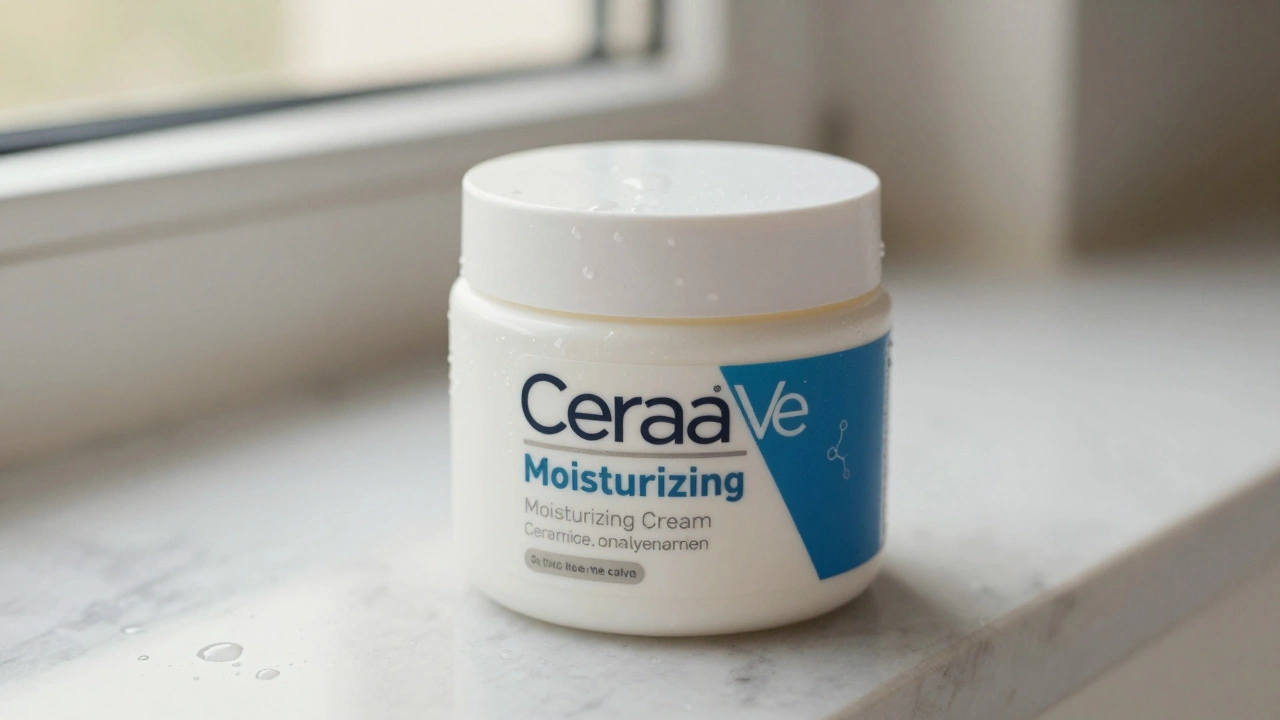
What Is the Number One Moisturizer Recommended by Dermatologists?
CeraVe Moisturizing Cream is the number one moisturizer recommended by dermatologists for its ceramide-rich formula that repairs skin barriers. It works for dry, sensitive, and acne-prone skin-and costs less than most organic brands.