
Luxury Toiletries: What Makes Them Worth the Price?
When you see a bottle labeled luxury toiletries, high-end personal care products designed with premium ingredients, sustainable packaging, and refined formulations. Also known as premium skincare, these items sit at the intersection of performance, ethics, and experience. But here’s the real question: are they just expensive branding, or do they actually do more for your skin than what you’d find at the drugstore?
The answer isn’t simple. organic skincare, products made with certified natural ingredients, free from synthetic fillers and harsh chemicals often overlaps with luxury toiletries—but not always. Brands like Eminence Organic Skincare charge more because they use small-batch, handcrafted formulas with high concentrations of botanical actives, not because of a fancy logo. Meanwhile, some luxury brands use the word "organic" as a marketing buzzword without proper certification. That’s why understanding labels matters. The difference between "organic" and "100% organic" isn’t just semantics—it’s about what’s actually in the bottle, and whether it’s been verified by USDA or similar bodies.
It’s not just about what’s inside, either. cosmetic regulations, the legal framework that defines what can be called a cosmetic versus a drug, depending on claims made vary by country. In the U.S., the FDA doesn’t approve cosmetics before they hit shelves—so a $200 cream could legally contain anything that doesn’t make a medical claim. That’s why transparency is rare. Luxury brands that earn trust often publish full ingredient lists, disclose sourcing, and avoid greenwashing. They don’t just say "natural"—they prove it.
And then there’s the experience. Luxury toiletries often come in refillable packaging, use fragrance derived from essential oils instead of synthetic perfumes, and are designed for ritual—not just function. That’s why people pay more. It’s not just about hydration or cleansing. It’s about how the product feels in your hand, how it smells, how it makes you feel when you use it. That emotional value is real, even if it doesn’t show up on a lab report.
But here’s the thing: you don’t need to spend hundreds to get good results. CeraVe Moisturizing Cream, a dermatologist-recommended option, costs less than most luxury brands and repairs skin barriers just as well. Meanwhile, the rise of refillable packaging and clean beauty subscription boxes shows consumers are demanding better—without paying for hype. So when you’re choosing luxury toiletries, ask: Is the price justified by ingredients, ethics, and results—or just by the label?
Below, you’ll find real breakdowns of what’s actually in premium skincare, why some brands disappear overnight, how to spot true organic claims, and whether the most expensive product is ever really the best one for your skin.
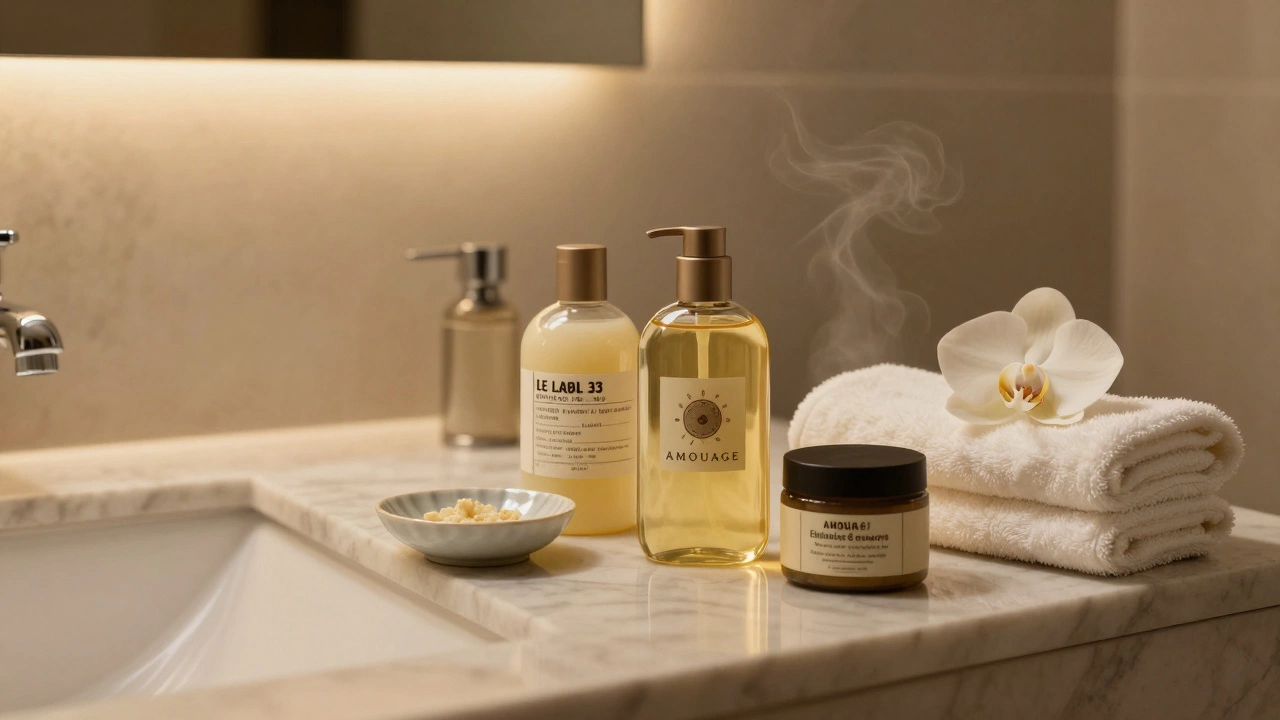
What Are the Top Toiletries Brands in 2025?
Discover the top toiletries brands in 2025 that actually work-luxury picks, drugstore heroes, and travel essentials. No fluff, just real products that clean, care, and last.