
Hydrating Face Cream: What Works, What Doesn’t, and What to Look For
When you buy a hydrating face cream, a skincare product designed to restore and lock in moisture to keep skin soft, smooth, and protected. Also known as a moisturizer, it’s not just a luxury—it’s the foundation of every healthy skin routine. Too many people think any cream with "hyaluronic acid" or "collagen" in the name will fix dry skin. But that’s not how it works. The real job of a hydrating face cream isn’t to add water—it’s to hold onto the water your skin already has, and shield it from losing more.
A good moisturizer, a topical product that prevents water loss and supports the skin’s natural barrier. Also known as a skin barrier repair cream, it needs three things: humectants to pull in moisture, emollients to smooth the surface, and occlusives to seal it all in. Think glycerin, squalane, and ceramides—not just fancy fragrances or glittery ingredients that look pretty in the bottle but do nothing for your skin. The skin barrier, the outermost layer of skin that protects against moisture loss and environmental damage. Also known as the stratum corneum, it’s what breaks down when you use harsh cleansers, over-exfoliate, or skip moisturizer altogether. And once it’s damaged, even the most expensive cream won’t fix it unless you stop the damage first.
You don’t need five steps before your moisturizer. You don’t need to layer serums, essences, and oils just to make your skin "ready." If your skin feels tight, flaky, or red after washing, your moisturizer isn’t the problem—it’s what you’re using before it. A hydrating face cream works best when it’s the last step, not the fifth. And if you’re using it only at night, you’re missing half the battle. Sun exposure, wind, and even indoor heating dry your skin all day long. That’s why dermatologists say morning moisturizer isn’t optional—it’s non-negotiable.
There’s no magic ingredient that turns dry skin into glowing skin overnight. But there are clear signs you’re using the right one: your skin feels soft, not greasy. It doesn’t peel when you apply makeup. It doesn’t tighten after washing. And if you’ve tried a few creams and none worked, it’s not you—it’s the formula. Some creams are just water with a thickener and a scent. They feel nice at first, then leave your skin worse. Look for products with fewer than 10 key ingredients. Skip anything with alcohol, synthetic fragrance, or parabens if your skin is sensitive. The best ones are simple, clinical, and quiet.
What you’ll find below isn’t a list of the top 10 creams. It’s a collection of real stories, real tests, and real science behind what actually keeps skin hydrated—whether you’re 22 or 52, whether you live in a dry city or a humid one, whether you wear makeup every day or none at all. These posts cut through the noise. They tell you why some creams cost $80 and still fail, why drugstore options sometimes outperform luxury brands, and how to tell if your cream is helping—or just hiding the problem.
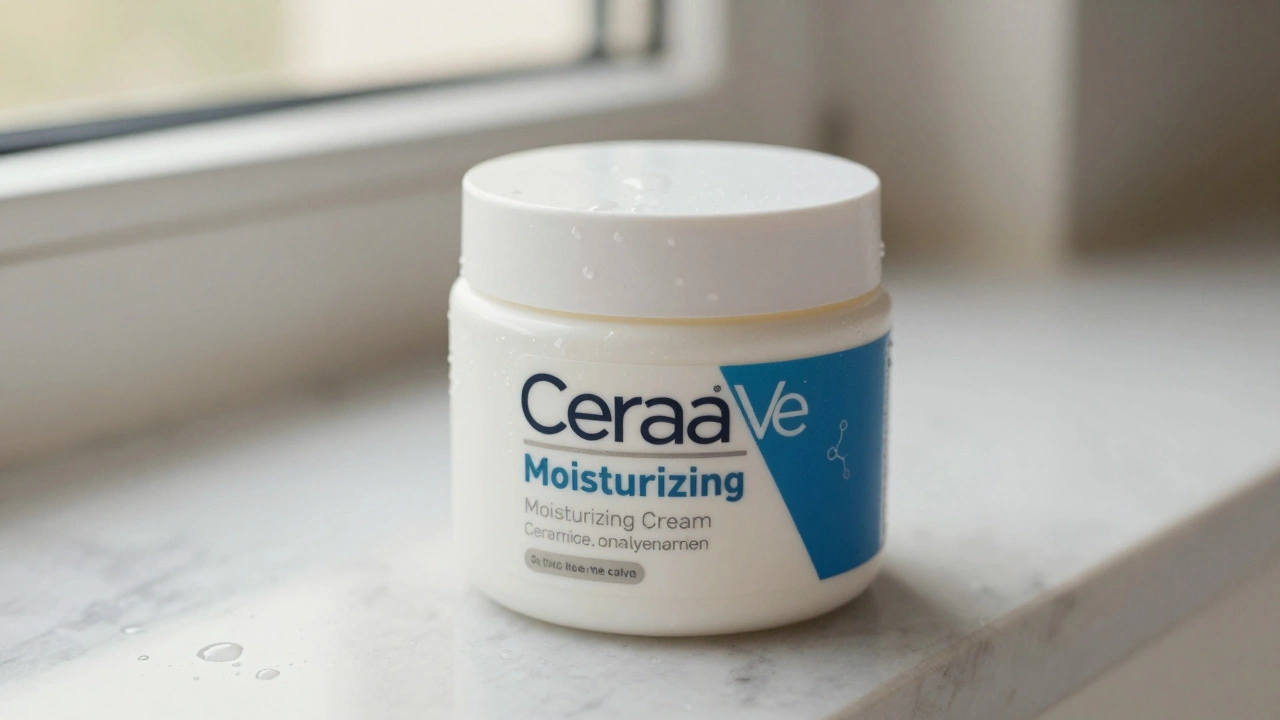
What Is the Number One Moisturizer Recommended by Dermatologists?
CeraVe Moisturizing Cream is the number one moisturizer recommended by dermatologists for its ceramide-rich formula that repairs skin barriers. It works for dry, sensitive, and acne-prone skin-and costs less than most organic brands.