
Everyday Toiletries: What You Really Need and What’s Just Noise
When we talk about everyday toiletries, the basic personal care items used daily for hygiene and skin care. Also known as daily beauty essentials, it includes everything from shampoo to sunscreen—products you grab without thinking, but that quietly shape your skin’s health over years. Most people assume these are simple, harmless items. But the truth? The line between a useful product and a marketing gimmick is thinner than you think.
Take moisturizer, a product applied to hydrate and protect the skin. Also known as face cream, it’s labeled as a cosmetic in most places, but that doesn’t mean it’s harmless or optional. In fact, the right one repairs your skin barrier, prevents irritation, and even slows visible aging. Dermatologists don’t recommend luxury brands—they recommend CeraVe because it’s simple, effective, and costs less than your morning coffee. Yet, most people still chase ‘organic’ labels that mean nothing without certification.
Then there’s the world of beauty subscription boxes, monthly services that deliver curated skincare and makeup samples or full-size products. Also known as beauty boxes, they promise discovery, but many collapse without warning—like BoxyCharm—and leave you charged for nothing. These boxes aren’t magic. They’re a business model built on impulse, and the products inside? Often overpriced, under-tested, or just plain unnecessary for your routine.
Here’s what you actually need in your everyday toiletries: something that cleans, something that protects, and something that doesn’t irritate. Shampoo? Yes. It’s the most bought hair product globally. Sunscreen? Absolutely. It’s not a cosmetic—it’s a shield against skin cancer. A simple moisturizer? Essential. You don’t need ten steps, five serums, or a $200 cream. You need consistency. And you need to know what’s regulated and what’s not. Organic skincare sounds noble, but unless it’s USDA certified, ‘organic’ on the bottle is just a word. Same goes for ‘natural’—it’s not a legal term. And candles? They’re not cosmetics unless they claim to heal skin.
The beauty industry thrives on confusion. It sells you the idea that more is better, that expensive means effective, that trends replace science. But your skin doesn’t care about influencers or limited-edition launches. It cares about ceramides, SPF, and clean ingredients. The posts below cut through the noise. You’ll find out why your moisturizer might be a cosmetic by law but a medical tool in practice. Why your first IPSY bag might be worth $60 but your third isn’t. Why shampoo outsells every other hair product combined. And why ‘organic’ doesn’t mean what you think it does.
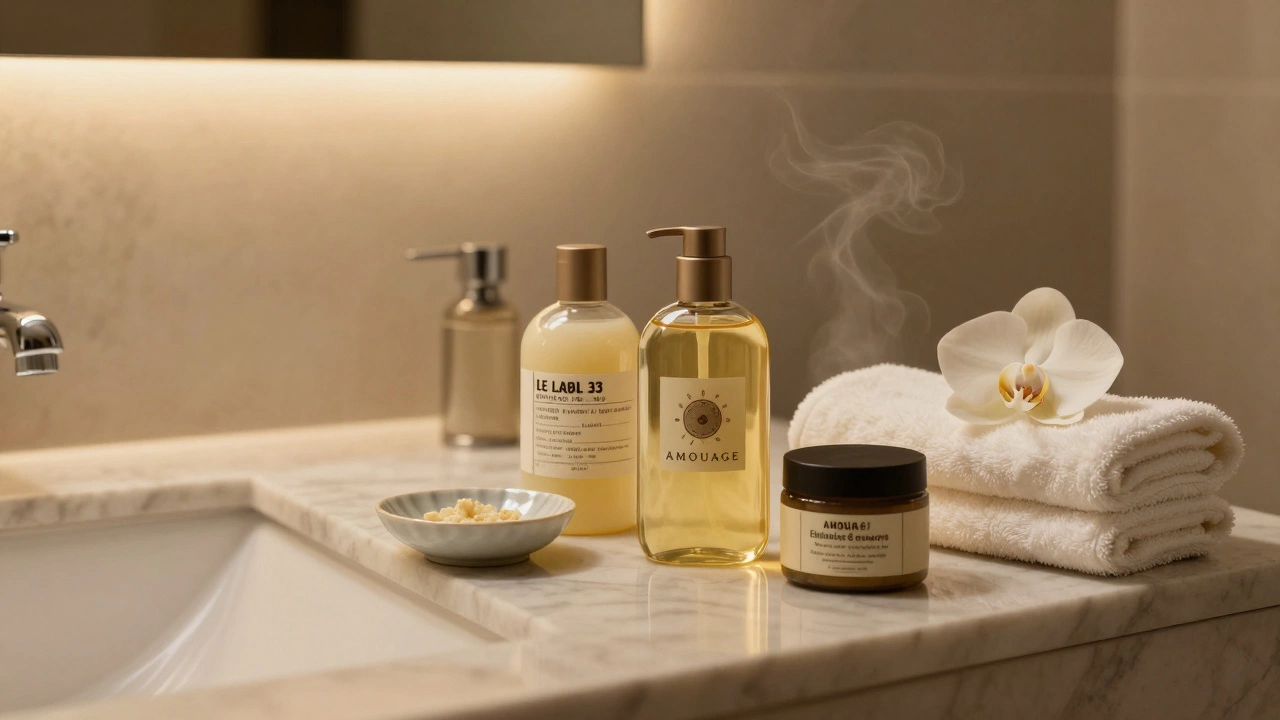
What Are the Top Toiletries Brands in 2025?
Discover the top toiletries brands in 2025 that actually work-luxury picks, drugstore heroes, and travel essentials. No fluff, just real products that clean, care, and last.