
Dermatologist Recommended Moisturizer: What Works and Why
When a dermatologist recommended moisturizer, a skincare product clinically tested and endorsed by skin specialists for safety and efficacy. Also known as medical-grade moisturizer, it’s not just about hydration—it’s about repairing your skin’s barrier, calming inflammation, and preventing long-term damage. This isn’t the same as the stuff you grab off the drugstore shelf because it smells nice. Dermatologists don’t recommend products based on packaging or celebrity endorsements. They pick what actually heals, protects, and lasts.
A skin barrier, the outermost layer of skin that locks in moisture and blocks irritants is the foundation of healthy skin. If it’s broken, no amount of fancy serum will fix it. That’s why dermatologists prioritize moisturizers with ceramides, hyaluronic acid, and fatty acids—ingredients proven to rebuild this barrier. You’ll find these in products like CeraVe, Vanicream, and La Roche-Posay, which show up again and again in clinical studies and dermatologist surveys. These aren’t trendy names—they’re staples because they work, day after day.
Then there’s the difference between medical grade skincare, products formulated with higher concentrations of active ingredients and tested under clinical conditions and regular cosmetics. A dermatologist recommended moisturizer often falls into this category. It doesn’t just sit on top of your skin—it integrates with it. These formulas avoid alcohol, fragrance, and parabens, which can irritate sensitive skin or trigger conditions like eczema and rosacea. That’s why they’re the go-to for people who’ve tried everything and still have redness, flaking, or tightness after washing.
And it’s not just about what’s in the bottle—it’s about what’s not. Dermatologists know that more ingredients don’t mean better results. In fact, the opposite is true. Overloaded formulas with 20 different extracts can do more harm than good. The best moisturizers are simple: a few key actives, no hidden irritants, and clinical backing. You’ll see this pattern in the posts below—people asking why their moisturizer stings, why their skin feels worse after using a "natural" product, or why their acne flares up even with daily hydration. The answers all circle back to the same truth: your skin doesn’t need noise. It needs precision.
What you’ll find here isn’t a list of top 10 creams. It’s real talk from people who’ve been there—those who switched to a dermatologist recommended moisturizer after years of trial and error, and finally saw their skin calm down. You’ll learn why some "organic" brands fail where clinical ones succeed, how to tell if your moisturizer is actually working, and why sunscreen isn’t optional even when you’re using the best hydrator on the market. This isn’t about luxury. It’s about function. And if your skin’s been screaming for help, it’s time to listen.
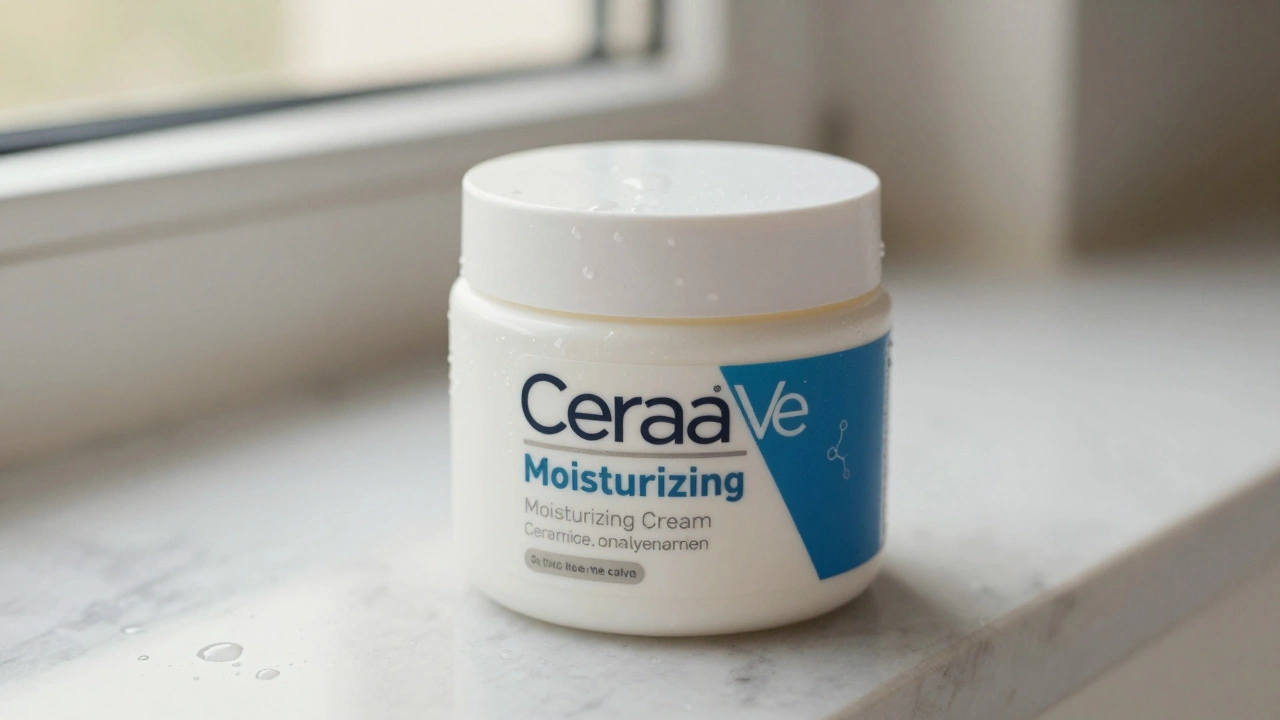
What Is the Number One Moisturizer Recommended by Dermatologists?
CeraVe Moisturizing Cream is the number one moisturizer recommended by dermatologists for its ceramide-rich formula that repairs skin barriers. It works for dry, sensitive, and acne-prone skin-and costs less than most organic brands.