
Best Moisturizer for Skin: What Actually Works and Why It Matters
When you hear best moisturizer for skin, a product designed to lock in hydration and protect the skin barrier. Also known as skin hydrator, it’s not just a luxury—it’s a non-negotiable step in any real skincare routine. It doesn’t matter if you have oily, dry, sensitive, or acne-prone skin—your skin needs moisture to function properly. Skip it, and you’re not just risking flakiness or tightness—you’re weakening your skin’s natural defense system. That’s why dermatologists and makeup artists alike treat moisturizer like a foundation: if it’s weak, everything else falls apart.
The moisturizer cosmetic, a skincare product regulated as a cosmetic unless it makes medical claims. Also known as skin hydrating cream, it’s legally defined by what it doesn’t do—like treating disease—rather than what it does. But that doesn’t mean all moisturizers are the same. Some are packed with ceramides and hyaluronic acid to rebuild your barrier. Others are loaded with fragrances and alcohols that strip moisture. The difference isn’t just in price—it’s in how your skin responds after weeks of use. And it’s not just about slathering something on your face. The skincare routine, a sequence of products applied in a specific order to achieve healthy skin. Also known as daily skin regimen, it’s built around cleansing, treating, hydrating, and protecting. Moisturizer sits right after treatment serums and before sunscreen. Get the order wrong, and your moisturizer won’t absorb properly. Get the formula wrong, and it might clog pores or cause irritation. That’s why so many people are confused. They buy the most expensive jar they see, or the one with the prettiest packaging, and wonder why their skin still feels tight by noon.
What you need depends on your skin type, your climate, and even your age. Between 30 and 40, collagen drops fast—your skin needs heavier emollients. In your 20s, a lightweight gel might be enough. If you’re in a dry city, you’ll need more occlusives like squalane or shea butter. If you’re in a humid one, water-based formulas work better. And if you’re using retinoids or acids? You absolutely cannot skip a moisturizer—it’s the buffer that keeps your skin from flaking or burning.
There’s no single best moisturizer for skin that works for everyone. But there are clear signs of a good one: it absorbs without greasiness, doesn’t trigger breakouts, and leaves your skin feeling calm and plump—not just shiny. Look for ingredients like niacinamide, glycerin, and ceramides. Avoid alcohol denat, synthetic fragrances, and unnecessary dyes. The best moisturizers don’t scream for attention—they just work quietly, day after day.
What you’ll find below are real, no-fluff reviews and breakdowns of what actually makes moisturizers work—or fail. From the science behind hydration to how regulatory labels can trick you, these posts cut through the noise. You’ll learn what to look for in a bottle, why some "natural" brands are overpriced gimmicks, and how to pick a moisturizer that fits your life—not just your Instagram feed.
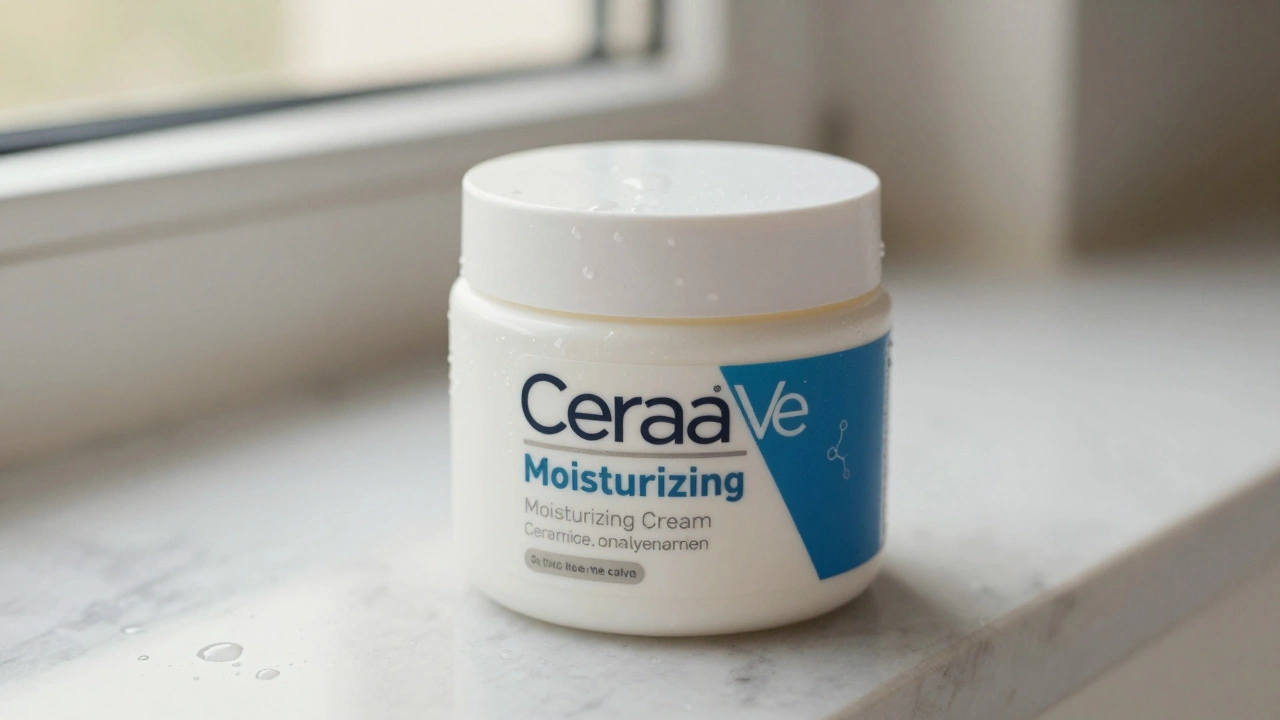
What Is the Number One Moisturizer Recommended by Dermatologists?
CeraVe Moisturizing Cream is the number one moisturizer recommended by dermatologists for its ceramide-rich formula that repairs skin barriers. It works for dry, sensitive, and acne-prone skin-and costs less than most organic brands.