
100% Organic Skincare: What It Really Means and What to Look For
When you see 100% organic, a term used to describe skincare products made entirely from ingredients grown without synthetic pesticides, fertilizers, or genetically modified organisms. Also known as certified organic, it’s not just a marketing buzzword—it’s a legal standard in some countries, but often just a claim in others. Many brands slap "organic" on their bottles, but that doesn’t mean every ingredient inside meets real organic standards. In fact, the FDA doesn’t define "organic" for cosmetics, so the only way to know you’re getting true 100% organic is to look for third-party certification labels like USDA Organic, Ecocert, or COSMOS.
That’s where organic certification, a verified process that audits farming practices, ingredient sourcing, and manufacturing to ensure no synthetic additives are used becomes critical. Brands like Eminence Organic Skincare invest in these certifications because they use high concentrations of botanicals and avoid fillers, which drives up cost but also quality. Meanwhile, natural skincare, a term with no legal definition, often includes plant-derived ingredients but can still contain parabens, sulfates, or synthetic fragrances. The difference? Natural can mean anything. Organic means something specific.
And here’s the catch: even if a product says "100% organic," it might only mean 100% of the plant-based ingredients are organic. Water, salt, or minerals—common in creams and serums—don’t count. That’s why you need to check the ingredient list and the certification logo. A product with 95% organic ingredients can still be labeled "organic" under USDA rules. Only products with 100% organic ingredients (excluding water and salt) can say "100% organic" on the front. That’s rare, and it’s worth paying attention to.
What you’re really looking for is transparency. Brands that earn true 100% organic status don’t hide their sourcing. They list where their aloe, jojoba, or chamomile comes from. They use glass jars instead of plastic to reduce environmental impact. They avoid preservatives like phenoxyethanol that aren’t allowed under strict organic standards. And they don’t rely on synthetic fragrances to make their products smell "natural."
If you’re trying to avoid toxins, reduce your environmental footprint, or simply want cleaner skin, understanding what 100% organic actually means is the first step. It’s not about paying more for a pretty label—it’s about knowing what’s on your skin and why it matters. Below, you’ll find real breakdowns of brands, certifications, and common myths that help you cut through the noise and choose products that actually deliver what they promise.
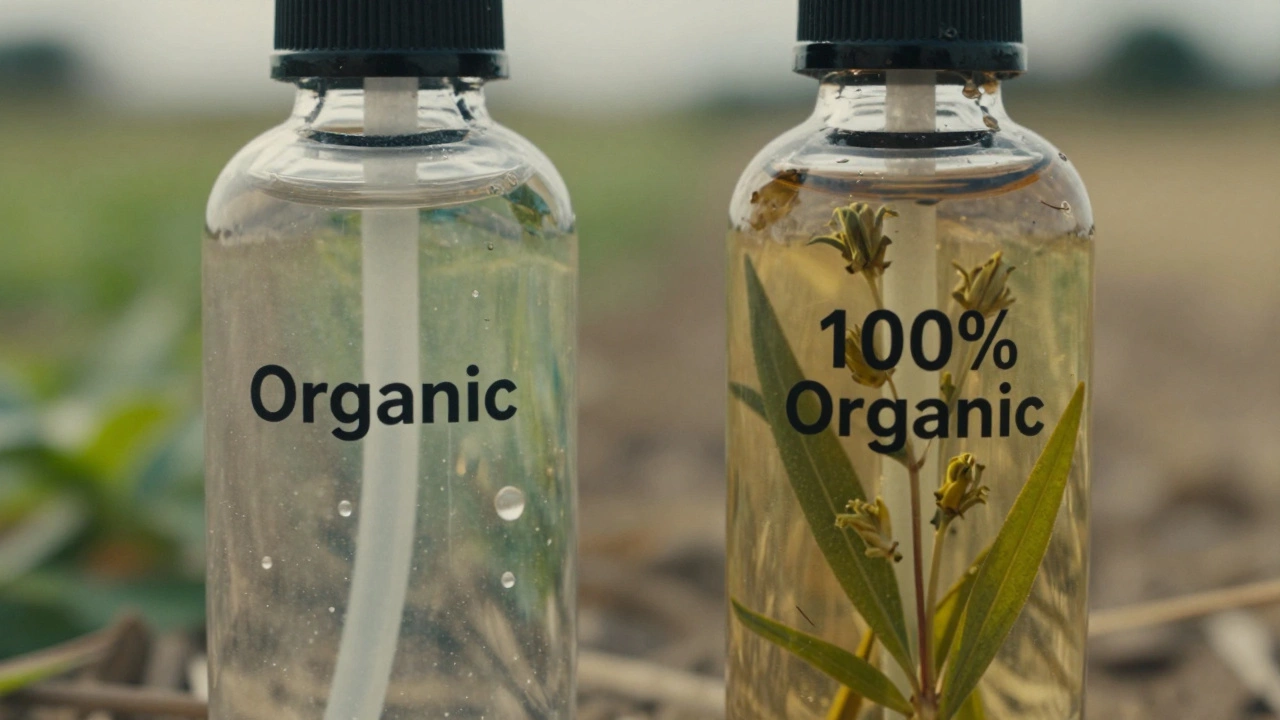
What Is the Difference Between Organic and 100% Organic Skincare?
Understand the real difference between organic and 100% organic skincare. Learn what certifications mean, why it matters for your skin, and how to spot genuine products vs. greenwashing.