
ZO Skin Health vs. Obagi: Which Professional Skincare Brand Is Better for You?
 Jun, 14 2026
ZO Skin Health vs. Obagi: Which Is Better for Your Skin?
Answer the questions below to determine which professional skincare brand aligns best with your skin goals and tolerance.
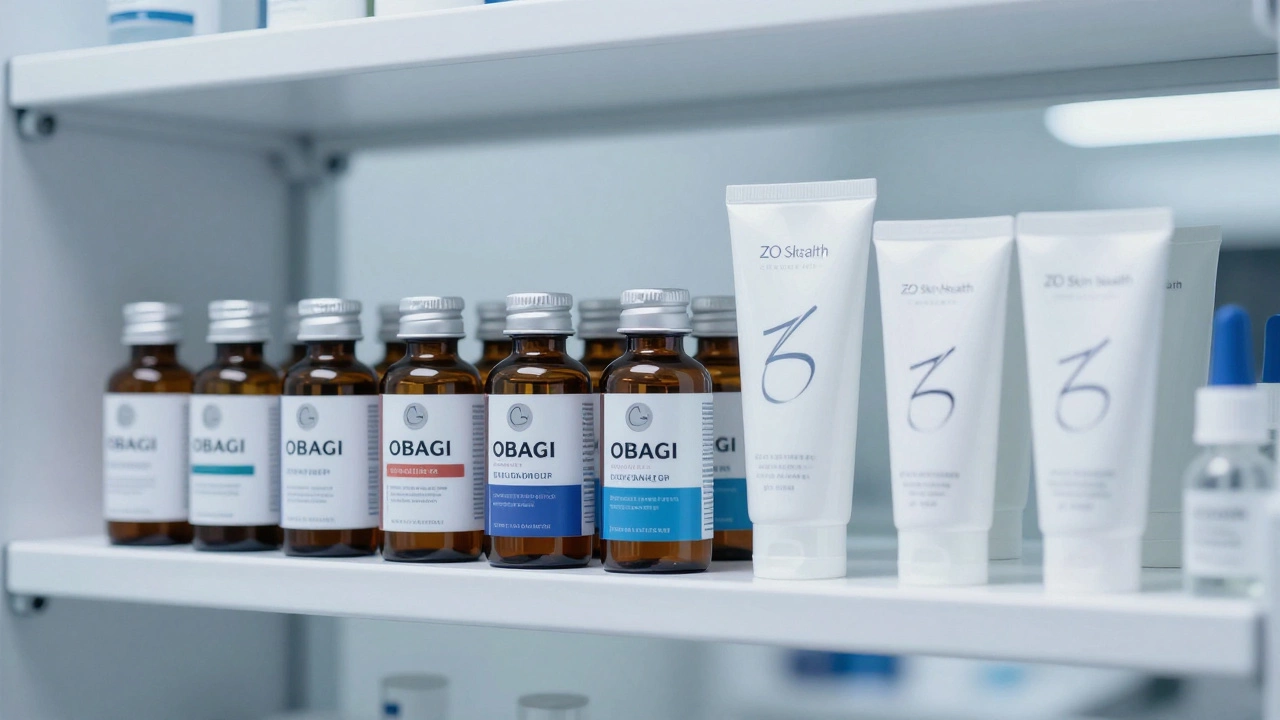
Walking into a dermatologist’s office often feels like stepping into a science lab. The shelves are lined with bottles that look similar but promise different miracles. Two names dominate the conversation when it comes to prescription-strength skincare: ZO Skin Health is a medical-grade skincare line founded by Dr. Zein Obagi that focuses on skin optimization through cellular renewal and antioxidant protection. Its rival, or rather its sibling in spirit, is Obagi Medical Products, which is a pioneering brand in clinical skincare known for introducing high-concentration vitamin C serums and aggressive resurfacing protocols. Both brands share a common origin story-Dr. Zein Obagi-but they have evolved into distinct philosophies. One asks you to commit to a strict regimen; the other invites you to customize your routine based on daily needs. So, which one actually works better for your specific skin goals?
The Origin Story: Same Father, Different Paths
To understand the difference, you have to look at where they came from. Dr. Zein Obagi created the original Obagi system in the late 1980s. It was revolutionary because it moved away from gentle, cosmetic approaches and embraced harsh, effective ingredients like hydroquinone and retinoids. The goal was simple: fix damaged skin fast. This approach built a loyal following among patients with severe hyperpigmentation and deep wrinkles.
In 2005, Dr. Obagi launched ZO Skin Health. He wanted to address what he saw as a gap in the market: maintenance and prevention. While the original Obagi system was great for fixing damage, it wasn’t always sustainable for long-term health. ZO was designed around the concept of "skin optimization." It aimed to keep skin healthy, resilient, and protected against environmental stressors, not just repair past mistakes. Think of Obagi as the emergency room for your face, and ZO as the personal trainer keeping you fit for life.
Philosophy: Aggressive Repair vs. Daily Optimization
The core difference lies in how each brand views your skin. Obagi relies on a "less is more" philosophy regarding product count, but a "more is more" approach regarding ingredient potency. Their routines often involve fewer steps but higher concentrations of active ingredients. For example, their classic Vitamin C serum contains 30% L-ascorbic acid, which is significantly higher than most drugstore options. This can lead to rapid results but also a higher risk of irritation if your skin barrier isn't ready.
ZO Skin Health, on the other hand, builds routines around layering. A typical ZO morning routine might include a cleanser, an exfoliant, an antioxidant serum, a moisturizer, and a sunscreen. Each step serves a specific function, and the products are formulated to work together without causing chemical conflicts. This layered approach helps build tolerance over time. It’s less about shocking the skin into submission and more about conditioning it to perform at its best every day.
| Feature | ZO Skin Health | Obagi |
|---|---|---|
| Primary Goal | Skin optimization & prevention | Rapid correction & resurfacing |
| Routine Complexity | Multi-step (AM/PM) | Simple, targeted steps |
| Irritation Risk | Moderate (builds tolerance) | High (requires caution) |
| Key Ingredient Focus | Broad spectrum antioxidants | High-dose Vitamin C & Retinoids |
| Best For | Long-term maintenance | Specific problem solving |
Ingredient Breakdown: What’s Actually in the Bottle?
Let’s talk chemistry. If you are sensitive to certain ingredients, this section is crucial. Obagi is famous for its use of pure L-ascorbic acid. In their Vitamin C Brightening Serum, you get 30% concentration stabilized with ferulic acid. This is the gold standard for brightening dull skin and fighting free radicals. However, pure vitamin C is unstable and can sting. If you have rosacea or extremely sensitive skin, this might be too much.
ZO Skin Health uses a broader range of antioxidants. Their Idealia Defense Moisturizer combines vitamin C with niacinamide, licorice root, and green tea extract. This cocktail approach is gentler and addresses multiple issues at once: redness, brightness, and hydration. They also rely heavily on polyhydroxy acids (PHAs) for exfoliation. Unlike glycolic acid, which can be harsh, PHAs are larger molecules that sit on the surface longer, providing gentle exfoliation while hydrating. This makes ZO a safer bet for those who want anti-aging benefits without the burn.
When it comes to acne, both brands offer solutions, but they differ in strategy. Obagi’s Acne System typically uses benzoyl peroxide and salicylic acid in higher concentrations to kill bacteria quickly. ZO’s Performance Cleanser or Exfoliating Acne Treatment often incorporates sulfur or lower-dose retinoids to regulate oil production over time. If you need immediate clearing, Obagi might win. If you want to prevent future breakouts while maintaining skin health, ZO is likely the better choice.
Cost and Accessibility: The Real-World Factor
Price is often the deciding factor. Both brands are considered premium, but they aren’t cheap. A full Obagi routine can cost anywhere from $200 to $400 depending on the products chosen. ZO Skin Health tends to be slightly more expensive because of the multi-step nature. A complete AM/PM ZO routine can easily exceed $500. However, ZO products are often sold in smaller sizes, allowing you to mix and match. You don’t have to buy the whole kit.
Accessibility is another key point. Historically, both brands were available only through dermatologists or plastic surgeons. This changed somewhat with the rise of online retailers. Today, you can find Obagi products on major beauty e-commerce sites, though authenticity can be a concern. ZO Skin Health remains stricter, often requiring purchase through authorized medical spas or direct from their website. This ensures you get genuine products but limits impulse buys. Check if your local dermatologist carries either brand, as they may offer discounts or bundle deals.
Who Should Choose Which?
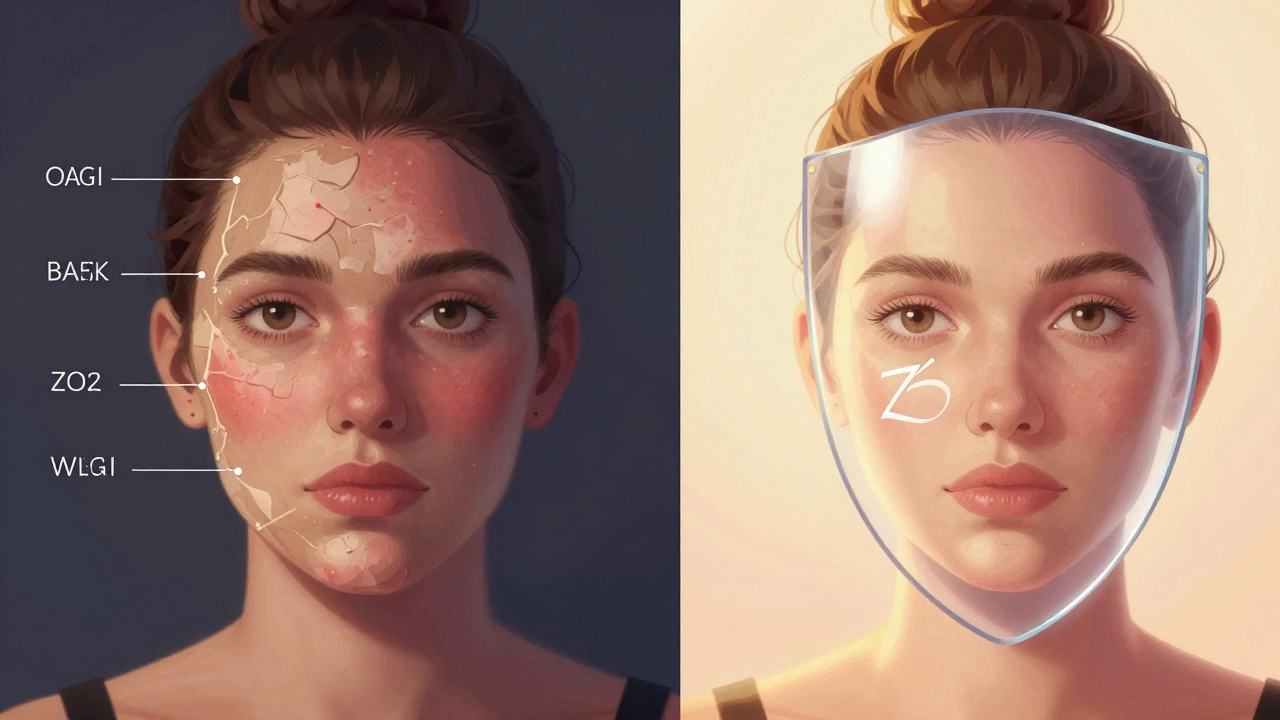
If you have stubborn dark spots, melasma, or deep sun damage, Obagi is likely your best friend. Their Blue Light Cream and Hydroquinone treatments are industry standards for pigmentation issues. You need a strong hammer for these problems, and Obagi provides it. Just be prepared for a period of adjustment where your skin might peel or redden.
If you are looking for overall skin health, prevention of aging, and a routine that fits into a busy lifestyle, ZO Skin Health is the winner. Their products feel luxurious, smell pleasant (unlike some medicinal Obagi formulas), and deliver consistent results without drastic side effects. They are ideal for someone who wants to look polished and fresh every day, not just after a weekend of recovery.
Common Mistakes to Avoid
One big mistake people make is mixing the two brands without guidance. Combining high-strength Obagi vitamin C with ZO’s potent retinol creams can destroy your skin barrier. Stick to one system initially. Let your skin adjust for at least three months before switching or adding new products. Another error is skipping sunscreen. Both brands emphasize that UV protection is non-negotiable. Without it, all the expensive serums in the world won’t stop further damage. Always apply SPF 30 or higher in the morning, regardless of which brand you choose.
Can I use ZO Skin Health and Obagi products together?
It is generally not recommended to mix these two lines without professional supervision. Both contain potent active ingredients like retinoids and high-concentration vitamins. Combining them can lead to severe irritation, redness, and compromised skin barrier function. Consult your dermatologist before attempting to blend regimens.
Which brand is better for sensitive skin?
ZO Skin Health is typically better suited for sensitive skin. Their formulations often include soothing agents like niacinamide and licorice root, and they use gentler exfoliants like PHAs. Obagi’s high-potency actives can be too harsh for reactive or sensitive complexions unless used under strict medical guidance.
Do I need a prescription to buy these products?
Most ZO and Obagi products are available over-the-counter, though they are classified as medical-grade skincare. Some specific treatments, particularly those containing hydroquinone or tretinoin, may require a prescription depending on your location and local regulations. Always check with your provider.
How long does it take to see results?
For Obagi, noticeable improvements in texture and tone can occur within 4-6 weeks due to the aggressive nature of the ingredients. ZO Skin Health may take 8-12 weeks to show full benefits as it focuses on gradual optimization and barrier strengthening. Consistency is key for both brands.
Is ZO Skin Health worth the higher price?
If you value a comprehensive, preventative approach and prefer a routine that minimizes irritation, yes. The higher cost reflects the complexity of the formulations and the focus on long-term skin health. For those seeking quick fixes for specific issues, Obagi may offer better value for money.