
Why Is Expensive Skincare Better? The Truth About Price, Ingredients, and Results
 May, 17 2026
Skincare Budget Strategist
Not all expensive skincare is a waste, but not all of it is worth it either. Use this tool to determine if you should invest in high-end technology for your specific product.
Step 1: What are you looking to buy?
Step 2: What is your primary skin goal?
Step 3: How important is sensory experience?
Do you struggle to stick to a routine because products feel sticky, smell bad, or pill under makeup?
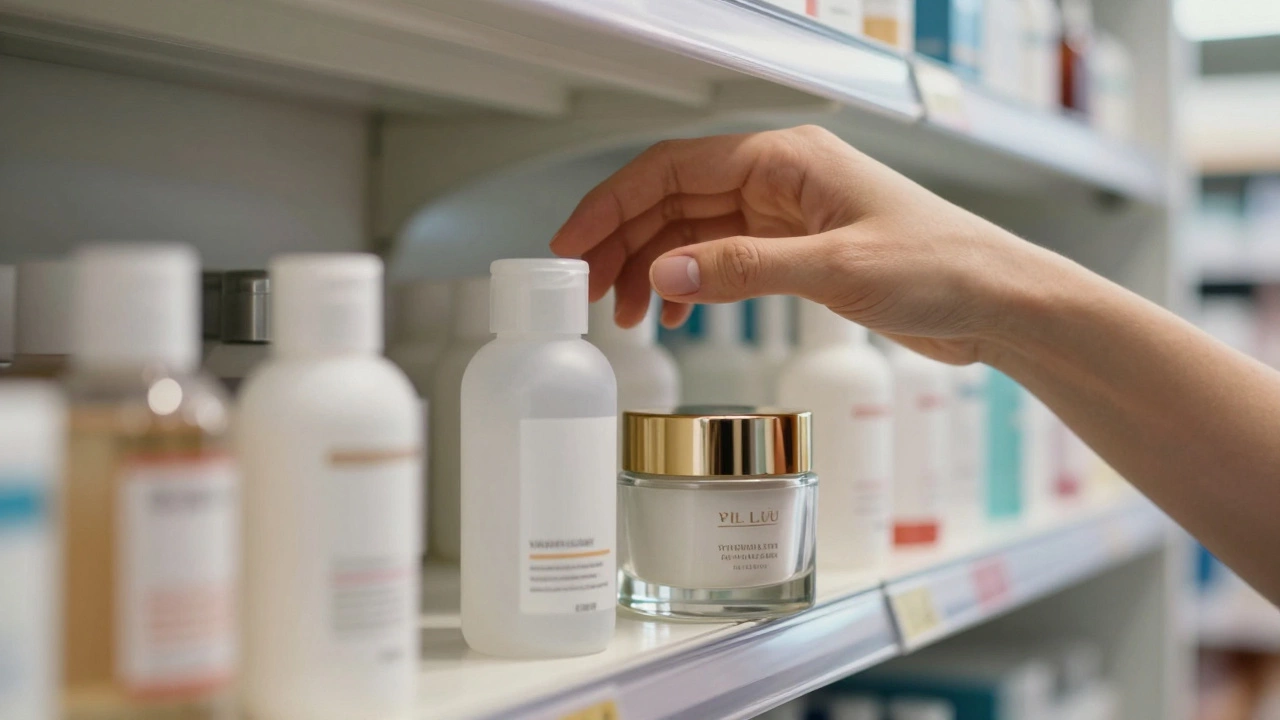
Have you ever stood in the aisle, staring at a $20 moisturizer next to one that costs $180, wondering if the extra cash is actually worth it? It’s a question that plagues almost everyone trying to build a solid skincare routine. The beauty industry thrives on mystery, often implying that higher price tags equal miraculous results. But as someone who has spent years testing everything from high-end clinical brands to budget-friendly drugstore staples, I can tell you the truth isn’t black and white. Sometimes, expensive skincare is genuinely better. Other times, you’re just paying for the packaging.
To figure out where your money goes when you buy that pricey serum, we need to look past the marketing hype. We have to talk about formulation science, ingredient stability, sensory experience, and the hidden costs of manufacturing. This isn’t about telling you to empty your bank account; it’s about helping you decide when splurging makes sense and when it’s a waste.
The Science of Formulation: Why Some Ingredients Cost More
The biggest difference between cheap and expensive skincare usually comes down to formulation technology. Just because two bottles contain "Vitamin C" doesn’t mean they work the same way. In fact, the molecule itself might be identical, but how it’s delivered into your skin is completely different.
Cheap products often use basic delivery systems. They rely on simple water-and-oil emulsions that sit on top of the skin. While this provides immediate hydration, it rarely penetrates deep enough to trigger cellular repair or collagen production. High-end brands invest heavily in research and development (R&D) to create advanced delivery vehicles like liposomes, nanospheres, or encapsulated actives.
Let’s take retinol as an example. Retinol is unstable; it breaks down quickly when exposed to light and air. A budget retinol product might use a high concentration of raw retinol that oxidizes before it even hits your face, causing irritation without delivering results. An expensive brand, however, might use encapsulated retinol or a stabilized derivative like retinyl palmitate combined with antioxidants to protect the molecule. This ensures the ingredient stays active until it penetrates the epidermis, where it can actually do its job.
- Bioavailability: Expensive formulas often optimize pH levels and vehicle composition to ensure ingredients absorb efficiently rather than sitting on the surface.
- Purity: Higher-grade ingredients are purified more thoroughly, removing impurities that can cause inflammation or sensitivity over time.
- Stability: Advanced packaging and chemical stabilizers keep potent ingredients effective throughout their shelf life.
If you have sensitive skin or specific concerns like hyperpigmentation or fine lines, these technical differences matter. You aren’t just buying the ingredient; you’re buying the engineering that makes it work.
The Power of Concentration and Potency
Another factor driving up the price is the concentration of active ingredients. Many affordable brands use "fairy dusting," a term used in the cosmetic chemistry community to describe adding tiny amounts of expensive actives-just enough to list them on the label, but not enough to see results. For instance, a cheap antioxidant serum might list Vitamin E near the top of the ingredients list, but the actual percentage could be less than 0.5%.
In contrast, clinical-grade or luxury skincare brands often disclose their concentrations or formulate with therapeutic doses. If a study shows that 10% niacinamide reduces pore appearance and improves skin elasticity, a high-end brand will likely aim for that 10% threshold. A budget alternative might settle for 2% to save costs. Over months of use, that difference adds up. You might find yourself using multiple cheap products to achieve what one potent, expensive product does alone.
This is particularly true for peptides and growth factors. These complex molecules are expensive to synthesize. Cheap alternatives often use hydrolyzed proteins, which are broken-down fragments of plants or animals. While they offer some hydration, they don’t signal your skin cells to produce collagen the way targeted peptide complexes do. If your goal is anti-aging, the potency gap between budget and premium is significant.

Sensory Experience and Compliance
Here’s a hard truth: skincare only works if you actually use it. And humans are creatures of habit driven by sensory feedback. This is where expensive skincare often wins-not just in efficacy, but in user experience.
Luxury brands hire sensory scientists to perfect texture, scent, and absorption. Think about the last time you used a thick, greasy, or poorly emulsified moisturizer. Did you want to reapply it? Probably not. Now think about a lightweight serum that sinks in instantly, leaving a velvety finish. That pleasant sensation encourages consistent use. Consistency is the single most important factor in seeing results from any skincare regimen.
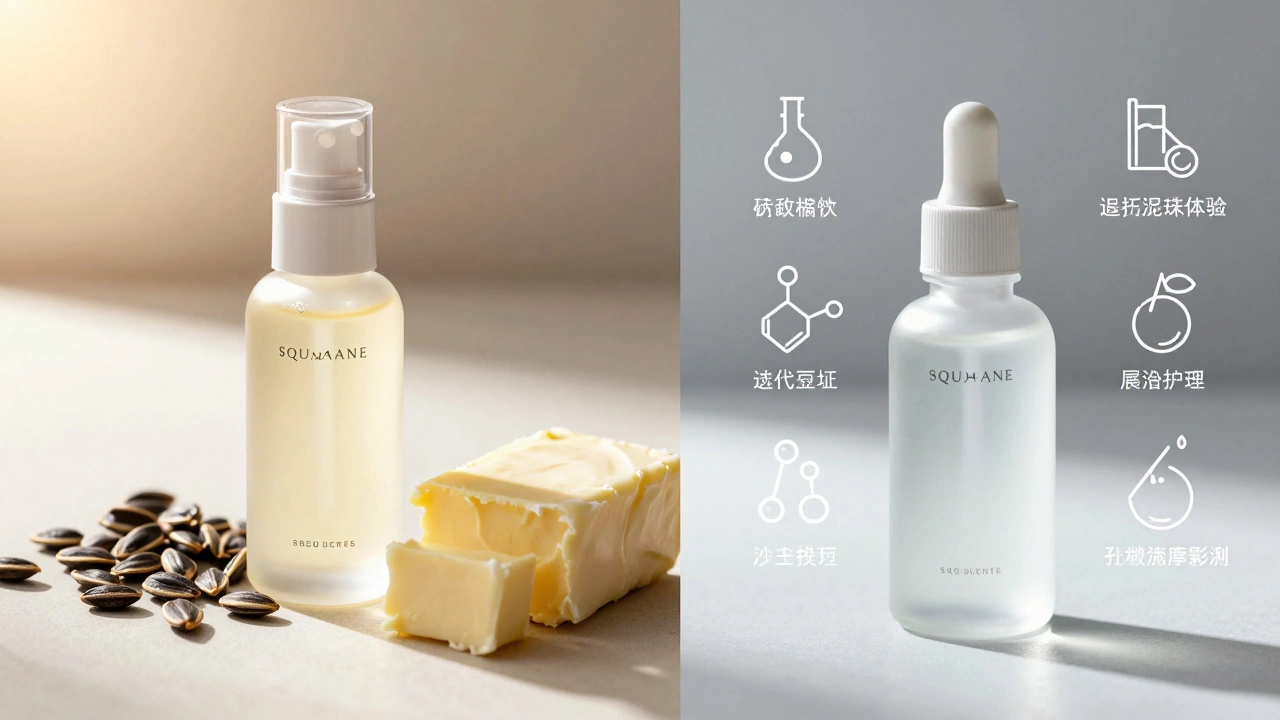
Furthermore, expensive products rarely compromise on fragrance or feel. Budget options often rely on heavy silicones (like dimethicone) to create a smooth feel because it’s cheap and easy to manufacture. While silicones aren’t inherently bad, over-reliance on them can lead to clogged pores for acne-prone individuals or a "mask-like" effect that feels artificial. Premium brands tend to use more natural emollients like squalane, jojoba oil, or shea butter, which nourish the skin while providing a luxurious feel.
If you struggle to stick to a routine because products feel sticky, smell off-putting, or pill under makeup, investing in a higher-quality formula might solve that behavioral hurdle.
| Feature | Budget Skincare | Premium/Expensive Skincare |
|---|---|---|
| Active Ingredient Concentration | Often low ("fairy dusted") | Therapeutic levels based on clinical data |
| Delivery Technology | Basic emulsions, limited penetration | Liposomal, encapsulated, or patented vehicles |
| Ingredient Purity | Standard grade, may contain fillers | High-purity, fewer irritants and preservatives |
| Sensory Experience | Can be greasy, sticky, or heavily fragranced | Refined textures, elegant finishes, subtle scents |
| Research & Development | Minimal investment in new formulations | Significant R&D for efficacy and safety |
When Expensive Doesn't Mean Better
It’s crucial to acknowledge that price isn’t always a proxy for quality. There are plenty of reasons why a product might cost $150 without being superior to a $30 option.
Brand Prestige and Marketing: A significant portion of luxury skincare costs goes toward branding, celebrity endorsements, and glossy magazine ads. You are paying for the logo on the jar as much as the cream inside. If you don’t care about status symbols, this is wasted money.
Packaging: Heavy glass bottles, airless pumps, and intricate designs drive up costs. While airless pumps are great for preserving unstable ingredients like Vitamin C, a gold-plated cap doesn’t improve the formula. Sometimes, simpler packaging means more money was spent on the ingredients themselves.
Simple Hydration: If you just need a basic hydrator, you don’t need advanced tech. Ingredients like hyaluronic acid, glycerin, and ceramides are inexpensive to produce. A drugstore moisturizer with these three ingredients can perform just as well as a luxury brand’s "miracle" hydrating serum. Don’t overspend on basics.
Natural vs. Synthetic: Some expensive brands charge a premium for "all-natural" claims. However, nature isn’t always safer or more effective. Synthetic ingredients are often purer, more stable, and less likely to cause allergic reactions than plant extracts, which vary batch-to-batch. Paying extra for "organic" labels doesn’t guarantee better performance.
How to Decide What’s Worth the Splurge
So, how do you navigate this minefield? Here’s a practical framework to help you allocate your budget wisely.
- Splurge on Actives: Invest in products that change your skin structure. This includes retinoids, vitamin C serums, peptides, and prescription-strength treatments. These require precise formulation and high purity to work safely and effectively.
- Save on Cleansers: Cleansers wash off. They stay on your skin for less than a minute. You don’t need expensive delivery systems here. Look for gentle surfactants like sodium lauroyl methyl isethionate or coco-glucoside. A good cleanser removes dirt without stripping the barrier; price doesn’t determine that ability.
- Be Selective with Moisturizers: If you have normal skin, a simple, affordable moisturizer is fine. If you have compromised barriers, eczema, or severe dryness, look for brands that specialize in barrier repair. These often use patented ceramide complexes that justify a higher price point.
- Check the Ingredient List: Ignore the front-of-pack marketing. Read the back. If the key active is listed after water, alcohol, or fragrance, it’s likely ineffective regardless of the price tag. Use tools like Inciddecoder to understand what you’re buying.
- Consider Your Skin Type: Sensitive skin often benefits from the rigorous testing and cleaner formulations of mid-to-high-range brands. Acne-prone skin might prefer clinical brands that focus on efficacy over luxury feel.
Remember, consistency beats intensity. Using a $50 sunscreen every day is far better than using a $200 sunscreen once a week. Build a routine you can afford to maintain long-term.
The Role of Packaging and Preservation
One area where expensive skincare consistently outperforms budget options is preservation. Skincare products are breeding grounds for bacteria and fungi. To prevent this, manufacturers add preservatives. Cheap products often rely on broad-spectrum, harsh preservatives like parabens or formaldehyde releasers, which can irritate sensitive skin over time.
Higher-end brands often invest in multi-preservative systems that are gentler yet equally effective. They also prioritize packaging that protects the formula. Airless pumps prevent oxidation by limiting exposure to oxygen. Opaque glass blocks UV light, which degrades many actives. While these features add cost, they ensure the product remains safe and effective from first pump to last. Using a contaminated or degraded product can damage your skin barrier, leading to breakouts, redness, and premature aging-costs that far exceed the initial savings of a cheap bottle.
Is expensive skincare worth it for acne?
For acne, efficacy matters more than luxury. Many dermatologist-recommended acne treatments are mid-range in price. Look for products containing salicylic acid, benzoyl peroxide, or adapalene. You don’t need expensive packaging or fragrances. However, if acne causes post-inflammatory hyperpigmentation, investing in a high-quality vitamin C serum or azelaic acid treatment can be worth the splurge to fade marks faster.
Can drugstore skincare give me the same results as luxury brands?
Yes, for basic hydration and cleansing. Drugstore brands have improved significantly in recent years. However, for advanced concerns like deep wrinkles, significant pigmentation, or loss of firmness, luxury or clinical brands often offer better bioavailability and higher concentrations of actives due to superior formulation technology.
Why do some expensive creams smell so good?
Fragrance is added for sensory appeal, not skincare benefit. In fact, synthetic fragrances can irritate sensitive skin. If you enjoy the smell and it helps you stick to your routine, it’s a personal preference. However, never pay extra solely for scent if you have reactive skin; opt for fragrance-free clinical options instead.
What is the best age to start using expensive skincare?
There is no specific age. Start investing in quality when you have specific concerns that basic products can’t address. For most people, this begins in their late 20s or early 30s when prevention becomes key. Focus on sun protection and antioxidants early on, then introduce retinoids and peptides as needed.
Does "clean" or "organic" skincare cost more because it’s better?
Not necessarily. "Clean" is a marketing term, not a scientific one. Organic ingredients can be harder to source and stabilize, leading to higher prices. However, natural doesn’t mean safer or more effective. Synthetic ingredients are often more stable and potent. Judge products by their ingredient list and clinical evidence, not by buzzwords.