
Why Do 50-Year-Olds Look Younger Now? The Science Behind the Glow
 Aug, 20 2026
Your Anti-Aging Strategy Score
Based on the science of modern aging, how well do you follow these preventive strategies? Adjust the sliders to match your current habits.
Calculating...
Move the sliders to see your result.
Calculating...
Move the sliders to see your result.
Walk into a coffee shop or scroll through social media, and you might notice something striking: people in their fifties don't look like they did twenty years ago. They have clearer skin, tighter jawlines, and fewer deep wrinkles. It’s not just better lighting or filters. There is a tangible shift in how aging manifests physically, driven by a convergence of medical advances, lifestyle changes, and smarter daily habits.
The core reason why anti-aging treatments are more effective now isn't magic; it's precision. Decades ago, interventions were blunt instruments. Today, we understand the biological clock at a cellular level. We know exactly which proteins degrade first, which hormones dip when, and how to target specific signs of aging without overcorrecting others. This article breaks down the four main pillars driving this visible youthfulness: advanced dermatology, preventive lifestyle shifts, nutritional science, and the psychological impact of self-care.
The Shift from Damage Control to Prevention
In the past, people waited until lines appeared to address them. Now, the strategy has flipped. The most significant factor in why fifty-year-olds look younger is that they started protecting their skin in their twenties and thirties. This concept, often called "prevention," relies on the cumulative effect of small, consistent actions.
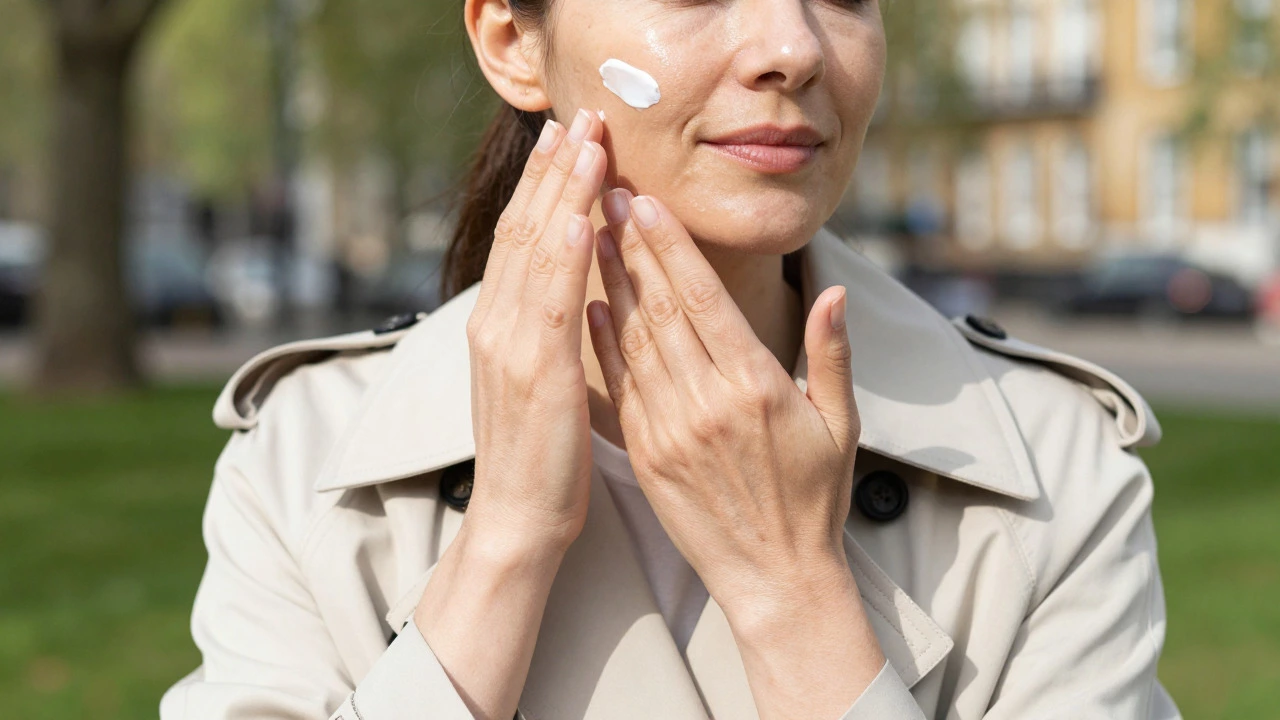
Sun protection is the biggest variable here. Ultraviolet (UV) radiation accounts for up to 80% of visible facial aging. In previous generations, sunscreen was considered optional or only for beach days. Today, broad-spectrum SPF 30+ is a non-negotiable part of the morning routine, applied daily regardless of weather. This single habit prevents photoaging, which causes leathery texture, sun spots, and loss of elasticity. When you prevent the damage before it happens, you don't need aggressive correction later.
Beyond sunscreen, the rise of topical retinoids has changed the game. Retinoids, derived from Vitamin A, are the gold standard for stimulating collagen production. While they existed decades ago, newer formulations like tretinoin and retinaldehyde are gentler and more stable. Using these consistently from age thirty accelerates cell turnover and keeps the skin barrier resilient. By the time someone reaches fifty, their skin has been actively renewed for two decades, resulting in a texture that looks significantly younger than peers who skipped this step.
Advanced Medical Interventions Beyond Botox
When we think of cosmetic procedures, many still picture the frozen-faced look of the early 2000s. That era is over. Modern aesthetic medicine focuses on restoration rather than alteration. The goal is to look refreshed, not done.
Laser Resurfacing is a non-invasive procedure that uses light energy to remove damaged outer layers of skin and stimulate new growth. Unlike older lasers that caused long downtime, fractional laser technologies allow for precise treatment with minimal recovery time. These treatments address fine lines, uneven tone, and mild scarring by triggering the body's natural healing response. For a fifty-year-old, this means smoother skin texture without looking surgically altered.
Injectables have also evolved. Instead of filling every crease to create a smooth mask, practitioners now use micro-dosing techniques. Small amounts of hyaluronic acid fillers are used to restore volume loss in the cheeks and temples, which creates a natural lift. Similarly, neuromodulators like Botox are used in lower doses to relax muscles slightly, preventing new wrinkles from forming while keeping facial expressions natural. This subtle approach explains why celebrities and everyday people alike look "rested" rather than rigid.
Another key player is skin tightening technology. Radiofrequency (RF) devices and ultrasound treatments heat the deeper layers of the dermis to contract existing collagen and stimulate new production. These treatments require no needles and no surgery, making them accessible and low-risk. Over several sessions, the skin becomes firmer, addressing the sagging that typically concerns people in their late forties and fifties.
Nutrition and Internal Health Impact
You can't out-treat a poor diet. The external appearance of aging is heavily influenced by internal health. Fifty-year-olds today are more educated about nutrition than any previous generation. They understand that inflammation accelerates aging.
Glycation is a process where excess sugar in the bloodstream binds to proteins like collagen and elastin, making them stiff and brittle. This leads to sagging skin and wrinkles. High-sugar diets were common in previous decades, but today, many people monitor their glycemic load. Eating more antioxidants, such as berries, leafy greens, and nuts, helps combat oxidative stress. Oxidative stress damages cells and speeds up the aging process. By reducing free radicals through diet, the skin maintains its structural integrity longer.
Hydration is another critical factor. Dehydrated skin appears dull and emphasizes fine lines. Modern understanding emphasizes drinking enough water throughout the day, not just when thirsty. Additionally, supplements like collagen peptides have gained popularity. While scientific debate continues on oral collagen absorption, many users report improved skin elasticity and hydration after consistent use. Whether due to direct absorption or amino acid support, the trend toward internal supplementation reflects a holistic approach to beauty.

Lifestyle Factors: Sleep, Stress, and Movement
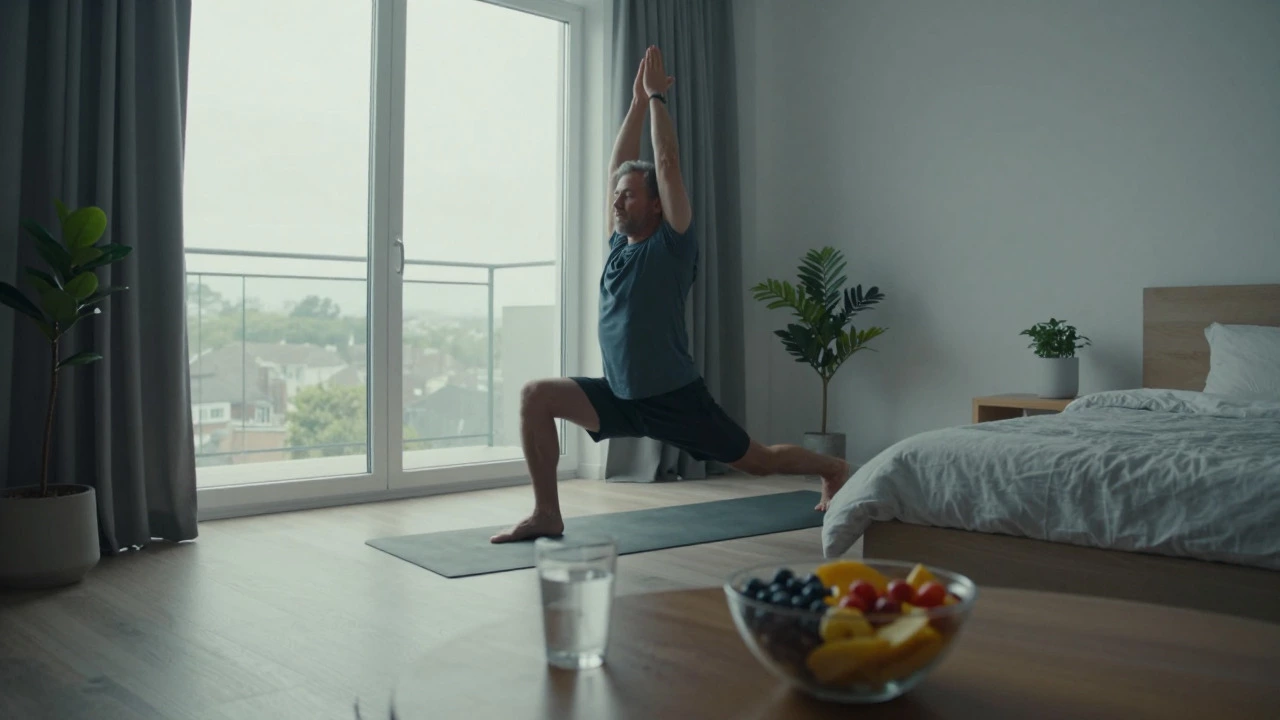
It’s not just what you put on your face or eat; it’s how you live. Sleep quality has a direct correlation with skin health. During deep sleep, the body releases growth hormones that repair tissues. Chronic sleep deprivation raises cortisol levels, which breaks down collagen. Fifty-year-olds today prioritize sleep hygiene more than their parents did. They invest in comfortable mattresses, limit screen time before bed, and maintain consistent schedules. The result is brighter, less puffy skin.
Stress management is equally vital. Chronic stress ages the body by shortening telomeres, the protective caps on chromosomes. Shortened telomeres are linked to cellular aging. Practices like meditation, yoga, and regular exercise help mitigate this. Exercise improves blood circulation, delivering oxygen and nutrients to skin cells. It also boosts endorphins, reducing stress-related breakouts and dullness. A person who exercises regularly at fifty often has better skin tone and clarity than a sedentary forty-year-old.
Alcohol and smoking, once socially ubiquitous, are now viewed as major aging accelerants. Alcohol dehydrates the skin and disrupts sleep. Smoking restricts blood flow and damages collagen directly. The cultural shift away from these habits has removed two of the biggest contributors to premature aging. This doesn't mean everyone has quit, but the stigma has decreased, and more people make conscious choices to avoid these toxins.
Comparing Generational Approaches to Aging
To understand the difference, let's compare the typical approach of a fifty-year-old born in 1976 versus one born in 1996 (who would be 30 now, but let's project forward) or simply compare the 1990s standard to the 2020s standard.
| Factor | 1990s Approach | 2020s Approach |
|---|---|---|
| Sun Protection | Occasional, beach-only | Daily, broad-spectrum SPF 30+ |
| Topical Treatments | Moisturizers, basic exfoliants | Retinoids, vitamin C, peptides |
| Cosmetic Procedures | Aggressive fillers, full-face lifts | Subtle micro-dosing, laser resurfacing |
| Nutrition Focus | Diet for weight loss | Diet for anti-inflammatory benefits |
| Stress Management | Rarely prioritized | Meditation, mindfulness, therapy |
This table highlights how the mindset has shifted from correcting obvious flaws to maintaining overall health. The 1990s approach was reactive; the 2020s approach is proactive. This proactive stance is the primary driver behind the youthful appearance of today's middle-aged population.
The Role of Technology and Data
Technology plays a silent but powerful role. Wearable devices track sleep, heart rate variability, and activity levels, providing data that encourages healthier behaviors. If you see that your sleep score is low, you're more likely to adjust your evening routine. This data-driven self-care ensures consistency, which is crucial for long-term results.
Additionally, telemedicine has made access to dermatologists easier. You can consult a specialist via video call, get prescriptions for prescription-strength retinoids, and receive personalized advice without traveling. This accessibility means more people are under professional guidance, leading to better outcomes and fewer mistakes that could worsen skin conditions.
Frequently Asked Questions
Is it true that genetics play no role in how young we look?
Genetics still set the baseline, but environmental factors have a massive impact. Two people with similar genetics can look different if one protects their skin from the sun and the other doesn't. Lifestyle choices can amplify or diminish genetic potential.
What is the most cost-effective anti-aging strategy?
Daily sunscreen use is the most cost-effective intervention. It costs little money but provides the highest return on investment regarding visible aging prevention. Combining this with a healthy diet and adequate sleep yields significant results without expensive procedures.
Do retinoids work for all skin types?
Most skin types benefit from retinoids, but sensitive skin may experience irritation initially. Starting with a lower concentration and using it every other night helps build tolerance. People with rosacea should consult a dermatologist before starting retinoid therapy.
How much sleep do I need for optimal skin health?
Seven to nine hours of quality sleep is recommended for adults. Consistency is key; going to bed and waking up at the same time each day helps regulate circadian rhythms, which influence skin repair processes.
Are laser treatments safe for darker skin tones?
Yes, but choosing the right laser type is crucial. Fraxel and Pico lasers are generally safer for diverse skin tones when performed by an experienced provider. Consultation is essential to determine the best setting and wavelength to avoid hyperpigmentation.