
Why Beauty Salons Cost So Much: The Hidden Reality of Salon Pricing
 Apr, 26 2026
Salon Price Breakdown Estimator
Ever wonder why your appointment costs so much? Select a common salon service to see the "Hidden Reality" of its pricing structure.
- 🛠️ Supplies:
- ⚡ Overhead:
- 🎓 Expertise:
- 🧼 Safety:
Click a service card above to reveal the cost breakdown!
Quick Takeaways:
- High overhead costs like rent and electricity drive up service prices.
- Professional-grade products are significantly more expensive than drugstore versions.
- You pay for the technician's years of training and specialized certification.
- Insurance and sanitation standards add a layer of hidden cost.
- Time is the most expensive commodity in a service-based business.
The Heavy Burden of Overhead
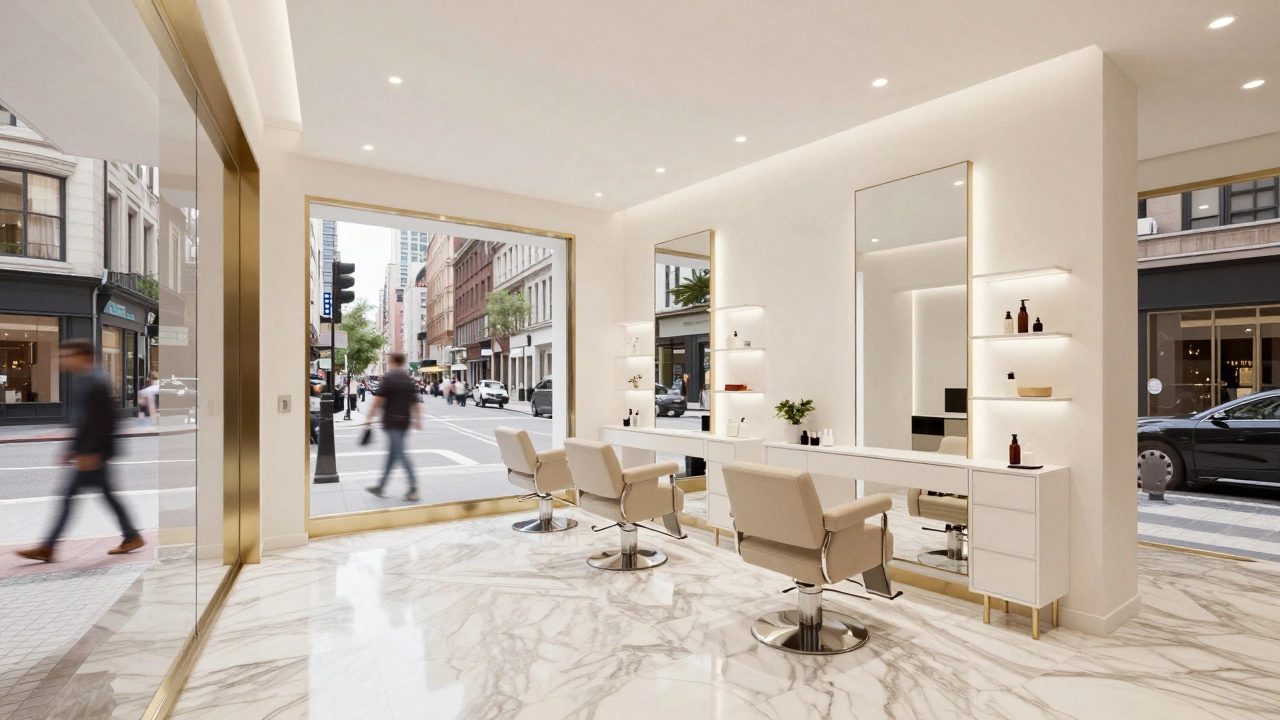
Think about the location of your favorite salon. They are usually in high-traffic areas-shopping malls, trendy city blocks, or busy suburbs-so you can actually find them. This means they pay a premium for commercial real estate. In a city like Wellington, rent for a storefront can eat up a massive chunk of a salon's monthly revenue before they even buy a single towel.
Commercial Real Estate is the land and buildings used specifically for business purposes, which typically carries higher taxes and insurance costs than residential property. When a salon owner signs a lease, they aren't just paying for the space; they're paying for the visibility that brings in new clients.
Then there is the electricity. A salon isn't just using a few lightbulbs. They have high-wattage hair dryers, UV lamps for gel nails, professional steamers, and industrial-grade washing stations running all day. The utility bills for a mid-sized salon are often astronomical, and that cost is distributed across every service you book.
Professional Grade vs. Drugstore Basics
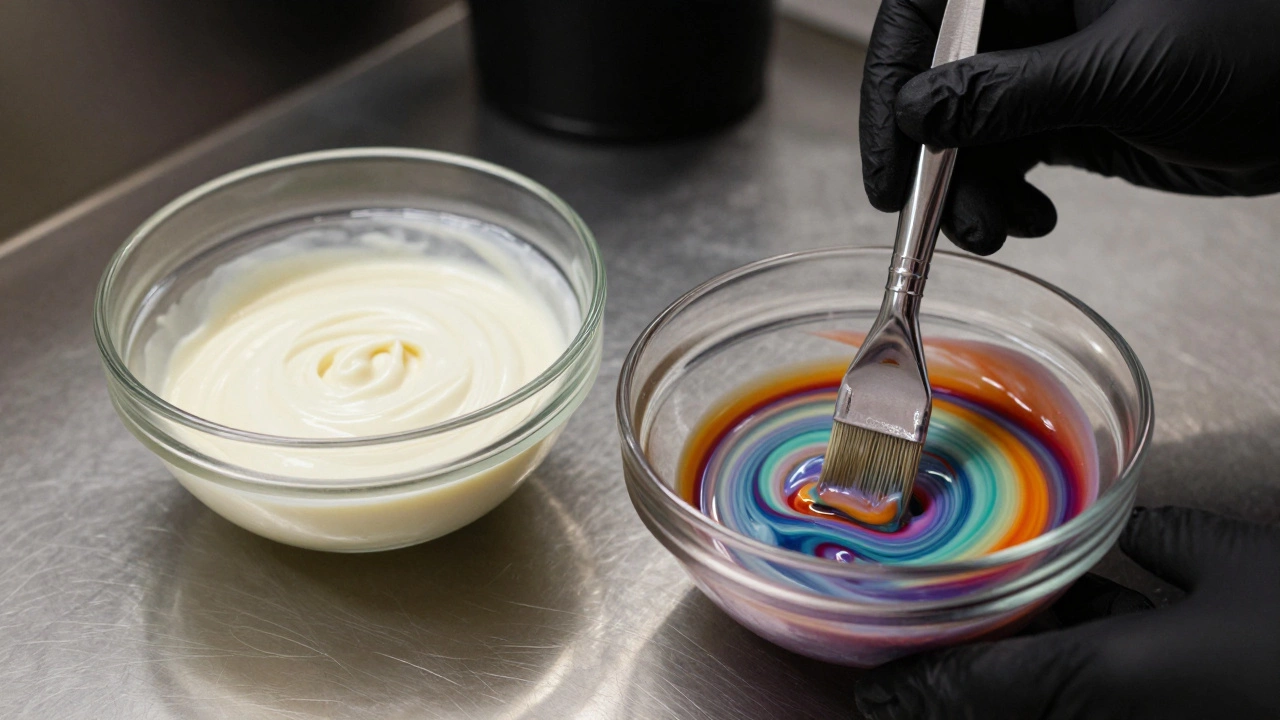
You might think, "I can buy that same hair dye at a pharmacy for ten dollars, so why is the salon charging sixty?" The difference lies in the chemistry. Professional products are formulated differently. For example, Professional Hair Color is a high-concentration pigment system that allows for precise control over lift and tone, unlike pre-mixed retail boxes.
Professional products offer something retail versions don't: customization. A stylist doesn't just dump a pre-mixed paste on your head. They mix primary, secondary, and tertiary tones to match your exact skin undertone. Plus, professional brands often use higher-quality ingredients that cause less damage to the hair shaft. The cost of these supplies is significantly higher for the business owner, who must buy in bulk from authorized distributors.
| Feature | Drugstore/Retail | Professional Salon |
|---|---|---|
| Ingredient Concentration | Lower/Diluted | High/Active |
| Customization | One-size-fits-all | Tailored to individual |
| Damage Control | Higher risk of dryness | Includes bonding agents |
| Price per unit | Low | High |
The Price of Expertise and Education
When you pay for a service, you are paying for the thousands of mistakes the technician made on someone else before they ever touched your hair or skin. A licensed aesthetician or stylist doesn't just graduate from a course and stop learning. To stay relevant, they have to take continuing education classes on new trends like balayage or advanced chemical peels.
Cosmetology License is a legal certification that proves a professional has completed a regulated amount of training in sanitation, anatomy, and chemical application. Obtaining and maintaining this license requires money and time. If a technician spends a weekend learning a new nail art technique in another city, the salon has to account for that lost labor time and the cost of the course.
Think about it this way: would you rather pay $20 for a haircut from someone who watched a YouTube video, or $80 for someone who knows exactly how your hair's density and cowlicks will react to a specific angle of cutting? You're paying for the peace of mind that you won't have to spend another $100 at a different salon to fix a disaster.
Sanitation, Safety, and Hidden Risks
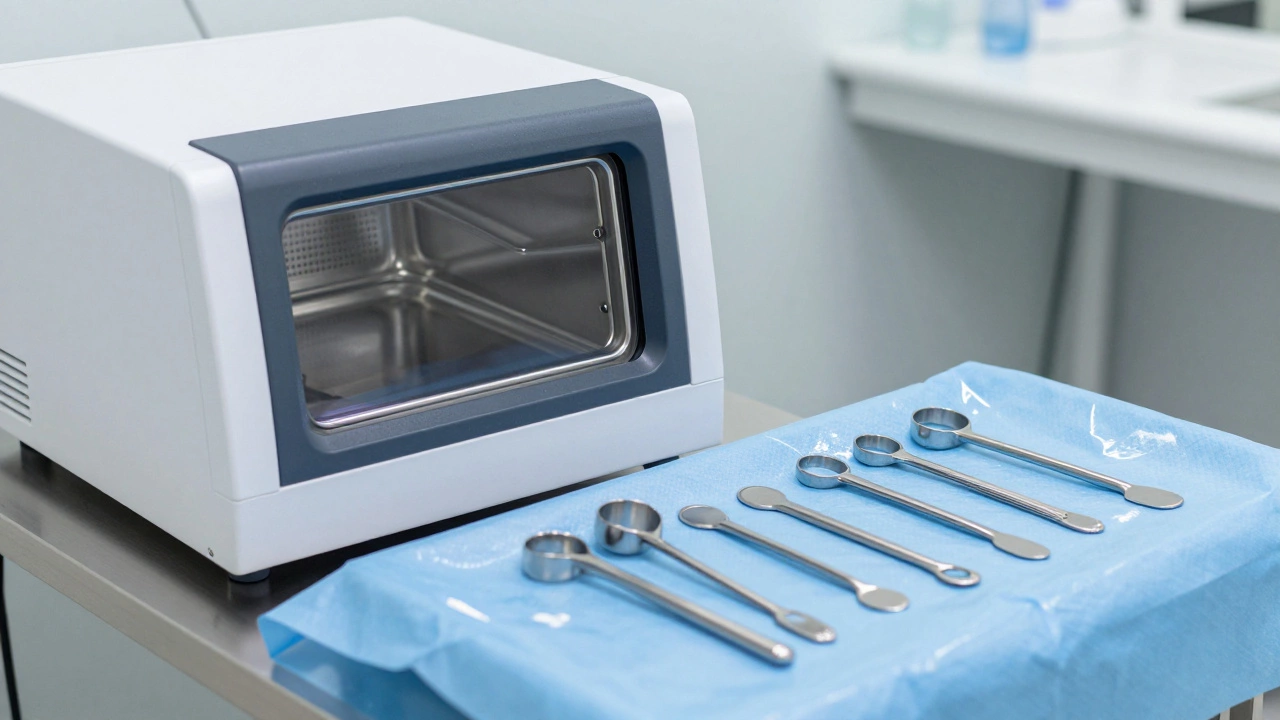
In the beauty industry, hygiene isn't just about a clean floor; it's about preventing the spread of fungus, bacteria, and viruses. The cost of Autoclaving is the process of using high-pressure saturated steam to sterilize metal tools, ensuring they are completely free of microorganisms.
Between the medical-grade disinfectants, the single-use disposables (like wax strips and nail files), and the time spent scrubbing tools between every single client, the "hidden" cost of sanitation is huge. If a salon cuts corners here, they risk losing their license or facing a massive lawsuit. To protect themselves, they carry professional liability insurance. This insurance ensures that if a client has an allergic reaction to a dye or a chemical burn from a peel, the business doesn't go bankrupt. You are essentially paying a small "insurance premium" every time you pay your bill.
The Commodity of Time
In a salon, the product is the service, and the service is time. Unlike a clothing store that can sell a hundred shirts in an hour, a stylist can only work on one person at a time. If a full head of highlights takes four hours, that stylist is occupying a chair for a quarter of their entire workday.
This creates a ceiling on how much money a salon can make. To cover the rent, the staff's wages, and the electricity, they have to charge a rate that makes those four hours profitable. If they charged based only on the cost of the dye, they would be losing money on every client. This is why "add-ons" like deep conditioning treatments or brow waxes are so common-they allow the salon to increase the average ticket value without taking up significantly more time.
How to Navigate Salon Costs Without Breaking the Bank
Now that you know why the prices are high, you can be smarter about how you spend. You don't have to pay full price for everything if you know which services are "high-skill" and which are "high-maintenance." For instance, a complex color correction requires a master's level of skill-pay the premium for that. But a simple trim or a basic manicure can often be found at a more affordable junior stylist's rate.
Many salons offer "assistant" or "junior" pricing. These are talented people who have finished their training but need more hours to reach the "senior" level. They provide great work but at a fraction of the cost because they are still building their speed and confidence. It's a win-win for the client and the budding professional.
Why is a salon manicure so much more expensive than doing it at home?
When you do your nails at home, you're only paying for the polish. At a salon, you're paying for the cuticle work, shaping, massage, and the use of professional UV lamps and high-grade gels. You're also paying for the technician's time and the cost of sanitizing the tools and workspace to medical standards.
Does the brand of products actually matter?
Yes. Professional brands usually have a higher concentration of active ingredients and fewer "fillers" than retail brands. They are designed to work in a controlled environment and provide more predictable results, which is why professionals trust them over drugstore alternatives.
Why do salons charge extra for "long hair" or "thick hair"?
This is based on two factors: product usage and time. Thick hair requires significantly more color or bleach to achieve full saturation. Additionally, it takes a stylist much longer to process and style thick hair, meaning they can't see as many clients in a day.
Are cheaper salons riskier?
Not necessarily, but it's worth checking. Some low-cost salons simply have lower overhead (like being in a less trendy area). However, if a price seems too good to be true, check if they are using an autoclave for sterilization and if their staff is licensed. If they cut costs on sanitation, that's where the risk lies.
How can I save money on salon visits?
Try booking with junior stylists, schedule your appointments during "off-peak" hours if the salon offers discounts, and maintain your hair or skin at home between visits using professional-grade maintenance products to extend the life of your salon treatment.