
Who Owns Eminence Organic Skin Care? Ownership and Brand Story
 Apr, 30 2026
Skin Care Business Model Comparison Tool
Select a business model below to see how it impacts the quality, sourcing, and pricing of your skincare products.
Eminence Model
Focus on sustainability, vertical integration, and long-term ethics.
Typical Big-Beauty Model
Focus on market share, quarterly growth, and mass distribution.
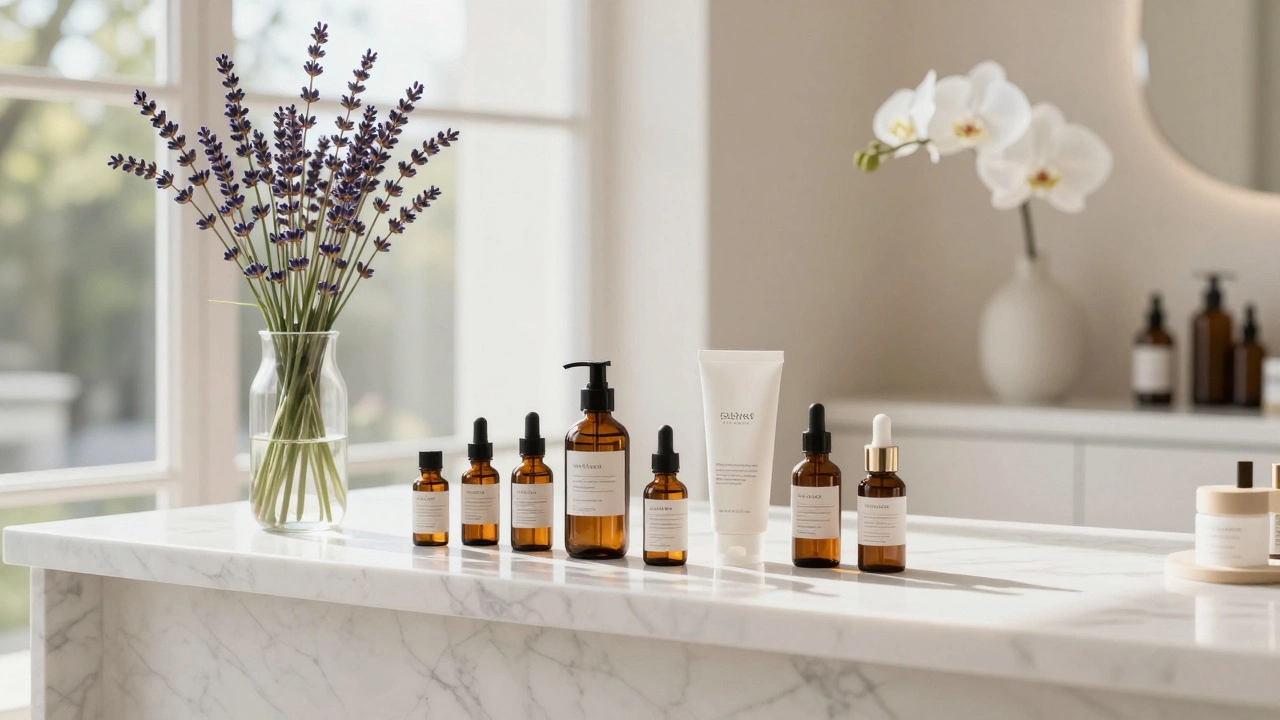
You might have noticed that Eminence Organic Skin Care is a high-end organic skincare brand found in professional spas and boutiques. When you see a product that claims to be truly organic and professional-grade, it's natural to wonder if it's just another subsidiary of a massive conglomerate like L'Oréal or Estée Lauder. The truth is actually quite different and far more personal.
Quick Takeaways
- Eminence is a privately owned, family-run business.
- It is not owned by a larger corporate beauty group.
- The brand is deeply tied to the founders' personal farm and sustainability practices.
- They maintain a vertical integration model, meaning they grow many of their own ingredients.
The Family Roots of Eminence
Unlike most beauty brands that sell out to a giant corporation once they hit a certain revenue milestone, Eminence remains a private entity. It was founded by the la lune family, specifically started by Zoe Gabrielle and her family. This private ownership structure is exactly why the brand has been able to stick to its strict organic standards without pressure from shareholders to cut costs or swap high-quality botanical ingredients for cheaper synthetic alternatives.
Because it's family-owned, the decision-making process is faster and more focused on long-term ethics than quarterly profits. If you've ever wondered why they spend so much on their own farms instead of just buying extracts from wholesalers, it's because the owners view the land as part of the brand's identity. They aren't just selling a cream; they're selling the result of a specific farming philosophy.
Vertical Integration: From Soil to Skin
To understand who owns the company, you have to understand what they own. Eminence doesn't just own a corporate office; they own and operate the Eminence Organic Farm. This is a prime example of vertical integration. In the business world, this means a company controls multiple stages of its production process. For Eminence, this means they control the seeds, the soil, the harvesting, and the final bottling.
By owning the source, they avoid the "middleman" problem where organic certifications can get murky. When a company buys "organic lavender" from a third party, they are trusting a certificate. When you own the farm, you know exactly what was sprayed (or not sprayed) on the crop. This level of control is rare in the beauty industry, where most brands are simply marketing engines that outsource 100% of their manufacturing to third-party labs.
| Feature | Eminence Organic Skin Care | Typical Corporate Brand |
|---|---|---|
| Ownership | Private/Family Owned | Publicly Traded / Conglomerate |
| Ingredient Sourcing | Directly from own organic farms | Global chemical wholesalers |
| Supply Chain | Vertically Integrated | Outsourced Manufacturing |
| Primary Goal | Sustainability & Quality | Market Share & Quarterly Growth |

The Professional-Only Strategy
One of the most curious parts of their business model is their refusal to sell primarily through big-box retailers. If you've tried to find their full line at a generic drugstore and failed, there's a reason for that. Eminence focuses on a B2B (Business-to-Business) model, partnering with licensed estheticians and spa owners.
Why do this? It's a strategic move to maintain the prestige of the brand. By keeping the products in the hands of professionals, they ensure the products are used correctly and that the brand isn't "devalued" by constant discount cycles seen at places like Walmart or Target. This ownership of the distribution channel allows them to keep prices stable and maintain a high-end image.
Sustainability and Environmental Ownership
Ownership isn't just about who signs the checks; it's about what the company takes responsibility for. Eminence has invested heavily in sustainable agriculture. They don't just follow organic guidelines; they implement regenerative farming. This means they are actively working to improve the health of the soil, rather than just avoiding pesticides.
Their commitment is visible in their packaging and carbon footprint initiatives. While many corporations use "greenwashing" (claiming to be eco-friendly while doing very little), Eminence's ownership of the actual land allows them to implement composting and water-saving techniques that a brand renting a factory simply couldn't do. They treat the Earth as a stakeholder in their company.
How This Impacts You as a Consumer
Does it actually matter who owns the company? Absolutely. When a brand is owned by a massive conglomerate, there is often a push to "reformulate" products to make them cheaper to produce while keeping the price the same. This is how a favorite cream suddenly starts feeling "greasier" or "less effective" after a few years.
With a private, family-owned structure, the quality is more consistent. You aren't dealing with a board of directors demanding a 10% increase in profit margins. Instead, you're getting a product developed by people who are personally attached to the brand's reputation. If the lavender harvest is poor one year, they are more likely to accept a lower profit margin to maintain the quality of the oil rather than substituting it with a synthetic fragrance.
Is Eminence owned by L'Oréal or Estée Lauder?
No, Eminence is not owned by any of the major beauty conglomerates. It remains a privately held, family-owned company, which allows them to maintain strict control over their organic sourcing and production methods.
Where does Eminence get its ingredients?
A significant portion of their ingredients are grown on their own organic farms. By controlling the land and the farming process, they ensure that the botanicals are grown without synthetic pesticides or fertilizers.
Why can't I buy Eminence at every makeup store?
Eminence uses a professional distribution model. They partner with licensed skin care professionals and spas to ensure that customers receive expert guidance on how to use the products for their specific skin type.
Is Eminence actually organic?
Yes, they focus on organic and natural ingredients. Because they own their own farms, they have more transparency and control over the organic certification process than brands that buy pre-made extracts from various suppliers.
Does private ownership affect the price of the products?
It often makes the products more expensive. Organic farming and small-batch production are costlier than the mass-production methods used by corporate giants. However, this pays for higher ingredient purity and better environmental standards.
What to Look for Next
If you're interested in the intersection of ownership and quality, you might want to look into the difference between "natural," "organic," and "clean" beauty. Each term has a different legal meaning, and knowing who owns a company can tell you whether those labels are marketing fluff or a core business value. You could also explore the benefits of professional-grade skincare versus over-the-counter options to see if the investment in a brand like Eminence is right for your skin goals.