
Who Is the Top Beauty Brand in 2026? Estée Lauder, L'Oréal, and More
 Jun, 1 2026
Find Your Top Beauty Brand for 2026
The definition of the "top" beauty brand changes based on your skin type, budget, and values. Use this tool to find the leaders recommended by dermatologists and industry experts.
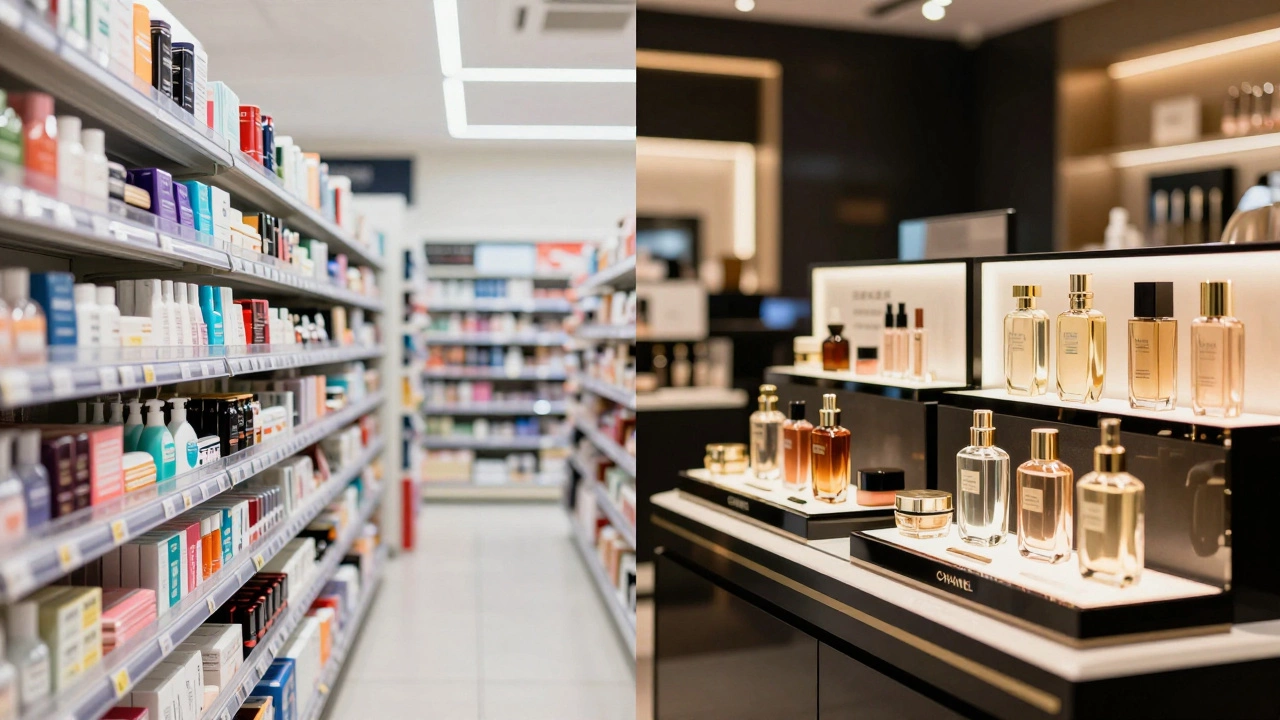
Walk into any drugstore or browse a luxury boutique, and you’ll see hundreds of logos fighting for your attention. But if you look past the flashy packaging and influencer endorsements, one question remains: who actually runs this industry? When people ask "what is the top beauty brand," they usually mean one of two things. Either they want to know which single company sells the most products globally, or they are looking for the best quality brand for their specific skin type. The answer changes completely depending on how you measure "top."
In 2026, the landscape is dominated by giants that own dozens of smaller brands. If we talk about revenue and sheer scale, L'Oréal is the world's largest cosmetics group, generating over €41 billion in annual revenue. It isn't just one brand; it’s an empire that includes Maybelline, Lancôme, Kiehl's, and Yves Saint Laurent Beauty. However, if you define "top" by prestige, heritage, and high-end innovation, names like Chanel, Dior, and Estée Lauder take the lead. This guide breaks down who really holds the crown, why the definition matters, and how to spot the real leaders from the marketing hype.
The Revenue Kings: Who Sells the Most?
If your metric for "top" is financial dominance, the list is short and predictable. These companies control the supply chains, the retail shelves, and the digital ad space. They don’t just sell lipstick; they own the infrastructure of modern beauty.
L'Oréal sits at the undisputed summit. Founded in Paris in 1909, it has grown into a multinational powerhouse with a presence in 150 countries. Their strategy is simple but effective: they have a product for every price point. You can buy a $5 mascara from their mass-market arm (Maybelline) and a $150 serum from their luxury division (La Prairie). This vertical integration allows them to cross-pollinate technology. A peptide developed for a high-end skincare line often trickles down to affordable drugstore products within a few years.
Close behind is Estée Lauder Companies, known for its portfolio of prestigious brands. While L'Oréal wins on volume, Estée Lauder wins on margin and brand loyalty in the luxury sector. They own Clinique, MAC Cosmetics, Jo Malone, and Tom Ford Beauty. In 2026, their focus has shifted heavily toward "skinification"-blurring the lines between makeup and skincare. Their top sellers aren't just foundations anymore; they are hybrid products that offer coverage while delivering clinical-grade ingredients like retinol and hyaluronic acid.
Another heavyweight is Shiseido, the Japanese giant. Often overlooked in Western markets, Shiseido is a technological marvel. They invented the first sunscreen specifically designed for Asian skin tones and pioneered many anti-aging technologies. With acquisitions like NARS and Fresh, they balance artistic creativity with scientific rigor. For consumers interested in minimalist aesthetics and potent actives, Shiseido’s sub-brands are often considered the "top" choice by dermatologists.
| Company | Primary Strength | Key Brands Owned | Best For Consumers Who... |
|---|---|---|---|
| L'Oréal | Scale & Accessibility | Maybelline, Lancôme, Kiehl's | Want reliable staples at any price |
| Estée Lauder | Luxury & Prestige | MAC, Clinique, Jo Malone | Prioritize status and high-end experience |
| Shiseido | Innovation & Science | NARS, Fresh, Clé de Peau | Seek advanced skincare technology |
| Coty Inc. | Fragrance & Trend | Gucci Beauty, Kylie Cosmetics | Follow celebrity trends and scents |
The Indie Disruptors: Quality Over Quantity
While the big corporations dominate the headlines, the definition of "top" has shifted dramatically for everyday shoppers. In 2026, trust is the new currency. Consumers are increasingly skeptical of massive conglomerates due to concerns over greenwashing and ingredient transparency. This has allowed independent brands to claim the title of "top" in specific niches.
Consider Tatcha. Though now owned by Kose Corporation, it operates with an indie ethos. It became the top brand for clean luxury by focusing on Japanese botanicals and sustainable packaging. Its Rice Polish exfoliant is a cult favorite not because of ads, but because it delivers visible results without irritation. Similarly, Drunk Elephant revolutionized the market by enforcing a strict "Suspicious 6" list, banning ingredients like silicones and essential oils. For sensitive skin types, Drunk Elephant is often cited as the top brand because it prioritizes skin barrier health over trendy additives.
Then there is the rise of direct-to-consumer science brands like The Ordinary (owned by Deciem, which was acquired by Estée Lauder but maintains distinct branding). The Ordinary disrupted the industry by selling pure active ingredients at transparent prices. A bottle of Niacinamide 10% + Zinc 1% costs less than a cup of coffee. For budget-conscious students and skincare enthusiasts who understand chemistry, The Ordinary is the top brand because it removes the markup associated with luxury marketing.
Why "Top" Depends on Your Skin Type
Here is the hard truth: the number one best-selling foundation in the world might be terrible for your face. The "top" brand is highly subjective and depends entirely on your biological needs. Let’s break this down by common consumer profiles.
- Oily/Acne-Prone Skin: Look for brands specializing in non-comedogenic formulas. CeraVe and La Roche-Posay (both part of L'Oréal) are frequently recommended by dermatologists. They don’t win fashion awards, but they win on efficacy. Their use of ceramides and niacinamide helps repair the skin barrier without clogging pores.
- Dry/Mature Skin: Luxury brands shine here. Sisley Paris and Augustinus Bader are top contenders. Augustinus Bader uses TFC8® technology, a patented complex that aids cellular renewal. It’s expensive, but for those seeking anti-aging results backed by proprietary science, it’s often worth the investment.
- Sensitive Skin: Minimalism is key. Avene and Vichy utilize thermal spring water as a base, which is soothing and rich in minerals. These brands avoid fragrances and harsh preservatives, making them the top choice for reactive skin conditions like rosacea or eczema.
- Eco-Conscious Consumers: Brands like Ilia Beauty and RMS Beauty lead the pack. They use organic, food-grade ingredients and recyclable packaging. For buyers who view makeup as an extension of their ethical values, these are the top brands regardless of sales figures.
The Role of Sustainability in Ranking Brands
In 2026, you cannot call yourself a top beauty brand without a credible sustainability strategy. It’s no longer enough to plant a tree for every purchase. Consumers demand circular economy models. This means refillable compacts, waterless formulations, and biodegradable packaging.
Chanel has made significant strides with its "Refill & Recycle" program. Their Les Beiges foundation comes in a glass bottle that can be refilled at counters worldwide. Diptyque has also revamped its packaging to reduce plastic use. Meanwhile, indie brands like Meow Meow Tweet go further by using compostable tubes and zero-plastic shipping materials. If environmental impact is your primary filter, these niche players outrank the global giants.
How to Spot Marketing Hype vs. Real Value
Not all "top" brands are created equal. Many rely on aggressive social media campaigns rather than product quality. Here is how to tell the difference:
- Check the Ingredient List: If a brand claims to be "natural" but lists synthetic fragrances or parabens near the top, it’s misleading. Look for active ingredients listed within the first five components.
- Read Dermatologist Reviews: Influencers get paid to promote. Dermatologists test for safety and efficacy. Search for reviews from board-certified professionals, not just TikTok stars.
- Look for Clinical Trials: Top-tier brands publish data. Does the brand have studies proving their anti-aging claims? Or do they rely on vague terms like "radiance" and "glow" without evidence?
- Assess Customer Service: Try returning a product. A top brand stands behind its quality. If the return process is a nightmare, the customer experience is flawed, regardless of how good the lipstick looks.
Future Trends: What Will Define the Next Top Brand?
The beauty industry is moving fast. By late 2026 and into 2027, three trends will determine the next generation of top brands:
Personalization via AI: Brands like Proven Skincare use algorithms to analyze your skin environment, lifestyle, and local weather to create custom formulations. The future isn't one-size-fits-all; it’s one-size-fits-you.
Microbiome-Friendly Products: We now know that skin has its own ecosystem of bacteria. Top brands are shifting away from antibacterial cleansers to prebiotic and probiotic formulas that feed good bacteria. Biossance and John Masters Organics are early leaders here.
Transparency Blockchain: Some luxury brands are experimenting with blockchain to track ingredients from farm to face. This ensures that claims about fair trade and organic sourcing are verifiable, not just marketing copy.
Is L'Oréal better than Estée Lauder?
It depends on what you value. L'Oréal is larger and offers more affordable options through brands like Maybelline and Garnier. Estée Lauder focuses on prestige and luxury with brands like MAC and Clinique. L'Oréal wins on accessibility; Estée Lauder wins on high-end perception.
What is the most trusted skincare brand in 2026?
Trust varies by need. For medical-grade trust, La Roche-Posay and CeraVe are top choices. For luxury trust, Sisley and Augustinus Bader lead. For clean beauty trust, Drunk Elephant and Ilia are highly rated.
Are expensive beauty brands worth the money?
Sometimes. Luxury brands often invest more in research, packaging, and sensory experience. However, many drugstore brands use the same active ingredients (like retinol or vitamin C) at a fraction of the cost. Pay for the brand only if the formulation or delivery system is unique.
Which beauty brand is best for sensitive skin?
Brands formulated for sensitivity include Avène, Vichy, La Roche-Posay, and Aveeno. These brands typically avoid fragrance, alcohol, and harsh sulfates, focusing instead on soothing ingredients like thermal water and oat extract.
How do I know if a beauty brand is truly cruelty-free?
Look for certification from Leaping Bunny or PETA. Note that some large parent companies may own cruelty-free brands but still sell in markets where animal testing is required by law. Check the specific brand’s policy, not just the parent company.