
Which Skincare Brand Has No Chemicals? The Truth About 'Chemical-Free'
 Nov, 19 2026
Skincare Ingredient Scanner
Paste an ingredient list (INCI) below to see a breakdown of potential synthetic compounds, natural botanicals, and common irritants. Remember: everything is a chemical!
You walk down the aisle of a health food store or scroll through an online boutique, and you see it: chemical-free. It’s printed in bold green letters on a bottle of moisturizer that costs $45. You pick it up, expecting to find something pure, untouched by science, maybe even holy water. But here is the kicker: there is no such thing as chemical-free skincare. Not one brand exists that fits this description perfectly. Why? Because water is a chemical. Oxygen is a chemical. Your skin is made of chemicals.
If you are looking for a brand that literally has zero chemicals, you are looking for a vacuum. But if you are looking for brands that avoid synthetic additives, harsh preservatives, and artificial fragrances, then we have plenty of options. This article breaks down why the term "chemical-free" is a marketing myth, what you should actually look for on ingredient lists, and which brands come closest to delivering truly natural, minimally processed skincare in 2026.
The Myth of Chemical-Free Skincare
Let’s get the science out of the way quickly, because understanding this changes how you shop forever. In chemistry, a "chemical" is any substance with a definite composition. That includes things like sodium chloride (table salt), glycerin (a humectant found in almost every moisturizer), and hyaluronic acid (which your body produces naturally). When a brand claims their product is chemical-free, they usually mean it is free from synthetic chemicals or specific controversial compounds like parabens, sulfates, or phthalates.
This distinction matters. If you reject all chemicals, you reject water. And since most skincare products are emulsions of oil and water, a truly chemical-free cream would just be solidified fat. So, when you hunt for the best organic skincare, you aren’t hunting for magic; you’re hunting for transparency. You want brands that use ingredients derived from nature rather than synthesized in a lab, or at least those that process natural ingredients with minimal intervention.
Chemical-Free Marketing is a labeling practice where brands imply purity by suggesting the absence of synthetic substances, despite the scientific reality that all matter consists of chemicals. This term is not regulated by the FDA or most global standards bodies, making it a legally gray area used primarily for consumer appeal.
What "Natural" Actually Means on the Label
Since "chemical-free" is impossible, what should you look for instead? The term "natural" is slightly better but still tricky. There is no single global definition for "natural" in cosmetics. However, reputable certifications help cut through the noise. Look for seals from organizations like COSMOS, Ecocert, or USDA Organic. These groups have strict rules about what percentage of ingredients must be organically farmed and how they are processed.
For example, a COSMOS-certified product ensures that at least 95% of physically processed agro-ingredients are organic. It also bans certain synthetic preservatives and requires biodegradable packaging. This gives you a concrete metric. Instead of guessing if a brand is honest, you check for these third-party validations. They act as a filter for quality and ethical sourcing.
Key Ingredients to Watch For
When scanning an ingredient list (also known as INCI names), ignore the front label and go straight to the back. Here is a quick cheat sheet for common natural alternatives versus synthetic ones:
- Preservatives: Look for Leuconostoc/Radish Root Ferment Filtrate or Potassium Sorbate instead of Parabens or Phenoxyethanol.
- Fragrance: Look for essential oils like Lavandula Angustifolia (Lavender) Oil instead of generic "Parfum" or "Fragrance," which can hide dozens of undisclosed chemicals.
- Emollients: Look for Simmondsia Chinensis (Jojoba) Seed Oil or Cocos Nucifera (Coconut) Oil instead of Mineral Oil or Dimethicone.
Top Brands That Minimize Synthetic Chemicals
No brand is perfect, but some do a much better job than others at keeping their formulas simple and rooted in nature. Here are three categories of brands that align with the spirit of "chemical-free" shopping.
1. The Raw Ingredient Purists
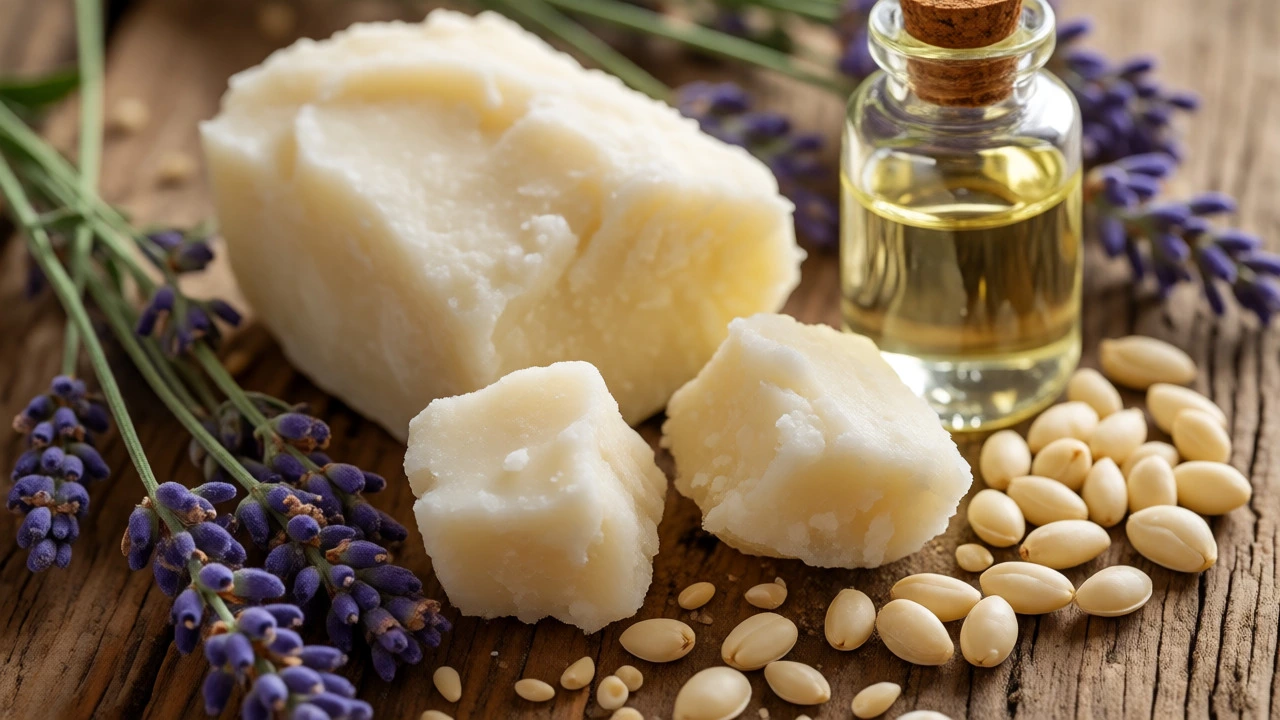
These brands sell single-ingredient products. Think pure shea butter, pure argan oil, or raw honey. Because there is only one ingredient, there is virtually no room for hidden synthetics. Brands like Pure Shea Butter Co. or local apothecaries selling unrefined oils fit this category. The benefit? Total transparency. The downside? You have to mix your own routines, and shelf life can be shorter without synthetic stabilizers.
2. The Certified Organic Powerhouses
Brands like Dr. Hauschka, Weleda, and Juice Beauty have been around for decades. They rely heavily on plant extracts and avoid many of the harsher synthetic detergents and preservatives found in drugstore brands. While they do contain processed ingredients (like emulsifiers needed to keep oil and water mixed), they prioritize botanical sources. Their formulations are complex but generally exclude the most controversial synthetic compounds.
3. The Modern Minimalists
Newer brands often market themselves as "clean." Companies like Tata Harper or OSEA Malibu focus on high-performance botanicals. They might use some safe synthetics (like vitamin C derivatives that are more stable than pure L-ascorbic acid) but avoid the "dirty dozen" ingredients. This approach balances efficacy with purity, recognizing that sometimes a small amount of a safe synthetic helps the natural ingredients work better.
| Approach | Typical Ingredients | Pros | Cons |
|---|---|---|---|
| Raw/Pure | Single oils, butters, clays | Zero hidden ingredients, highly affordable | Short shelf life, difficult to formulate |
| Certified Organic | Plant extracts, natural emulsifiers | Rigorous standards, eco-friendly | Can still cause allergies, higher price |
| Modern Clean | Botanicals + safe synthetics | Better texture, proven efficacy | Still contains some lab-made components |
Why "Free From" Lists Are More Useful Than "Chemical-Free" Claims
Instead of asking "Is this chemical-free?", ask "What is this free from?" Many brands now publish explicit exclusion lists. This is far more helpful for consumers with sensitivities. Common exclusions include:
- Sulfates (SLS/SLES)
- Parabens
- Synthetic Fragrances
- Formaldehyde Releasers
- Oxybenzone
If a brand clearly states it excludes these, you know exactly what you are avoiding. This specificity empowers you to make choices based on your skin’s needs, not vague marketing promises. For instance, if you have eczema, avoiding fragrance is crucial. A "chemical-free" claim doesn’t tell you if fragrance is present, but a "fragrance-free" claim does.
The Problem with Natural Preservatives
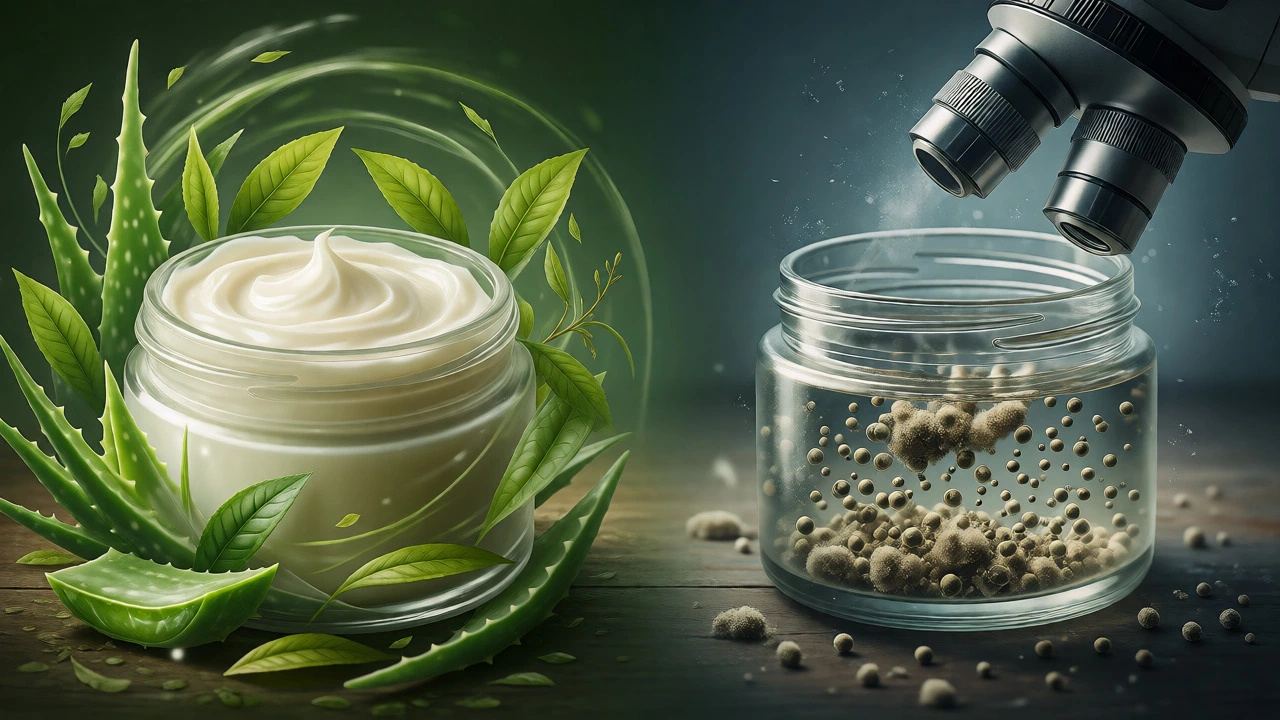
Here is a hard truth: natural skincare spoils faster. Without strong synthetic preservatives, bacteria and mold can grow in your jar of cream. This isn’t just annoying; it can lead to skin infections. Many "chemical-free" enthusiasts skip patch testing, assuming natural means gentle. But poison ivy is natural. Arsenic is natural. Essential oils, while natural, are potent allergens for many people.
Always check the expiration date. If a product smells rancid or changes color significantly, toss it. Some brands use natural preservative systems like rosemary extract or vitamin E, but these are less robust than synthetic options. Store your natural skincare in cool, dark places to extend its life. Refrigeration is often a good idea for fresh, organic masks or creams.
How to Read an INCI List Like a Pro
Ingredient lists follow the International Nomenclature of Cosmetic Ingredients (INCI). The order matters. Ingredients are listed in descending order of concentration. The first five ingredients typically make up 80-90% of the product. If you buy a "Hyaluronic Acid Serum" and hyaluronic acid is the last ingredient, you are mostly buying water and thickeners.
Look for Latin names. Botanicals will appear in Latin (e.g., Aloe Barbadensis Leaf Juice). Synthetics often have English names or chemical structures. If you see words like "Polyethylene Glycol" or "Dimethicone," those are synthetic. If you see "Camellia Sinensis Leaf Extract," that’s green tea. Learning to spot these patterns takes time, but it makes you immune to marketing fluff.
Final Thoughts: Choose Transparency Over Purity
Stop searching for the unicorn brand that has no chemicals. Start searching for the brand that tells you exactly what is inside. Whether it’s a tiny local maker in Wellington using locally sourced manuka honey or a large certified organic corporation, the best skincare is the kind that respects your skin barrier and uses ingredients you understand. Prioritize brands with clear sourcing stories, third-party certifications, and transparent ingredient lists. Your skin doesn’t need to be chemical-free; it needs to be well-cared-for.
Is water considered a chemical in skincare?
Yes, absolutely. Water (H2O) is a chemical compound. Since most skincare products are largely composed of water, claiming a product is "chemical-free" is scientifically inaccurate unless it contains no water at all, which is rare for creams and lotions.
Are natural ingredients always safer than synthetic ones?
No. Safety depends on the specific ingredient and its concentration, not its origin. Some natural essential oils can cause severe allergic reactions, while many synthetic ingredients are rigorously tested and safe. Conversely, some natural plants can be toxic if not processed correctly.
What is the difference between "organic" and "natural" skincare?
"Natural" refers to ingredients derived from nature, but they may still be grown with pesticides. "Organic" means the ingredients were grown without synthetic pesticides or fertilizers and are certified by a governing body. Organic is a stricter standard than natural.
Why do natural skincare products expire faster?
Synthetic preservatives are very effective at stopping bacterial growth. Natural preservatives, such as rosemary extract or radish root ferment, are milder. Therefore, natural products have a shorter shelf life and require careful storage, often away from heat and sunlight.
Can I make my own chemical-free skincare at home?
You can make simple products like face masks or oil blends at home using single ingredients like honey, yogurt, or jojoba oil. However, creating stable emulsions (mixing oil and water) without synthetic emulsifiers and preservatives is difficult and risky due to contamination.