
What Vitamin Helps Hair Grow? The Science-Backed Guide to Biotin, D, and More
 Aug, 9 2026
Hair Growth Nutrient & Deficiency Checker
Your Nutrient Analysis
Recommended Action Plan
You stare in the mirror, combing through strands that feel thinner than they used to. You notice more hair on your pillow after sleeping or clogging the drain when you shower. It’s a frustrating reality for millions of people. Before you rush out to buy expensive shampoos or serums, consider this: your hair might not need a new product. It might need nutrition from the inside out.
Hair is largely made of a protein called keratin. When your body lacks specific nutrients, it prioritizes vital organs like your heart and brain, leaving non-essential tissues like hair follicles short-changed. This leads to weak, brittle hair that breaks easily or stops growing altogether. Understanding which vitamin helps hair grow can be the missing piece in your routine.
Quick Summary: Key Takeaways
- Biotin (Vitamin B7) supports keratin production but only helps if you have a diagnosed deficiency.
- Vitamin D plays a critical role in creating new hair follicles; low levels are strongly linked to alopecia.
- Vitamin C boosts collagen synthesis and helps absorb iron, both essential for strong hair shafts.
- Iron is crucial for delivering oxygen to hair cells; anemia is a leading cause of hair shedding in women.
- Zinc aids in tissue repair and keeps oil glands around follicles working properly.
The Star Player: Why Biotin Gets All the Attention
If you search for hair growth supplements online, Biotin is a water-soluble B-vitamin (B7) that plays a key role in converting food into energy and supporting keratin infrastructure will likely be the first result. It’s marketed as the miracle cure for thinning hair. But does it actually work?
Biotin is essential for producing keratin, the fibrous structural protein that makes up your hair, skin, and nails. Without enough biotin, hair can become brittle and break. However, true biotin deficiency is rare in healthy adults who eat a balanced diet. Foods like eggs, almonds, spinach, sweet potatoes, and salmon are rich in this nutrient.
Research suggests that biotin supplements primarily benefit those with a confirmed deficiency or specific genetic conditions affecting biotin metabolism. For the average person, taking extra biotin won’t necessarily make hair grow faster or thicker. In fact, high doses of biotin can interfere with certain lab tests, including thyroid and troponin tests, leading to misdiagnosis. If you suspect a deficiency, ask your doctor for a blood test before loading up on pills.
The Unsung Hero: Vitamin D and Follicle Creation
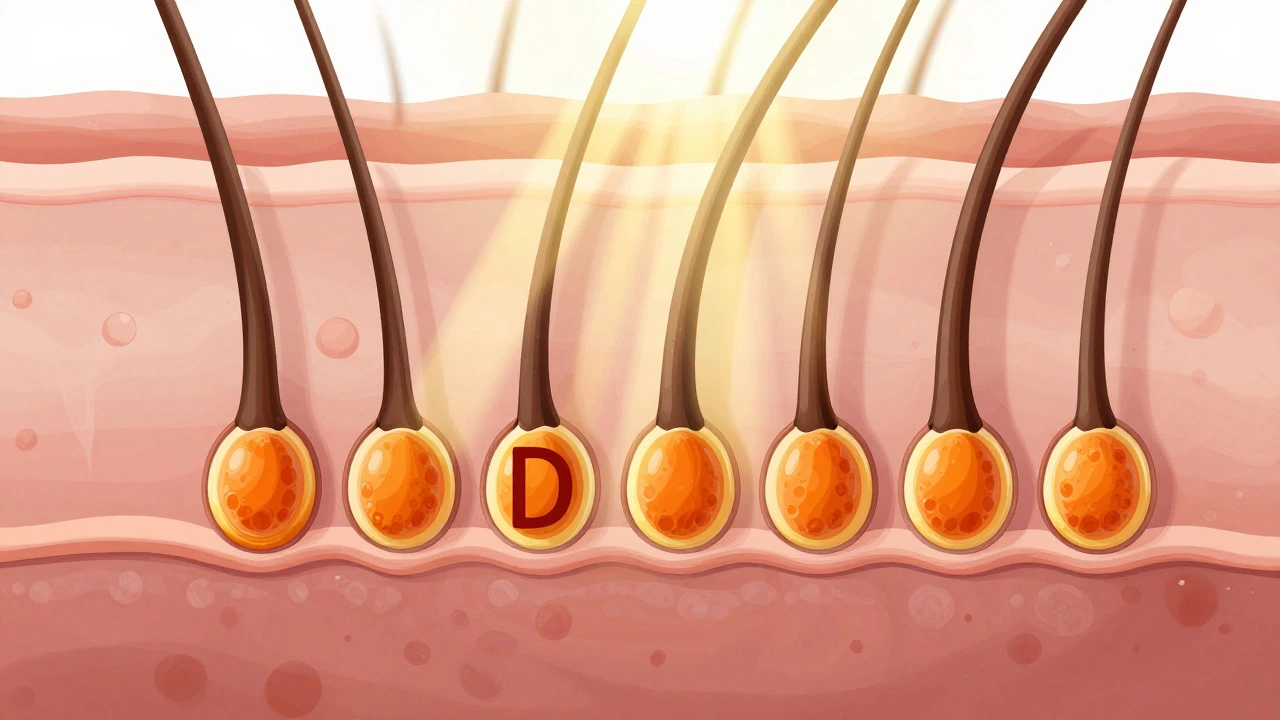
While biotin gets the spotlight, Vitamin D is a fat-soluble vitamin that acts like a hormone in the body, regulating calcium absorption and immune function might be doing more heavy lifting for your hair than you realize. Unlike other vitamins that support existing hair, Vitamin D is involved in the creation of new hair follicles-the tiny structures under your skin where hair grows.
Studies have shown a significant link between low Vitamin D levels and various forms of hair loss, including alopecia areata (an autoimmune condition causing patchy hair loss) and female pattern baldness. One study published in the Journal of Clinical Investigation found that patients with alopecia had significantly lower serum Vitamin D levels compared to healthy controls.
Since we get most of our Vitamin D from sunlight, people living in northern latitudes or those who spend most of their time indoors are at higher risk. In Wellington, New Zealand, where cloud cover is frequent, many residents struggle to maintain optimal levels. Dietary sources include fatty fish like salmon and mackerel, fortified milk, and egg yolks. A simple blood test can determine if you’re deficient, and supplementation under medical guidance can help restore balance.
Collagen Builder: The Role of Vitamin C
You can’t build strong hair without collagen. Vitamin C is a powerful antioxidant and essential cofactor for collagen synthesis, protecting hair follicles from damage is non-negotiable for hair health. Collagen provides structure and strength to hair strands, preventing them from breaking off prematurely.
Without sufficient Vitamin C, collagen production slows down, leading to dry, frizzy, and brittle hair. Additionally, Vitamin C enhances the absorption of non-heme iron (the type found in plant-based foods). Since iron deficiency is a major cause of hair loss, especially among vegetarians and menstruating women, Vitamin C indirectly supports hair density by ensuring your body utilizes the iron you consume.
Incorporate citrus fruits, strawberries, bell peppers, and broccoli into your daily meals. These foods provide high amounts of Vitamin C along with antioxidants that combat oxidative stress, which can accelerate aging of hair follicles.
Oxygen Delivery: Iron and Zinc Matter Too
Iron isn’t technically a vitamin, but it’s often grouped with nutrients that affect hair growth because its impact is profound. Iron is a mineral that carries oxygen in red blood cells to tissues, including hair follicles. When iron levels drop (anemia), the body reduces blood flow to hair follicles to preserve oxygen for vital organs. This starvation signal causes hair to enter the resting phase (telogen) and fall out.
Women are particularly susceptible to iron-deficiency anemia due to menstrual blood loss. Symptoms include fatigue, pale skin, and increased hair shedding. If you experience these signs, request a ferritin test (which measures stored iron) rather than just a standard hemoglobin test. Normal hemoglobin doesn’t always mean adequate iron stores for hair health.
Similarly, Zinc is a trace mineral essential for DNA synthesis, cell division, and tissue repair plays a dual role. It helps repair hair tissue and keeps the oil glands around follicles functioning correctly. Zinc deficiency can lead to hair loss, while excessive zinc intake can cause copper deficiency, which also triggers hair shedding. Balance is key. Good sources include oysters, beef, pumpkin seeds, and lentils.
Comparison Table: Vitamins and Minerals for Hair Health
| Nutrient | Primary Function | Best Food Sources | Risk of Deficiency |
|---|---|---|---|
| Biotin (B7) | Keratin production | Eggs, almonds, spinach | Low (rare in balanced diets) |
| Vitamin D | Follicle creation | Sunlight, fatty fish, fortified milk | High (especially in winter/indoor lifestyles) |
| Vitamin C | Collagen synthesis & iron absorption | Citrus, berries, bell peppers | Moderate |
| Iron | Oxygen delivery to follicles | Red meat, spinach, lentils | High (women, vegetarians) |
| Zinc | Tissue repair & oil gland regulation | Oysters, beef, pumpkin seeds | Moderate |
How to Build a Hair-Supportive Diet
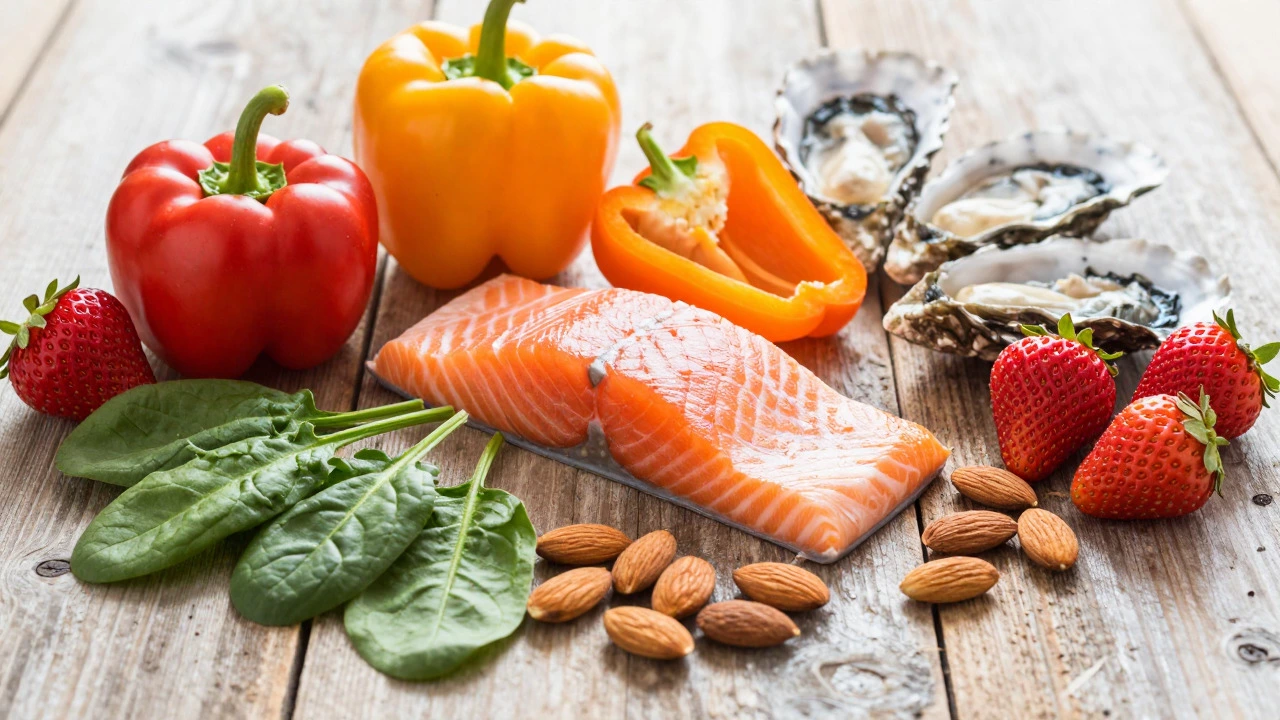
Instead of relying solely on supplements, focus on building a nutrient-dense diet. Here’s a practical approach:
- Start with Protein: Hair is 90% protein. Include lean meats, beans, nuts, and seeds in every meal.
- Add Color: Eat a rainbow of fruits and vegetables to ensure you get Vitamins A, C, and E, plus antioxidants.
- Include Healthy Fats: Omega-3 fatty acids from flaxseeds, chia seeds, and walnuts reduce inflammation in the scalp.
- Hydrate: Dehydration affects all bodily functions, including hair growth. Aim for at least 2 liters of water daily.
- Consider a Multivitamin: If your diet is inconsistent, a basic multivitamin can fill gaps. Look for one with moderate doses of Vitamin D and B-complex.
When Supplements Make Sense
Supplements should complement, not replace, a healthy diet. They are most effective when addressing a specific deficiency identified by a healthcare provider. For example, if your blood work shows low Vitamin D, a supplement will directly address the root cause of your hair loss. Taking random supplements without knowing your baseline levels can sometimes do more harm than good.
Be cautious of proprietary blends that hide ingredient dosages. Transparency matters. Choose brands that undergo third-party testing for purity and potency. Remember, consistency is key. Hair grows slowly-about half an inch per month. It takes three to six months of consistent nutritional support to see noticeable changes in thickness and growth rate.
Common Myths Debunked
Myth: Eating carrots gives you great hair because of beta-carotene. Fact: While Vitamin A (from beta-carotene) is important for sebum production, too much preformed Vitamin A (retinol) from supplements can actually cause hair loss. Stick to food sources for safety.
Myth: Biotin cures male pattern baldness. Fact: Male pattern baldness is primarily driven by genetics and hormones (DHT). Biotin may improve hair quality but won’t stop genetic hair loss.
Myth: Expensive shampoos contain magic ingredients. Fact: Shampoos cleanse the scalp but don’t penetrate deep enough to alter hair growth cycles. Nutrition and scalp health matter far more.
Next Steps and Troubleshooting
If you’ve adjusted your diet and still experience significant hair loss, consult a dermatologist or trichologist. They can perform a scalp examination and blood tests to rule out underlying conditions like thyroid disorders, autoimmune diseases, or hormonal imbalances. Early intervention yields better results.
For immediate relief, focus on gentle hair care practices. Avoid tight hairstyles that pull on roots, minimize heat styling, and use sulfate-free shampoos to prevent scalp irritation. Combine internal nutrition with external care for the best outcome.
Which vitamin is best for hair growth?
There is no single "best" vitamin. Vitamin D is crucial for follicle creation, Biotin supports keratin production, and Vitamin C aids collagen synthesis. A combination of these, along with Iron and Zinc, provides comprehensive support.
Can biotin really regrow hair?
Biotin can improve hair strength and reduce breakage if you are deficient. However, it does not typically stimulate new hair growth in people with normal biotin levels. It works best as part of a broader nutritional strategy.
How long does it take for vitamins to show results on hair?
Hair grows slowly, approximately 1.25 cm (half an inch) per month. You usually need to take supplements consistently for 3 to 6 months before seeing visible improvements in thickness or growth rate.
Are there side effects to taking hair growth vitamins?
Yes. High doses of Vitamin A can cause hair loss. Excessive Zinc can lead to copper deficiency. Biotin can interfere with lab test results. Always follow recommended dosages and consult a doctor before starting new supplements.
Should I take a multivitamin or individual supplements?
A high-quality multivitamin is a good starting point for general health. If you have a diagnosed deficiency (like low Vitamin D or Iron), targeted supplements under medical supervision are more effective and safer.
Does Vitamin E help hair grow?
Vitamin E is an antioxidant that reduces oxidative stress on the scalp. Some studies suggest topical application or oral supplementation may promote hair growth, but evidence is less robust than for Vitamin D or Iron.