
What Speeds Up Aging the Most? The Top 7 Accelerators of Skin and Cellular Aging
 Aug, 6 2026
Premature Aging Risk Calculator
Check the habits that apply to you. Each factor contributes to accelerated biological aging.
Your Assessment
Select your habits above to see how they impact your aging process.
Recommended Action Plan:
Look in the mirror. Do you see lines that didn’t exist five years ago? Maybe your skin feels thinner or duller than it used to. We often blame time, but chronological age is only part of the story. Some people look decades older than their birth certificate says, while others seem untouched by time. The difference usually isn't genetics alone. It’s what we expose our bodies to every single day.
Understanding premature aging is defined as the accelerated breakdown of skin structure and function caused by external environmental factors and internal lifestyle choices rather than natural genetic programming is the first step to stopping it. Research shows that up to 80% of visible facial aging is due to extrinsic factors-things you can actually control. If you want to know what speeds up aging the most, you need to look beyond wrinkles and examine the biological mechanisms tearing your cells apart from the inside out.
The Silent Killer: Ultraviolet Radiation
If there is one undisputed champion of aging, it is ultraviolet (UV) radiation. Dermatologists call this process photoaging is damage to the skin resulting from cumulative exposure to ultraviolet light, accounting for approximately 90 percent of visible changes associated with sun exposure. You might think a tan is healthy, but biologically, a tan is a sign of DNA damage. When UV rays hit your skin, they penetrate deep into the dermis, where collagen and elastin fibers live.
Think of collagen as the steel rebar in concrete and elastin as the rubber bands holding everything together. UV radiation doesn't just wear these down; it shatters them. It triggers enzymes called matrix metalloproteinases (MMPs) that literally eat away at your collagen network. This happens even on cloudy days. UVA rays, which cause aging, penetrate glass and clouds, while UVB rays cause burning. Most people apply sunscreen only when they are going to the beach. That is a mistake. Daily, consistent use of broad-spectrum SPF 30 or higher is the single most effective anti-aging treatment available. Without it, no amount of expensive cream will fix the structural collapse happening beneath the surface.
Glycation: How Sugar Steals Your Youth
You hear about sugar causing acne, but its effect on aging is far more profound. This process is known as glycation. When you consume excessive amounts of refined sugars and carbohydrates, glucose molecules float freely in your bloodstream. Eventually, these sticky sugar molecules attach themselves to proteins, including collagen and elastin. This creates harmful compounds called advanced glycation end products (AGEs).
Imagine leaving a slice of bread out until it becomes hard and brittle. That is what AGEs do to your skin. They cross-link collagen fibers, making them stiff and prone to breaking. Instead of bouncing back, your skin sags. This isn't just about cake and candy. White bread, pasta, and soda spike your blood sugar just as effectively. Studies have shown that high-AGE diets lead to significantly more wrinkles and loss of elasticity compared to low-AGE diets. Cutting back on processed carbs isn't just for weight management; it is a direct defense against sagging skin.
Oxidative Stress and Environmental Pollutants
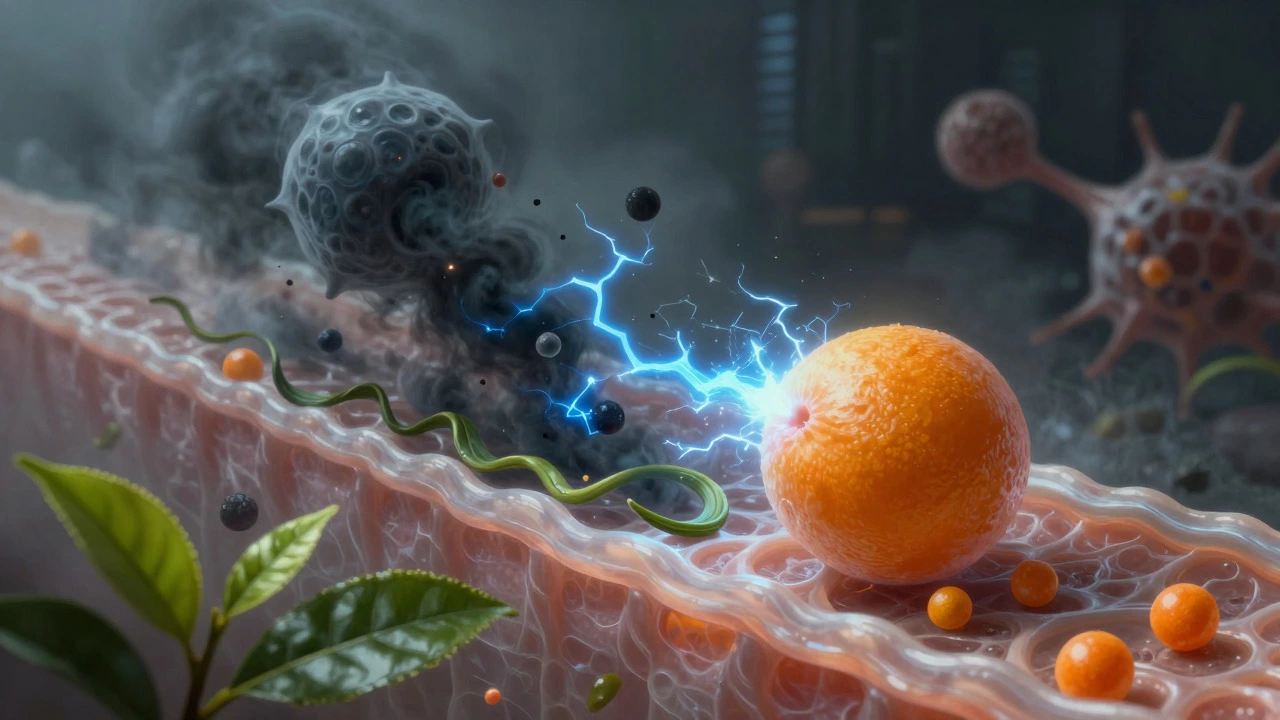
We spend most of our lives indoors, but the air inside isn't always safe for your skin. Outdoor pollutants like particulate matter (PM2.5), ozone, and nitrogen dioxide create a phenomenon known as oxidative stress. These tiny particles settle on your skin and generate free radicals. Free radicals are unstable atoms that steal electrons from healthy cells to stabilize themselves. In doing so, they damage cell membranes, proteins, and DNA.
This chain reaction weakens your skin's barrier function, leading to inflammation, redness, and accelerated aging. Cities with high pollution levels see higher rates of premature skin aging among residents. To combat this, antioxidants are non-negotiable. Vitamin C serums, green tea extracts, and resveratrol act as scavengers, neutralizing free radicals before they can cause harm. Washing your face twice a day removes surface pollutants, but topical antioxidants provide an active shield against the invisible damage occurring throughout the day.
Chronic Stress and the Cortisol Connection
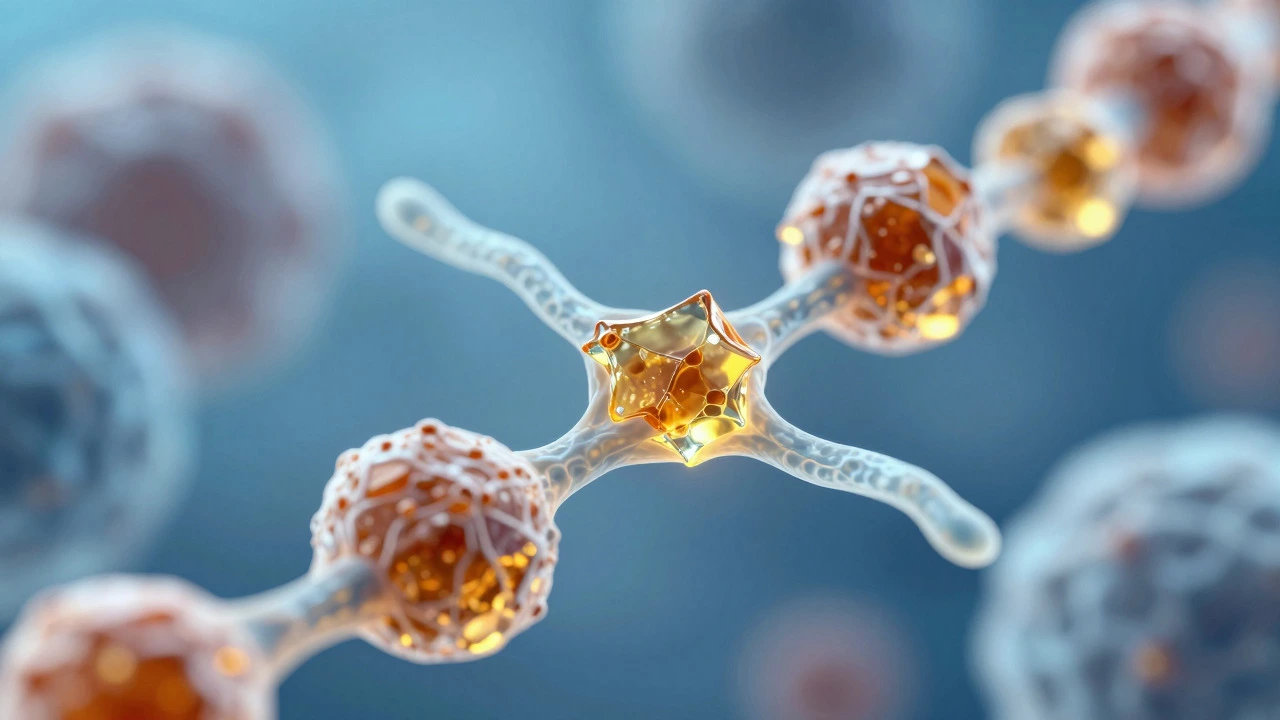
Your mind affects your body more than you realize. When you are stressed, your adrenal glands release cortisol, the primary stress hormone. In short bursts, cortisol helps you survive. But chronic stress keeps cortisol levels elevated, which has devastating effects on your skin. High cortisol breaks down collagen and impairs the skin's ability to repair itself overnight.
Stress also triggers inflammatory responses that exacerbate conditions like eczema, psoriasis, and acne. Furthermore, stress shortens telomeres. Telomeres are the protective caps at the ends of your chromosomes, similar to the plastic tips on shoelaces. Every time a cell divides, telomeres get shorter. When they become too short, the cell stops dividing or dies. Chronic stress accelerates this shortening process, essentially aging your cells faster than they should. Sleep deprivation worsens this effect. Lack of sleep increases cortisol and decreases human growth hormone, which is essential for tissue repair. Seven to nine hours of quality sleep is not a luxury; it is a biological necessity for maintaining youthful skin.
Smoking and Vaping: The Direct Attack
If you smoke, you are actively destroying your skin's infrastructure. Smoking constricts blood vessels, reducing the flow of oxygen and vital nutrients to the skin. This leads to a pale, grayish complexion and slower healing. More importantly, smoking generates massive amounts of free radicals and directly degrades collagen and elastin.
The repetitive motion of pursing lips to inhale also contributes to vertical lip lines, often called "smoker's lines." Recent studies suggest that vaping may not be much better. While it lacks some combustion byproducts, the aerosols still contain heavy metals and ultrafine particles that can induce oxidative stress and inflammation in the lungs and potentially affect systemic health markers linked to aging. Quitting smoking is one of the fastest ways to improve skin texture and color, though existing damage takes time to reverse.
Alcohol Consumption and Dehydration
A night out drinking might leave you with a hangover, but it also leaves your skin looking puffy, dull, and dehydrated. Alcohol is a diuretic, meaning it pulls water out of your body tissues, including your skin. Dehydrated skin appears thinner and makes fine lines more prominent. Beyond dehydration, alcohol disrupts sleep quality, further hindering the body's repair processes.
Additionally, many alcoholic beverages, especially wine and beer, contain high levels of histamines and sulfites, which can trigger inflammation and breakouts. Chronic heavy drinking also strains the liver, impairing its ability to filter toxins from the blood. When the liver is overwhelmed, toxins can build up in the skin, leading to a yellowish tint and uneven tone. Moderation is key. Limiting intake allows your body to maintain hydration balance and focus energy on cellular regeneration rather than detoxification.
Poor Diet and Nutrient Deficiencies
Your skin is made of what you eat. A diet high in processed foods, trans fats, and low in essential nutrients starves your skin of the building blocks it needs to stay resilient. Antioxidants like vitamins C and E, beta-carotene, and selenium protect against UV damage and inflammation. Omega-3 fatty acids found in fish, flaxseeds, and walnuts help maintain the skin's lipid barrier, keeping it hydrated and supple.
Conversely, a lack of zinc can impair wound healing and increase oil production, leading to acne scars that age the appearance of the skin. Iron deficiency can cause pallor and fatigue, making you look older than you are. Eating a rainbow of fruits and vegetables ensures a wide spectrum of phytonutrients that support skin health from the inside out. Supplements can help fill gaps, but whole foods provide synergistic benefits that pills cannot replicate.
| Factor | Primary Mechanism | Visible Effect | Prevention Strategy |
|---|---|---|---|
| UV Radiation | DNA damage, collagen breakdown | Wrinkles, spots, leathery texture | Daily broad-spectrum SPF 30+ |
| Sugar/Glycation | Formation of AGEs, stiffening collagen | Sagging, loss of elasticity | Reduce refined carbs and processed foods |
| Pollution | Oxidative stress, free radical generation | Dullness, inflammation, dark circles | Antioxidant serums, double cleansing |
| Stress/Cortisol | Inflammation, telomere shortening | Fine lines, breakouts, fatigue | Meditation, adequate sleep, exercise |
| Smoking | Vasoconstriction, collagen degradation | Gray complexion, deep lip lines | Cessation, antioxidant-rich diet |
How to Slow Down the Clock
Knowing what speeds up aging is useless if you don't know how to stop it. The good news is that prevention is largely within your control. Start with a solid skincare routine. Cleansing removes dirt and pollutants. Moisturizing strengthens the barrier. Sunscreen prevents future damage. Add retinoids, such as retinol or prescription tretinoin, which are proven to boost collagen production and accelerate cell turnover. They are considered the gold standard in topical anti-aging treatments.
Internally, prioritize sleep, manage stress through mindfulness or exercise, and eat a balanced diet rich in antioxidants and omega-3s. Avoid smoking and limit alcohol. These steps may seem simple, but consistency is key. Anti-aging is not a quick fix; it is a lifelong commitment to protecting your body's integrity. By addressing these major accelerators, you can significantly delay the visible signs of aging and maintain healthier, more vibrant skin for years to come.
Does genetics play a bigger role than lifestyle in aging?
Genetics accounts for about 20% of how you age, while lifestyle and environment account for the remaining 80%. While you cannot change your genes, you can heavily influence how they are expressed through epigenetics. Poor habits can turn on aging-related genes, while healthy habits can suppress them.
Can I reverse the damage caused by smoking?
You cannot fully reverse deep structural damage, but quitting smoking stops further degradation. Over time, blood flow improves, bringing oxygen and nutrients back to the skin. Collagen production can recover somewhat, leading to improved texture and color. Topical treatments like retinoids and vitamin C can help speed up this renewal process.
Is indoor lighting bad for my skin?
Standard indoor lighting emits very little UV radiation and is generally safe. However, blue light from screens and LED bulbs can contribute to oxidative stress and hyperpigmentation over long periods. While less damaging than sunlight, using antioxidants and sunscreen during the day provides protection against both UV and visible light.
How does sleep specifically affect skin aging?
During deep sleep, your body produces human growth hormone, which repairs damaged cells and builds new tissue. Lack of sleep raises cortisol levels, breaking down collagen. It also reduces blood flow to the skin, making it look pale and allowing dark circles to appear. Consistent, quality sleep is essential for nightly skin repair.
What is the best ingredient to fight photoaging?
Retinoids (like retinol and tretinoin) are the most clinically proven ingredients to reverse signs of photoaging by boosting collagen and cell turnover. Vitamin C is also crucial for protecting against free radicals and brightening pigmentation. Combining both in a morning/evening routine offers comprehensive protection and repair.