
What Procedure Takes 10 Years Off Your Face? Top Anti-Aging Treatments
 Nov, 5 2026
Anti-Aging Treatment Finder
Answer three quick questions to discover which treatments align with your goals. This tool is for informational purposes only; always consult a board-certified dermatologist or plastic surgeon.
Fill out the form to see recommendations.
You look in the mirror and notice the gravity has finally won. The jawline is softer, the neck isn't as tight, and those laugh lines aren't just lines anymore-they're creases. You want a change that looks real, not like you've been pulled backward by an invisible hand. So, what procedure takes 10 years off your face? It's rarely one single magic wand. Instead, it’s usually a strategic combination of volume restoration, skin tightening, and muscle relaxation. But if you force us to pick the heavy hitter that delivers the most dramatic visual shift for many people, we’re looking at deep-plane facelifts or high-intensity focused ultrasound (HIFU) depending on how much downtime you can tolerate.
The Reality Check: What "10 Years" Actually Means
Before you book a consultation, let's get real about expectations. No procedure turns back time literally. What these treatments do is reset the clock visually by addressing three specific aging mechanisms: volume loss, skin laxity, and dynamic wrinkles. If you only fix one, you’ll still look tired. For instance, filling hollow cheeks without tightening sagging jowls can make you look puffy rather than youthful. Conversely, pulling skin tight without replacing lost fat can leave you looking windblown and aged. The goal is harmony.
Most dermatologists and plastic surgeons agree that the most effective anti-aging strategy is multimodal. This means combining different types of interventions. A Rhytidectomy, commonly known as a facelift, remains the gold standard for significant sagging, but it comes with weeks of recovery. On the other end of the spectrum, injectables offer subtle tweaks with zero downtime. Finding the right balance depends entirely on your current skin condition, budget, and pain threshold.
Surgical Options: The Heavy Lifters
If you are over 50 and dealing with significant jowling and neck banding, creams and lasers likely won’t cut it. You need structural support. This is where surgery enters the chat. The traditional SMAS (Superficial Musculoaponeurotic System) facelift lifts the deeper layers of facial tissue, not just the skin. This prevents the "windblown" look associated with older techniques.
For those wanting maximum impact, the deep-plane facelift is often cited as the procedure that truly takes a decade off. By releasing ligaments and repositioning the entire facial composite, surgeons can restore youthfulness naturally. Recovery is intense-expect two to four weeks of bruising and swelling-but the results last ten years or more. Compare this to non-surgical options that require maintenance every six to twelve months, and the value proposition shifts.
| Procedure Type | Downtime | Result Duration | Best For |
|---|---|---|---|
| Deep-Plane Facelift | 2-4 Weeks | 10+ Years | Significant jowling, loose neck skin |
| Mini Facelift | 1 Week | 3-5 Years | Mild to moderate sagging |
| HIFU (Ultherapy) | 0 Days | 1-2 Years | Early laxity, prevention |
| Botox & Fillers | 0 Days | 6-18 Months | Wrinkles, volume loss |
Non-Surgical Powerhouses: Injectables and Energy Devices
Not everyone wants to go under the knife. Fortunately, technology has advanced enough to deliver impressive results without incisions. Let’s talk about neuromodulators and dermal fillers first. Botox (botulinum toxin type A) freezes the muscles responsible for crow's feet and forehead lines. It doesn’t lift the face, but it smooths the canvas. Meanwhile, hyaluronic acid fillers replace lost volume in the temples, cheeks, and lips. When done correctly, this restores the youthful triangular shape of the face.
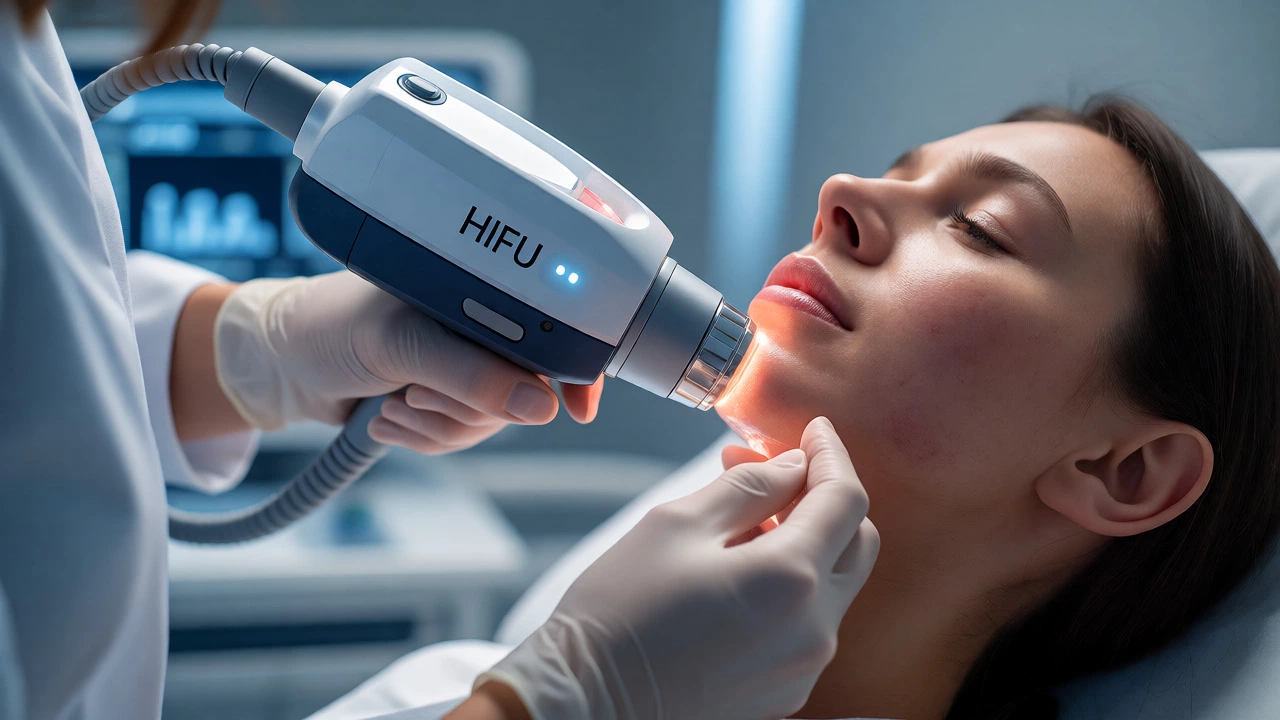
However, fillers alone don’t tighten skin. That’s where energy-based devices come in. Ultrasound treatments like Ultherapy use focused sound waves to heat deep tissue layers, stimulating collagen production. Radiofrequency microneedling, such as Morpheus8, combines needles with heat to remodel both the surface and deep structure of the skin. These treatments build up gradually. You might see subtle improvements over three to six months as new collagen forms. They are excellent for patients who aren’t ready for surgery but want more than topical creams can offer.
The Role of Skin Quality: Lasers and Resurfacing
You can have a perfectly lifted face, but if the skin texture is rough, pigmented, or dull, you’ll still look older than you are. Surface-level rejuvenation is crucial. Fractional CO2 laser resurfacing is aggressive but effective. It removes damaged outer layers and heats the underlying dermis, triggering a massive healing response. This reduces fine lines, sun spots, and acne scars. Expect redness for several days, but the glow-up is undeniable.
For less invasive options, chemical peels using trichloroacetic acid (TCA) can brighten tone and improve texture. Microneedling with platelet-rich plasma (PRP), often called the "Vampire Facial," uses your own blood’s growth factors to accelerate healing and boost radiance. While these won’t lift sagging skin, they polish the appearance, making the overall result look healthier and more vibrant. Think of it as exfoliating the frame while repairing the picture inside.
How to Choose Your Path
Selecting the right procedure isn’t about following trends; it’s about matching treatment to anatomy. Here’s a quick decision tree:
- Do you have visible jowls and loose neck skin? Consider a surgical facelift or a thread lift if you want a temporary bridge.
- Is your main concern volume loss (hollow eyes, flat cheeks)? Start with dermal fillers or fat grafting.
- Are you bothered by static wrinkles and texture? Look into laser resurfacing, chemical peels, or microneedling.
- Do you have early signs of aging (late 30s/early 40s)? Preventative Botox and collagen-stimulating treatments like Sculptra or HIFU are ideal.
Consultations are essential. A skilled provider will assess your bone structure, skin elasticity, and lifestyle habits. Smoking, for example, drastically reduces the effectiveness of any procedure and accelerates aging. Sun exposure is another major factor. Without rigorous SPF use, even the best laser work will fade quickly.
Common Pitfalls to Avoid
The biggest mistake people make is chasing volume too aggressively. Overfilled faces look unnatural and can actually make you appear older by distorting facial proportions. Less is often more, especially with hyaluronic acid. Another trap is ignoring the neck. The face ages, but the neck betrays your age faster than anything else. Many modern facelifts include platysmaplasty (neck muscle tightening) for a complete rejuvenation.
Also, beware of "miracle" clinics promising instant 10-year reversals with unproven devices. FDA clearance matters. Ask providers for before-and-after photos of patients with similar anatomy to yours. Realistic expectations lead to satisfaction; unrealistic ones lead to regret.
Frequently Asked Questions
Which procedure gives the most dramatic anti-aging results?
The deep-plane facelift generally provides the most dramatic and long-lasting results, effectively reversing visible signs of aging by 10 years or more. However, it requires surgical intervention and significant recovery time compared to non-invasive options.
Can non-surgical treatments really take 10 years off?
Non-surgical treatments like Ultherapy, fillers, and lasers can significantly improve appearance, often reducing perceived age by 3-7 years. Achieving a full 10-year reduction typically requires a combination of multiple modalities or may be limited by the degree of existing skin laxity.
How long do results from anti-aging procedures last?
Results vary widely. Surgical facelifts last 10+ years. Dermal fillers last 6-18 months. Neuromodulators like Botox last 3-4 months. Collagen-stimulating treatments like Ultherapy or Sculptra show results over months and last 1-2 years.
Is there a downtime for non-surgical facelifts?
Most non-surgical procedures have little to no downtime. Injectables allow immediate return to normal activities. Energy-based devices like HIFU may cause mild redness or swelling for a few hours. Laser resurfacing can require 3-7 days of social downtime depending on intensity.
At what age should I consider these procedures?
There is no set age. Prevention starts in the late 20s or 30s with skincare and possibly preventative Botox. More intensive treatments like fillers or lasers are common in the 40s. Surgical options are typically considered in the 50s and beyond when skin laxity becomes pronounced.