
What Order Should I Do My Hair Care In? The Simple Routine That Actually Works
 Jan, 8 2026
Hair Care Order Calculator
Your Hair Profile
Your Recommended Order
Ever washed your hair, applied conditioner, then slapped on a mask and wondered why your strands still feel dry or greasy? You’re not alone. Most people follow hair care advice they hear on TikTok or from friends, but skip the science behind why order matters. The truth? The sequence of your hair products makes a huge difference. Do it wrong, and even the best products won’t work. Do it right, and your hair looks healthier, feels softer, and holds styles longer.
Why Order Matters More Than You Think
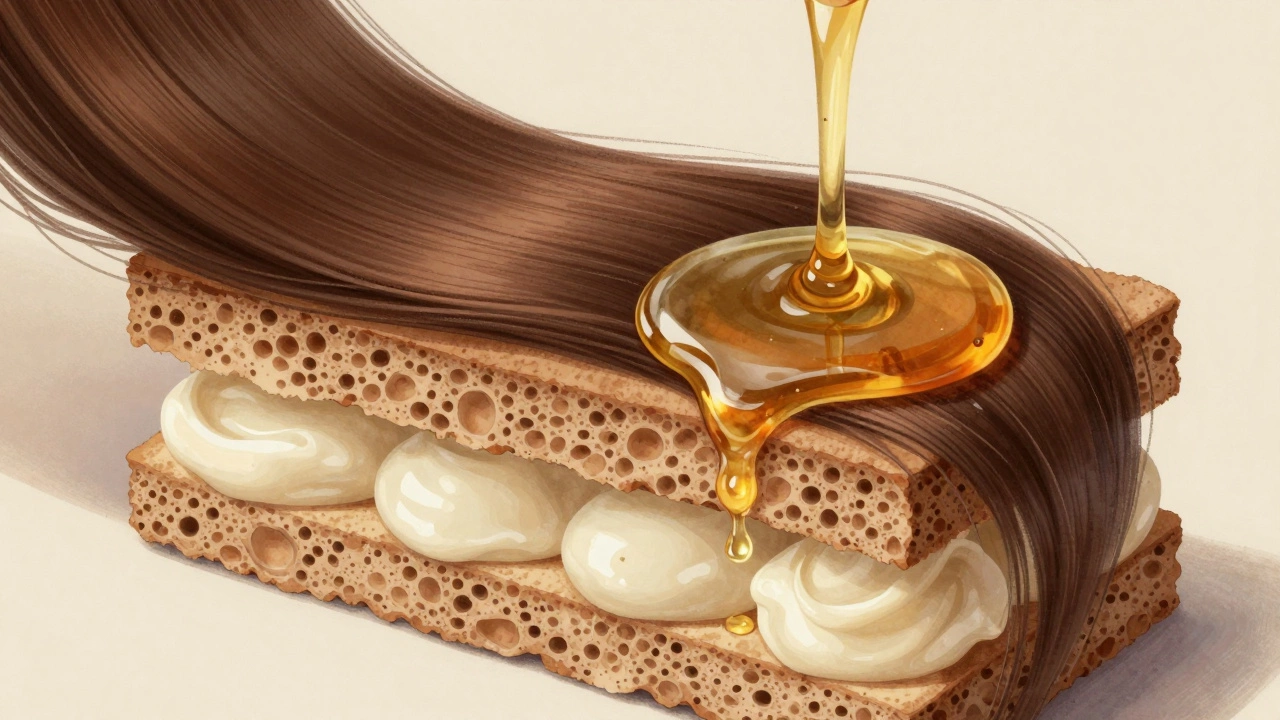
Your hair isn’t just a canvas-it’s a porous structure that absorbs, repels, and locks in moisture based on what’s applied and when. Think of it like layers on a sandwich. If you put the cheese on top of the bread before the ham, the ham won’t stick. Same with hair. Heavy oils or silicones applied too early block water and active ingredients from penetrating. Lightweight products applied last sit on top and don’t do much.
A 2023 study from the Society of Cosmetic Chemists found that applying leave-in conditioners before styling creams increased moisture retention by 40% compared to reversed order. That’s not marketing-it’s physics. Water moves from lighter to heavier textures. If you put a thick cream on first, water can’t get through.
The Basic Hair Care Order (For Most Hair Types)
Here’s the real, no-fluff sequence that works whether you have curly, straight, fine, or thick hair:
- Cleanse with a sulfate-free shampoo
- Rinse and apply conditioner (focus on mid-lengths to ends)
- Leave on for 3-5 minutes, then rinse thoroughly
- Apply a hair mask once or twice a week (same as conditioner, but deeper)
- Pat hair gently with a microfiber towel-no rubbing
- Apply a leave-in conditioner while hair is still damp
- Add a styling product (mousse, curl cream, serum)
- Finish with a heat protectant if using hot tools
- Optional: A drop of oil (argan, jojoba) only on ends after styling
This order ensures water-based products get absorbed first, then heavier ones seal everything in. Skipping any step? You’re leaving moisture on the table.
What to Avoid: Common Mistakes
Here’s what most people do wrong-and why it backfires:
- Applying oil before conditioner: Oil creates a barrier. Conditioner can’t penetrate. Your hair stays dry underneath.
- Using serum on dry hair: If your hair is already dry, serum just sits on top and looks greasy. Apply it to damp hair instead.
- Putting styling cream on soaking wet hair: Too much water dilutes the product. It won’t hold shape. Damp is the sweet spot.
- Skipping the towel-dry step: Wet hair is fragile. Rubbing it with a regular towel causes frizz and breakage. Always use microfiber or an old cotton T-shirt.
One client I worked with in Wellington had fine, color-treated hair. She was using a heavy argan oil every morning before her leave-in. Her roots got greasy in two hours. When she switched to applying oil only after styling, her hair stayed fresh for 48 hours. That’s the power of sequence.
Adjusting for Your Hair Type
Not all hair is the same. Here’s how to tweak the order:
Curly or Coily Hair
Curly hair needs maximum hydration. Add a curl refresher spray between steps 6 and 7. Use a wide-tooth comb while your leave-in is still wet to define curls. Skip oils unless your hair is high porosity. Low porosity curls repel oils-they just sit there.
Fine or Thin Hair
Too much product = flat hair. Use lightweight leave-ins (water-based, not creamy). Skip masks unless your hair is chemically damaged. Apply styling products only to the ends. Avoid oils altogether unless you’re using a single drop on the very tips after drying.
Thick or Coarse Hair
You can handle more product. Use a deep conditioning mask weekly. A drop of oil can go on mid-lengths, not just ends. If your hair is dry, add a pre-shampoo oil treatment once a week-apply it to dry hair 30 minutes before washing. This helps soften the cuticle so shampoo cleans better.
Color-Treated Hair
Always use sulfate-free shampoo. Apply a color-protecting conditioner every time. Use a leave-in with UV filters. Skip heavy oils-they can dull color. Instead, use a silicone-free serum with antioxidants like vitamin E.
When to Use Treatments (Not Daily)
Not everything needs to be used every day.
- Deep conditioners and masks: Once a week. Twice if your hair is bleached or heat-damaged.
- Protein treatments: Every 4-6 weeks. Too much protein makes hair brittle.
- Scalp scrubs: Once every 10-14 days. Don’t scrub daily-it irritates follicles.
- Hot oil treatments: Once a month. Best done before shampooing.
Overdoing treatments is a common mistake. I’ve seen people use protein masks twice a week and end up with hair that snaps like dry spaghetti. Balance is everything.
The Golden Rule: Damp Is Your Friend
Almost every product works best on damp hair-not dripping wet, not bone dry. That’s when the cuticle is slightly open and ready to absorb. Apply leave-ins, serums, and creams right after towel-drying. Let your hair air-dry 70% before using heat tools. This reduces damage and helps products bond better.
If you’re in a rush, use a diffuser on low heat. It’s gentler and helps lock in the order you’ve created.
What to Look for in Products
Not all products are created equal. Here’s what to check on labels:
- Leave-ins: Look for water as the first ingredient. Avoid silicones like dimethicone if you’re trying to reduce buildup.
- Conditioners: Ceramides and panthenol are good. Avoid sulfates in daily use.
- Styling creams: Water-based, not wax-based. Wax sits on top and doesn’t hydrate.
- Heat protectants: Must contain dimethicone or hydrolyzed wheat protein. Anything without these won’t protect.
Don’t fall for fancy names. A $40 serum with alcohol as the second ingredient is worse than a $12 one with glycerin and aloe.
Real Results in 2 Weeks
Try this routine for 14 days. No changes. No new products. Just stick to the order.
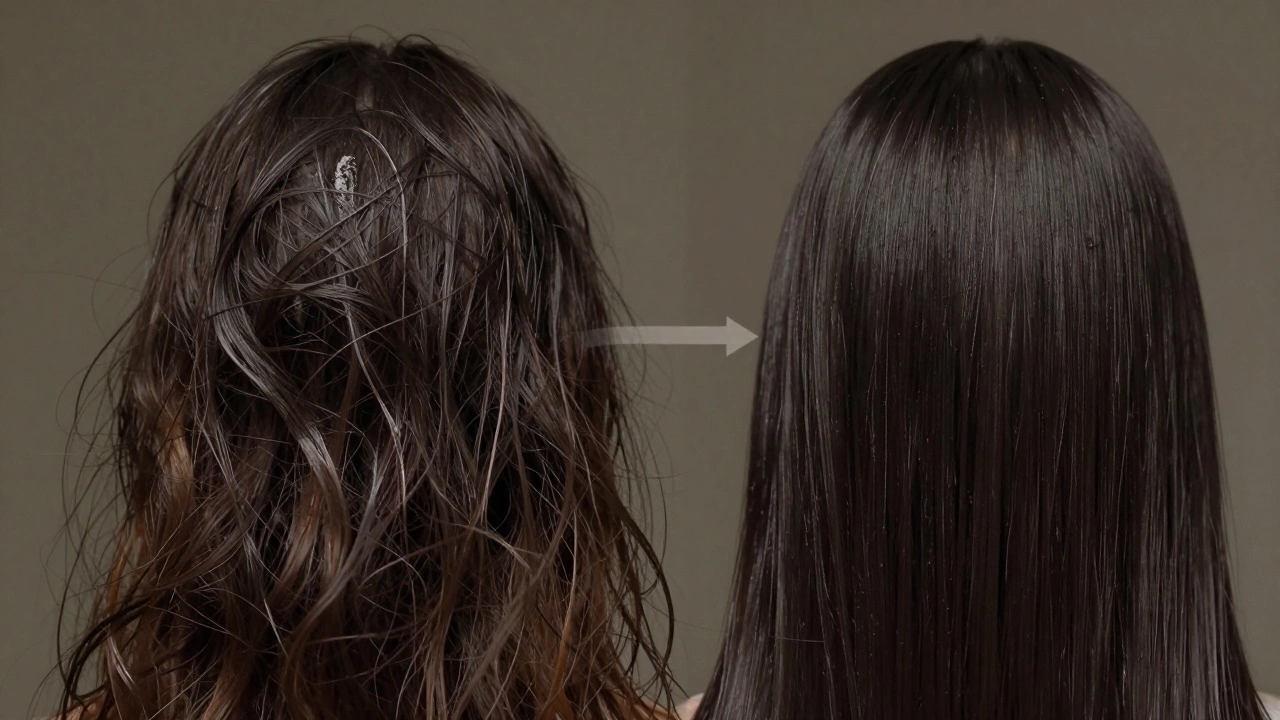
By day 7, you’ll notice less frizz. By day 14, your hair will feel stronger, look shinier, and hold styles better. You’ll stop needing to reapply products midday. That’s not magic-it’s consistency.
One woman in Wellington switched from using a heavy cream before her leave-in to the right order. Her curls went from undefined and crunchy to soft, bouncy, and defined. She didn’t buy anything new. Just changed the order.
Final Tip: Write It Down
Put your routine on a sticky note. Tape it to your bathroom mirror. Even experts forget steps when they’re tired. Having it visual keeps you on track.
Your hair doesn’t need more products. It needs the right ones, in the right order, at the right time. Get that right, and you’ll spend less time styling and more time enjoying your hair.
Can I skip conditioner if I use a mask?
No. Masks are for deep treatment, not daily use. Conditioner is meant to be used every wash to smooth the cuticle and add light moisture. Skipping it leaves your hair rough and prone to tangling.
Should I apply oil before or after styling?
Always after. Oil seals in moisture. If you apply it before, it blocks water-based products like leave-ins and conditioners from penetrating. One drop on the ends after styling adds shine without weighing hair down.
Why does my hair feel greasy after using serum?
You’re probably applying it to dry hair or too much of it. Serums should be applied to damp hair, and you only need a pea-sized amount for shoulder-length hair. Rub it between your palms first, then smooth over ends only.
Can I use the same order for natural hair?
Yes, but natural hair often needs more moisture. Add a water-based spray before your leave-in. Use a butter or cream as your styling product, not a gel. Seal with a light oil only if your hair is high porosity.
Do I need to wash my hair every day?
No. Washing daily strips natural oils and can lead to overproduction of sebum. Most people only need to wash 2-3 times a week. Between washes, use a dry shampoo or scalp mist if needed.