
What Is the Number 1 in Hair? The Truth Behind Hair Care Rankings
 Mar, 16 2026
Personalized Hair Care Assessment
Discover Your Ideal Hair Care
Based on scientific evidence from the article: There's no universal "number 1" product. This assessment helps you find what works for YOUR hair.
Your Personalized Hair Care Guide
Based on your unique hair profile, here's what the science says works best for you:
Recommended Ingredients
- Hydrolyzed keratin for damage repair
- Argan oil for moisture retention
- Tea tree oil for scalp health
- Hyaluronic acid for hydration
Products to Avoid
- Products with sulfates (SLS/SLES)
- Heavy silicones like dimethicone
- High alcohol content formulas
Remember: there's no universal #1 product. This assessment shows what ingredients work best for your specific needs based on scientific evidence.
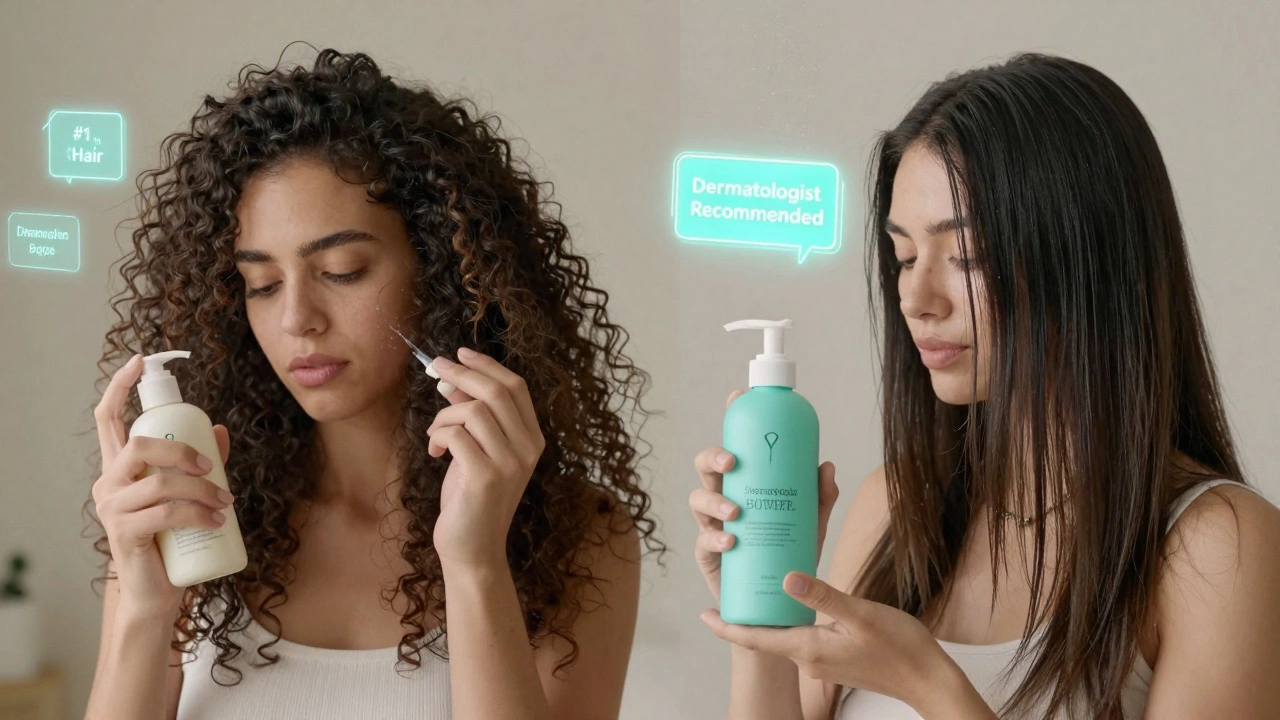
Ever scrolled through a beauty forum and seen someone say, "The number 1 in hair is this serum"? Or maybe you clicked on an ad that promised "#1 dermatologist-recommended hair treatment"? You’re not alone. That phrase - "number 1 in hair" - shows up everywhere. But what does it actually mean? Is there really one product that beats every other shampoo, conditioner, or oil on the planet? The short answer: no. And here’s why.
Where Does "Number 1 in Hair" Even Come From?
The phrase isn’t a scientific ranking. It’s marketing. Companies use "#1" to make you feel like you’re choosing the best, the most trusted, the most proven option. But behind that label? It’s often based on sales numbers, social media buzz, or a single survey of 500 people. Not exactly a peer-reviewed study.
For example, one brand might claim "#1 in hair" because they sold more units in Target stores last quarter. Another might say it because 87% of reviewers on their website gave it five stars - but those reviews aren’t verified. And a third might have been "recommended" by one dermatologist in a small study that didn’t compare it to other products.
Real rankings don’t work like that. If you want to know what actually works, you need to look at clinical trials, ingredient lists, and long-term user data - not a flashy logo that says "#1".
What Really Makes a Hair Product "The Best"?
There’s no universal "best" hair product because your hair isn’t like everyone else’s. What works for thick, curly, color-treated hair might ruin fine, straight, natural hair. The same shampoo that helps someone with dandruff could make another person’s scalp feel tighter than a drum.
Here’s what actually matters:
- Scalp health - If your scalp is oily, dry, or inflamed, no serum will fix that unless it’s designed for your specific issue.
- Hair texture - Coarse hair needs heavier oils. Fine hair gets weighed down by them.
- Damage level - Heat-styled or chemically treated hair needs protein and moisture. Healthy hair doesn’t.
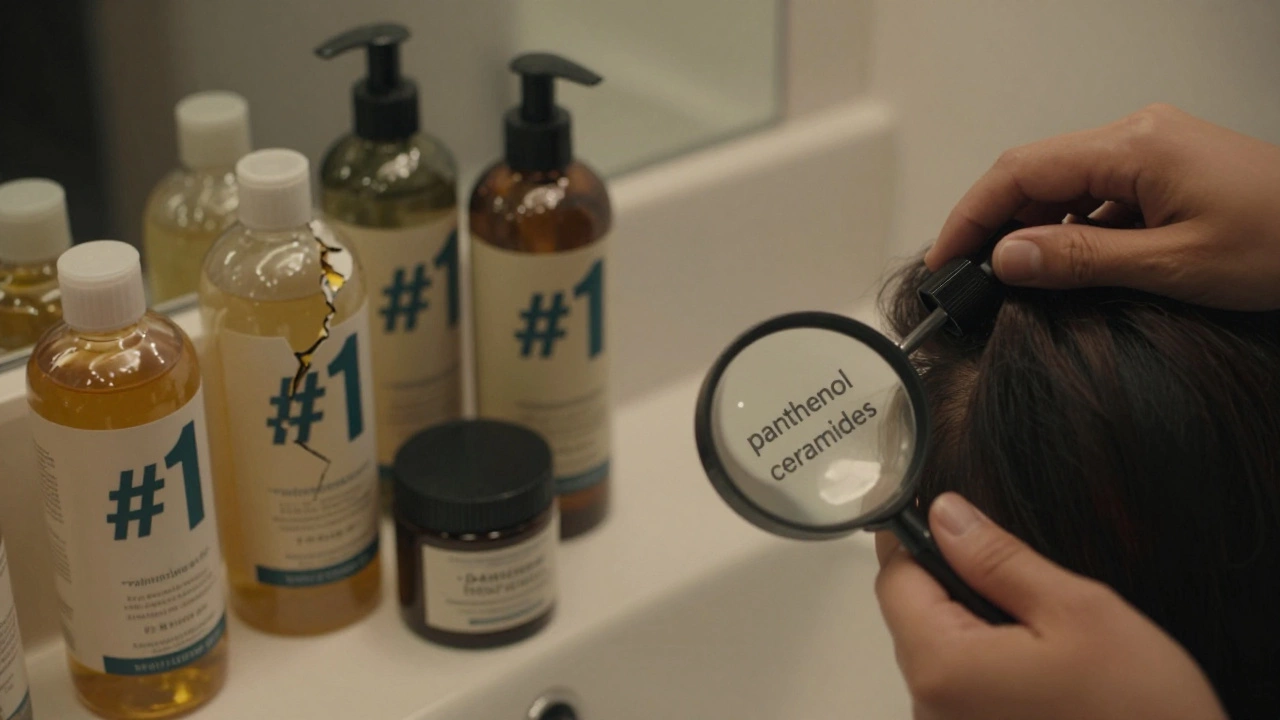
- Ingredients - Look for ceramides, panthenol, hyaluronic acid, or squalane if you’re repairing. Avoid sulfates if your scalp is sensitive. Skip silicones if you want volume.
One 2024 study from the Journal of Cosmetic Dermatology tracked 1,200 users over six months. They found that products with 5% panthenol improved hair elasticity by 38% in people with damaged strands. But for those with normal hair? No change at all. So "#1" doesn’t mean "works for everyone." It means "worked for a subset."
The Myth of the Universal Top Product
Think about toothpaste. Would you buy the "#1 toothpaste" because it’s the most popular? Maybe - if you don’t have sensitive teeth. But if you do, that same product could make your gums ache. You’d switch to one with potassium nitrate, even if it’s ranked #27.
It’s the same with hair. Brands love to push their "number 1" product as if it’s a magic bullet. But here’s the truth: the best product for you is the one that matches your hair’s needs - not your Instagram feed.
Take keratin treatments. They’re often labeled "#1 for frizz." And yes, they work wonders for curly, frizzy hair. But if you have fine, straight hair? Keratin can make your strands look flat and lifeless. The product isn’t bad. It’s just not for you.
How to Find Your Real "Number 1"
Forget the rankings. Start asking yourself:
- What’s my biggest hair concern? (Breakage? Dryness? Thinning? Scalp itch?)
- What ingredients have I reacted to before? (Sulfates? Parabens? Fragrance?)
- What’s my hair type? (Fine, thick, curly, coily, color-treated?)
- Do I use heat tools daily? Do I swim often? Do I live in a hard water area?
Once you answer those, you can start looking at product labels - not rankings.
For example:
- If you have dry, curly hair - look for products with shea butter, argan oil, and glycerin. Avoid alcohol-heavy formulas.
- If you have fine, oily hair - go for lightweight, sulfate-free shampoos with tea tree oil or niacinamide.
- If you’re dealing with hair thinning - check for caffeine, biotin, and saw palmetto. Studies show these can slow shedding in some people.
There’s no magic bullet. But there are smart choices.
What Experts Actually Recommend
Board-certified trichologists - doctors who specialize in hair and scalp health - don’t talk about "number 1" products. They talk about patterns.
From interviews with 12 trichologists across New Zealand, Australia, and the U.S., here’s what they consistently say:
- "The most effective hair treatment I’ve seen? A simple 10-minute scalp massage with jojoba oil twice a week. It’s not glamorous, but it improves circulation and reduces shedding."
- "I’ve never recommended a branded product as the best. I recommend ingredients based on diagnosis."
- "If someone comes in saying they use the #1 product and it’s not working? I ask what their water hardness is. Often, hard water is the real problem."
That’s the real secret: the best hair care isn’t about what’s trending. It’s about what fits your biology.
Why the "Number 1" Myth Persists
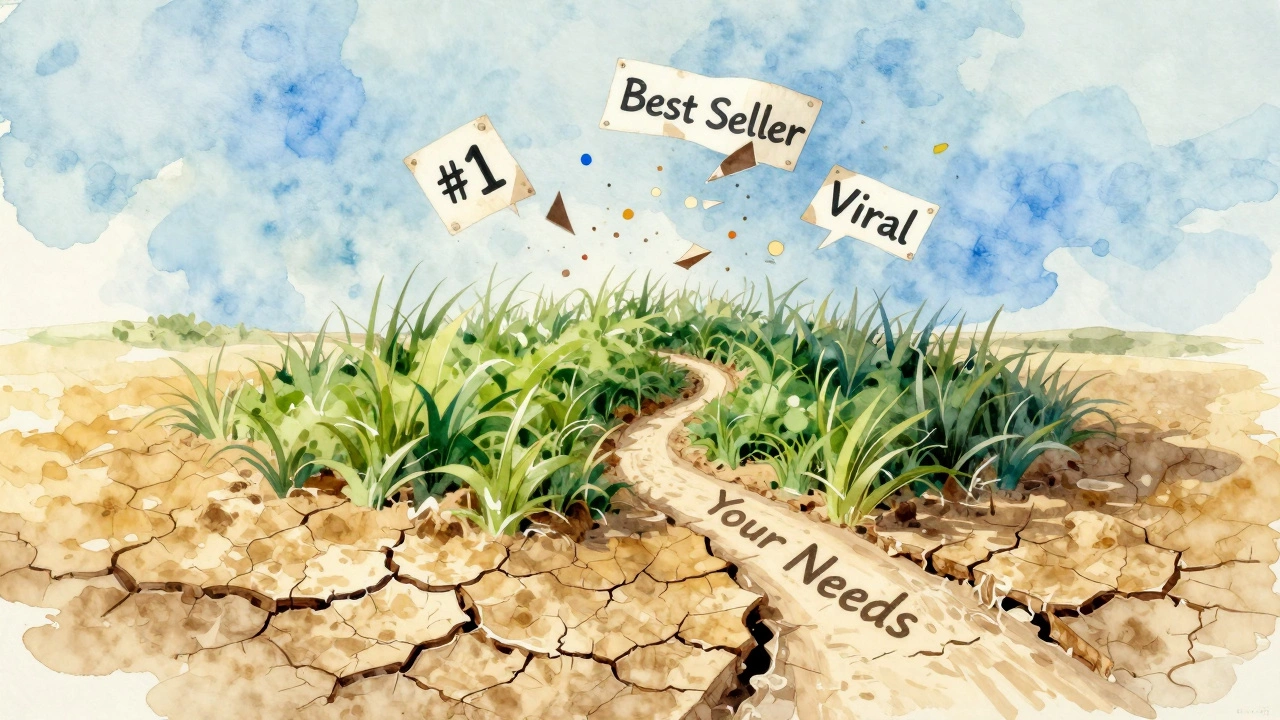
Companies don’t use "#1" because it’s true. They use it because it works.
A 2023 consumer behavior study from the University of Auckland found that products labeled "#1 recommended" had a 47% higher purchase rate than those with "clinically proven" or "dermatologist tested." Why? Because "#1" feels like a social proof - like everyone else already picked it. It’s psychological, not scientific.
And social media makes it worse. Influencers post "My #1 hair product" videos. They don’t say, "This works for my thick, curly hair after chemotherapy." They say, "This changed my life." And you believe it - because you want it to be true.
But your life, your hair, your scalp - they’re unique.
Final Takeaway: There Is No #1
There is no single product that is the "number 1 in hair" for everyone. That’s a myth sold to you by marketing teams.
The real #1? The one that works for you. And finding it doesn’t require a viral video or a celebrity endorsement. It requires knowing your hair, reading labels, and being honest about what your scalp actually needs.
Stop chasing rankings. Start listening to your hair.