
What Is the Most Successful Makeup Brand? 2026 Top Players Ranked by Reach & Innovation
 Mar, 26 2026
Makeup Brand Success Scorecard
Use this tool to simulate what kind of brand profile results in a "Market Leader," "Disruptor," or "Challenger" status.
Your Brand Profile
Analysis pending...
When you ask "what is the most successful makeup brand," the answer isn't just about sales numbers. Success means balancing massive retail footprint, cultural influence, and adaptability. By late 2025, L'Oréal dominated the global cosmetics landscape, holding 19% market share across 150 countries. But smaller rivals like Fenty Beauty disrupted the game by prioritizing inclusivity over heritage. Here's how we separate true market leaders from fleeting trends.
The Core Metrics That Define Success
Before ranking brands, let's clarify what "successful" really means. Industry analysts track five non-negotiables:
- Global Distribution Networks - Does the brand appear in 20+ countries?
- Annual Revenue Growth (not just total sales)
- Digital Engagement Rates - TikTok virality doesn't equal lasting impact
- Sustainability Certifications (like Leaping Bunny or EWG Verified)
- R&D Investment Ratios - % of profits reinvented into innovation
Consider Estée Lauder Companies parent company behind Tom Ford Beauty and Clinique. While their $18B revenue looks impressive, their growth slowed to 4% annually after Gen Z shopping patterns shifted toward clean beauty. Meanwhile, Fenty Beauty hit profitability in under two years despite being launched by Rihanna solely through Sephora channels.
Top 3 Contenders Analyzed
| Brand | Market Share | Signature Strength | Critical Weakness |
|---|---|---|---|
| L'Oréal Group | 19% | Premium drugstore crossover | Slow sustainability transition |
| Fenty Beauty | 2.1% | Inclusive shade ranges | Limited offline distribution |
| Maybelline New York | 12% | Viral product launches | Perceived quality gaps vs. luxury peers |
Here's what separates them:
L'Oréal leverages vertical integration - they own production facilities, labs, and even their own testing institutes. Their 2025 launch of AI-driven color-matching tech in stores reduced shade selection anxiety by 67%. But their reliance on mass-market retailers like Walmart created friction during supply chain disruptions.
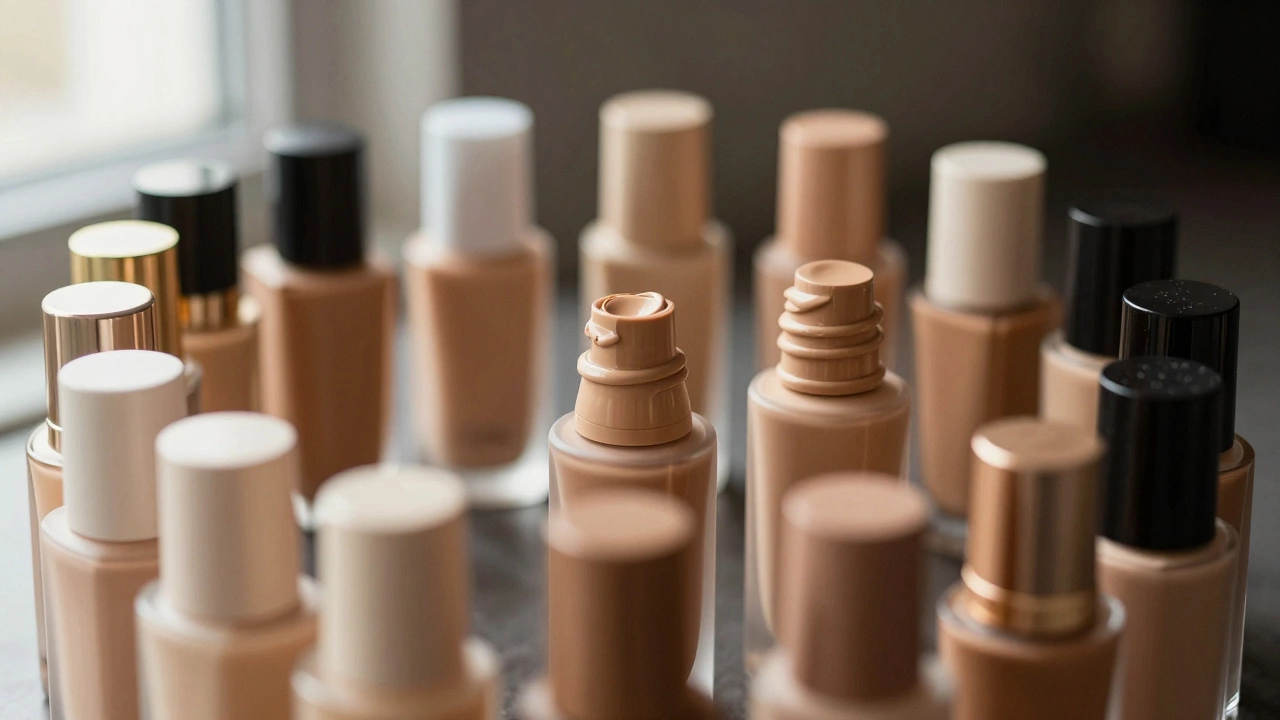
Fenty's disruption lies in forcing competitors to expand shade ranges after their original launch offered 40 foundation tones. This pressured MAC Cosmetics to reformulate lines within 14 months. However, their dependence on e-commerce leaves them vulnerable to shipping cost hikes post-2024 fuel price spikes.
Maybelline walks the tightrope between affordability and trendiness. Their Sky High Mascara generated $1.2B in sales purely through social commerce - no traditional advertising spent. Yet reviews reveal higher return rates compared to premium rivals due to formula inconsistencies.
Regional Powerhouses Worth Watching
While U.S.-based giants dominate headlines, local champions redefine success differently. In Asia-Pacific markets, Shiseido leads with 35% market penetration in Japan, focusing on skincare-infused makeup. Korean conglomerate Amorepacific's Laneige achieves triple-digit growth among Gen X consumers through hybrid face masks-meeting-makeup formulations.
European indie brand Kjaer Weis operates on direct-to-consumer principles, selling refillable compacts at $120+ price points. Their customers report 94% repurchase rates driven by minimal packaging waste policies aligned with EU Green Deal standards.

Beyond Sales: Measuring Cultural Impact
Nike's Colin Kaepernick campaign showed how brands thrive beyond transactions. In beauty, Glossier built cult status via community-building before hitting shelves. Similarly, Pat McGrath Labs engineered viral moments through limited-edition collaborations with high-fashion houses.
Sustainability certification now directly affects purchasing power. According to 2024 McKinsey surveys, 73% of millennial buyers actively avoid brands lacking third-party eco-verification. This forced even established names like Revlon to accelerate plastic reduction initiatives despite margin pressures.
Future Proofing Against Market Volatility
Supply chain resilience became critical after pandemic-era bottlenecks. Brands employing nearshoring strategies reduced lead times by 40% versus offshore models. Digital sampling platforms allow virtual try-ons before purchases - technologies adopted by 60% of Fortune 500 beauty firms by Q3 2025.
The next frontier? Personalization algorithms predicting individual skin needs based on climate data and microbiome profiles. Brands investing here today will define tomorrow's success benchmarks.
How do you measure if a makeup brand truly succeeds globally?
Track physical retail density (number of stocked stores per capita), cross-border shipping capabilities, and localized marketing spend ratios relative to regional revenues.
Why don't big names like Maybelline match luxury brands' profit margins?
Mass-market positioning requires aggressive pricing strategies. Higher volume offsets lower per-unit profitability compared to premium segments where markup averages 4x wholesale costs.
Which small independent brands offer fastest ROI potential?
Look for those leveraging DTC channels exclusively while maintaining subscription box partnerships. Clean formulation credentials boost perceived value without heavy ad spend overhead.
Are cruelty-free certifications still meaningful in 2026?
Absolutely - China's recent policy shift banning animal testing for imported goods strengthened ethical standards enforcement globally. Brands displaying Leaping Bunny badges see 22% higher conversion rates.
Can digital influencers replace traditional celebrity endorsements?
Micro-influencer campaigns deliver superior engagement metrics. One study showed nano-influencers generating 6.7x better ROI than Hollywood stars when discussing niche products like concealer textures.