
What Is the Most Profitable Beauty Treatment in 2024? Financial Breakdown for Spas
 Mar, 30 2026
MedSpa Profitability Analyzer
Use this tool to compare the financial viability of offering specific treatments. Select a service preset below to load industry-standard estimates from the article.
Revenue
$0
Expenses
$0
Net Profit
$0
Analysis Insight
Start by adjusting your client volume or selecting a different service preset.
If you run a medspa or are planning to launch one, the bottom line comes down to one metric: margin. While everyone chases trending procedures, few analyze the actual return on investment behind the chair. Data collected throughout the 2024 fiscal year indicates a clear winner when weighing upfront costs against long-term client retention.
Laser Hair Removal consistently topped the charts for net profit during the 2024 cycle. It combines high ticket pricing with repeat visitations, creating a predictable revenue stream that many other services lack.
Why Profitability Matters More Than Revenue
Many business owners mistake busy schedules for a successful business. You could book every hour of your week with basic facials, but if your supply costs and labor hours eat up the margin, you aren't building wealth. Profitability is the net income remaining after deducting expenses from revenue.
In the beauty sector, two main factors drive profit: the average ticket price and the treatment frequency. Services requiring expensive consumables or extensive technician time lower your profit ceiling. Conversely, treatments using light depreciation equipment with reusable settings allow for higher margins per minute worked.
- High Ticket, Low Frequency: One-off events that spike revenue but fail to build habits.
- Subscription Models: Treatments sold as packages that guarantee future visits.
- Operational Efficiency: How many clients can you service per hour without burnout?
The Undisputed Cash Cow: Laser Hair Removal
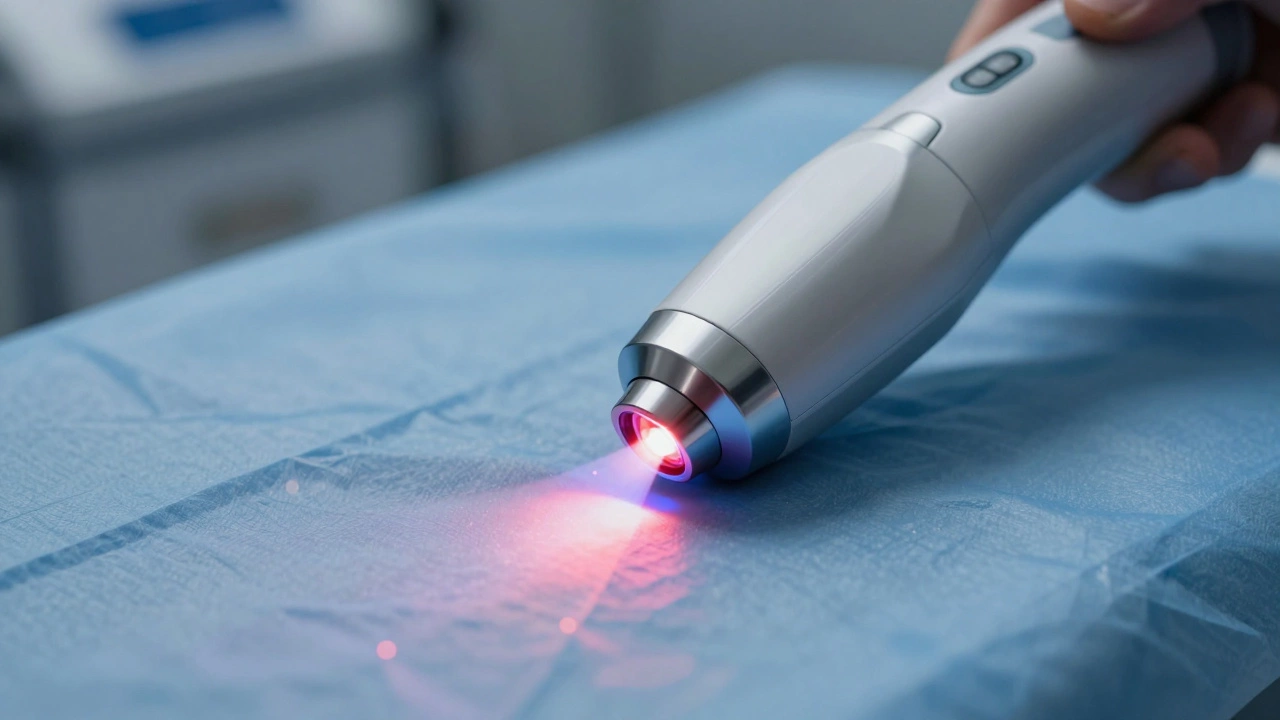
Laser Hair Removal is a cosmetic procedure utilizing concentrated light beams to eliminate unwanted body hair. It requires significant capital outlay for the device, ranging from $8,000 to $30,000 depending on diode technology. However, the payback period typically occurs within six months of full operation.
The math is compelling. A single session for underarm treatment might retail for $150. While a client needs 6-8 sessions for permanence, they commit to the package upfront. This front-loaded cash flow helps manage your operating costs before the work is even done.
Beyond the hardware, consider the consumable costs. Unlike chemical peels or injectables, lasers do not require buying a vial of product for every single customer. Once you pay for the machine, the variable cost per patient drops drastically. This creates an environment where marginal utility increases with volume.
The High-Risk, High-Reward Path: Injectables
When people ask about lucrative procedures, they often mention neuromodulators and fillers immediately. Dermal Fillers are injectable substances used to restore volume, smooth wrinkles, and enhance facial contours. They command some of the highest prices per unit of time.
A single syringe of filler can sell for between $500 and $800 depending on the brand and provider credentials. For many medical aestheticians, this feels like easy money. Yet, the barrier to entry includes liability insurance, board certifications, and strict inventory management.
Risk management plays a larger role here than in non-invasive services. If something goes wrong with an injection, reputational damage can shut down a business faster than any competitor could. Additionally, stock holding requires significant working capital tied up in expired-goods risk.
Building Habit: Medical-Grade Facials
Treatments like HydraFacial is a patented multi-step treatment that cleanses, exfoliates, extracts, hydrates, and protects skin offer a different advantage. They generate recurring monthly revenue rather than seasonal packages.
A typical HydraFacial costs between $150 and $300 per visit. While less than a laser package total, the frequency matters. Clients often schedule these monthly as maintenance. This stabilizes cash flow, ensuring you have payroll coverage even during economic dips.
The equipment cost is generally lower than clinical lasers, making it an excellent secondary offering for smaller boutiques that cannot justify six-figure investments yet.
| Service Type | Avg Session Cost | Equipment Investment | Revisit Frequency |
|---|---|---|---|
| Laser Hair Removal | $150 - $300 | High ($10k-$30k) | Every 4-6 weeks (Initial Series) |
| Botox/Fillers | $500 - $900 | Low (Inventory Only) | Every 3-4 months |
| Microneedling | $200 - $400 | Medium ($5k-$10k) | Every 4-6 weeks (Series) |
| Chemical Peel | $100 - $300 | Low (Consumables) | Every 3-6 months |
The Power of Selling Packages
Profitability hinges heavily on client acquisition versus retention. Acquiring a new client costs five times more than retaining an existing one. Smart businesses bundle services.
Instead of selling single laser sessions, offer a full-body package worth $4,000 paid over 12 months. This strategy locks in the client for the duration of the contract and improves your liquidity. It also reduces marketing spend because you already have the revenue committed.
To implement this effectively, utilize a CRM system to track upcoming renewal dates. Automated text reminders for booking the next phase increase compliance rates by nearly 40% compared to manual calls.
Hidden Costs That Kill Margins
Many aspiring owners overlook the hidden financial drains. Overhead refers to ongoing business expenses not directly attributed to creating a product or service.
- Staff Turnover: Training new staff takes three months before they reach optimal speed. During this time, efficiency is low.
- Equipment Maintenance: Lasers require annual calibration. Skipping this leads to poor results and unhappy clients.
- Credit Card Processing Fees: On high-ticket items, processing fees can eat 3% of revenue. Consider payment plans to smooth this out.
Furthermore, rent remains a primary expense. A prime location brings foot traffic, but online booking allows you to operate from a cheaper area if your digital presence is strong. Analyze your local demographics before signing a lease.
Is the Trend Changing in Late 2026?
As we move further into 2026, consumer behavior shifts toward personalized care. While the 2024 data highlights laser and injectables as kings, the rise of regenerative medicine is gaining ground. Stem cell therapies and PRP (Platelet-Rich Plasma) show promise but currently have longer regulatory pathways to approval.
For stability, stick with proven technologies. Emerging tech carries risk of obsolescence. If you invest in a proprietary device, verify the manufacturer's update policy to avoid being stuck with outdated hardware.
Do I need a doctor's license to offer Botox?
Requirements vary by state or country. In many jurisdictions, nurses or licensed estheticians can administer injectables under the supervision of a physician. Always check your local health department regulations before purchasing inventory.
How fast does a laser machine pay for itself?
With steady bookings, a modern diode laser typically recovers its initial cost within 6 to 12 months. After that, the revenue generated from each session is primarily pure profit.
Which treatment has the lowest overhead?
Chemical peels and traditional extractions have the lowest overhead because they rely mostly on topical products rather than expensive machinery or long electricity usage.
Are membership models worth it?
Yes, subscription models significantly improve cash flow. Predictability allows you to budget better and reduces reliance on constant new customer acquisition ads.
What is the average commission for estheticians?
Industry standards range from 40% to 60% of service revenue. Commission structures often adjust based on sales of retail products or bundled packages added to the service.