
What Is the Most Non-Toxic Makeup Brand? Top Clean Beauty Picks for 2026
 Jun, 18 2026
Clean Beauty Brand Finder
Answer 3 quick questions to find your perfect match among top-rated clean brands.
You stare at the ingredient list on your favorite foundation. It looks like a chemistry exam you failed in high school. Parabens, phthalates, synthetic fragrances-the terms sound dangerous, but are they really? Or is "non-toxic" just another marketing buzzword designed to make you pay double for the same product?
Here is the hard truth: there is no single "most non-toxic" brand because toxicity depends on individual sensitivities and regulatory standards. However, some brands go far beyond basic compliance. They prioritize transparency, third-party verification, and formulations that avoid the most controversial chemicals entirely. If you want makeup that protects your health without sacrificing performance, you need to look past the green packaging and check the credentials.
The Problem with "Non-Toxic" Labels
First, let’s clear up the confusion. The term "non-toxic" is not legally defined by the FDA or the EU Commission. A brand can slap "clean" or "natural" on their box and still include ingredients that dermatologists flag as potential irritants or endocrine disruptors. This is why relying on marketing copy is risky.
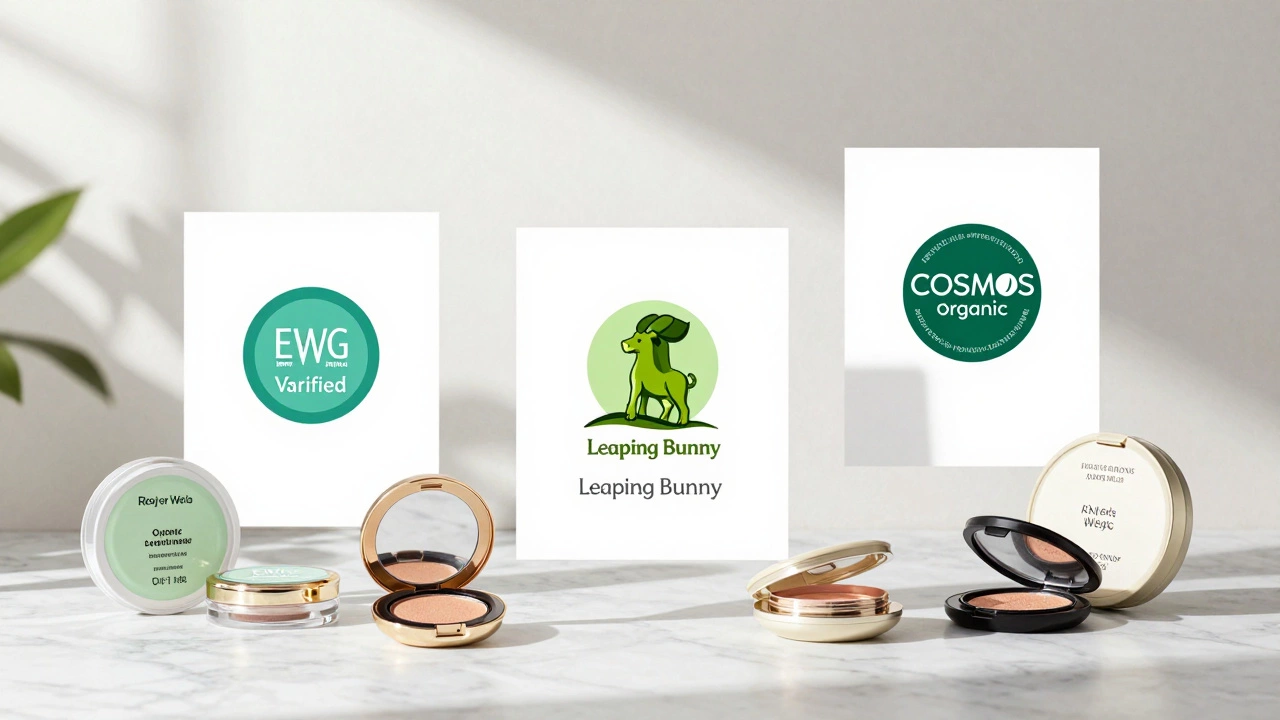
Instead of trusting vague claims, you should look for specific certifications. These act as proof that independent experts have vetted every ingredient. The gold standard right now is EWG Verified, which means the product meets the Environmental Working Group's strictest standards for transparency and health impacts. Other trustworthy seals include Leaping Bunny (for cruelty-free status) and COSMOS Organic (which verifies organic content). When a brand displays these logos, they are inviting scrutiny. That is the opposite of hiding behind jargon.
Top Brands Leading the Clean Beauty Movement
If you are looking for concrete recommendations, several brands have consistently ranked at the top for safety, efficacy, and ethical sourcing in 2026. Here is how they stack up against each other.
| Brand | Key Certification | Best For | Price Point |
|---|---|---|---|
| RMS Beauty | EWG Verified, Leaping Bunny | Skin-like finish, minimalism | Premium ($) |
| Ilia Beauty | Clean At Sephora, Leaping Bunny | High coverage, skincare-makeup hybrid | Premium ($) |
| Pacifica | Vegan, Cruelty-Free | Budget-friendly, color variety | Affordable ($) |
| Kjaer Weis | COSMOS Organic, Refillable | Luxury feel, sustainability | Luxury ($$) |
| Vapour Beauty | EWG Verified, Vegan | Lightweight, breathable formulas | Premium ($) |
RMS Beauty: The Pioneer of Clean Minimalism
RMS Beauty is often credited with starting the modern clean makeup wave. Founded by makeup artist Rose-Marie Swift, the brand focuses on living juices and raw food-grade ingredients. Their signature product, the Unify Living Color Foundation, uses coconut oil as a base, which provides hydration while evening out skin tone. It is not full-coverage camouflage; it is a sheer veil that lets your skin breathe. If you have sensitive skin that reacts to heavy silicones, RMS is a safe bet. However, if you need long-wear protection for humid days, you might find it slides off too easily.
Ilia Beauty: Performance Meets Purity
Ilia Beauty solves the biggest complaint about clean makeup: that it doesn't perform. Their Super Serum Skin Tint SPF 40 is a cult favorite because it combines broad-spectrum mineral sunscreen with lightweight coverage. Ilia avoids over 1,800 questionable ingredients, including oxybenzone and octinoxate, which are common in chemical sunscreens but harmful to coral reefs and human hormones. The texture is silky, not greasy, and it lasts through a workday without oxidizing into an orange mask. This brand proves you do not have to sacrifice longevity for safety.
Pacifica: Affordable and Accessible
Pacifica brings clean beauty to the masses. You can find their products at Target and Ulta, making them accessible to students and budget-conscious shoppers. While they may not have the same luxury feel as Kjaer Weis, Pacifica ensures all products are vegan and cruelty-free. Their Bloom Glow Liquid Highlighter uses plant-based pigments and offers a radiant finish without glittery chunks. Keep in mind that "vegan" does not automatically mean "non-toxic," but Pacifica pairs its vegan ethos with a strong ban on parabens and sulfates, making it a reliable entry point into clean beauty.
Ingredients to Avoid vs. Ingredients to Seek
Knowing which brands to buy is helpful, but learning to read labels empowers you forever. You do not need a degree in toxicology to spot red flags. Focus on avoiding these three categories:
- Parabens: Preservatives linked to hormonal disruption. Look for alternatives like benzyl alcohol or potassium sorbate.
- Phthalates: Often hidden under the term "fragrance." They are plasticizers that can interfere with reproductive health.
- Talc: Frequently contaminated with asbestos in mining processes. Opt for mica or silica instead.
On the flip side, seek out ingredients that benefit your skin barrier. Squalane (derived from olives), hyaluronic acid, and niacinamide are staples in clean formulations. They hydrate, soothe, and protect without clogging pores. When a makeup brand includes these skincare heroes, you are getting a dual benefit: aesthetic enhancement and dermatological care.
The Role of Packaging in Toxicity
Toxicity isn't just about what goes on your face; it is also about what comes off it. Microplastics in packaging contribute to environmental pollution, which eventually cycles back into our food chain. Brands like Kjaer Weis use refillable metal compacts, reducing waste significantly. Similarly, Ethique offers solid shampoo and makeup bars wrapped in compostable paper. Choosing brands with sustainable packaging reduces your overall ecological footprint, aligning your personal health goals with planetary health.
How to Transition Your Routine Safely
Switching to non-toxic makeup overnight can be overwhelming-and expensive. Start small. Replace your daily essentials first: foundation, concealer, and lip balm. These products stay on your skin for hours and are often ingested slightly throughout the day. Once you are comfortable with those, move on to eye shadows and blushes. Patch test new products on your inner arm before applying them to your face. Even natural ingredients like essential oils can cause allergic reactions in some people. Give your skin two weeks to adjust; you might experience a temporary purge as your body detoxifies from harsh preservatives, but this usually subsides quickly.
Frequently Asked Questions
Is "organic" makeup always safer than conventional makeup?
Not necessarily. "Organic" refers to how ingredients are grown, not necessarily their safety profile. Some organic ingredients can still be allergenic or irritating. Always look for additional certifications like EWG Verified or COSMOS to ensure the final formulation is safe for topical use.
Why is clean makeup more expensive?
Clean brands invest in higher-quality, ethically sourced ingredients and rigorous third-party testing. They also avoid cheap synthetic fillers and potentially harmful preservatives, which increases production costs. Additionally, sustainable packaging options are often pricier than standard plastics.
Can I trust drugstore brands labeled as "clean"?
Some drugstore brands are improving, but many still rely on greenwashing. Check for specific certifications rather than vague marketing terms. Brands like Pacifica and e.l.f. Cosmetics (with their recent clean initiatives) offer more transparency, but always verify the ingredient list yourself using tools like the EWG Skin Deep database.
Does non-toxic makeup expire faster?
Yes, because they lack strong synthetic preservatives like parabens. Natural preservatives are less potent, so clean makeup typically has a shorter shelf life. Store products in cool, dry places and replace them within 6-12 months after opening to prevent bacterial growth.
What is the best non-toxic sunscreen for under makeup?
Mineral sunscreens containing zinc oxide or titanium dioxide are the safest choices. Brands like EltaMD and Ilia offer lightweight, non-greasy formulas that sit well under foundation without pilling or leaving a white cast. Avoid chemical filters like oxybenzone if you are concerned about hormone disruption.