
What is the Most Commonly Used Cosmetic Ingredient? (It’s Not What You Think)
 May, 28 2026
Cosmetic Ingredient Decoder & Skin Type Guide
Analysis Results
Personalized Routine Recommendation
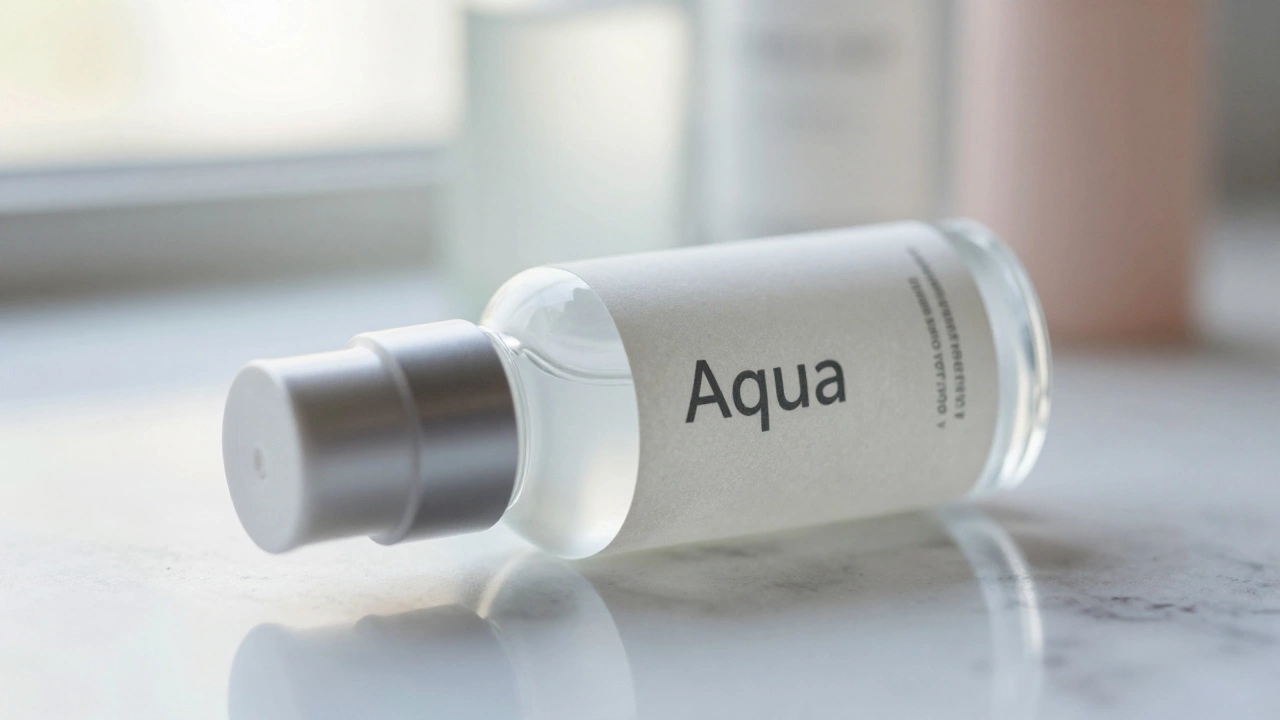
Grab any bottle of lotion, serum, or cleanser from your bathroom shelf. Flip it over. Look at the first word on that long list of chemical-sounding names. If you’re holding a standard product, that first word is almost certainly water. Or, if you’re reading the scientific label, it says "Aqua" or "Eau." It sounds boring, right? We spend hundreds of dollars on retinol, hyaluronic acid, and vitamin C serums, but the backbone of nearly every single one of those products is just plain old H2O.
Yet, water remains the most commonly used cosmetic ingredient globally. According to regulatory data from the European Commission and the U.S. FDA, water appears in more than 90% of all rinse-off and leave-on personal care products. It isn’t just filler; it is the vehicle that delivers active ingredients into your skin. Without it, most of your skincare routine wouldn’t exist in its current form.
The Science Behind Aqua: Why Water Rules Formulations
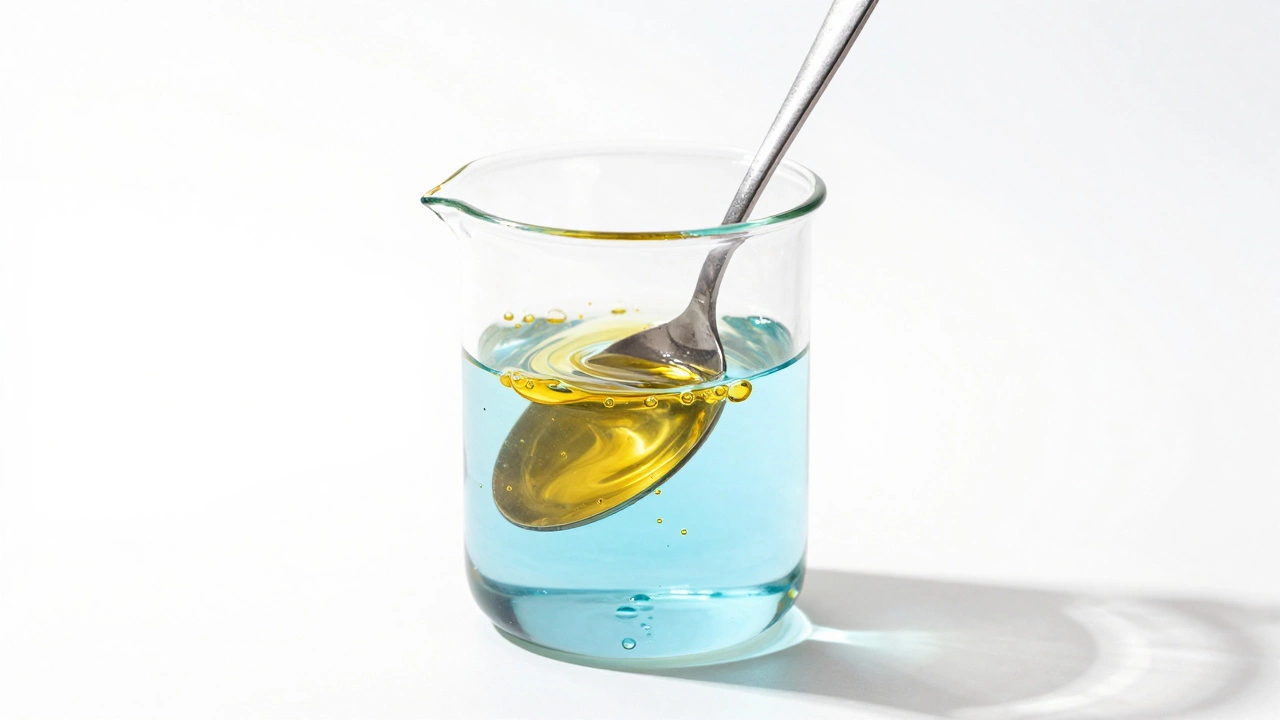
To understand why water dominates, we have to look at how cosmetics are built. A cosmetic formula is essentially a mixture of two things that don’t naturally want to mix: oil and water. This is called an emulsion. Think of a vinaigrette dressing. The oil floats on top of the vinegar until you shake it up. Skincare formulas use emulsifiers to keep these layers mixed permanently, creating a smooth cream or lotion.
Water serves as the continuous phase in hydrophilic formulations, allowing for the dissolution of water-soluble actives like vitamins and acids. It makes up the bulk volume of the product because it is cheap, safe, and effective at carrying other molecules. If you tried to make a moisturizer without water, you’d end up with a solid block of wax or oil, which is hard to spread and difficult to absorb.
But not all water is created equal. In cosmetics, manufacturers never tap directly from the sink. They use purified water, often distilled or deionized. This process removes minerals, bacteria, and impurities that could spoil the product or irritate your skin. The goal is stability. You want your serum to last six months after opening, not turn into a science experiment in two weeks.
Reading the Label: INCI Names and Order of Ingredients
If you’ve ever felt confused by ingredient lists, you aren’t alone. Regulations require ingredients to be listed in descending order of concentration. This means the first five ingredients make up the majority of the product. Since water is usually #1, it likely makes up 60% to 80% of your face cream.
You will see water listed under several names depending on the region and brand style:
- Aqua: The Latin term, widely used in international markets.
- Eau: The French term, common in luxury brands.
- Purified Water: The English descriptive term.
- Deionized Water: Water stripped of ions, ensuring high purity.
Knowing this helps you decode marketing hype. A brand might advertise a "Rose Petal Extract" serum, but if rose extract is listed near the bottom, you’re mostly paying for water, preservatives, and a few drops of scent. That doesn’t mean the product is bad-many actives work at low concentrations-but it does mean you should manage your expectations.
When Water Isn’t #1: Anhydrous Products
Not every cosmetic product relies on water. Some formulas are "anhydrous," meaning they contain zero water. These products skip the aqueous phase entirely. Instead, they rely on oils, butters, silicones, or waxes as their base. Common examples include:
- Cleansing balms: Solid at room temperature, melting into oil upon contact with skin.
- Face oils: Pure plant-based or synthetic oils like jojoba or squalane.
- Sunsticks: Often based on silicone or wax matrices.
- Lip balms: Typically beeswax, shea butter, and mineral oil.
Anhydrous products have distinct advantages. Because there is no water, bacteria cannot grow as easily. This allows manufacturers to use fewer preservatives, which is great for people with sensitive skin or those who prefer "clean" beauty labels. Additionally, oil-based products create a stronger occlusive barrier, locking moisture in rather than adding water to the surface.
| Feature | Water-Based (Emulsions) | Anhydrous (Oil/Wax) |
|---|---|---|
| Primary Base | Aqua / Purified Water | Plant Oils, Silicones, Waxes |
| Preservative Need | High (bacteria thrive in water) | Low to None |
| Texture | Lightweight, absorbs quickly | Rich, heavy, sits on skin |
| Best For | Hydration, delivering water-soluble actives | Barrier repair, dry skin, preservation |
| Shelf Life | Shorter (6-12 months open) | Longer (1-3 years open) |
The Hidden Role of Preservatives
Because water is the primary ingredient in so many products, it creates a breeding ground for microbes. Bacteria, mold, and yeast love water. To prevent your moisturizer from becoming a petri dish, formulators must add preservatives. This is a critical relationship: where there is water, there must be preservation.
Common preservatives include phenoxyethanol, parabens (despite their bad reputation, they are still widely used and regulated), and benzoic acid derivatives. These ingredients stop microbial growth, ensuring the product remains safe for application on broken or sensitive skin. Understanding this link explains why "preservative-free" claims are almost always paired with anhydrous formulas or single-use packaging like ampoules.
Is Tap Water Ever Used?
No reputable manufacturer uses raw tap water in final cosmetic products. Tap water contains chlorine, heavy metals, and varying levels of hardness (calcium and magnesium). These minerals can react with other ingredients, causing separation, discoloration, or reduced efficacy of active compounds. For example, calcium can neutralize certain acids, rendering them useless. Therefore, industrial purification processes are mandatory in Good Manufacturing Practices (GMP) for cosmetics.
How to Choose Based on Your Skin Type
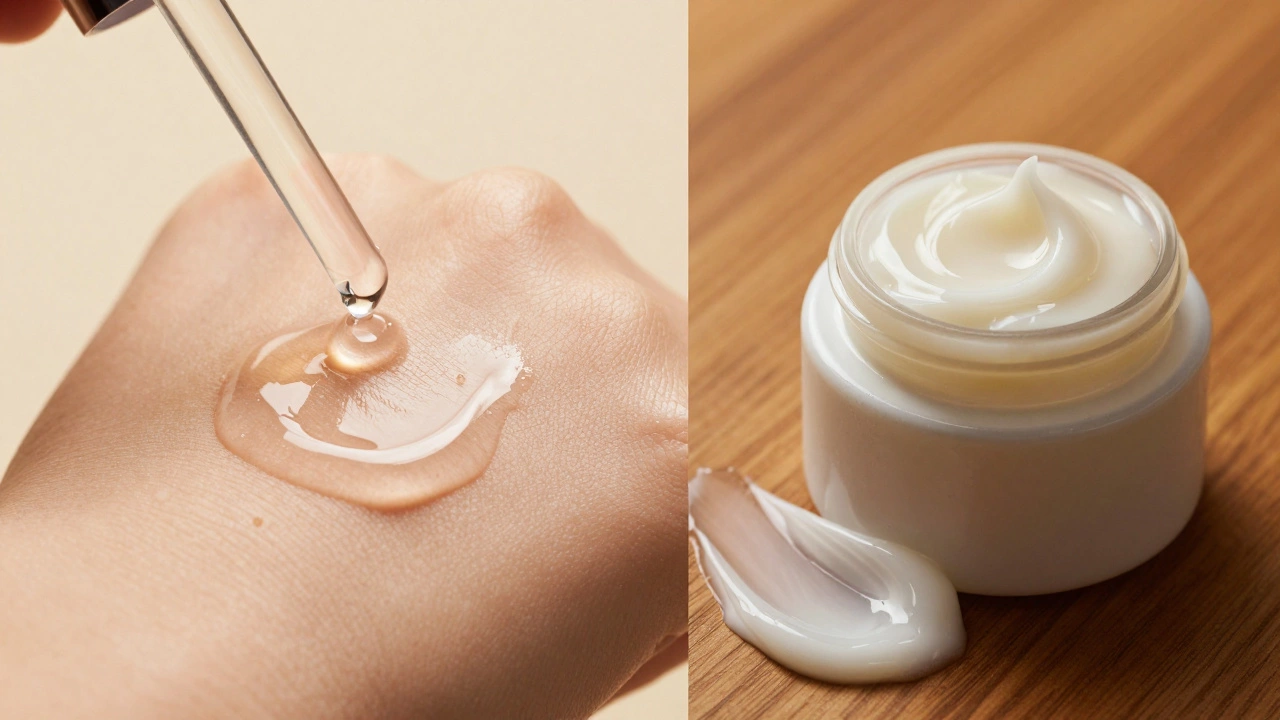
Knowing that water is the base helps you tailor your routine. If you have oily or acne-prone skin, you generally benefit from lighter, water-based gels and lotions. They hydrate without clogging pores. If you have very dry or eczema-prone skin, you might need to layer an anhydrous oil or balm over your water-based serum to seal everything in. The water hydrates; the oil protects. Both are necessary for optimal skin health.
Frequently Asked Questions
Why is water listed as Aqua on ingredient labels?
Aqua is the Latin name for water. International Nomenclature of Cosmetic Ingredients (INCI) standards allow manufacturers to use Latin terms for consistency across global markets. Eau is also used, derived from French. All three terms refer to the same purified substance.
Does water actually hydrate the skin?
Yes, but only temporarily. Water adds moisture to the outermost layer of the skin (stratum corneum). However, without an occlusive agent like oil or ceramides, that water evaporates quickly, potentially leaving skin drier than before. This is why humectants like glycerin are added to bind water to skin cells.
Are water-free cosmetics better?
Not necessarily. Water-free (anhydrous) products are excellent for preserving actives and minimizing preservative exposure. However, they cannot deliver water-soluble ingredients like vitamin C or salicylic acid effectively. The best choice depends on your specific skin needs and the type of active ingredients you want to use.
Can I use distilled water instead of buying toners?
You can, but it offers limited benefits. Distilled water provides temporary hydration but lacks humectants to hold moisture or pH-balancing agents to support the skin barrier. Commercial toners include additional ingredients to stabilize skin pH and prepare it for subsequent products.
Why do some serums feel thick if they are mostly water?
Thickening agents like xanthan gum, carrageenan, or hyaluronic acid are added to water-based formulas to control viscosity. These polymers trap water molecules, creating a gel-like texture that feels substantial on the skin while still being primarily water-based.