
What is the Lifespan of Hair Extensions? A Complete Guide by Type
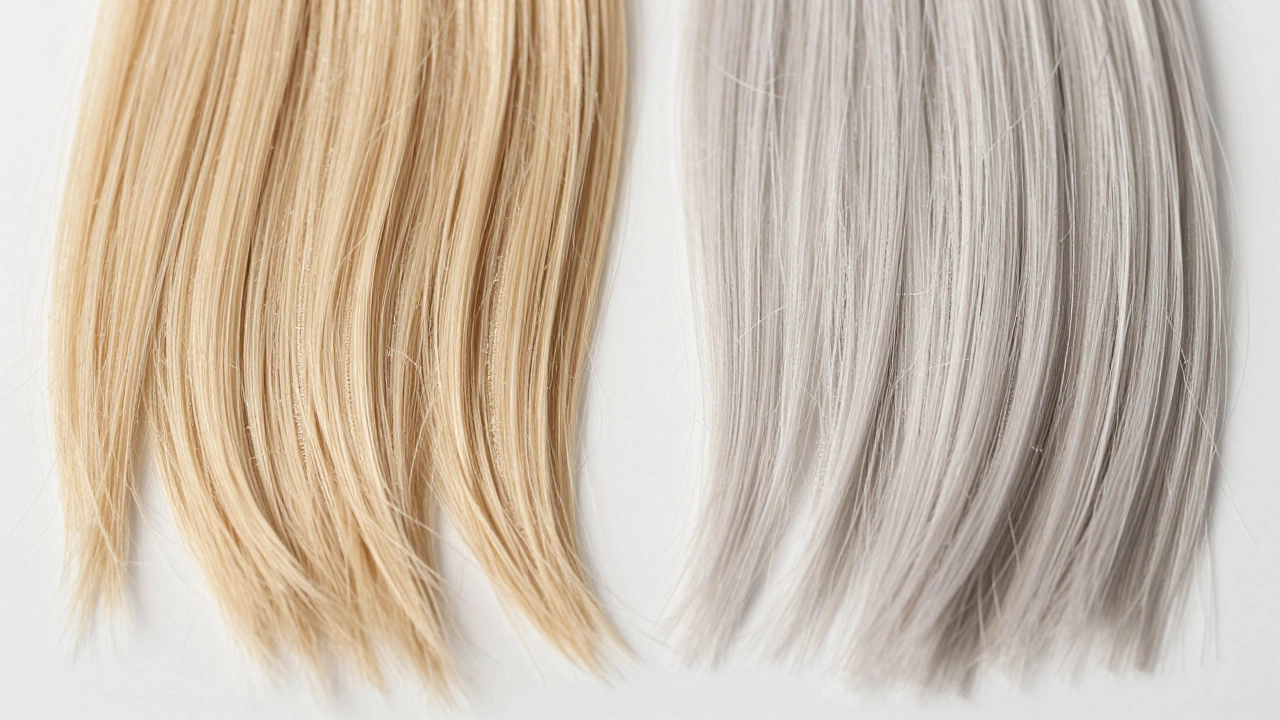 Jun, 25 2026
Hair Extension Lifespan & Cost Estimator
Configuration
Estimated Performance
Note goes here
Note goes here
Est. Annual Investment
Includes hair purchase + salon maintenance
Investing in hair extensions is a cosmetic addition to natural hair used to add length, volume, or color feels like a major upgrade until you realize they aren't permanent. You might be wondering exactly how many months you can get out of that investment before it starts looking frizzy, shedding excessively, or simply falling out. The answer isn't a single number. It depends entirely on the material, the attachment method, and, most importantly, how you treat them.
If you expect clip-ins to last as long as keratin bonds, you’ll be disappointed. Conversely, treating delicate tape-ins like rough-and-tumble synthetic fibers will ruin them in weeks. Understanding the specific lifespan of each type helps you budget correctly and maintain your style without wasting money on premature replacements.
Quick Takeaways: How Long Do Extensions Last?
- Synthetic Hair: 4 to 6 weeks (one-time use only).
- Human Hair Clip-Ins: 3 to 6 months with daily wear; up to a year with careful storage.
- Tape-In Extensions: 6 to 8 weeks before needing maintenance (repositioning).
- Keratin Bond (Fusion): 3 to 6 months total lifespan per strand.
- Weave/Braids: 6 to 8 weeks maximum to prevent matting and tension damage.
The Material Factor: Human vs. Synthetic
The biggest variable in extension longevity is the fiber itself. Not all hair is created equal, and the difference in price usually reflects the difference in durability.
Synthetic hair extensions are made from plastic fibers like kanekalon or toyokalon designed to mimic human hair. They come pre-styled and hold curls well, but they have a very short shelf life once installed. Because these fibers cannot withstand heat above 300°F (150°C) and degrade quickly with friction and washing, they typically last only 4 to 6 weeks. After that, they become tangled, shiny in an unnatural way, and prone to breaking. Most stylists consider synthetic extensions a one-time-use product. Once you take them out, you toss them.
On the other hand, Remy human hair extensions are 100% human hair where the cuticles are intact and aligned in the same direction. This alignment prevents tangling and allows the hair to behave just like your own. High-quality Remy hair can last 6 to 12 months, and sometimes even longer if you rotate between two sets. The key here is "Remy." Non-Remy human hair has cuticles facing different directions, which causes immediate matting and drastically reduces lifespan to just a few weeks.
Lifespan by Application Method
Even the best hair will fail if the application method damages the root or the bond. Different methods stress the hair and scalp differently, dictating how often you need maintenance.
| Method | Lifespan (Before Maintenance) | Total Reusable Life | Best For |
|---|---|---|---|
| Clip-In Extensions | N/A (Removable) | 6-12 months | Occasional wear, events |
| Tape-In Extensions | 6-8 weeks | 4-6 months | Fine hair, quick install |
| Keratin Bond/Fusion | 3-4 months | 6-9 months | Thick hair, long-term wear |
| Micro Links/Rings | 2-3 months | 6-12 months | Chemical-free bonding |
| Sew-In Weave | 6-8 weeks | 3-6 months | Protective styling, braiding |
Clip-In Extensions
These are the most versatile because you control their environment. Since you remove them every night, they don't suffer from 24/7 exposure to sweat, oil, and pillow friction. If you store them properly-brushed out and laid flat or hung-they can last a year or more. However, frequent clipping and unclipping can weaken the weft base, causing shedding after about six months of heavy use.
Tape-In Extensions
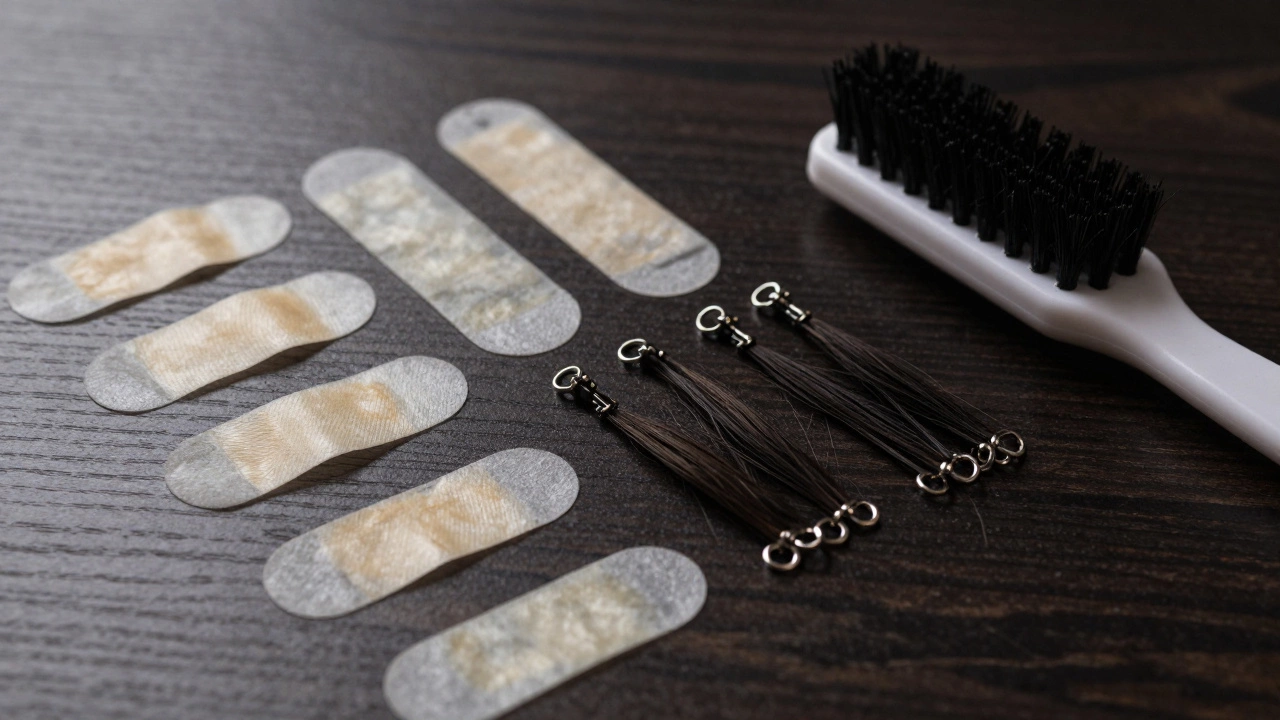
Tape-ins use medical-grade adhesive tabs sandwiched against small sections of your natural hair. The adhesive weakens over time due to natural oils and shampoo. You must have them removed and repositioned every 6 to 8 weeks. While the hair strands themselves can be reused for several cycles (up to 6 months), leaving them in too long leads to matting at the roots and potential hair loss when removal becomes difficult.
Keratin Bond (Fusion) Extensions
This method uses heated keratin protein to bond the extension to your hair. It’s durable but harsh. The bonds grow out with your hair, requiring adjustment every 8-10 weeks. The total lifespan of the bonded hair is usually 3 to 6 months before the keratin degrades or the hair becomes too tangled near the scalp to save.
Micro Links and Nano Rings
These mechanical methods clamp a small silicone-lined bead around your hair and the extension. No glue means less chemical damage. They last 3 to 4 months before needing tightening. The hair can often be fully reused if removed carefully, giving a total lifespan of up to a year.
Why Your Extensions Might Fail Early
You bought premium Remy hair and had them applied by a pro, but they’re already shedding after three weeks. What went wrong? Usually, it’s not the product-it’s the routine.
Improper Brushing is the #1 killer. You cannot brush extensions like your natural hair. You must anchor the top section near the scalp and gently detangle from the ends upward. Pulling straight down puts immense tension on the bonds or clips, ripping the hair out or tearing the weft. Use a loop brush or a soft bristle brush specifically designed for extensions.
Heat Damage applies even to human hair. Extensions don’t receive natural oils from your scalp, making them drier and more susceptible to heat damage. If you blow-dry on high heat or use flat irons above 350°F (175°C) regularly, the cuticles will lift, leading to frizz and breakage within weeks. Always use a heat protectant spray formulated for dry hair.
Product Buildup clogs the bonds. Silicone-heavy conditioners and oils should never touch the roots or tapes. Apply conditioner only from mid-lengths to ends. If you use dry shampoo near the bonds, it creates a paste that loosens adhesives and causes slippage.
Sleeping Wrong causes friction. Sleeping with loose extensions leads to massive tangles overnight. Braid your hair loosely or tie it in a low ponytail before bed. Silk pillowcases help reduce friction compared to cotton.
How to Maximize Extension Lifespan
To get the most value from your investment, follow this maintenance protocol:
- Wash Less Frequently: Wash extensions only 2-3 times a week. Over-washing strips moisture and weakens bonds.
- Use Sulfate-Free Shampoo: Sulfates strip color and dry out the hair shaft. Look for gentle, moisturizing formulas.
- Deep Condition Weekly: Use a hydrating mask on the lengths and ends. Avoid the roots.
- Avoid Chlorine and Saltwater: These elements bleach and dry out hair. Wear a swim cap or wet your hair with fresh water and apply conditioner before swimming to create a barrier.
- Professional Removal: Never try to pull off tape-ins or fusion bonds yourself. Incorrect removal pulls out your natural hair. Book a specialist for safe removal and reinstallation.

When Is It Time to Replace Them?
Knowing when to let go is crucial for protecting your natural hair. Replace your extensions if:
- Excessive Shedding: If you’re losing more than 10-15 hairs per wash, the integrity of the weft or bond is compromised.
- Matted Roots: If the hair near the scalp is knotted tightly and cannot be brushed out, it’s time to remove them. Continuing to wear matted extensions can lead to traction alopecia.
- Faded Color: If the extensions were dyed or highlighted and the color has faded unevenly, blending becomes impossible, making them look artificial.
- Bond Slippage: If tape-ins or micro rings are sliding down the hair shaft consistently despite maintenance, the adhesive or clamping power is gone.
Frequently Asked Questions
Can I sleep with hair extensions in?
Yes, but you must prepare them. Loose hair will tangle severely overnight. Braid your hair into a loose braid or tie it in a low, loose ponytail. Using a silk or satin pillowcase reduces friction and helps prevent tangling and breakage.
Do synthetic hair extensions last longer than human hair?
No. Synthetic hair lasts significantly shorter, typically 4-6 weeks, and is considered disposable. Human Remy hair can last 6-12 months or longer with proper care because it retains its structural integrity better under heat and styling.
How often should I get my tape-in extensions maintained?
Every 6 to 8 weeks. As your natural hair grows, the tapes move away from the scalp, creating tension and visibility. Maintenance involves removing the old tapes, cleaning the area, and applying new tapes closer to the root.
Can I reuse keratin bond extensions?
Yes, if they are removed professionally using a specialized solvent. The old keratin is dissolved, the hair is cleaned, and new bonds are applied. However, repeated melting and remelting can weaken the hair shaft, so reuse is limited to 1-2 cycles.
Why are my extensions tangling so much?
Tangling is usually caused by dryness, improper brushing, or non-Remy hair. Ensure you are using sulfate-free products, conditioning the ends regularly, and brushing gently from bottom to top. If you bought cheap non-Remy hair, the cuticles are misaligned, causing inevitable matting.
Is it safe to leave extensions in for more than 6 months?
Generally, no. Leaving extensions in too long increases the risk of matting, hygiene issues, and traction alopecia (hair loss due to tension). Most methods require maintenance every 6-8 weeks, and the hair itself should be replaced every 3-6 months to ensure scalp health.