
What Is the Highest Paid Beauty Service in 2026?
 Mar, 15 2026
Beauty Service Earnings Calculator
Service Details
Results
Comparison to Other Services
Note: Cosmetic surgery offers significantly higher earnings due to longer training requirements, higher procedure costs, and lower frequency of sessions needed. While injectables can generate $150,000/year for top practitioners, cosmetic surgeons typically earn $300,000-$500,000 annually.
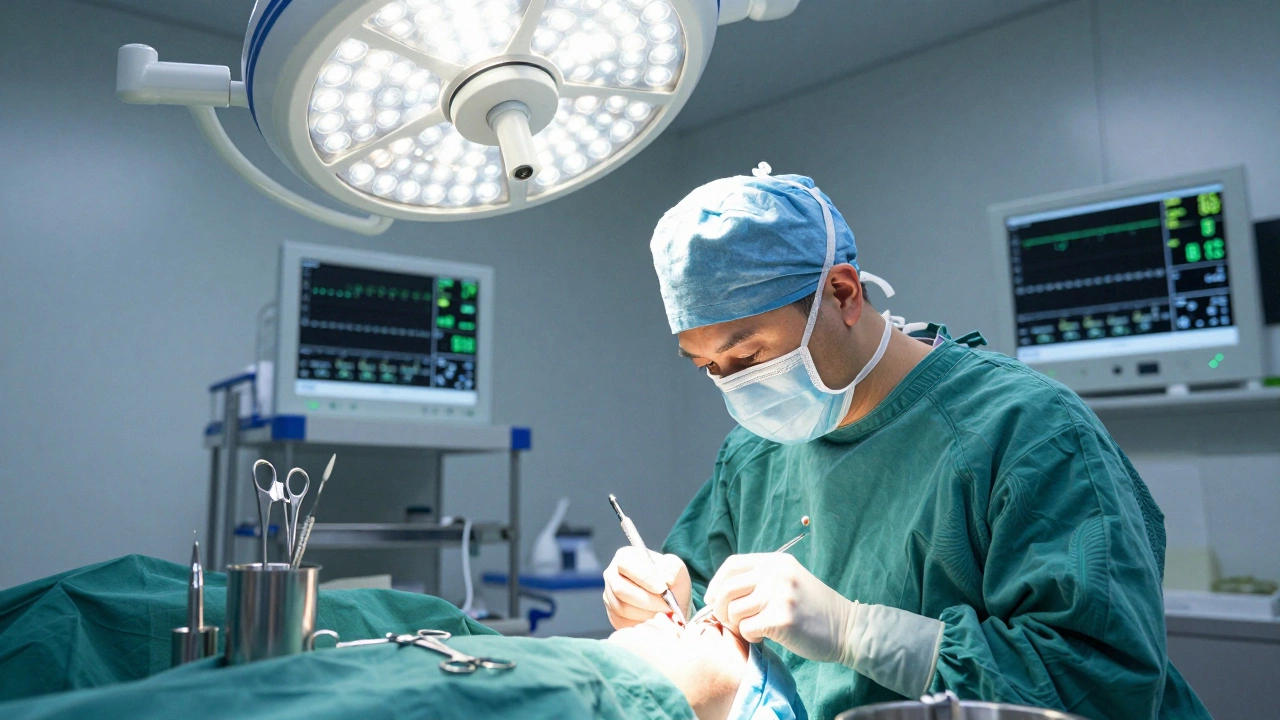
When you think of high-paying beauty services, you probably imagine luxury facials or fancy hair extensions. But the real money in the beauty industry isn’t in massages or manicures-it’s in procedures that change how people look, feel, and function. The highest paid beauty service in 2026 isn’t something you get at a spa. It’s cosmetic surgery.
Think about it: a single lip filler session might cost $600. A full face lift? That can run $12,000 to $25,000. And that’s just one appointment. Surgeons who specialize in cosmetic procedures don’t just charge for their time-they charge for precision, experience, and results that last years. In New Zealand, where demand for non-invasive and surgical enhancements has climbed steadily since 2020, board-certified plastic surgeons are earning six-figure incomes, with top practitioners pulling in over $500,000 a year. That’s not a rumor. It’s based on data from the New Zealand Medical Council and industry reports from the Australasian College of Cosmetic Surgery.
Why does this service top the list? Because it’s irreversible, high-risk, and highly desired. People don’t just want to look better-they want to fix something they’ve lived with for decades. A crooked nose. Sagging skin after weight loss. Asymmetrical features. These aren’t vanity projects. For many, they’re confidence repairs. And that’s why clients are willing to pay premium prices.
What Makes Cosmetic Surgery the Highest Paid?
Not all beauty services are created equal. A Brazilian blowout might cost $200 and take 90 minutes. A chemical peel? $150, done in 30. But cosmetic surgery? It’s a full medical procedure. Here’s what sets it apart:
- Training required: Surgeons must complete medical school, a five-year residency in general surgery, then an additional two to three years of specialized training in plastic and reconstructive surgery. That’s 10+ years of education before they even touch a scalpel.
- Facility costs: These procedures happen in accredited surgical centers or hospitals, not salons. Operating rooms, anesthesia teams, recovery suites-all add thousands to the cost.
- Time investment: A rhinoplasty can take 3 to 4 hours. A tummy tuck? 4 to 6. Surgeons don’t do three of these in a day. They do one, carefully.
- Follow-up care: Unlike a facial, you don’t walk out and forget about it. Patients need check-ups for weeks, sometimes months. Complications? They’re rare, but when they happen, the surgeon is on the hook.
Compare that to a microblading artist who spends 2 hours on eyebrows and charges $800. Or a laser hair removal technician who does 10 sessions a day for $150 each. The income is decent, but it doesn’t come close to what a cosmetic surgeon earns per procedure.
Other High-Paying Beauty Services (And Why They Fall Short)
Let’s be clear-there are other lucrative services in beauty. But none match the earning potential of cosmetic surgery.
- Injectables (Botox, fillers): These are huge. A single Botox session can cost $400-$800. Top practitioners in cities like Auckland and Wellington do 15-20 sessions a week. That’s $12,000 to $16,000 a week. But here’s the catch: most injectable providers aren’t doctors. Nurses, dentists, and aesthetic practitioners can do them. They don’t have the same overhead, but they also don’t have the same earning ceiling. A doctor doing Botox part-time might make $150,000 a year. A full-time cosmetic surgeon doing surgery? $300,000-$500,000.
- Laser skin resurfacing: Treatments like Fraxel or CO2 lasers can cost $1,500 per session. Multiple sessions are common. But again, these are often performed by dermatologists or trained technicians. The equipment is expensive, and the demand is high, but the procedure is faster and less complex than surgery. It’s profitable, but not the top earner.
- Body contouring (CoolSculpting, liposuction): Liposuction is a surgical procedure, so it’s close to the top. But it’s often bundled with other surgeries. CoolSculpting? Non-invasive. Costs $750-$1,500 per area. Easy to scale. But it’s not surgery. It doesn’t require the same level of training or liability.
The pattern is clear: the more medical, the more complex, the more irreversible the procedure, the higher the price-and the higher the pay.
Where Is the Demand Coming From?
In 2026, demand for cosmetic surgery in New Zealand has surged. Why? Three big reasons:
- Post-pandemic self-image shift: After years of Zoom calls and isolation, people noticed things they never paid attention to before-jawline definition, skin texture, nose shape. Social media didn’t help. But it did fuel the desire to fix it.
- Insurance and financing options: Many clinics now offer payment plans. Some even partner with medical lenders. No more needing to save for two years. You can pay over 12-24 months. That opened the market to middle-income earners.
- Increased access to information: YouTube, TikTok, and Instagram have turned cosmetic procedures into educational content. People know what’s possible. They know what to ask for. And they’re willing to pay for it.
According to the New Zealand Society of Plastic Surgeons, the number of cosmetic surgeries performed in 2025 increased by 22% from 2023. Nose jobs, breast augmentations, and eyelid lifts were the top three. But the fastest-growing category? Mommy makeovers-combining tummy tucks, breast lifts, and liposuction. That’s not a trend. That’s a lifestyle shift.
What About Non-Surgical Alternatives?
You might be thinking: Isn’t Botox the future? Isn’t everything moving toward non-invasive? That’s true-but not for revenue.
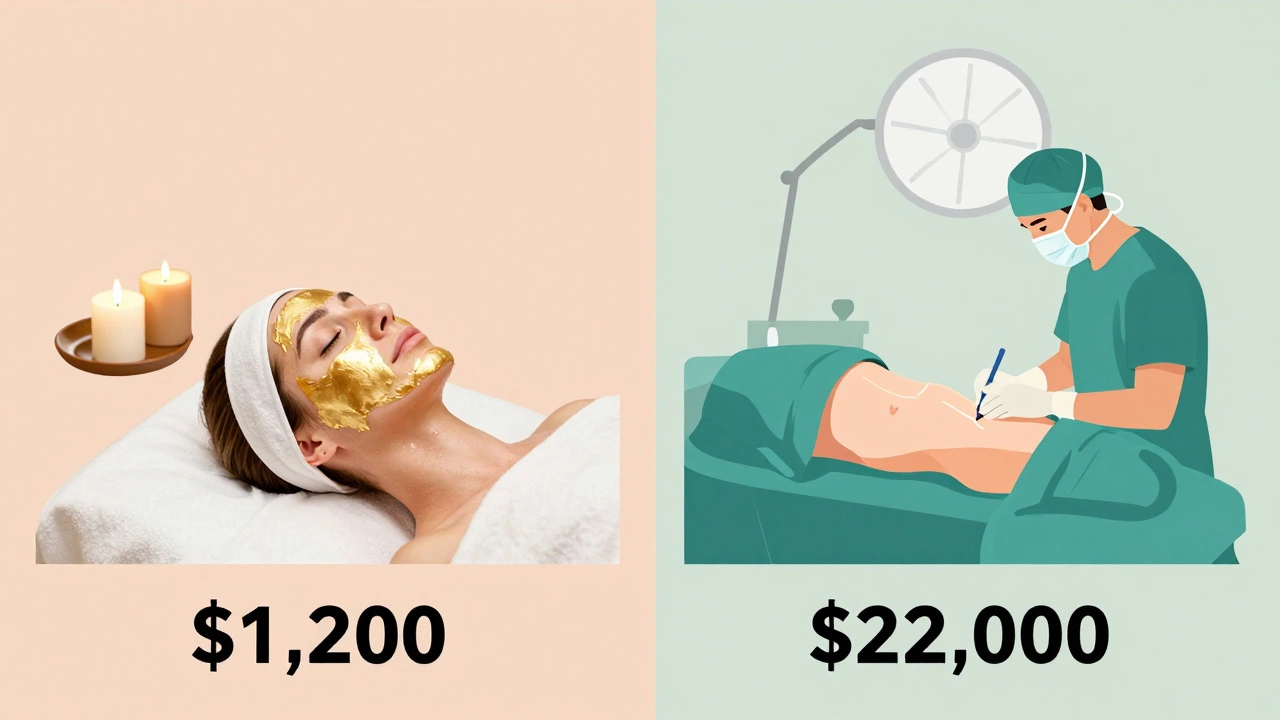
Non-surgical treatments are popular because they’re low-risk and easy to repeat. But they’re also recurring. A person might get Botox every 4-6 months. That’s 2-3 visits a year. Each visit: $600. That’s $1,200-$1,800 annually. Sounds good? Until you compare it to a single surgical procedure that costs $15,000 and lasts 10-15 years.
One surgery. One payment. One life-changing result. That’s why surgeons win.
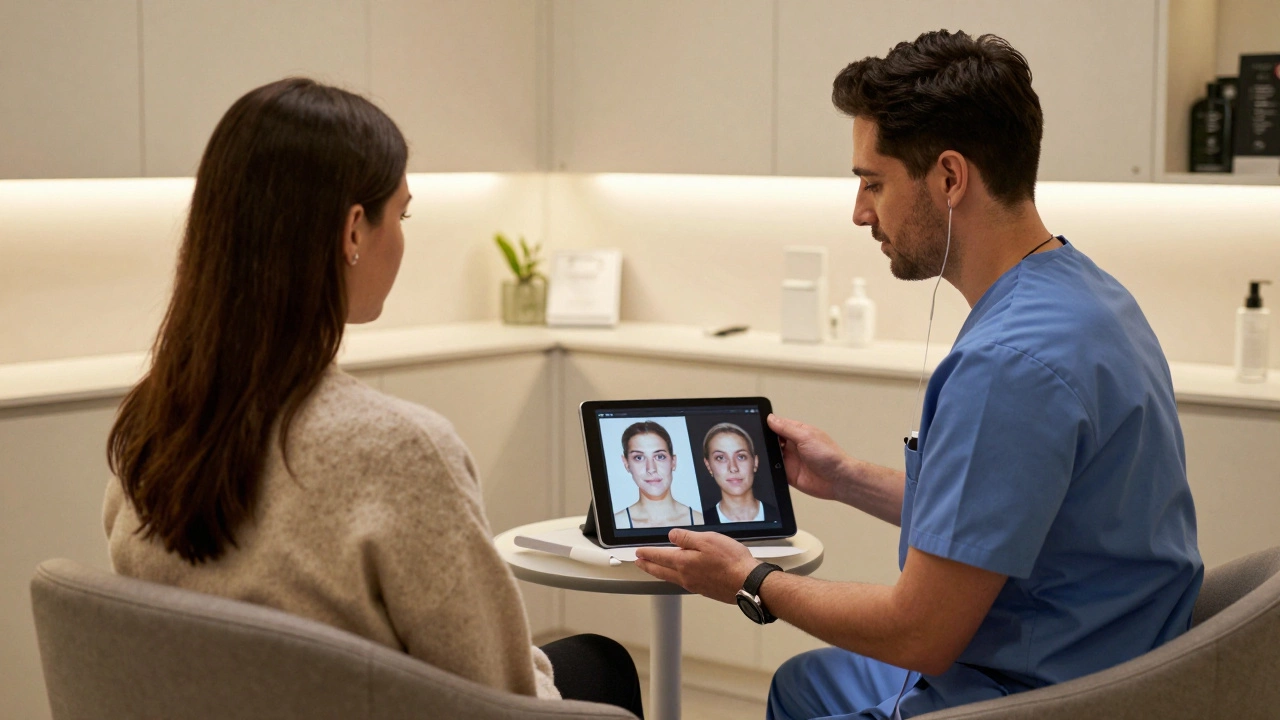
Even in high-end spas, the most expensive service isn’t a gold-leaf facial. It’s the consultation for surgery. Many clinics charge $300-$500 just to meet with a surgeon. That’s more than most full-day spa packages.
Is It Worth It?
For clients? That’s personal. For practitioners? Absolutely. The return on investment for a cosmetic surgeon is unmatched in the beauty world. The education cost is high. The liability is real. But the earning potential? It’s not even close.
And that’s why, in 2026, the highest paid beauty service isn’t a massage, a peel, or a highlight. It’s a scalpel.
Is cosmetic surgery the most expensive beauty service too?
Yes. While non-surgical treatments like laser therapy or injectables are popular, cosmetic surgery commands the highest price tag. Procedures like rhinoplasty, breast augmentation, and tummy tucks typically cost between $10,000 and $25,000. That’s several times more than even the most premium spa treatments, which rarely exceed $1,500 per session.
Can nurses or aestheticians earn as much as surgeons?
Not at the same level. While experienced nurses and aestheticians who perform Botox or dermal fillers can earn $80,000-$120,000 a year, especially in major cities, they don’t reach the $300,000+ range that top surgeons do. Surgeons have more training, higher liability, and charge for complex procedures that can’t be replicated by non-medical professionals.
Are cosmetic surgeries covered by insurance in New Zealand?
Generally, no. Cosmetic surgeries are considered elective and not covered by public health insurance (ACC or public hospitals). However, if a procedure is deemed reconstructive-like fixing a breathing issue after a nose injury or breast reconstruction after cancer-then partial coverage may apply. Most patients pay out-of-pocket or use medical financing.
What’s the most common cosmetic surgery in New Zealand right now?
In 2025, the top three were eyelid lifts (blepharoplasty), breast augmentations, and rhinoplasty. But the fastest-growing procedure was the mommy makeover-a combination of tummy tuck, breast lift, and liposuction. Demand has surged among women aged 35-50 who’ve had children and want to restore their pre-pregnancy shape.
How long does it take to become a cosmetic surgeon?
It takes at least 12 years after high school. That includes a 6-year medical degree, a 5-year general surgery residency, and a 2-3 year specialized plastic surgery fellowship. Many also complete additional training in cosmetic techniques. By the time they’re licensed to perform elective surgeries, they’re in their early 30s.