
What Is the Best Beauty Trade to Get Into in 2026?
 Jan, 15 2026
Beauty Trade Earnings Calculator
Estimate Your Earnings
See potential income for different beauty trades in New Zealand
Results will appear here
If you’re thinking about switching careers or starting fresh in the beauty world, you’re not alone. More people than ever are walking away from 9-to-5 jobs to build hands-on, creative, and profitable careers in beauty. But with so many options - esthetician, lash tech, nail artist, makeup artist, hair stylist - how do you pick the one that’s actually worth your time and money?
Esthetician: The Most Versatile Entry Point
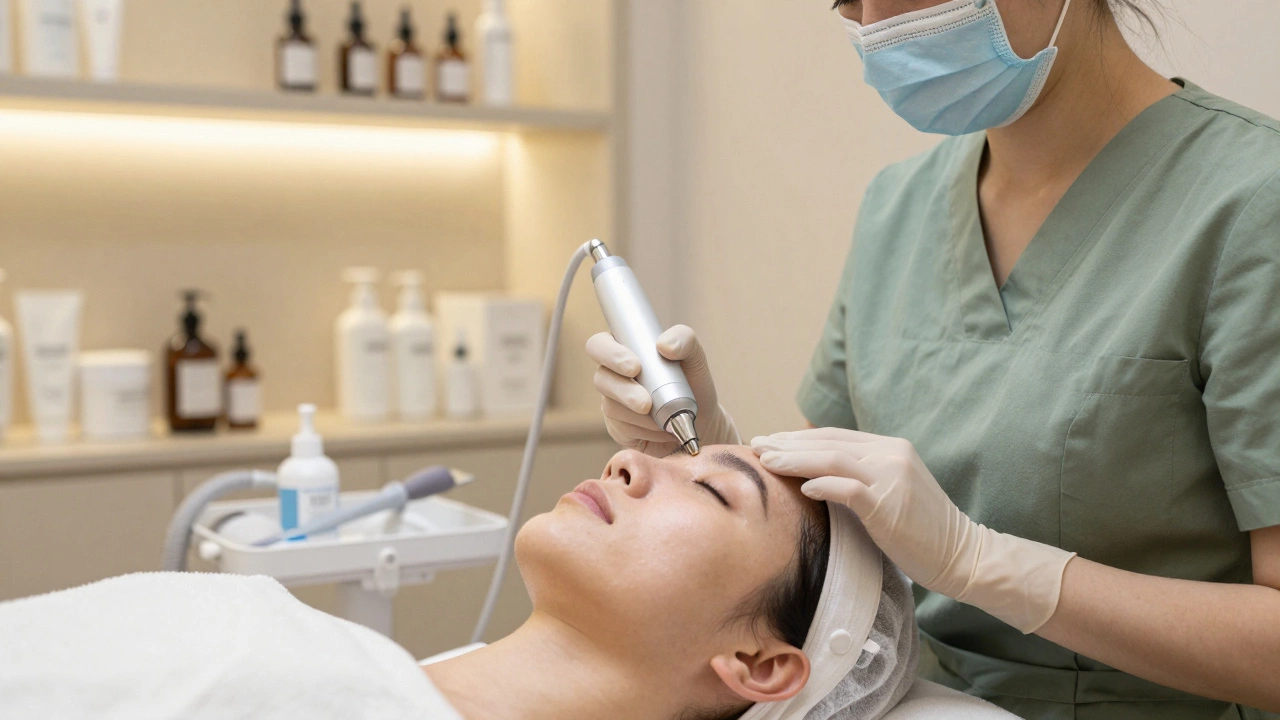
Estheticians are the backbone of modern skincare. They work in spas, medical clinics, dermatology offices, and even luxury hotels. In New Zealand, the demand for licensed estheticians has grown 37% since 2020, according to the New Zealand Beauty Industry Association. Why? Because people aren’t just washing their faces anymore - they want facials, chemical peels, microdermabrasion, and LED therapy done right.
Training takes 6 to 12 months, depending on the course. You’ll learn skin anatomy, product chemistry, sanitation protocols, and how to use devices like dermaplaners and radiofrequency machines. After licensing, you can charge $60-$120 per session. Top estheticians in Wellington and Auckland earn $65,000-$85,000 a year, especially if they sell retail products or offer monthly membership plans.
Unlike other beauty jobs, esthetics lets you grow into medical aesthetics later. Many start as estheticians and end up working alongside dermatologists, doing non-invasive skin tightening or acne laser treatments. It’s a career you can build for decades.
Lash Technician: Fastest ROI, Highest Demand
Nothing in beauty has exploded faster than eyelash extensions. In 2025, over 42% of women aged 18-35 in New Zealand had lash extensions at least once a month. That’s not a trend - it’s a habit.
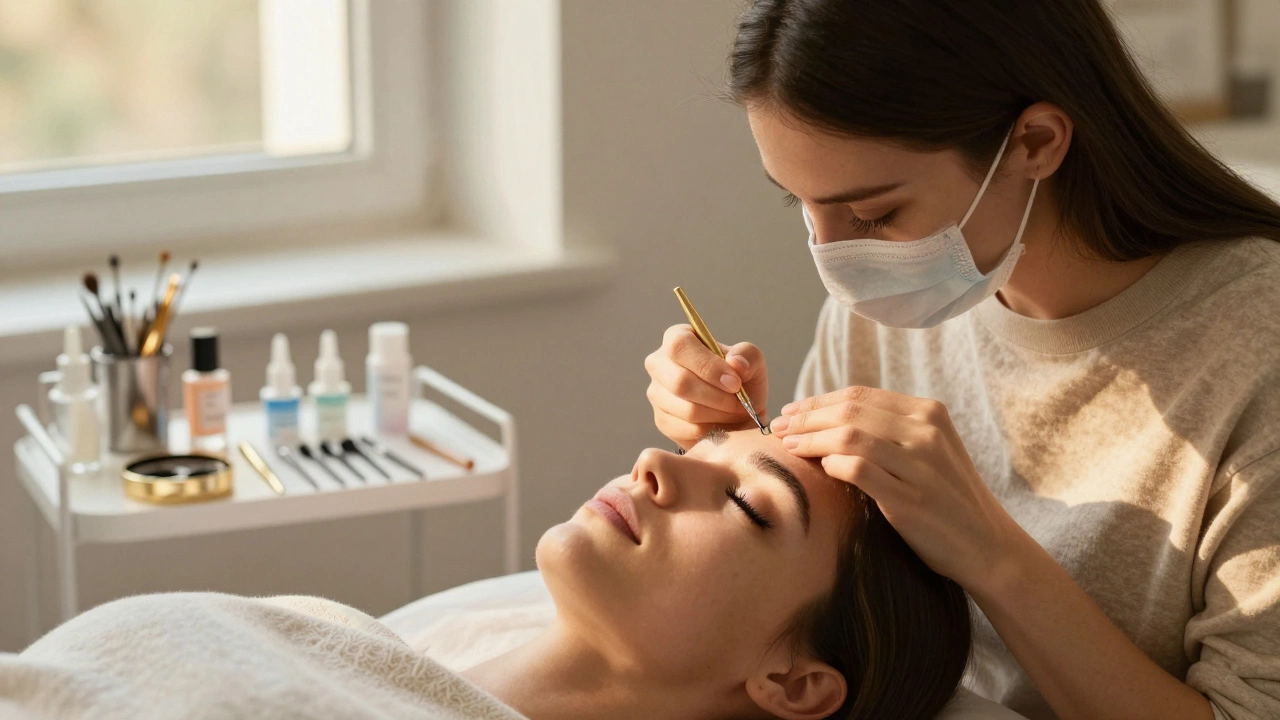
Becoming a certified lash technician takes just 2-4 weeks of training. You’ll learn different extension styles (volume, mega volume, Russian), how to prep natural lashes, and how to avoid allergic reactions. Most courses include a kit with adhesive, tweezers, and lashes.
Once you’re certified, you can start working from home or rent a chair in a salon. A full set costs $80-$150. Clients come back every 2-3 weeks for fills, which cost $40-$70. That’s $1,200-$2,500 a month on just 15 clients. Top lash techs in Auckland are hitting $70,000+ a year without ever needing a storefront.
The best part? You can start earning within a week of finishing your course. No long apprenticeships. No huge upfront costs. Just a chair, some lights, and good hygiene.
Nail Technician: Steady, Reliable, and Always in Demand
Nails aren’t glamorous on paper, but they’re one of the most stable beauty trades. People get their nails done every 2-3 weeks, no matter the economy. Even in 2023, during the cost-of-living crisis, nail appointments in Wellington stayed 92% full.
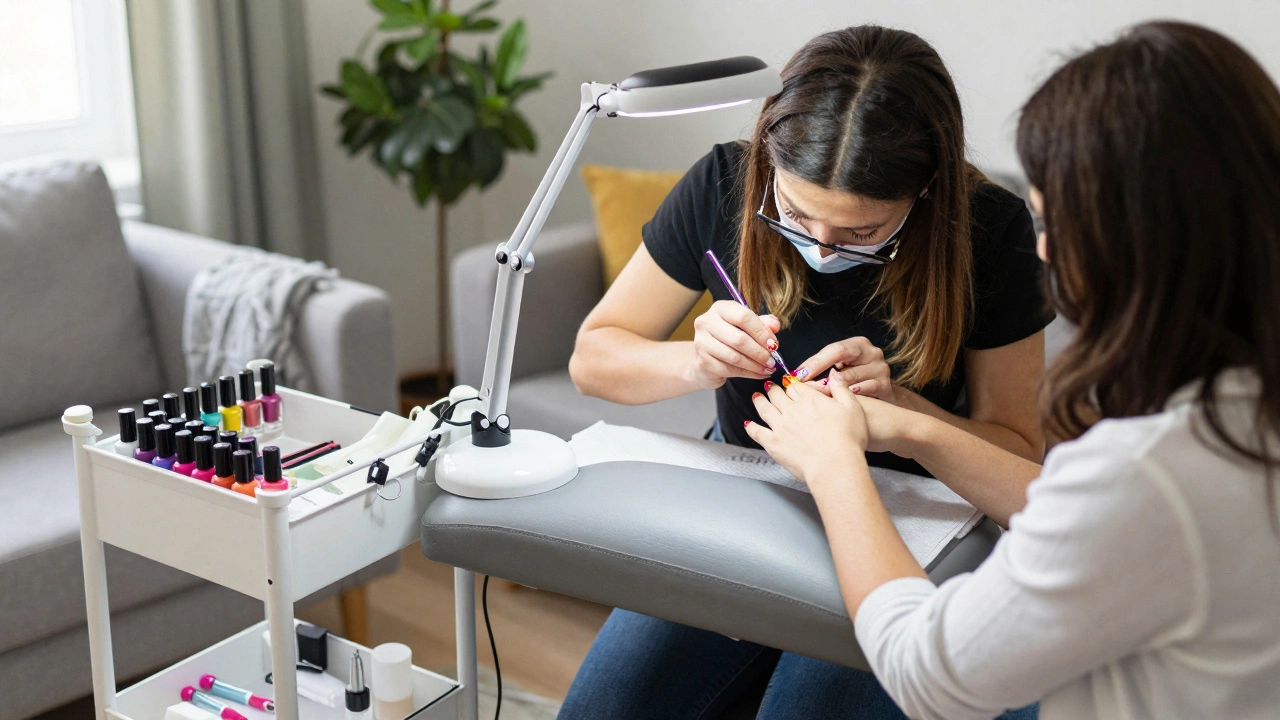
Nail tech training takes 3-6 months. You’ll learn acrylics, gels, dip powder, nail art, and foot care. You’ll also learn how to avoid common mistakes like lifting, fungal infections, and over-filing.
Prices vary: a basic gel manicure is $45-$65. A full set of acrylics with art runs $80-$120. A pedicure with polish is $40-$60. If you book 20 clients a week, you’re making $1,000-$1,500 weekly. That’s $52,000-$78,000 a year. Many nail techs work part-time in salons and run their own weekend mobile business on the side.
It’s not the flashiest job, but it’s the most predictable. And with the rise of nail subscriptions - where clients pay $30/month for weekly touch-ups - it’s becoming even more profitable.
Makeup Artist: Creative, But Harder to Break Into
Makeup artistry sounds glamorous - think weddings, fashion shows, TV, and film. But the reality is different. Most makeup artists spend years building a portfolio, networking, and working for free just to get their name out.
Training takes 3-8 months. You’ll learn color theory, skin types, contouring, airbrushing, and how to work under harsh lighting. But here’s the catch: the market is saturated. There are more makeup artists than clients who can afford them.
If you want to make real money, you need to specialize. Bridal makeup? That’s still strong. Medical makeup for cancer patients? Growing fast. High-definition TV and film? Requires union membership and years of experience. Most makeup artists in New Zealand earn $30-$60 an hour, but only if they’re booked solid. Many supplement with teaching or selling makeup kits.
It’s a great side hustle, but not the most reliable main income unless you’re in a major city and have a strong brand.
Hair Stylist: High Barrier, High Reward
Hair is different. It takes longer to train - usually 18-24 months for a full qualification. You need to learn cutting, coloring, perming, texturizing, and scalp health. You also need a license to work in a salon.
But once you’re qualified, the earning potential is high. A senior stylist in a high-end salon can charge $100-$200 per cut and color. Commission rates are usually 40-50%. Top stylists in Christchurch and Wellington pull in $80,000-$120,000 a year.
The downside? It’s physically demanding. You’re on your feet 8-10 hours a day. You also need to keep up with trends - balayage, keratin treatments, color correction - and invest in tools and products. And you’ll likely start at the bottom, washing hair and doing $25 trims for years.
If you love hair and don’t mind the grind, it’s one of the most respected trades. But if you want to start earning quickly, it’s not the fastest path.
Which Trade Should You Choose?
Here’s a simple way to decide:
- Want the fastest start and highest profit per client? Go for lash technician. You can be earning within a month.
- Prefer long-term growth and medical opportunities? Choose esthetician. It opens doors to higher-paying roles later.
- Need steady income with low risk? Nail technician is your best bet. People always need nails done.
- Love creativity and don’t mind waiting? Makeup artistry can pay off - but only if you’re willing to hustle for years.
- Ready for a long journey with big rewards? Hair styling is the classic path. Just know it takes patience.
Don’t pick based on what looks pretty on Instagram. Pick based on your life. Do you want to work from home? Then lashes or nails are ideal. Do you want to work in a spa? Esthetics is your fit. Are you okay with commuting to a salon? Hair or makeup might work.
What You Need Before You Start
No matter which path you choose, you need three things:
- Accredited training - Make sure your school is registered with the New Zealand Beauty Industry Council. Avoid online-only courses that don’t include hands-on practice.
- Liability insurance - Most salons require it. It costs about $150 a year. You can get it through NZ Beauty Professionals Association.
- A starter kit - Don’t buy everything at once. Start with essentials: sterilizer, gloves, quality products, and tools. A basic lash or nail kit costs $200-$400.
Also, check if your chosen trade requires registration with the Ministry of Health. Estheticians and nail techs don’t need it yet - but that could change. Stay informed.
Real Talk: It’s Not All Glitter
Beauty trades sound fun - and they are. But they’re also physical, emotional, and sometimes messy work. You’ll deal with clients who cancel last minute. You’ll get allergic reactions. You’ll have to say no to someone who wants a $200 set but only has $50.
Success comes from consistency, professionalism, and treating every client like they’re your only one. The best beauty pros aren’t the most talented - they’re the most reliable.
Where to Start in New Zealand
Here are three trusted schools for 2026:
- Wellington Institute of Beauty - Offers esthetician and lash courses with job placement support.
- Beauty Academy Auckland - Known for nail tech and makeup programs with industry connections.
- Christchurch School of Hair & Beauty - Strong hair styling program with apprenticeship options.
Most offer payment plans, and some even let you start with a $100 deposit. Look for schools that include a free starter kit and certification.
Don’t wait for the perfect moment. The beauty industry doesn’t wait. If you’re ready to learn, train, and show up - there’s a place for you.
What’s the quickest beauty trade to start earning money in?
Lash technician is the fastest. You can complete training in 2-4 weeks, get certified, and start booking clients within days. Most techs earn their first $500-$1,000 in their first month, even working part-time from home.
Do I need a license to be a beauty technician in New Zealand?
Currently, only hair stylists need a formal license from the Ministry of Health. Estheticians, lash techs, and nail technicians don’t require one yet - but they must complete accredited training. However, many salons and insurance providers require proof of certification. Always choose a course that gives you a recognized qualification.
Can I work as a beauty technician without a salon?
Yes - and many do. Lash and nail technicians often work from home, in clients’ homes, or rent a chair in a salon part-time. Estheticians can offer mobile services too. Just make sure you have liability insurance and follow health and safety guidelines for sanitation and waste disposal.
How much does beauty school cost in New Zealand?
Costs vary by trade. Lash and nail courses range from $1,200 to $2,500. Esthetician programs are $3,000-$5,000. Hair styling can cost $8,000-$15,000 for full qualifications. Many schools offer payment plans, and some include your starter kit. Avoid schools charging over $6,000 for short courses - they’re often overpriced.
Is the beauty industry stable in New Zealand?
Yes. Even during economic downturns, people still spend on beauty. In 2025, the New Zealand beauty market was worth $1.2 billion. Services like lash extensions, facials, and nail care are growing faster than cosmetics. Clients treat beauty as self-care, not a luxury - making it one of the most recession-proof industries.