
What Is a Salon Girl Called? Terminology, Roles & Titles Explained
 May, 31 2026
Salon Professional Title Finder
Select the primary service you are looking for or describing to find the correct professional title.
What service is being performed?
Recommended Title
Select a service above to see the proper professional title.
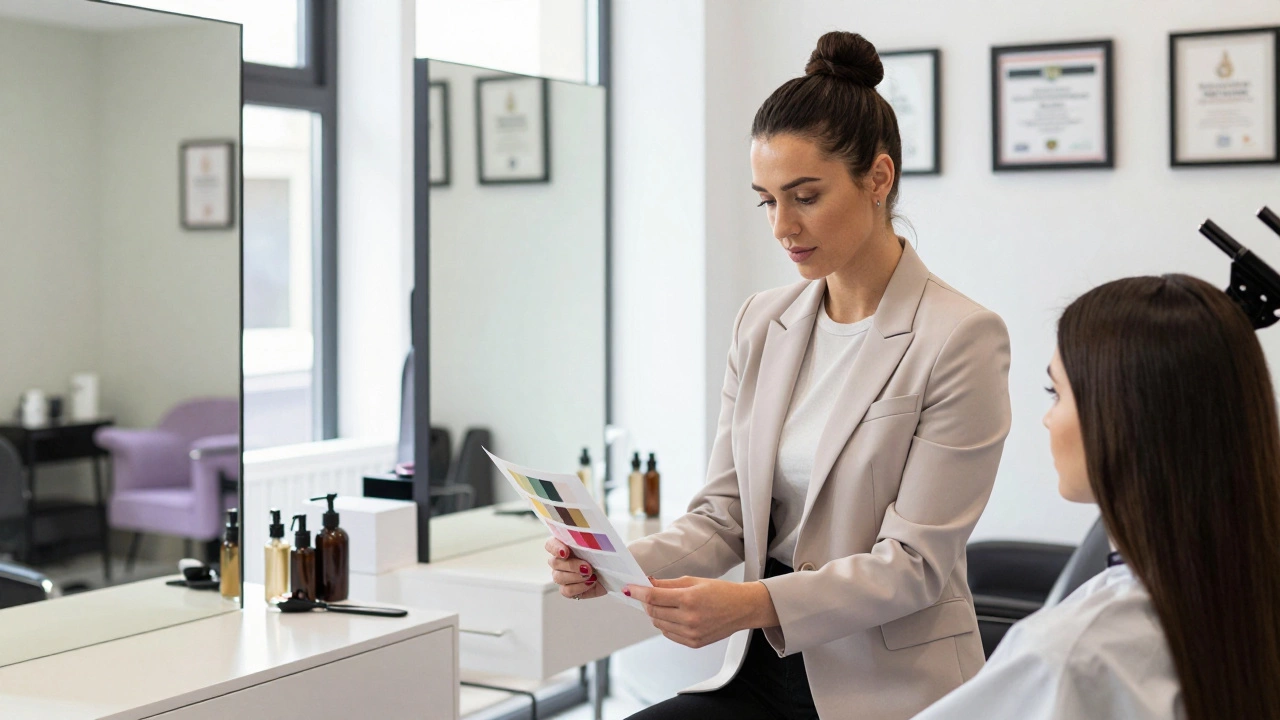
You walk into a bright, buzzing salon. The air smells like lavender and hairspray. You look at the staff directory on the wall or check the booking app, and you see titles like "Senior Stylist," "Therapist," or "Technician." But if you are trying to figure out what to call the woman working there-especially if you heard someone use the phrase "salon girl"-you might be scratching your head. It’s a common confusion. People often reach for casual slang when they aren’t sure of the professional title.
The short answer is that "salon girl" isn't a standard job title in the beauty industry today. In fact, using it can come off as outdated or even disrespectful. Most professionals prefer terms that reflect their training, license, and specific craft. Whether she cuts hair, applies makeup, or gives facials, her title tells you exactly what she does and how qualified she is.
Why "Salon Girl" Is Not the Right Term
Language evolves, and so do workplace norms. Decades ago, informal labels like "beauty parlor girl" or "salon girl" might have been used in casual conversation. Today, those phrases feel disconnected from the reality of the profession. Beauty work is skilled labor. It requires hours of education, licensing exams, and continuous learning about skin science, hair chemistry, and sanitation standards.
When you use a vague term like "salon girl," you strip away that expertise. It reduces a trained professional to a generic role. Imagine calling a doctor "hospital person" or an engineer "office worker." It just doesn’t fit. In modern salons, especially in places with strict regulations like New Zealand or the UK, professionals take pride in their credentials. Using the correct title shows respect and helps you communicate better about what service you actually need.
Is "salon girl" offensive?
It is not necessarily intended as an insult, but it is widely considered unprofessional and outdated. Many beauty professionals find it reductive because it ignores their specialized training and licensure. Using proper job titles is always safer and more respectful.
The Professional Titles You Should Know
If you want to address someone correctly, you need to know what they do. The beauty industry has split into several distinct trades, each with its own title. Here is a breakdown of the most common roles you will encounter.
Hair Stylist vs. Hairdresser
You will hear these two terms used interchangeably, but there is a subtle difference. A Hairdresser typically focuses on cutting, coloring, and styling hair. It’s the classic salon role. If you are going in for a trim, a blowout, or a color correction, you are seeing a hairdresser.
A Hair Stylist often implies a higher level of creativity or specialization. They might work in fashion, film, or high-end editorial settings. However, in many local salons, "Stylist" is simply the preferred modern term for a hairdresser. When booking, if you see "Senior Stylist," it usually means they have more experience than a junior assistant.
Esthetician (or Skin Therapist)
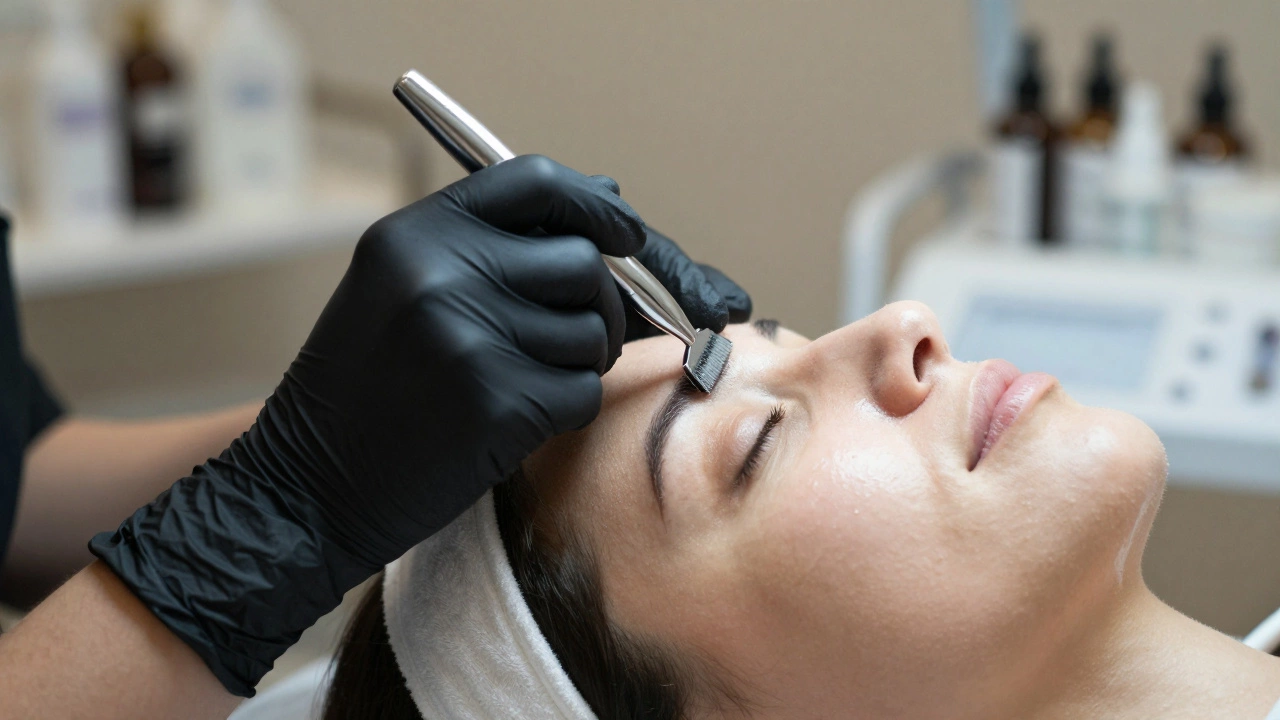
This is where things get interesting. If the woman is performing facials, waxing, or chemical peels, she is likely an Esthetician. In the UK and New Zealand, you might also see the term Skin Therapist or Beauty Therapist. These professionals are trained in dermatology basics, skin anatomy, and cosmetic procedures. They are not just washing your face; they are diagnosing skin conditions and recommending treatments. Calling an esthetician a "salon girl" misses the medical-adjacent nature of their work.
Makeup Artist
A Makeup Artist (MUA) specializes in applying cosmetics. While some hairdressers offer basic makeup services, a dedicated MUA has deep knowledge of color theory, facial structure, and long-wear techniques. They often work for weddings, photoshoots, or special events. If you are getting ready for a big night, you want an MUA, not a generalist.
Nail Technician
Don’t overlook the hands and feet. A Nail Technician or Nail Tech handles manicures, pedicures, gel nails, and acrylics. This is a highly technical skill involving chemistry (for gels and acrylics) and hygiene protocols. Nail techs often run their own stations within a larger salon or operate independently.
| Title | Primary Services | Typical Training |
|---|---|---|
| Hair Stylist / Hairdresser | Cutting, Coloring, Styling | Hairdressing Diploma/Certificate |
| Esthetician / Skin Therapist | Facials, Waxing, Peels | Esthetics Certificate/Diploma |
| Makeup Artist (MUA) | Application, Color Correction | Makeup Artistry Course |
| Nail Technician | Manicures, Pedicures, Extensions | Nail Technology Certification |
| Salon Manager | Operations, Staffing, Inventory | Business Management + Beauty License |
Regional Differences: What Do We Say Where?
Terminology changes depending on where you live. If you are in the United States, "Esthetician" is the gold standard for skin care. In the UK and Australia, "Beauty Therapist" is far more common. In New Zealand, where I’m based, you’ll often see "Hairdresser" and "Beautician" used side-by-side. "Beautician" is a broader term that can cover hair, skin, and nails, though it is becoming less specific over time.
In some European countries, the distinction between a "cosmetologist" and a "dermatologist" is strictly regulated. A cosmetologist handles aesthetic treatments, while a dermatologist is a medical doctor. Confusing these can lead to serious issues if you think you’re getting medical advice from someone who is only trained in aesthetics. Always check the credentials posted on the salon wall.
How to Address Your Service Provider
So, what should you actually say? The easiest rule is: ask them. When you book an appointment, the confirmation email will list the name and title of your provider. Use that. If you are in the chair and unsure, a simple "What should I call you?" works wonders. Most people appreciate the effort.
If you don’t know their specific title, "Professional" is a safe bet. Or just use their first name. In the modern salon environment, hierarchy is flatter than it used to be. First-name basis is the norm unless you are in a very formal, luxury establishment where "Mr." or "Ms." is still preferred. Avoid nicknames unless invited.
The Rise of the "Multi-Trained" Professional
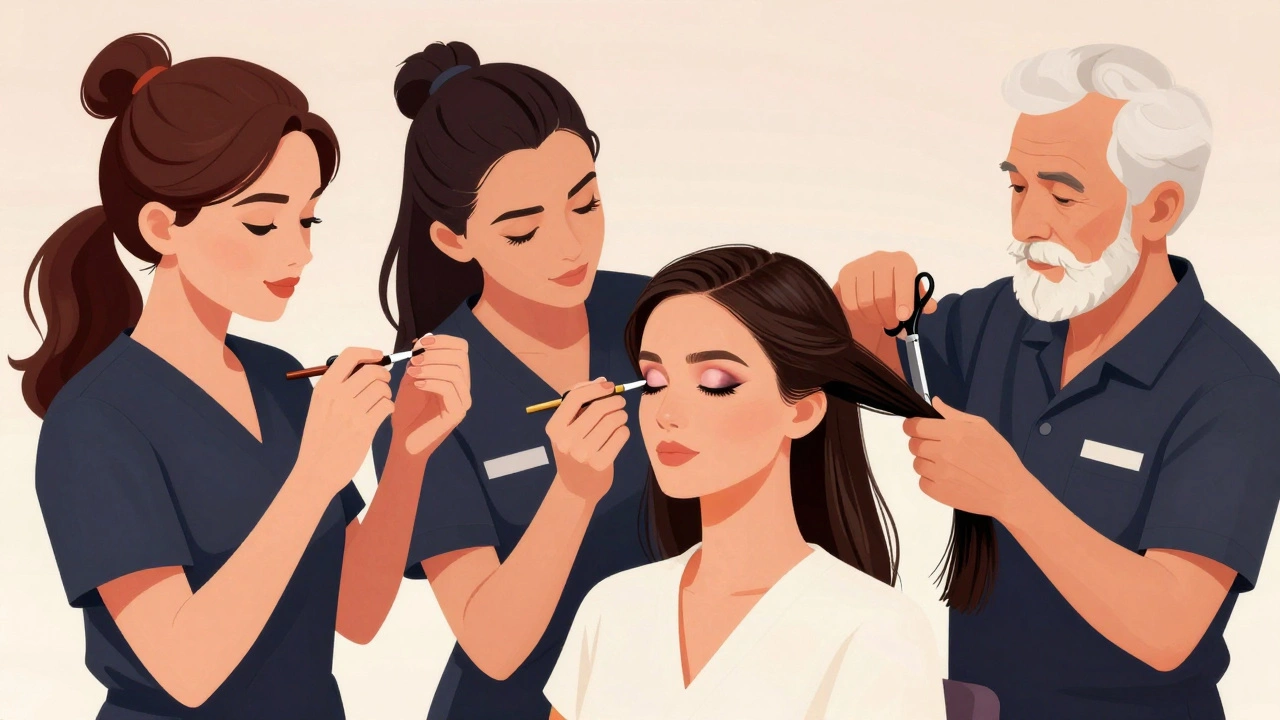
One trend changing the landscape is the multi-trained technician. Many young professionals enter the industry with broad skills. They might cut hair, do lashes, and perform basic facials. This makes labeling them harder. Are they a stylist? An esthetician? Both?
In this case, "Beauty Professional" is an excellent umbrella term. It acknowledges their versatility without boxing them into one narrow category. Salons love these individuals because they can fill gaps in staffing. For clients, it means convenience-you can get your brows done and your hair styled by the same person who knows your preferences.
Why Correct Terminology Matters for Your Experience
Using the right words isn’t just about politeness; it affects the quality of service. If you tell a receptionist you want a "facial," they will book you with an esthetician. If you say you want a "treatment," they might assume you mean a massage or a body wrap. Specificity leads to better results.
Furthermore, understanding titles helps you evaluate value. A "Master Stylist" charges more than a "Junior Stylist" because they have years of experience handling complex color corrections or intricate cuts. Knowing the difference ensures you pay for the expertise you need. If you just want a quick trim, a junior stylist might be perfect. If you are growing out bangs after a bad haircut, you want the master.
Red Flags in Salon Titles
While most titles are straightforward, watch out for vague marketing terms. Some places use titles like "Beauty Guru" or "Style Queen" to sound trendy. These aren’t real credentials. Check if the person holds a valid license. In many regions, practicing beauty therapy without a license is illegal. If a salon lists staff with no clear professional title or certification, proceed with caution.
Also, be wary of titles that imply medical authority without medical backing. Terms like "Skin Doctor" or "Anti-Aging Specialist" can be misleading. Unless they are a board-certified dermatologist, they are still just an esthetician or beautician. This doesn’t mean they aren’t good at their job, but it sets realistic expectations for what they can treat.
Conclusion: Respect the Craft
Next time you step into a salon, skip the outdated slang. Look at the bio on the website. See if they are a stylist, an esthetician, or a nail tech. Use their title. It’s a small gesture that acknowledges the hard work, education, and artistry involved in their job. And honestly, it might just lead to a better chat, a sharper cut, or a more relaxing facial. After all, we all want to leave the salon feeling our best, and starting with mutual respect is the best foundation for that.
What is the difference between a beautician and an esthetician?
A beautician is a general term that can include hair, nails, and makeup. An esthetician is specifically trained in skin care, including facials, exfoliation, and hair removal. Estheticians often have more advanced training in skin health and pathology than general beauticians.
Can I call my hairdresser a stylist?
Yes, absolutely. "Stylist" is a very common and accepted term for a hairdresser. It often implies a focus on creative cutting and coloring, but in practice, the terms are used interchangeably in most salons.
What does a senior stylist do differently?
A senior stylist typically has more years of experience, may mentor junior staff, and often handles more complex services like corrective color or precision cuts. They usually charge a higher rate due to their expertise.
Is "beauty therapist" a real job title?
Yes, especially in the UK, Australia, and New Zealand. It refers to a professional who performs various beauty treatments such as facials, waxing, and massages. It is equivalent to an esthetician in the US.
How do I know if a salon professional is licensed?
Legitimate salons display licenses and certifications on the wall. You can also ask to see their credentials. In many jurisdictions, you can verify a license number through the state or national beauty board website.