
What Is a Popular Skincare Brand? Top Names, Ingredients, and How to Choose
 Jun, 11 2026
Skincare Brand Finder
Not sure which popular brand fits your needs? Select your primary skin concern and budget to get a personalized recommendation based on dermatologist favorites and market leaders.
Alternative Options:
Walk into any pharmacy or scroll through social media feeds, and you will see the same names popping up again and again. But what actually makes a skincare brand "popular"? Is it just loud marketing, or do these brands deliver real results? For most people, popularity signals trust. It means thousands of others have tried the products, seen changes in their skin, and kept coming back. However, popularity can also be misleading. A brand might be famous for its packaging while offering mediocre formulas.
Finding the right popular skincare brand isn't about chasing trends. It is about understanding why certain companies dominate the market and whether their approach fits your specific skin needs. Some brands win on science, others on affordability, and some on clean ingredients. This guide breaks down the giants of the industry, explains what drives their success, and helps you decide which one deserves a spot in your bathroom cabinet.
The Science-Backed Giants: Dermatologist Favorites
When dermatologists recommend a product, they usually point to brands built on medical research rather than celebrity endorsements. These brands focus on barrier repair, hydration, and sensitivity reduction. They often skip heavy fragrances and flashy colors in favor of clinical efficacy.
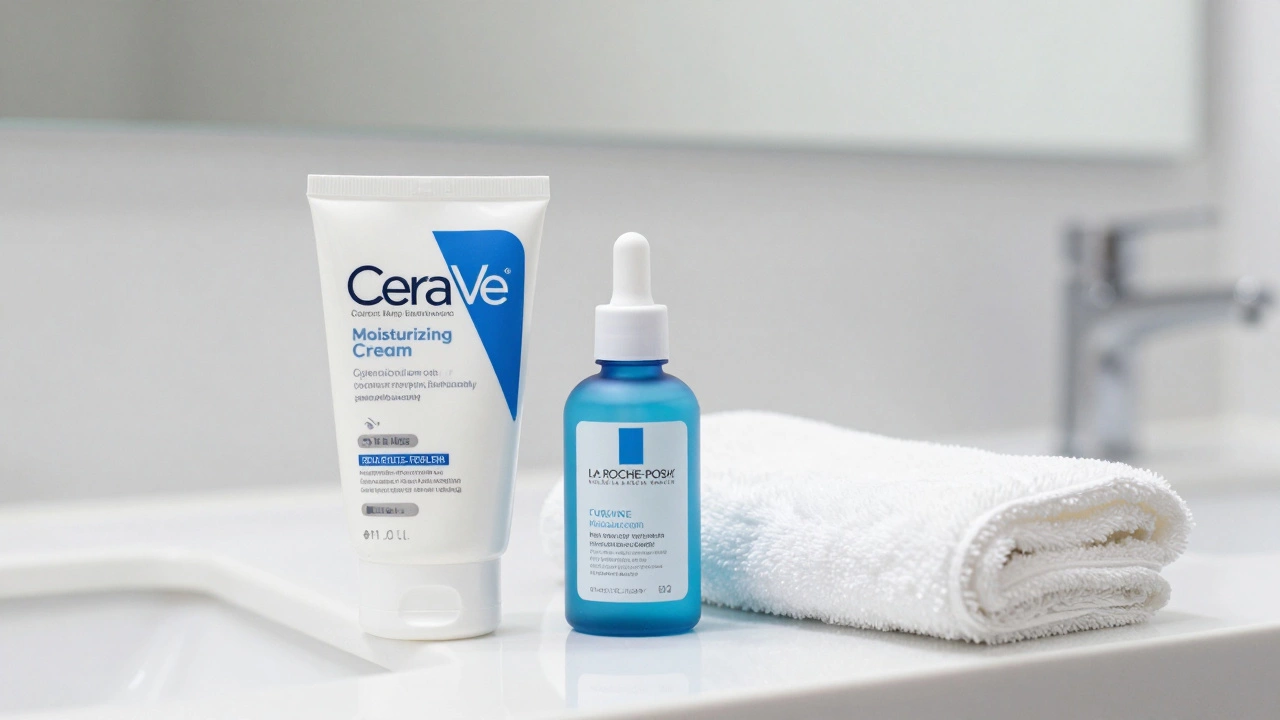
CeraVe is a skincare brand known for its ceramide-rich formulations developed with dermatologists. It has become a household name because it solves a fundamental problem: damaged skin barriers. Their Moisturizing Cream uses three essential ceramides and hyaluronic acid to lock in moisture without clogging pores. It is affordable, widely available, and effective enough that it appears in hospital clinics and drugstores alike.
Another heavyweight is La Roche-Posay, a French pharmacy brand renowned for using thermal spring water and advanced active ingredients like niacinamide and retinol. La Roche-Posay targets sensitive and reactive skin types. Their Toleriane line is designed to calm redness, while their Effaclar range tackles acne with salicylic acid and zinc pidolate. The brand’s popularity stems from its rigorous testing and association with European dermatological standards.
These brands share a common trait: simplicity. They do not promise miracles overnight. Instead, they offer consistent, gentle care that improves skin health over time. If your goal is stability and repair, these are the safe bets.
The Ingredient-Focused Disruptors
In recent years, a new wave of brands has challenged the traditional model. They strip away the mystery and sell single-ingredient solutions at transparent prices. This approach appeals to consumers who want control over what they put on their faces.
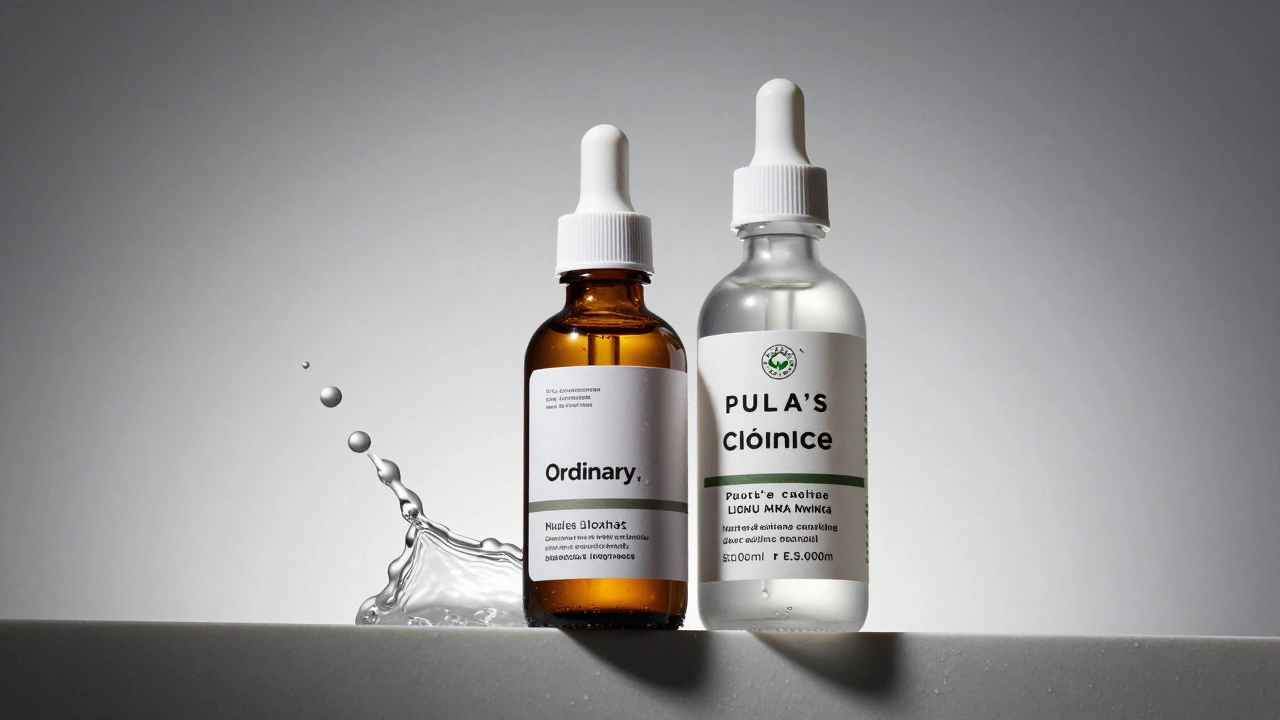
The Ordinary is a direct-to-consumer brand that offers high-concentration active ingredients at low price points without complex blends. They revolutionized the market by making potent actives like 10% Niacinamide, 5% Hyaluronic Acid, and various retinoids accessible to everyone. You buy exactly what you need, no filler included. However, this requires knowledge. Mixing too many strong acids can damage your skin barrier, so The Ordinary demands an educated user.
Similarly, Paula's Choice is a brand famous for its salicylic acid exfoliants and evidence-based skincare philosophy. Their Skin Perfecting 2% BHA Liquid Exfoliant is arguably the most popular leave-on exfoliant globally. It penetrates deep into pores to dissolve oil and dead skin cells. Paula’s Choice builds loyalty through extensive educational content, teaching users why chemical exfoliation works better than physical scrubs.
These brands empower you to build a custom routine. You might pair The Ordinary’s vitamin C serum with CeraVe’s moisturizer. This mix-and-match culture is a key driver of their popularity among younger, tech-savvy consumers.
Luxury and Prestige Appeal
Not everyone wants a no-frills tube. For many, skincare is a ritual, and the experience matters as much as the result. Luxury brands invest heavily in sensory details: texture, scent, and packaging design.
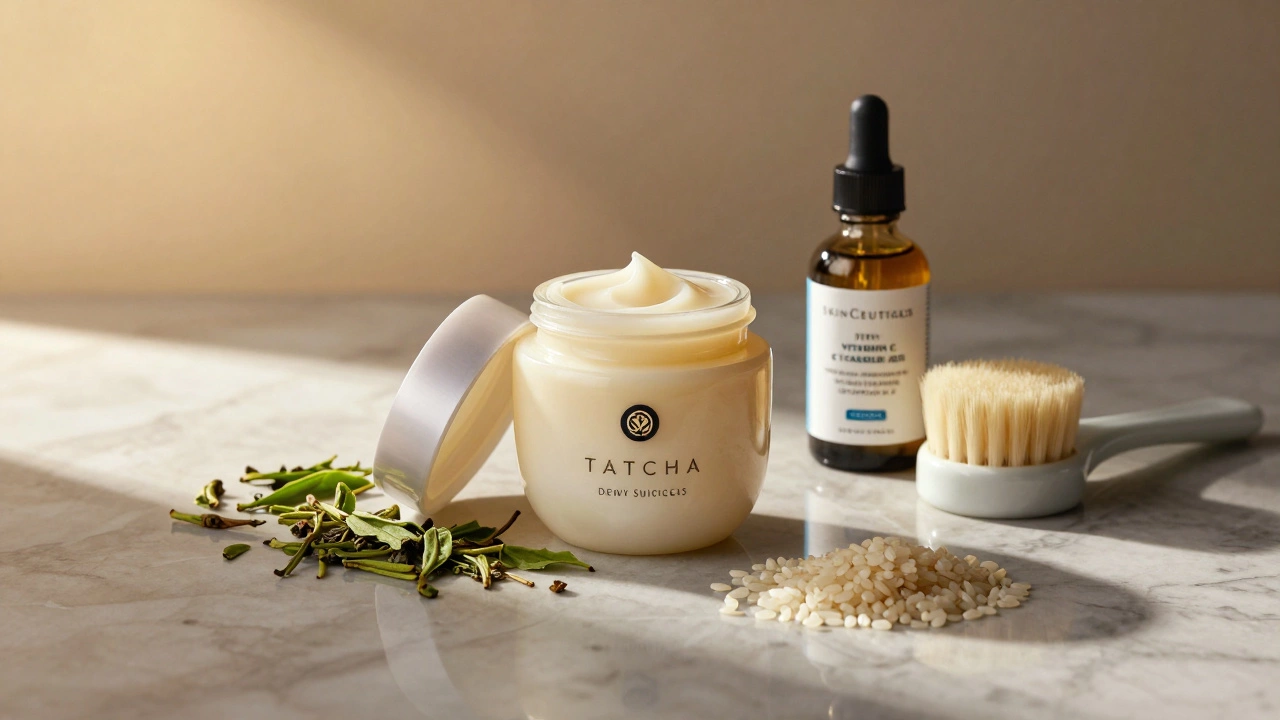
Tatcha is a prestige skincare brand inspired by Japanese beauty rituals, focusing on rice bran, green tea, and algae extracts. Their Dewy Skin Cream is a cult favorite for adding instant glow and hydration. Tatcha sells a lifestyle as much as a product. The unboxing experience, the elegant jars, and the storytelling around ancient geishas create an emotional connection that justifies the higher price tag.
SkinCeuticals is a professional-grade skincare brand backed by decades of peer-reviewed research, particularly known for its antioxidant serums. Their C E Ferulic serum is the gold standard for vitamin C treatments. While expensive, it is widely used in aesthetician offices worldwide. People buy SkinCeuticals when they want clinically proven anti-aging results and are willing to pay for precision engineering.
Luxury brands often prioritize immediate gratification. A rich cream feels luxurious upon application, providing psychological comfort alongside physical benefits. This emotional value is a significant part of their popularity equation.
Clean Beauty and Ethical Choices
A growing segment of shoppers prioritizes ethics. They want brands that are cruelty-free, vegan, and free from potentially harmful chemicals like parabens and sulfates. Popularity here is driven by transparency and values alignment.
Glossier is a community-driven beauty brand that focuses on minimalism, natural looks, and inclusive marketing. Glosser started as a blog and grew into a brand by listening directly to its audience. Products like Milky Jelly Cleanser and Priming Moisture Gel are simple, gentle, and aesthetically pleasing. Their popularity comes from feeling like a friend recommendation rather than a corporate ad.
Youth to the People is a vegan skincare brand utilizing superfood antioxidants and sustainable packaging. Their Superfood Antioxidant Cleanser contains kale, spinach, and green tea. It appeals to environmentally conscious consumers who refuse to compromise on performance. The brand’s commitment to recyclable glass bottles resonates with eco-aware buyers.
For these audiences, a popular brand must pass a moral audit. If a company tests on animals or uses excessive plastic, it loses credibility regardless of how well the product works.
| Brand | Primary Focus | Key Ingredient | Price Point | Best For |
|---|---|---|---|---|
| CeraVe | Barrier Repair | Ceramides | Budget | Dry, Sensitive Skin |
| La Roche-Posay | Medical/Sensitivity | Niacinamide/Zinc | Moderate | Acne, Rosacea |
| The Ordinary | Active Ingredients | Hyaluronic Acid/Niacinamide | Budget | Custom Routines |
| Tatcha | Luxury/Ritual | Rice Bran/Green Tea | Premium | Glow, Anti-Aging |
| Paula's Choice | Exfoliation | Salicylic Acid (BHA) | Moderate | Congested, Oily Skin |
How to Choose the Right Brand for You
Popularity does not equal suitability. A brand loved by millions might irritate your specific skin type. To pick the right one, start with your skin concerns.
- Identify your primary issue: Are you fighting acne, dealing with dryness, or trying to reduce wrinkles? Acne sufferers should look toward La Roche-Posay or Paula’s Choice. Dry skin types benefit from CeraVe or Tatcha.
- Check your budget: Skincare is a long-term investment. Can you afford $80 serums monthly, or do you need reliable drugstore options? The Ordinary and CeraVe offer excellent value without breaking the bank.
- Consider your values: Do you require cruelty-free certification? Youth to the People and Glossier meet these criteria. If sustainability is key, check packaging materials.
- Start slow: Introduce one new product at a time. Wait two weeks before adding another. This helps you identify if a reaction is caused by a specific ingredient.
Also, beware of influencer hype. Just because a brand goes viral on TikTok doesn’t mean it’s right for you. Look for reviews from people with similar skin types, not just general praise.
Common Pitfalls to Avoid
Even with popular brands, mistakes happen. One common error is over-exfoliating. Using strong acids daily can strip your skin barrier, leading to more breakouts and redness. Stick to 2-3 times a week unless directed otherwise.
Another mistake is ignoring sunscreen. No amount of expensive serum will protect against UV damage. Always finish your morning routine with SPF 30 or higher. Brands like EltaMD and Supergoop! specialize in non-greasy sunscreens that layer well under makeup.
Finally, don’t expect instant results. Skin cell turnover takes about 28 days. Consistency beats intensity. Using a gentle cleanser and moisturizer every day for months will yield better results than trying five new harsh products in a week.
What is the most popular skincare brand in the world?
While rankings vary by region and metric, L'Oréal is the largest cosmetics company globally. However, in terms of specific skincare lines, CeraVe and Neutrogena are among the most widely purchased and recognized brands due to their availability and dermatologist recommendations.
Are expensive skincare brands worth the money?
It depends. Luxury brands often offer better textures, scents, and packaging, which enhances the user experience. However, the active ingredients in drugstore brands like CeraVe or The Ordinary are often identical to those in high-end products. You pay for branding and sensory appeal, not necessarily superior efficacy.
Which skincare brand is best for sensitive skin?
La Roche-Posay, CeraVe, and Vanicream are top choices for sensitive skin. They formulate without fragrances, dyes, and common irritants. Look for labels that say "fragrance-free" and "non-comedogenic."
Can I mix products from different popular brands?
Yes, mixing brands is common and often beneficial. For example, you can use The Ordinary’s vitamin C serum with CeraVe’s moisturizer. Just ensure the ingredients are compatible. Avoid mixing retinol with strong AHAs/BHAs in the same routine to prevent irritation.
Why is The Ordinary so popular?
The Ordinary gained popularity by democratizing skincare. They offer high-potency ingredients at very low prices, removing the markup associated with luxury branding. This transparency allows consumers to understand exactly what they are buying and why.