
What Is a Female Barber Called? The Truth About Gender and Haircutting Titles
 Mar, 5 2026
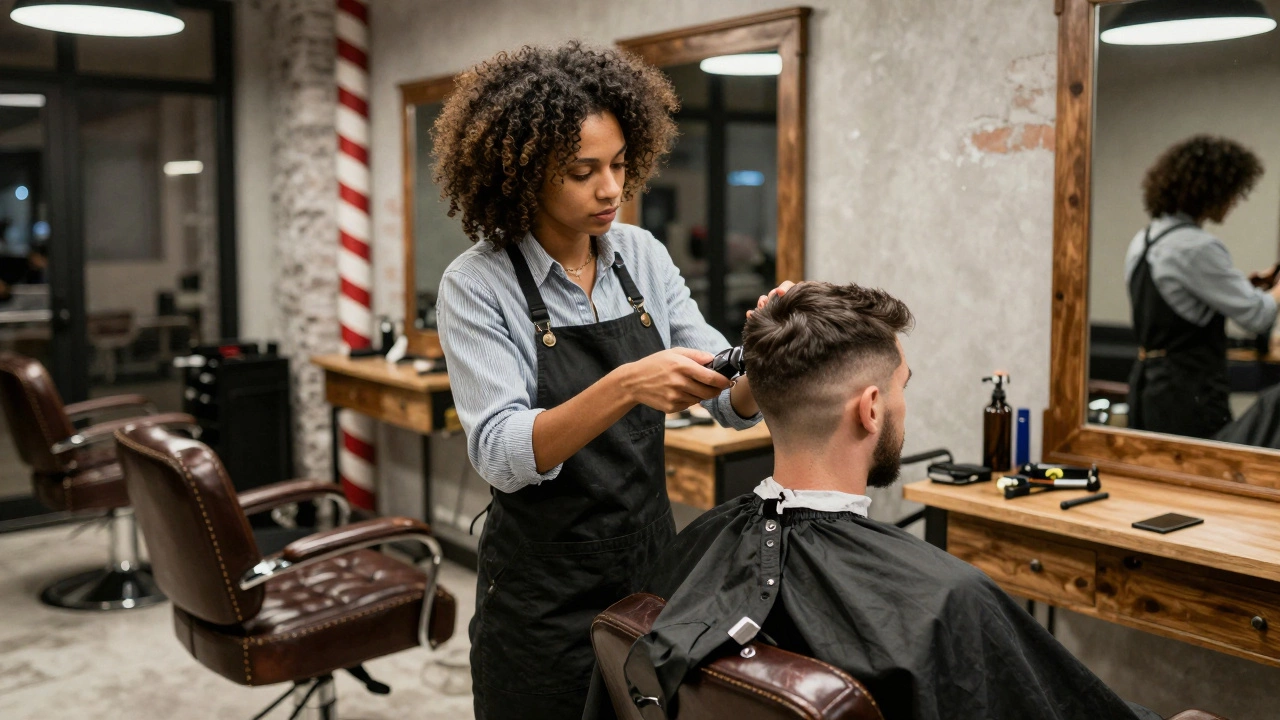
Ever walked into a barbershop and wondered, what is a female barber called? You might have heard terms like "barberess" or "lady barber," but those aren’t used anymore - and for good reason. The truth is simple: a woman who cuts hair professionally in a barbershop is still called a barber. No special title. No extra word. Just "barber."
Why the Confusion Exists
The confusion comes from history. For over a century, barbering was seen as a male-only trade. Men cut men’s hair. Women went to salons for styling, perms, and coloring. Barbershops had striped poles, leather chairs, and a vibe that felt like a boys’ club. Salons, on the other hand, were decorated with flowers, soft lighting, and mirrors - designed to feel welcoming to women.So when women started cutting hair in barbershops, people didn’t know what to call them. Some tried "barberess," a word that sounds outdated and even condescending today. Others said "lady barber," which feels like a label that separates, not includes. Neither stuck. And now, the industry has moved on.
Barbering Is a Skill - Not a Gender
Think about it: is a female electrician called an "electriess"? No. Is a female plumber called a "plumbess"? Also no. They’re just electricians and plumbers. The same logic applies to barbering.Barbering is about technique: using clippers, razors, and shears to shape hair, fade lines, and trim beards. It’s about understanding hair texture, scalp health, and facial structure. These skills don’t change based on the gender of the person doing the cut. A woman who masters the scissor-over-comb technique is just as much a barber as the man next to her.
Today, many barbershops - even traditional ones - have women on staff. They cut men’s hair, women’s hair, and kids’ hair. They do fades, tapers, and beard trims. They train new apprentices. They own their own shops. And they’re all called barbers.
What About Salons?
This is where things get mixed up. Most women who cut hair in salons are called stylists or hairdressers. That’s because salons focus on washing, coloring, curling, and styling - often with more emphasis on aesthetics than structure. Barbershops focus on precision cutting, grooming, and maintenance.But here’s the key: a woman who works in a barbershop and cuts men’s hair with clippers? She’s a barber. A woman who works in a salon and cuts a woman’s bob with scissors? She’s a stylist. The job title comes from the setting and the technique - not the gender.
Some women choose to work in barbershops because they love the precision of barbering. Others switch from salons to barbershops because they want to specialize in short hair, fades, or beard grooming - areas that are growing fast among women and non-binary clients.
The Rise of Women in Barbering
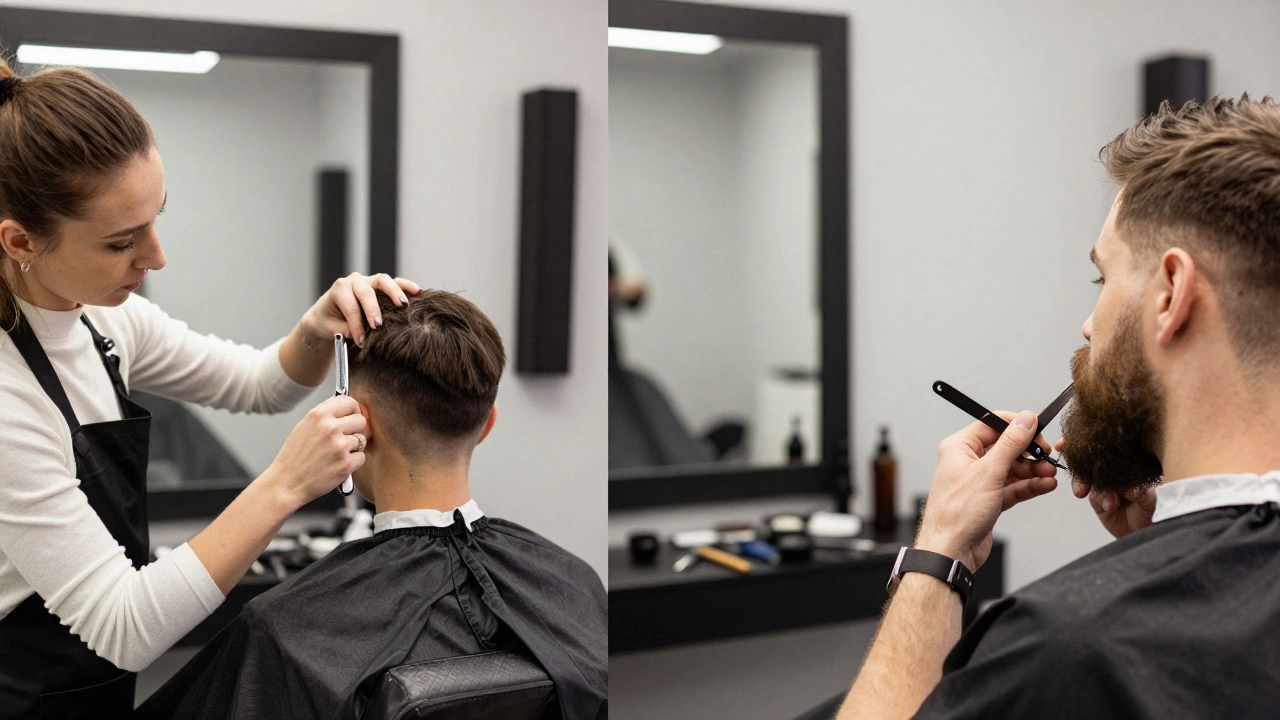
In 2026, over 38% of licensed barbers in the U.S. are women, according to the National Association of Barbers. That number was just 12% in 2010. More women are enrolling in barbering programs, not just cosmetology ones. Why? Because barbering offers higher pay, fewer product sales pressures, and more creative freedom in cutting.Instagram and TikTok have also changed the game. Women barbers now post videos of razor fades on women with buzz cuts, textured crops on curly hair, and sharp lines on short afros. These aren’t "women’s haircuts." They’re just haircuts - done well.
One barber in Chicago, Jada Reyes, started her shop in 2021. She cuts hair for men, women, and teens. Her clients don’t ask if she’s "the lady barber." They just say, "Jada, give me a number two on the sides." She doesn’t correct them. She doesn’t need to. She’s a barber.
What to Call a Woman Who Cuts Hair
Here’s the rule: if she works in a barbershop and uses clippers and razors - she’s a barber. If she works in a salon and uses scissors and color - she’s a stylist.Don’t say "barberess." Don’t say "lady barber." Those terms feel like relics. They’re not wrong, but they’re unnecessary. They imply that being a barber is something men do, and women are just visiting.
Instead, say: "She’s a barber." Or "She’s a great barber." Or just point and say, "Can I get a cut from her?"
The best barbers - male, female, or non-binary - are the ones who listen, learn, and cut with confidence. Gender doesn’t define skill. Technique does.
Barber Licensing and Training
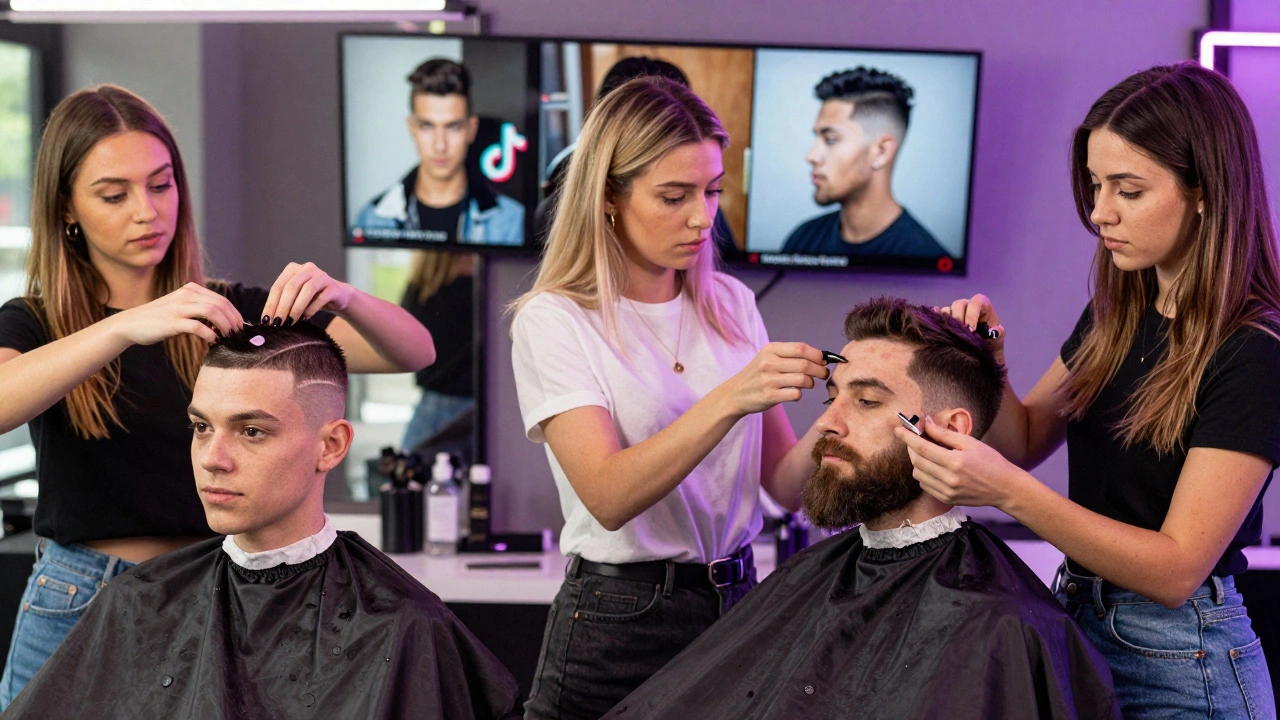
To become a barber - no matter your gender - you need a state license. In most U.S. states, that means completing 1,000 to 1,500 hours of training. You learn:- How to use clippers and razors safely
- How to fade, taper, and line up hair
- Scalp anatomy and hygiene
- How to trim and shape beards
- How to handle different hair textures
The training is the same for men and women. The exams are the same. The license says "Barber," not "Male Barber" or "Female Barber."
Some barber schools even offer specialized tracks for cutting women’s short hair - because more women are choosing buzz cuts, pixies, and undercuts. And guess what? Those courses are taught by women barbers.
What Clients Should Know
If you’re looking for a barber, don’t assume the gender of the person behind the chair. Look at their portfolio. Ask what they specialize in. See if they’ve done cuts similar to what you want.Some women barbers specialize in:
- Short hair for women with thick or curly textures
- Fades on women with shaved sides
- Beard grooming for trans women and non-binary clients
- Low-maintenance cuts for busy professionals
These aren’t "women’s cuts." They’re just good cuts - done by skilled professionals who know how to work with different hair types.
Final Thought: Language Matters
Words shape how we see the world. Calling a woman a "barberess" might seem like a compliment - but it’s really a relic. It says, "You’re unusual for doing this job."Calling her a barber says: "You’re good at your job." And that’s all that matters.
Is there a special term for a female barber?
No, there isn’t a widely accepted or professional term. "Barberess" is outdated and rarely used today. The correct and respectful term is simply "barber." Gender doesn’t change the title - skill does.
Can women work in barbershops?
Yes, absolutely. Many barbershops today have women on staff. They cut men’s, women’s, and children’s hair. In fact, women are one of the fastest-growing groups in the barbering industry, especially in urban areas where demand for short, styled cuts is rising.
Do women barbers only cut women’s hair?
No. Many women barbers specialize in cutting men’s hair - especially fades, tapers, and beard trims. Some even focus on non-binary and trans clients who want clean, sharp cuts. The type of haircut depends on skill, not gender.
What’s the difference between a barber and a stylist?
Barbers focus on short hair, clippers, razors, and grooming - especially for men and short styles. Stylists usually work in salons and focus on longer hair, coloring, curling, and styling. But there’s overlap. Many professionals are trained in both.
Are women barbers paid less than men?
In most cases, no. Barbering pay is based on experience, location, and skill - not gender. Many women barbers earn the same or more than their male counterparts, especially in high-demand urban shops. Some even own their own businesses and set their own rates.