
What Does Type 3 Hair Mean? A Complete Guide to Curly and Coily Textures
 Aug, 10 2026
Type 3 Hair Subtype Identifier
Discover your exact curl subtype to unlock the perfect care routine.
You run your fingers through your hair, expecting it to fall straight or in loose waves. Instead, it springs back into tight spirals or corkscrews. You’ve heard the term type 3 hair is hair that forms definite curls ranging from loose rings to tight coils, but what does that actually mean for your daily routine? Understanding your specific curl pattern is not just about vanity; it is the key to unlocking healthy, defined, and manageable hair.
The Basics of the Hair Typing System
To understand type 3, you first need to look at the broader system. The most common framework used today is the Andre Walker Hair Typing System. It categorizes hair into four main groups: Type 1 (straight), Type 2 (wavy), Type 3 (curly), and Type 4 (coily/kinky). This system helps people find products and techniques that match their natural texture.
Type 3 hair sits right in the middle of this spectrum. It is distinct from Type 2 because it has a clear spiral shape rather than just an "S" wave. However, it is looser than Type 4 hair, which forms very tight zig-zags or dense coils. If you have type 3 hair, your strands naturally clump together into ringlets, springs, or corkscrews. The defining characteristic is the presence of a visible curl pattern that holds its shape without heat styling.
Breaking Down Type 3 Subtypes
Saying you have "type 3 hair" is like saying you eat "fruit." It’s true, but it doesn’t tell us if you’re eating a banana or a grape. Type 3 is divided into three subtypes: 3a, 3b, and 3c. Each subtype has different needs, behaviors, and challenges.
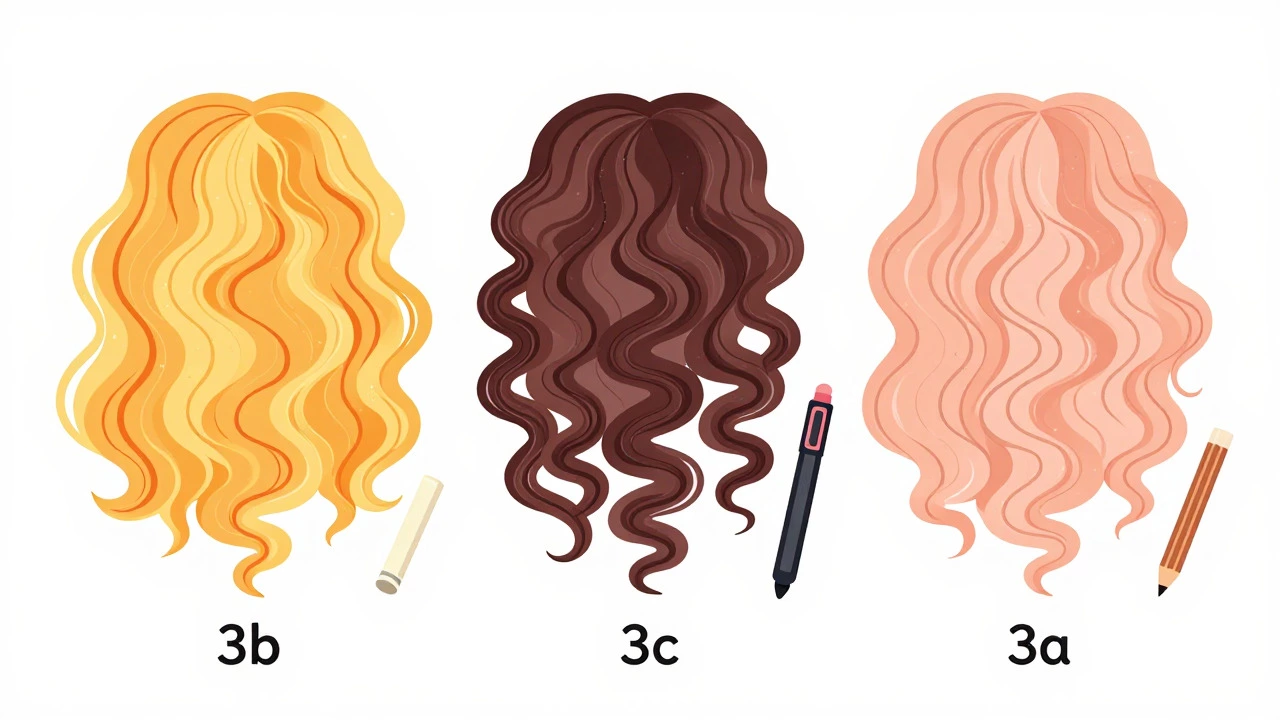
| Subtype | Curl Shape | Diameter Size | Common Challenges |
|---|---|---|---|
| Type 3a | Loose, large spirals | About the circumference of a sidewalk chalk | Frizz, lack of definition, losing curl shape over time |
| Type 3b | Bouncy, springy ringlets | About the circumference of a marker pen | Dryness, shrinkage, tangling |
| Type 3c | Tight corkscrews or zigs/zags | About the circumference of a pencil | Extreme dryness, significant shrinkage, difficulty detangling |
Type 3a: The Loose Spiral
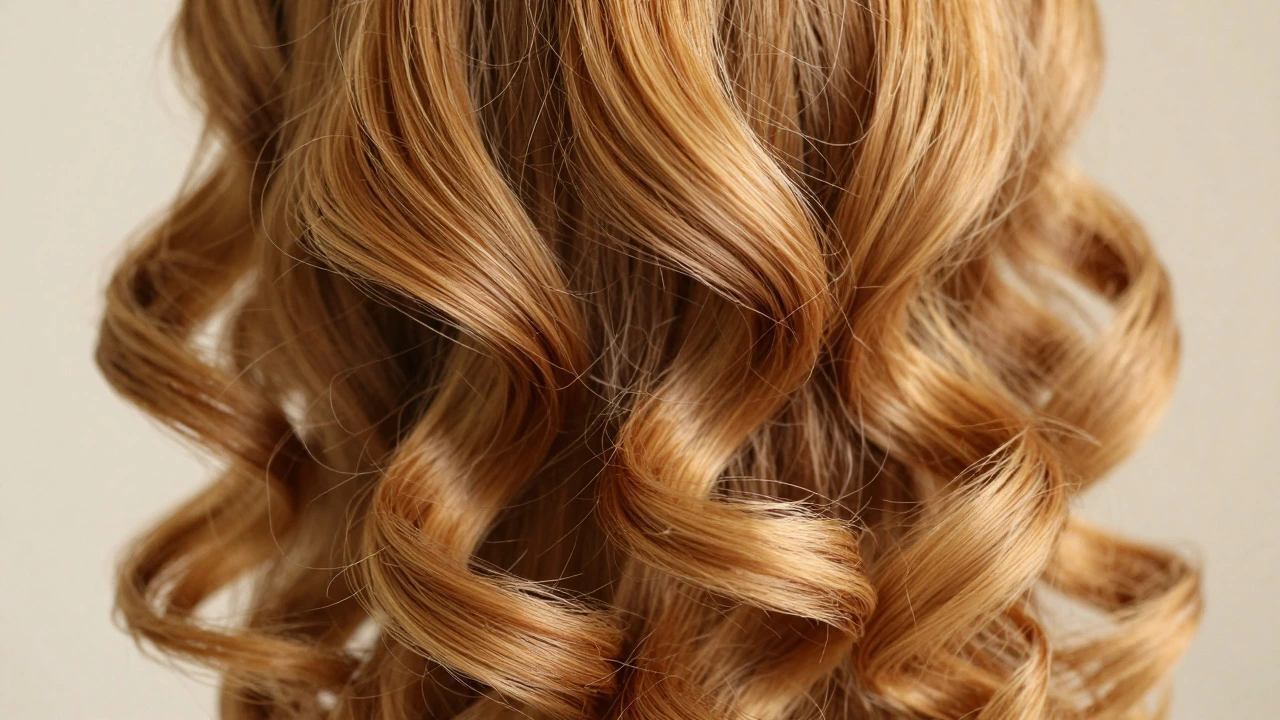
If you have 3a hair, your curls are big and glossy. They tend to be quite shiny because the oils from your scalp can travel down the hair shaft more easily than in tighter curls. However, 3a hair is prone to frizz. On humid days, those loose spirals can expand and lose their definition, turning into a halo of frizz around your head. You likely struggle with keeping your curls looking intentional rather than messy.
Type 3b: The Springy Ringlet
Type 3b hair is often considered the quintessential "curly" look. These curls are bouncy and have a lot of volume. Because the curl is tighter, the natural oils from your scalp have a harder time reaching the ends. This means 3b hair tends to be drier than 3a. You might notice that your roots get oily quickly while your ends feel straw-like. Shrinkage also becomes noticeable here; your hair may look much shorter when wet or freshly washed compared to when it is dry and stretched.
Type 3c: The Tight Corkscrew
Type 3c hair is on the border between curly and coily. The curls are very tight, resembling corkscrews. This texture is incredibly dense and voluminous. Like 3b, it suffers from dryness, but even more so. The tight structure locks moisture out and makes detangling a delicate process. If you pull too hard, you risk breaking the fragile strands. 3c hair shrinks significantly-sometimes up to 50% of its length-so you have to be patient during drying and styling.
Why Type 3 Hair Feels Dry
The biggest enemy of type 3 hair is dryness. Why does this happen? It comes down to geometry. Straight hair has a smooth surface area, allowing sebum (natural oil) to slide down easily. Curly hair has bends and turns. Every time the hair strand curves, the oil hits a barrier. By the time it reaches the mid-lengths and ends, there is no moisture left.
This structural issue means that type 3 hair relies heavily on external hydration. If you use shampoos with sulfates, you strip away the little natural oil you have, leading to brittle, breakable strands. This is why many people with type 3 hair switch to sulfate-free cleansers or co-washes (conditioner washing).
The Essential Care Routine for Type 3 Hair
Taking care of type 3 hair requires a shift in mindset. You are not trying to force your hair to behave like straight hair; you are trying to enhance its natural pattern. Here is how to build a routine that works.
1. Hydration is Non-Negotiable
Your primary goal is moisture. Look for leave-in conditioners and creams that contain humectants like glycerin or hyaluronic acid. These ingredients pull water from the air into your hair. For 3b and 3c types, seal that moisture in with oils like jojoba, argan, or shea butter. The LOC method (Liquid, Oil, Cream) is popular among curly-haired individuals for this reason. Apply a water-based product first, then an oil to seal, and finally a cream to lock everything in.
2. Gentle Detangling
Never detangle dry type 3 hair. The friction causes frizz and breakage. Always detangle when your hair is saturated with conditioner. Use your fingers first to loosen major knots, then move to a wide-tooth comb or a flexible detangling brush. Start from the ends and work your way up to the roots. If you start at the top, you will push tangles down into a painful knot.
3. Styling Techniques That Work
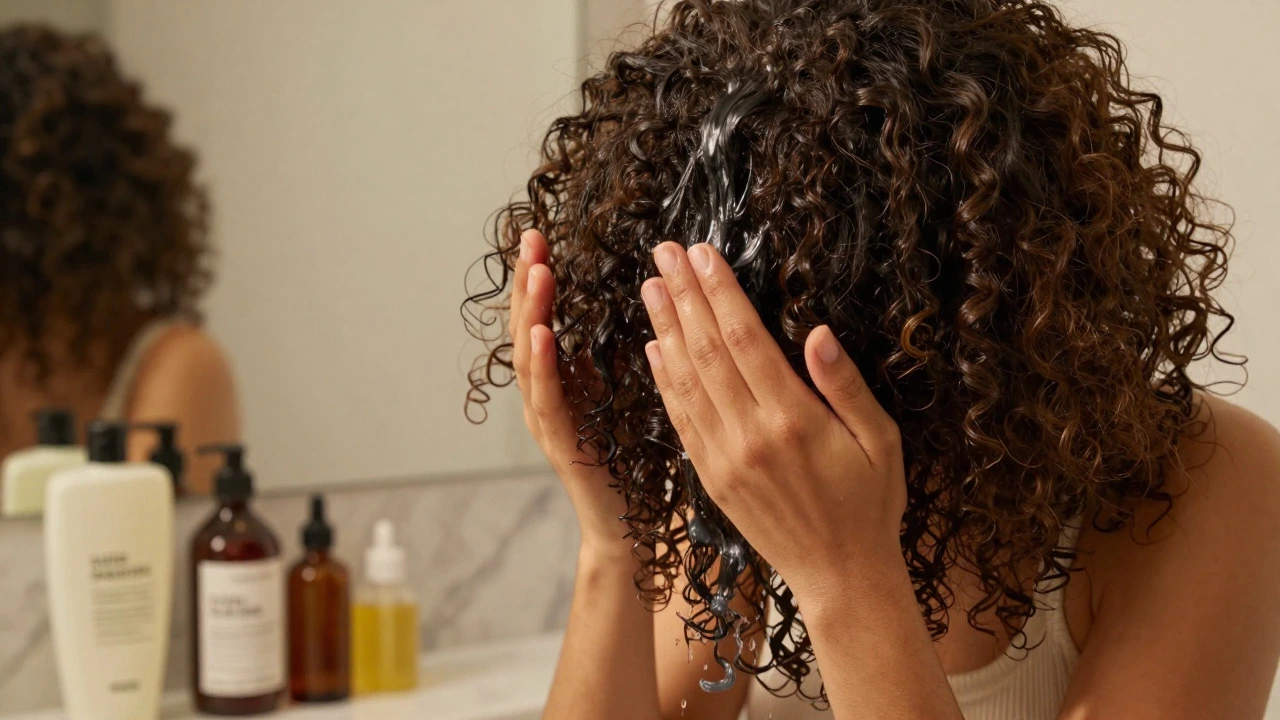
To get defined curls, you need to apply products to soaking wet hair. This prevents frizz from forming as the hair dries. Two popular methods are:
- Scrunching: Apply gel or mousse to your palms and gently scrunch sections of your hair upward toward your scalp. This encourages the curl formation.
- Praying Hands: Smooth product between your palms and glide them down sections of hair. This is great for reducing frizz and adding shine, especially for 3a hair.
4. Protect Your Curls at Night
Cotton pillowcases absorb moisture and create friction, leading to bedhead and breakage. Switch to a silk or satin pillowcase. Alternatively, wrap your hair in a satin bonnet or scarf before bed. Another option is the "pineapple" method: gather your hair loosely at the very top of your head with a satin scrunchie. This preserves your curls for the next day.
Common Myths About Type 3 Hair
There is a lot of misinformation floating around online. Let’s clear up a few misconceptions.
Myth: You should never brush your curly hair.
Truth: You shouldn’t brush it when it’s dry, but brushing (or combing) while conditioning is essential for detangling and distributing product evenly.
Myth: All curly hair is the same.
Truth: As shown above, 3a, 3b, and 3c have vastly different needs. What works for a friend with 3a hair might weigh down your 3c curls.
Myth: Curly hair grows slower.
Truth: Curly hair grows at the same rate as straight hair (about half an inch per month). It just appears shorter due to shrinkage. When you stretch it out, you’ll see the length is there.
When to See a Professional
If you are struggling with severe breakage, thinning, or scalp issues, consider seeing a trichologist or a stylist who specializes in curly hair. General stylists may not understand the fragility of type 3 textures and could cause damage with improper cutting or chemical treatments. A specialist can recommend cuts that enhance your curl pattern, such as a deva cut or a dry cut, which are performed on dry, styled hair to see exactly how the curls fall.
Finding the Right Products
Reading labels is crucial. Avoid products with high alcohol content, which dries out curls. Look for keywords like "moisturizing," "hydrating," and "curl-defining." Silicone-heavy products can build up on curly hair, blocking moisture. If you use silicones, you must use a clarifying shampoo once a month to remove the buildup. Natural alternatives include aloe vera, flaxseed gel, and coconut milk.
Understanding what type 3 hair means empowers you to stop fighting your texture and start working with it. With the right hydration, gentle handling, and protective styling, your curls can be your best feature.
Is type 3 hair considered ethnic hair?
The term "ethnic hair" is outdated and vague. Type 3 hair is found across all ethnicities, including Caucasian, Asian, Hispanic, and Black populations. While it is common in many textured hair communities, it is not exclusive to any one group. It is better to refer to it by its texture type.
How do I know if I have 3a, 3b, or 3c hair?
Look at the diameter of your individual curls. If they are as thick as sidewalk chalk, you likely have 3a. If they are the size of a marker pen, you have 3b. If they are as thin as a pencil, you have 3c. Also, observe the shape: 3a is loose spirals, 3b is springy ringlets, and 3c is tight corkscrews.
Can type 3 hair become straight?
Naturally, no. However, heat styling (flat irons) or chemical relaxers can temporarily or permanently straighten type 3 hair. Note that chemical relaxers can cause long-term damage if not applied correctly. Heat styling should always be done with a heat protectant spray.
Why does my type 3 hair shrink so much?
Shrinkage is a sign of healthy elasticity. As curly hair dries, the hydrogen bonds in the hair reform, pulling the curl tighter. The tighter the curl (like 3c), the more shrinkage you will experience. This is normal and indicates your hair is hydrated and elastic.
Should I trim my curly hair often?
Yes, regular trims every 8-12 weeks help prevent split ends from traveling up the hair shaft. Split ends are more damaging to curly hair because they disrupt the curl pattern and cause frizz. Ask your stylist for a "dusting" rather than a major cut to maintain length.