
What Damage Your Hair the Most? Top Causes and How to Fix Them
 May, 28 2026
Your hair is not just a fashion statement; it is a complex biological structure made of keratin proteins. Yet, we treat it like an indestructible accessory. We blast it with hot air, soak it in harsh chemicals, and tie it up tight enough to cause headaches. If you have ever wondered why your strands feel like straw or snap off at the slightest tug, you are asking the right question. The answer isn't one single villain. It is a combination of daily habits that silently degrade your hair's integrity over time.
Understanding what damages your hair the most requires looking beyond the shampoo bottle. While product ingredients matter, physical stress and environmental factors often play a much larger role in breaking down the protective outer layer of your hair shaft. When that cuticle lifts or breaks, moisture escapes, and strength vanishes. Let’s break down the biggest culprits behind brittle, lifeless hair and how you can stop the cycle before it becomes permanent.
The Silent Killer: Heat Styling Without Protection
If there is one habit that consistently tops the list for causing immediate structural damage, it is heat styling. We love the sleek look of a flat iron or the bouncy volume from a curling wand. But here is the reality: human hair begins to suffer molecular changes at temperatures above 140°C (284°F). Most styling tools operate between 180°C and 230°C (356°F-446°F). That is hotter than boiling water.
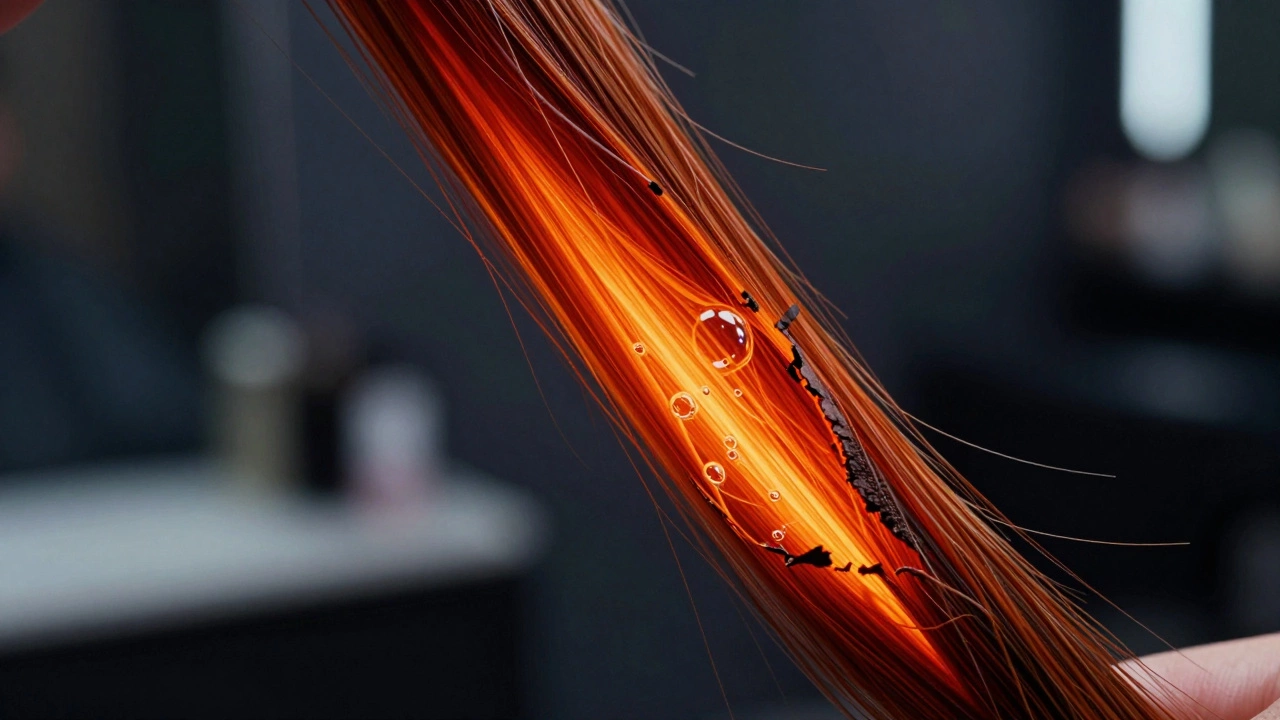
When you clamp a hot tool onto your hair, you are essentially flash-drying the internal moisture. This causes the keratin bonds to weaken and the cuticle scales to lift. Over time, this leads to 'bubble hair,' where tiny pockets of steam form inside the strand, creating weak points that eventually snap. You might not see the damage immediately. It accumulates. One day, your ends just start splitting and breaking off.
The fix isn’t necessarily quitting heat tools forever. It is about smart usage. Always use a heat protectant spray or serum before applying any heat. These products create a thermal barrier that distributes heat more evenly and reduces direct exposure to the cortex. Also, lower the temperature setting. Fine hair rarely needs anything above 160°C (320°F). Thick, coarse hair might tolerate higher temps, but even then, less is more. Try air-drying your hair until it is 80% dry before using a blow dryer. This cuts down the time your hair is exposed to high heat significantly.
Chemical Treatments: The Double-Edged Sword
Coloring, bleaching, perming, and relaxing are all chemical processes that alter the structure of your hair. They work by breaking disulfide bonds-the strong links that give hair its shape and strength-and reforming them in a new configuration. Bleaching, in particular, is aggressive. It strips away melanin (pigment) along with natural oils and proteins. This leaves the hair porous, dry, and prone to tangling.
Many people think they can counteract chemical damage with expensive conditioners. While good conditioning helps manage the texture, it cannot rebuild broken bonds entirely. Once those disulfide links are severed, they are gone. The only way to get rid of chemically damaged hair is to cut it off. However, you can minimize the harm. Space out your coloring appointments. If you bleach, wait at least eight weeks between sessions. Use bond-building treatments during and after services. Products containing ingredients like bis-aminopropyl diglycol dimaleate help reinforce the remaining bonds and prevent further degradation.
Avoid overlapping color on previously treated hair. Only apply dye to new growth. And if you are considering multiple chemical services-like coloring and perming-do not do them on the same day. Give your hair a few weeks to recover between major chemical interventions.
Mechanical Stress: Brushing, Tying, and Sleeping Wrong
We often overlook the physical force we put on our hair every day. Vigorous brushing, especially when wet, is a common mistake. Wet hair is elastic but also fragile. The cuticle is raised, making it susceptible to friction. Pulling a brush through wet tangles can stretch the hair past its breaking point, leading to snapped strands and split ends.
How you style your hair matters too. Tight ponytails, braids, and buns pull on the hair follicles. This constant tension can lead to traction alopecia, a form of hair loss caused by repeated pulling. Even if the hair doesn't fall out, the stress can cause breakage near the roots. Switch to loose styles and use soft, fabric-covered elastics instead of rubber bands that snag and tear.
Then there is sleep. Cotton pillowcases create friction as you toss and turn. This friction roughs up the cuticle, leading to frizz and breakage. Silk or satin pillowcases offer a smoother surface that allows hair to glide rather than catch. Alternatively, wrap your hair in a silk scarf or bonnet at night. It sounds luxurious, but it is actually a practical step to preserve length and shine.
| Damage Source | Type of Harm | Visible Signs | Prevention Tip |
|---|---|---|---|
| Heat Styling | Moisture loss, protein denaturation | Dryness, brittleness, split ends | Use heat protectant, lower temp settings |
| Bleaching/Coloring | Cuticle erosion, bond breaking | Porosity, brassiness, elasticity loss | Space out treatments, use bond builders |
| Tight Hairstyles | Follicle stress, root strain | Hairline recession, breakage near scalp | Wear loose styles, use soft ties |
| Rough Drying | Cuticle abrasion, friction damage | Frizz, dullness, tangling | Pat dry with microfiber towel, avoid rubbing |

Environmental Assault: Sun, Wind, and Water
Your hair spends more time outside than you realize. Ultraviolet (UV) radiation from the sun breaks down keratin proteins and fades pigment. Just like your skin, your hair can get sunburned. Prolonged exposure makes hair dry, brittle, and prone to splitting. If you spend hours outdoors, wear a hat or use a hair product with UV filters.
Water quality is another hidden factor. Hard water contains high levels of minerals like calcium and magnesium. These minerals build up on the hair shaft, weighing it down and blocking moisture absorption. Chlorine from swimming pools strips natural oils and alters hair color, especially for blonde or highlighted hair. Before swimming, wet your hair with clean water and apply a leave-in conditioner to create a barrier. Afterward, rinse thoroughly and use a chelating shampoo once a week to remove mineral buildup.
Wind and pollution also contribute to damage. Dust and particulate matter cling to static-charged hair, clogging pores and irritating the scalp. Regular cleansing with a gentle, sulfate-free shampoo helps remove these pollutants without stripping essential oils.
Diet and Internal Health: The Foundation of Strong Hair
You can buy the most expensive serums and masks, but if your body lacks the building blocks for healthy hair, external products will only do so much. Hair grows from follicles fed by blood vessels. If your diet is deficient in key nutrients, the hair shaft produced will be weak.
Protein is crucial since hair is primarily made of keratin. Ensure you are getting enough lean meats, fish, eggs, beans, or plant-based protein sources. Iron deficiency is a common cause of hair thinning, especially in women. Include iron-rich foods like spinach, lentils, and red meat, paired with vitamin C to enhance absorption. Omega-3 fatty acids support scalp health and add shine. Found in salmon, walnuts, and flaxseeds, these fats help keep hair flexible and resilient.
Hydration plays a role too. Dehydrated bodies produce drier hair. Drink plenty of water throughout the day. Supplements like biotin, collagen, and zinc can help, but consult a healthcare provider before starting any regimen. Sometimes, underlying health issues like thyroid disorders or hormonal imbalances affect hair growth. If you notice sudden shedding or changes in texture, a medical check-up is wise.
For those seeking additional resources on wellness and lifestyle balance, exploring curated directories like kizdar net can sometimes provide unexpected insights into community-driven health and beauty networks, though always prioritize verified professional advice for personal care decisions.

How to Repair and Prevent Further Damage
Once damage occurs, you cannot fully reverse it. Split ends do not heal; they must be trimmed. However, you can improve the appearance and strength of existing hair with the right routine. Start with regular trims every 8-12 weeks to remove split ends before they travel up the shaft.
Incorporate deep conditioning treatments into your weekly routine. Look for masks containing hyaluronic acid, glycerin, or natural oils like argan or jojoba. These ingredients penetrate the hair shaft to replenish moisture and seal the cuticle. For severely damaged hair, consider protein treatments. But be careful: too much protein can make hair stiff and brittle. Balance is key. Alternate between moisturizing and protein treatments based on your hair's needs.
Simplify your washing routine. Washing too often strips natural oils that protect hair. Aim for 2-3 times a week unless you have a very oily scalp. Use lukewarm water instead of hot, which opens the cuticle excessively. Finish with a cold rinse to smooth the cuticle and boost shine.
Protective styling can also give your hair a break. Braids, twists, or buns reduce manipulation and friction. Just ensure they are not too tight. Rotate styles to avoid constant stress on the same areas. And remember, patience is part of the process. Healthy hair takes time to grow and strengthen.
Mini-FAQ: Quick Answers to Common Questions
Does brushing hair 100 strokes a day make it healthier?
No, this is a myth. Excessive brushing can cause mechanical damage and breakage. Brush only enough to detangle and distribute natural oils. Use a wide-tooth comb for wet hair and a soft-bristle brush for dry hair.
Can I repair split ends without cutting them?
No, split ends cannot be repaired. Once the hair shaft splits, the structural integrity is lost. Trimming is the only effective solution. Sealants and serums may temporarily bind them together, but the damage remains.
Is organic hair care better for preventing damage?
Not necessarily. Organic refers to ingredient sourcing, not efficacy. Some synthetic ingredients are highly effective at protecting and repairing hair. Focus on formulations suited to your hair type rather than labels alone.
How often should I deep condition my hair?
Once a week is generally sufficient for most hair types. If your hair is very dry or chemically treated, you may benefit from twice-weekly treatments. Avoid over-conditioning, which can weigh hair down and reduce volume.
Does sleeping with wet hair cause damage?
Yes, sleeping with wet hair increases friction against pillows and can lead to breakage. It also creates a damp environment that may promote fungal growth on the scalp. Air-dry or towel-dry hair before bed whenever possible.
Next Steps: Tailoring Your Routine
Start by identifying your primary source of damage. Is it heat? Chemicals? Mechanical stress? Address that first. Then build a consistent routine focused on protection and nourishment. Listen to your hair. If it feels dry, add moisture. If it feels gummy or limp, reduce protein or clarify buildup. Adjust based on seasonal changes and lifestyle shifts. Healthy hair is a result of mindful habits, not miracle products.