
What Are the Weaknesses of a Salon? Common Pitfalls and How to Avoid Them
 May, 21 2026
Salon Health & Weakness Audit
Answer these 5 questions to identify potential weaknesses in your salon operations.
Your Score
Take the Quiz
Select options above to see how your salon compares to industry standards.
Areas for Improvement
You walk into a place that smells like expensive vanilla and fresh shampoo. The chairs are leather, the lighting is flattering, and the stylist smiles warmly as they ask about your hair. It feels perfect. But behind that polished front, many salons are quietly bleeding money or losing clients faster than they can replace them. If you own a salon-or if you’re just trying to figure out why your last appointment felt off-understanding these hidden weaknesses is crucial.
Running a beauty salon is a high-touch service business where reputation, consistency, and operational efficiency determine survival. While the industry generates billions in revenue annually, the failure rate for new salons is staggering. Most don’t fail because people stop caring about their appearance. They fail because of internal cracks: poor scheduling, inconsistent service quality, weak client communication, and outdated technology. Let’s pull back the curtain on what actually goes wrong.
The Booking Black Hole: When Scheduling Fails Clients
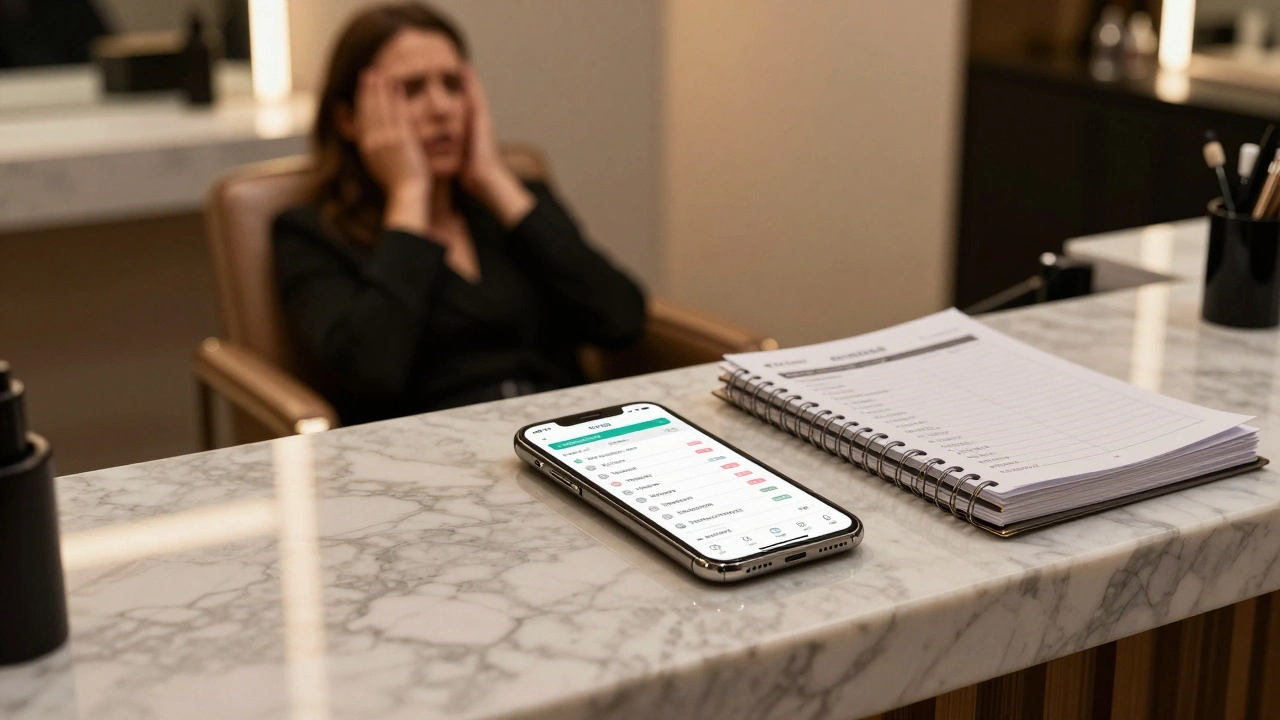
Imagine this: You call a salon three weeks ahead for a haircut. The receptionist says, "We’ll call you back." Two days pass. No call. You try again. Now it’s busy. By the time you finally get booked, you’ve already started looking at other options. This isn’t just bad luck-it’s a systemic weakness known as fragmented appointment management.
Many salons still rely on paper books, whiteboards, or disconnected digital tools. When a stylist calls in sick, the entire schedule shifts without notifying clients. When double-bookings happen, someone always loses. According to data from industry analysts like StyleSeat and Vagaro, nearly 40% of potential clients abandon booking attempts due to friction-long hold times, unresponsive staff, or confusing online forms.
This creates a ripple effect. Missed appointments mean lost revenue. Frustrated clients leave negative reviews. New customers never show up. The fix? A centralized, real-time booking system that syncs across all platforms. Think of it like airline check-in: once you book, your seat is confirmed, notifications are automated, and changes are instant. Salons that adopt cloud-based scheduling see up to 30% fewer no-shows and higher client satisfaction scores.
- Problem: Manual booking leads to errors and delays.
- Impact: Lost revenue, damaged trust, increased admin workload.
- Solution: Implement integrated software with SMS reminders and self-service booking.
Inconsistent Service Quality: The Stylist Roulette
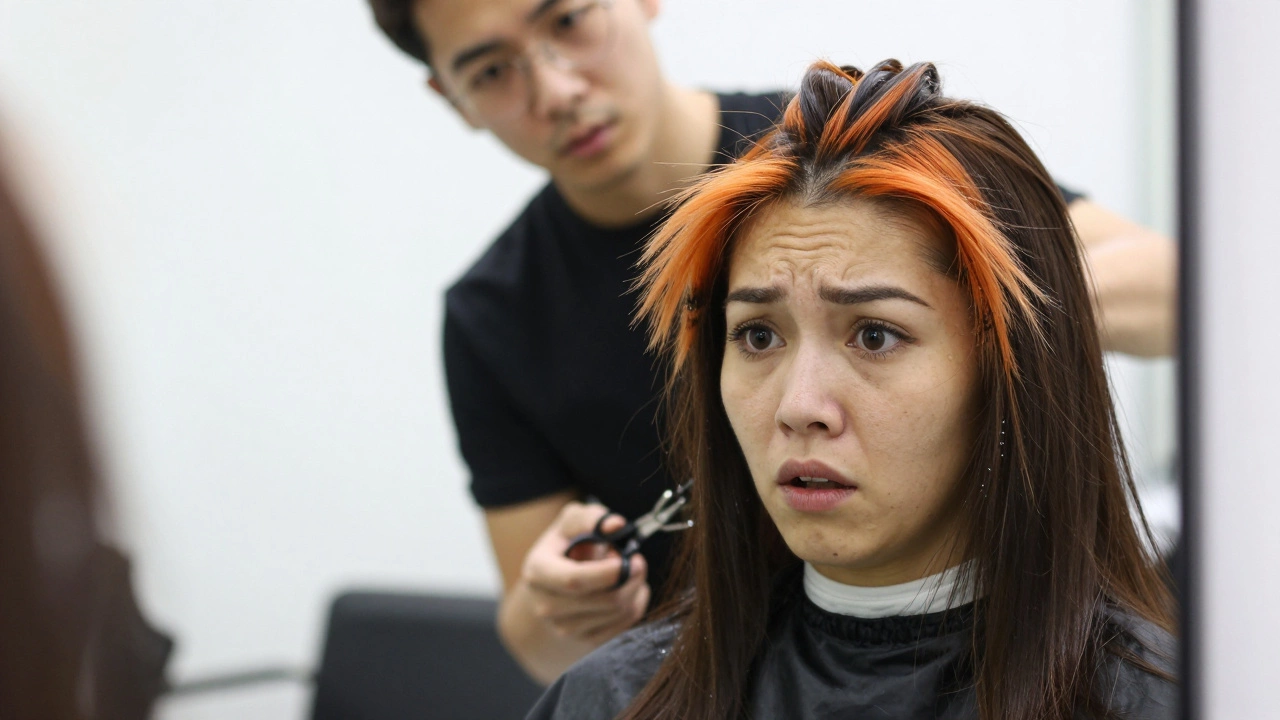
You love your usual stylist. They understand your texture, your face shape, your vibe. Then, for one reason or another, you see someone else. And suddenly, your bob looks like a helmet. Your color has orange roots. You feel embarrassed walking out.
This is the curse of service inconsistency-one of the biggest weaknesses plaguing modern salons. Unlike retail products, beauty services depend entirely on human execution. One day, a technician nails your blowout. The next, they rush through it because they’re behind schedule. There’s no standardization, no quality control, and often, no training protocol beyond “watch me do it once.”
Research from the American Hairdressing Association shows that over 60% of clients switch salons after just two disappointing experiences. Why? Because beauty is personal. When results vary wildly between visits, trust erodes fast. Even worse, social media amplifies the damage. One photo of a bad cut can go viral locally, hurting not just one stylist but the whole brand.
To combat this, top-performing salons implement structured onboarding programs, regular skill audits, and standardized service menus. Some even use video tutorials for complex techniques so every team member delivers the same result. Consistency isn’t about robotic repetition-it’s about predictable excellence.
Poor Client Communication: The Silent Killer of Loyalty
You book a facial. You arrive early. The esthetician doesn’t greet you. They don’t explain what they’re doing. Halfway through, they mention an upsell product you didn’t ask for. Afterward, there’s no follow-up. No thank-you message. No reminder for your next visit. You forget to return.
This scenario plays out daily in salons worldwide. Client communication breakdowns are among the most underestimated weaknesses in the beauty industry. Many owners assume great service speaks for itself. But today’s consumers expect more-they want transparency, engagement, and personalized attention before, during, and after their visit.
Consider the difference between receiving a generic email blast versus a tailored text saying, “Hi Sarah, we noticed you haven’t been in for six weeks. Here’s 15% off your favorite treatment this month.” Personalized outreach increases repeat visits by up to 25%, according to studies from Square and Toast POS systems used in hospitality and beauty sectors.
Salons that treat communication as an afterthought miss huge opportunities. Automated reminders, post-visit surveys, birthday discounts, and loyalty program updates keep clients engaged. Without them, you’re leaving money-and relationships-on the table.
| Failure Type | Client Experience | Better Approach |
|---|---|---|
| No pre-appointment confirmation | Uncertainty, anxiety, no-shows | Automated SMS/email 24 hours prior |
| Upselling mid-service without consent | Feeling pressured, distrust | Pre-consultation discussion of goals and options |
| No post-visit feedback request | Missed improvement chance | Quick survey via QR code or link |
| Generic marketing emails | Ignored or deleted | Segmented campaigns based on purchase history |
Outdated Technology: Stuck in the Past
Your phone buzzes. It’s a notification from your bank app showing a transaction. Clean, fast, secure. Now imagine paying at your salon with cash only. Or waiting ten minutes while the cashier manually types in your card details. That’s how many salons operate in 2026.
Technological stagnation is a critical weakness holding back growth. Many salons resist adopting modern point-of-sale (POS) systems, inventory trackers, or customer relationship management (CRM) tools. They cite cost, complexity, or fear of change. But the reality? These tools save time, reduce errors, and boost sales.
Take inventory management. How many times have you seen a popular shampoo run out? Or bought a conditioner that wasn’t restocked for months? Poor stock tracking leads to wasted product, missed sales, and frustrated clients. Modern POS systems integrate with suppliers, alerting owners when items are low. Some even auto-order replacements.
Then there’s payment processing. Cash-only policies alienate younger demographics who prefer tap-to-pay or digital wallets. Adding contactless payments can increase average ticket size by 12-18%, per reports from Stripe and Adyen. Plus, digital records make tax season easier and fraud detection simpler.
Technology isn’t optional anymore. It’s infrastructure. Just like plumbing or electricity, it needs to work seamlessly behind the scenes so clients don’t notice it-but feel its benefits.
Weak Brand Identity: Blending Into the Background
You scroll Instagram. Dozens of salons post similar photos: sleek mirrors, blonde models, minimalist decor. Everything looks the same. Which one do you remember? Probably none.
A strong brand identity sets a salon apart. Yet too many businesses skip this step, assuming location and price will drive traffic. In saturated markets, that’s a recipe for obscurity. Your brand isn’t just a logo or color scheme-it’s your personality, values, and promise to clients.
Think about luxury spas versus budget chain salons. Both offer haircuts. But the spa sells relaxation, exclusivity, and premium experience. The chain sells convenience and affordability. Each targets different audiences with distinct messaging, visuals, and pricing structures.
Without clear branding, salons struggle to attract loyal followers. Social media becomes a guessing game. Ads underperform. Word-of-mouth fizzles. To stand out, define your niche: eco-friendly? LGBTQ+-inclusive? Specializing in curly hair? Once defined, reflect it everywhere-from website copy to staff uniforms to packaging.
High Staff Turnover: The Hidden Cost of Instability
Hiring a new stylist takes weeks. Training them takes months. Paying them while they learn costs thousands. Then they quit. Repeat. Sound familiar?
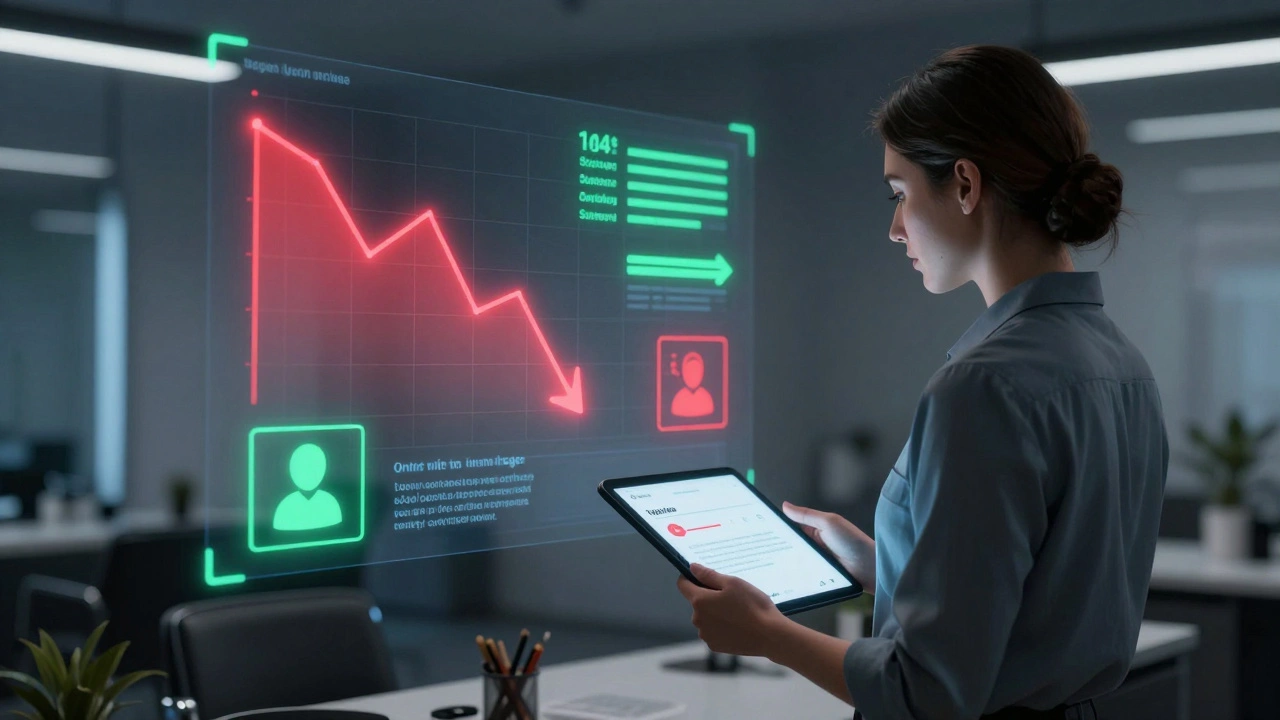
Employee churn devastates salons financially and emotionally. High turnover disrupts schedules, confuses clients, and drains morale among remaining staff. According to Bureau of Labor Statistics data, the beauty and personal care sector sees annual turnover rates exceeding 30%-far above national averages.
Why do people leave? Burnout. Lack of recognition. Unclear career paths. Toxic workplace culture. Fixing this requires proactive HR practices: competitive wages, performance bonuses, mental health support, and professional development opportunities.
Investing in retention pays off. Keeping a senior stylist saves $5,000-$10,000 in recruitment and training costs alone. More importantly, stable teams deliver better service, building long-term client loyalty.
Ignoring Online Reviews: Flying Blind
You read five-star reviews before choosing a restaurant. Same thing happens with salons. Except some owners ignore what’s being said online-good or bad.
Reputation neglect is dangerous. Negative reviews spread quickly. Positive ones build credibility. Ignoring either means missing vital feedback loops. Responding professionally to criticism shows accountability. Thanking happy clients reinforces goodwill.
Tools like Google My Business, Yelp, and Facebook Insights let you monitor sentiment in real time. Use them. Address complaints publicly. Offer solutions. Turn detractors into advocates. Silence invites speculation-and worse, silence lets competitors win.
Financial Mismanagement: Running Out of Fuel
Revenue comes in. Expenses go out. Profit disappears. Where did it go?
Poor financial oversight sinks more salons than any single factor. Owners focus on aesthetics and marketing while ignoring cash flow, overhead costs, and profit margins. Rent, utilities, product purchases, payroll-all eat into earnings if not tracked carefully.
Use accounting software like QuickBooks or Xero. Set monthly budgets. Review P&L statements weekly. Know your break-even point. Understand which services generate the most profit-not just the most bookings. Adjust accordingly.
Financial discipline turns passion projects into sustainable enterprises. Don’t guess. Measure.
What are the most common reasons salons fail?
The top causes include inconsistent service quality, poor client communication, high staff turnover, outdated technology, weak branding, and financial mismanagement. These issues compound over time, leading to declining revenue and eventual closure.
How can I improve my salon’s booking system?
Switch to a cloud-based platform like Fresha, Booksy, or Mindbody. Enable online self-booking, automated reminders, and calendar syncing. Train staff to confirm appointments promptly and handle cancellations efficiently.
Why is consistency important in a salon?
Clients expect reliable results every visit. Variability breeds distrust and drives customers away. Standardized training, documented procedures, and regular evaluations ensure uniform quality regardless of which stylist performs the service.
Can small salons compete with big chains?
Yes, by leveraging personalization, community connection, and specialized expertise. Small salons excel at creating unique experiences tailored to individual needs-something large franchises rarely match.
How much does it cost to upgrade salon technology?
Basic POS and CRM setups start around $50-$150/month. Advanced features like AI-driven analytics or multi-location integrations may cost more. ROI typically arrives within 6-12 months through reduced no-shows, faster checkout, and improved upsells.
Should I respond to negative online reviews?
Absolutely. Acknowledge the issue, apologize sincerely, and offer a resolution. Public responses demonstrate professionalism and care. Never argue or dismiss concerns-always aim to rebuild trust.
What metrics should salon owners track regularly?
Monitor key indicators such as client retention rate, average transaction value, no-show percentage, employee turnover, net promoter score (NPS), and gross margin per service. Weekly reviews help catch problems early.
Is hiring freelancers better than full-time stylists?
Freelancers reduce fixed costs but increase variability in availability and quality. Full-time staff provide stability and deeper integration with your brand. Consider hybrid models depending on demand patterns and budget constraints.