
What Are the Negatives of Laser Hair Removal? Real Risks and Side Effects
 Dec, 28 2025
Laser Hair Removal Candidate Checker
Your Profile
Your Lifestyle
Enter your information to see if laser hair removal is right for you.
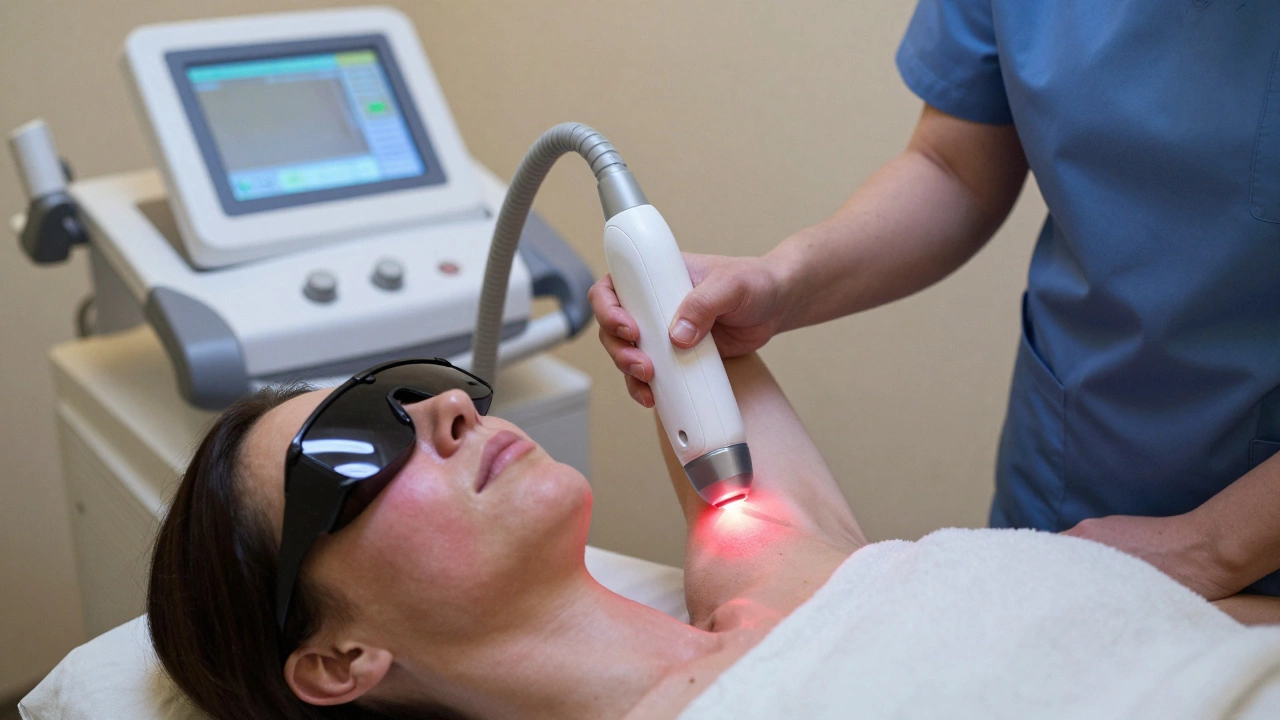
Everyone talks about how smooth your skin gets after laser hair removal-no more razors, no more waxing, no more ingrown hairs. But what no one tells you upfront are the real downsides. It’s not magic. It’s a medical procedure with trade-offs. If you’re thinking about going ahead, you need to know what can go wrong, not just what might go right.
It doesn’t work for everyone
Laser hair removal targets pigment. That means it works best on dark hair and light skin. If your hair is blonde, red, gray, or fine, the laser often can’t see it. The machine needs contrast-dark follicle against light skin-to zap the root without burning the surface. People with darker skin tones can still get results, but only if the clinic uses the right type of laser. Not all machines are created equal. A device that works perfectly for someone with fair skin might just heat up your skin without touching the hair if you have deep brown or black skin. Many clinics still use outdated lasers that aren’t safe for darker skin. That’s why you need to ask: What type of laser do you use? Nd:YAG is the gold standard for darker skin. Alexandrite and Diode work well for lighter tones. If they can’t tell you the exact model, walk away.
Pain isn’t optional
Some people say it feels like a rubber band snapping. Others say it feels like hot grease splattering on the skin. It depends on the area. Underarms? Manageable. Bikini line? Brutal. Upper lip? Like a tiny electric shock every second. Most clinics offer numbing cream, but it doesn’t block all the pain. And if you skip it to save money, you’ll regret it. The sensation isn’t just uncomfortable-it can be overwhelming. I watched a friend leave a session crying because she didn’t realize how bad it would be. Pain tolerance varies, but there’s no way around it: laser hair removal hurts. And it’s not a one-time thing. You need six to eight sessions, spaced four to six weeks apart. That’s six to eight rounds of discomfort.
It’s expensive-and not covered by insurance
A single session for underarms might cost $150. A full leg treatment? $600 or more. A full body package? You’re looking at $2,000 to $4,000. That’s not a one-time purchase. That’s an investment. And since it’s considered cosmetic, insurance won’t pay for it. Even if you have a medical condition like hirsutism, most insurers still classify it as elective. You’re paying out of pocket. And if you miss a session or the clinic uses a low-quality machine, you might need extra treatments. That adds up fast. Some clinics offer payment plans, but those often come with interest. You’re locking yourself into a long-term financial commitment without a guarantee of perfect results.
Skin reactions are common
Redness and swelling right after treatment? Normal. That goes away in a few hours. But what about blistering? Burns? Scarring? Those aren’t rare. I’ve seen cases where people got third-degree burns because the technician cranked up the settings too high. Or used the wrong laser for their skin tone. Pigment changes happen too-your skin can get darker (hyperpigmentation) or lighter (hypopigmentation) in the treated spots. These changes can last months. In some cases, they’re permanent. Sun exposure before or after treatment makes this way more likely. That’s why you’re told to avoid the sun for weeks. But let’s be real: how many people actually follow that? Especially in summer. A single day of unprotected sun after a session can ruin your results-or leave you with a permanent patch of discolored skin.
It doesn’t remove all hair
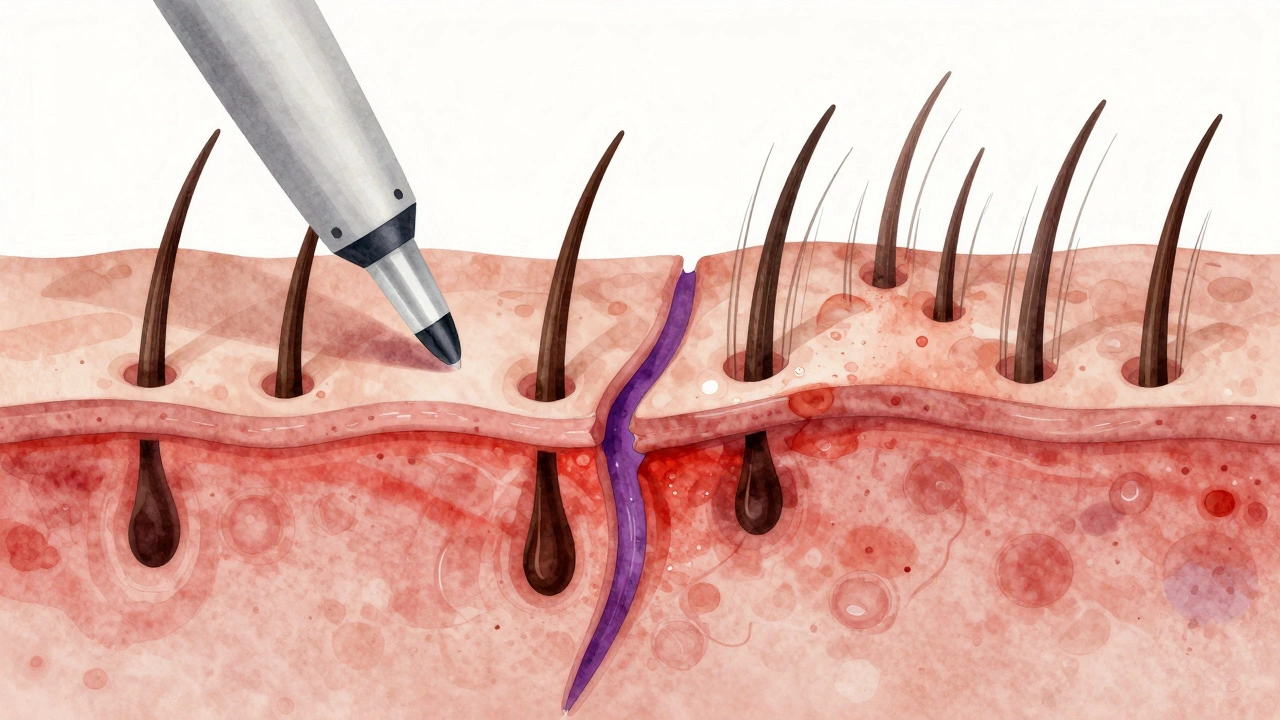
Don’t believe the ads that promise "permanent hair removal." The FDA says it’s "permanent hair reduction." That means you’ll lose 70% to 90% of hair. Not 100%. You’ll still need to shave or tweeze occasionally. Some follicles are too shallow, too fine, or too resistant to the laser. Hormonal changes-like pregnancy, menopause, or starting birth control-can wake up dormant follicles. That means hair can grow back years later. I know a woman who had six sessions, thought she was done, then grew thick dark hairs on her chin five years later. She went back to the clinic. They said it was "new growth" and charged her for another package. That’s not a flaw in her body-it’s a flaw in the marketing.
Aftercare is strict-and easy to mess up
After each session, your skin is raw. You can’t use retinoids, exfoliants, or strong deodorants for at least 48 hours. No hot showers. No saunas. No swimming in chlorinated pools. You have to wear loose clothing. You have to apply aloe vera or prescribed ointments. And you absolutely cannot pick or scratch the treated area. Even one night of forgetting these rules can lead to infection or scarring. Most people don’t realize how delicate their skin is after treatment. One client I talked to used her regular body scrub three days after her bikini line session. She ended up with a painful, infected rash that took weeks to heal. The clinic didn’t warn her how serious the aftercare was. They just handed her a brochure and said, "Call if you have questions."
Results take months
You won’t see instant results. Hair falls out over days or weeks after each session. Some people think they failed after the first treatment because hair still grows. But that’s normal. The laser only hits hairs in the active growth phase. At any given time, only 15% to 30% of your hair is in that phase. That’s why you need multiple sessions. It takes six months to a year to see the full effect. That’s a long time to wait for results you might never fully get. If you’re impatient, you’ll keep going back, hoping for more, spending more, and getting frustrated.

It can make hair grow back thicker or darker
Yes, that’s real. A phenomenon called paradoxical hypertrichosis happens in a small percentage of people-especially those with darker skin or hormonal imbalances. The laser doesn’t kill the follicle. It irritates it. And sometimes, that irritation triggers the follicle to grow back thicker or darker than before. It usually happens in areas near the treatment zone-like around the chin or sideburns. It’s rare, but it’s documented in dermatology journals. If you’re prone to hormonal acne or have PCOS, your risk is higher. No clinic will tell you this upfront. They’ll say it’s impossible. But it’s not.
Not all technicians are trained
Laser hair removal isn’t regulated like a medical procedure in many places. In New Zealand, anyone can buy a laser machine and start offering treatments-even without a medical license. Some clinics hire beauty therapists with two days of training. Others hire people off the street. You’re not getting a doctor. You’re getting someone who watched a YouTube video. I’ve heard stories of technicians using the wrong settings, treating the wrong area, or even burning clients because they didn’t know how to adjust for skin tone. Always ask: Are you certified? How many years of experience do you have? Can I see your training certificates? If they hesitate, it’s a red flag.
It’s not a one-size-fits-all solution
What works for your friend might not work for you. Your skin type, hair color, hormone levels, and even your medications affect how you respond. If you’re on acne meds like Accutane, you can’t have laser treatment for at least six months after stopping. If you have a history of keloid scarring, you’re at higher risk. If you’ve had sunburn recently, you’re in danger. There’s no universal answer. You need a personalized assessment-not a sales pitch. A good clinic will do a patch test first. They’ll check your skin, ask about your medical history, and explain your risks. If they skip that step, they’re not looking out for you. They’re looking for your money.
What to do instead
If you’re worried about the risks, there are safer, cheaper alternatives. Electrolysis is the only FDA-approved method for permanent hair removal. It’s slower and more painful, but it works on all hair and skin types. Shaving? Free and instant. Depilatory creams? Cheap and easy. Waxing? More painful, but you can do it at home. None of these are perfect. But they don’t carry the same risks as laser. You don’t need to go all-in on laser to get smooth skin. Sometimes, the best choice is the one that doesn’t burn your skin, drain your wallet, or leave you with permanent discoloration.