
What Are the 5 Essential Skin Care Routines for Healthy Skin?
 Jan, 25 2026
Skin Care Routine Checker
Check Your Daily Skin Care Routine
Enter your current products to see if you're following the 5 essential skin care routines
Morning Routine
Night Routine
Additional Habits
Most people think skin care is about buying the priciest cream or chasing the latest viral product. But real skin health doesn’t come from expensive bottles-it comes from consistency, simplicity, and doing the right things at the right time. If you’re confused about where to start, you’re not alone. The truth is, you don’t need 10 steps. You need five solid ones, done right, every day.
Morning Routine: Cleanse, Treat, Protect
Your morning skin care routine isn’t about fixing damage-it’s about preventing it. Start with a gentle cleanser. You don’t need to scrub off overnight oils with a harsh foam. A water-soluble cleanser with amino acids or ceramides is enough. Wash for 30 seconds, rinse with lukewarm water, and pat dry. No towel rubbing. That’s how irritation starts.
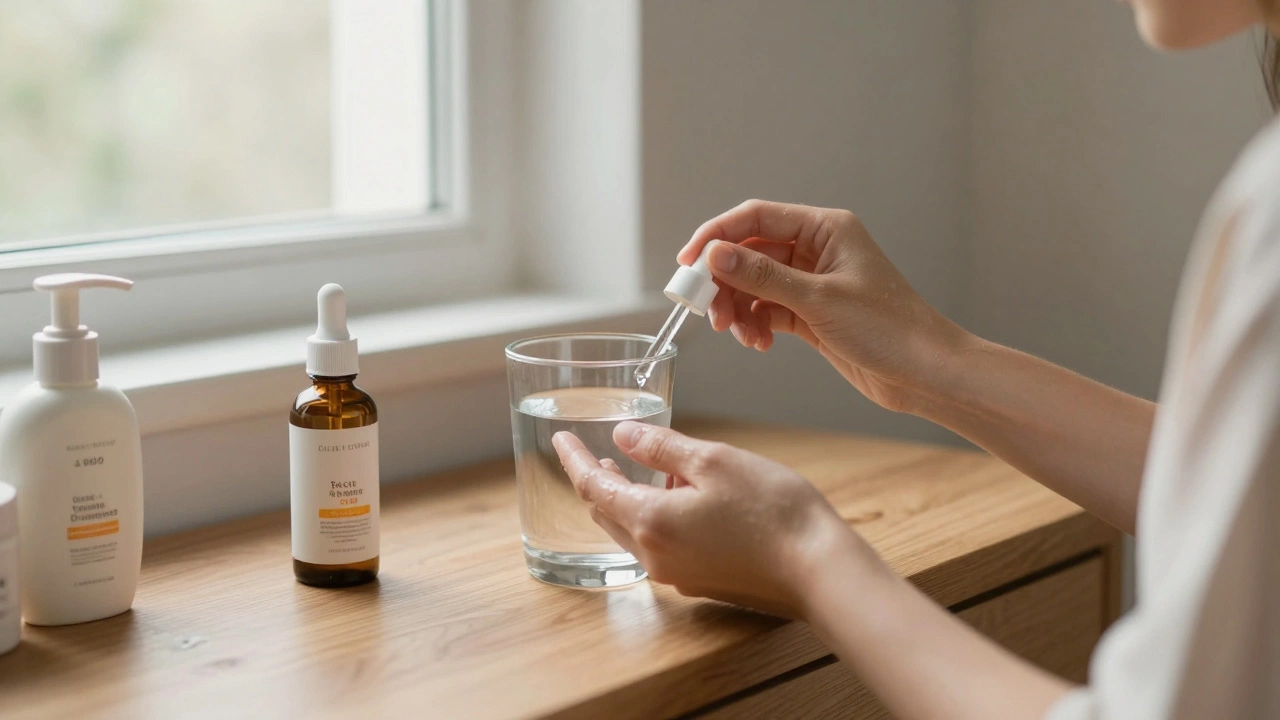
Next comes treatment. This is where you target your main concern. If you have dark spots, use a vitamin C serum. If your skin feels dull or uneven, try a low-dose niacinamide (5% is ideal). These aren’t optional extras-they’re your skin’s daily armor. Apply them on damp skin. It helps them absorb better.
Then comes the non-negotiable: sunscreen. Not ‘sunscreen if I’m going out.’ Every. Single. Day. Even when it’s cloudy. Even in winter. UV rays don’t take holidays. Use at least SPF 30, and make sure it’s broad-spectrum. Reapply if you’re outside for more than four hours. Skip this step, and everything else you do is wasted. Sun damage is the #1 cause of premature aging, and it adds up quietly over years.
Night Routine: Cleanse, Repair, Seal
At night, your skin shifts into repair mode. That’s why your night routine is where real change happens. First, double cleanse. Even if you didn’t wear makeup, pollution, sweat, and sunscreen build up during the day. Start with an oil-based cleanser or balm to dissolve those impurities. Follow with your morning cleanser to get the rest off. Skipping this leads to clogged pores and breakouts.
Now, treat. This is your chance to use stronger actives. Retinoids (like retinol or adapalene) are the gold standard for cell turnover, fine lines, and texture. Start with a low concentration (0.1% retinol) every other night. If your skin stings or peels, slow down. Don’t rush. Hyaluronic acid is also great here-it pulls water into your skin while you sleep. Apply it before your moisturizer.
Finally, seal it in. A rich, non-comedogenic moisturizer locks in everything you’ve applied. Look for ingredients like squalane, ceramides, or shea butter. If you have oily skin, don’t skip this. Dehydrated skin makes more oil. Moisturizing helps balance it.
Exfoliate: Once or Twice a Week
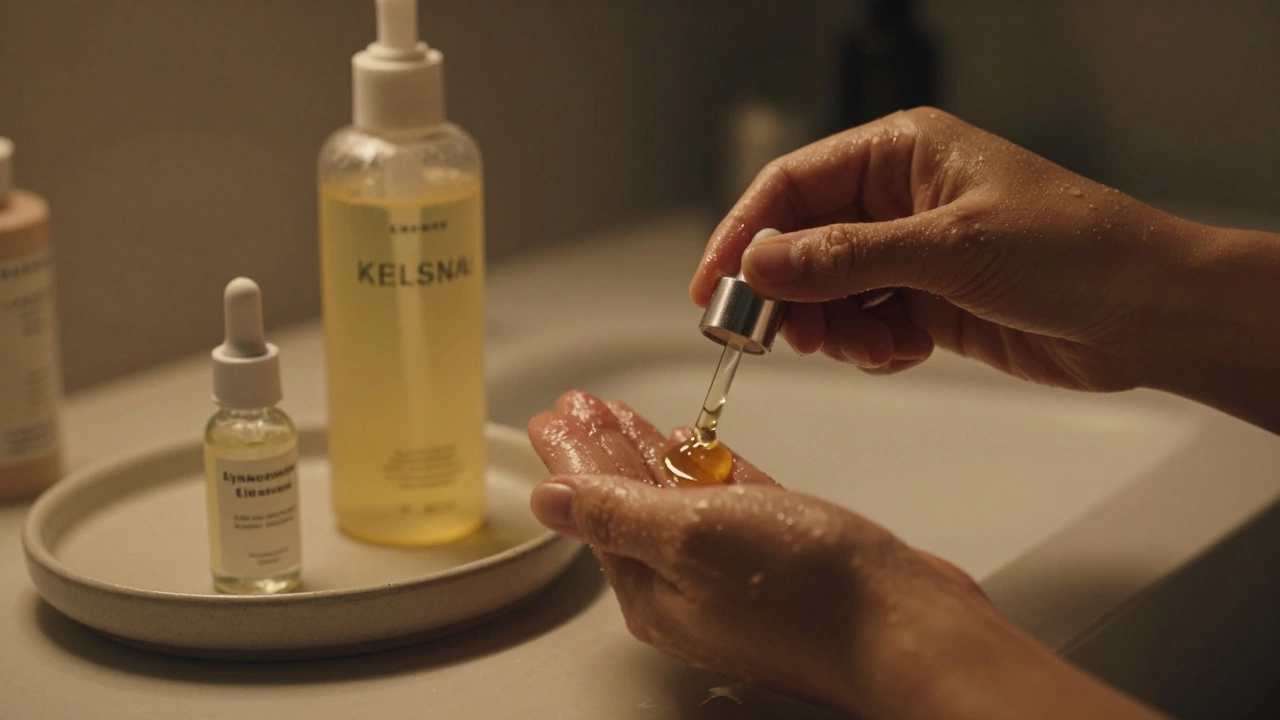
Exfoliation isn’t daily. It’s not a scrub you use every morning. Over-exfoliating strips your barrier, causes redness, and makes skin more sensitive. Chemical exfoliants like AHAs (glycolic or lactic acid) and BHAs (salicylic acid) are better than physical scrubs. They dissolve dead skin without tearing it.
Use AHA for dullness and texture. Use BHA if you get blackheads or clogged pores. Apply after cleansing, before serums. Start with once a week. If your skin tolerates it, go to twice. Always follow with moisturizer. And never use exfoliants the same night as retinol. That’s asking for irritation.
Eye Care: Keep It Light
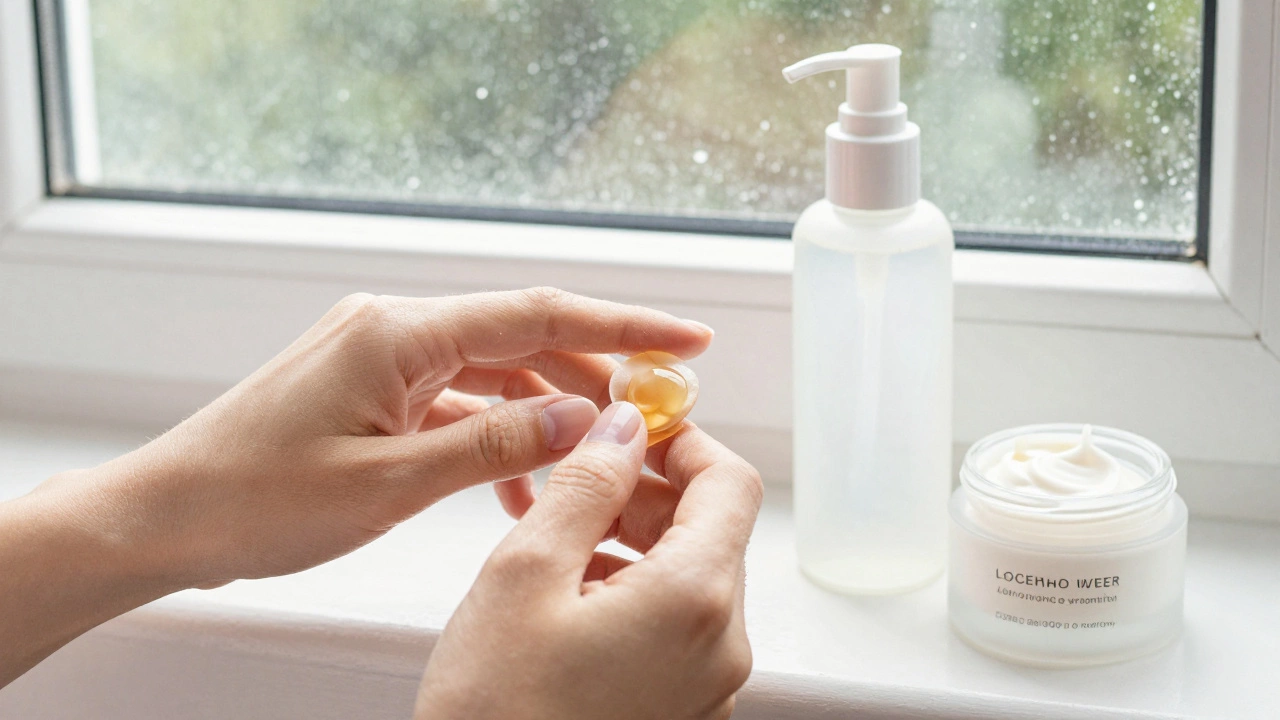
The skin around your eyes is thin-three times thinner than the rest of your face. It doesn’t need heavy creams or miracle claims. A simple eye gel or light moisturizer with peptides or caffeine is enough. Peptides help support collagen. Caffeine reduces puffiness.
Don’t use your face serum here unless it’s labeled safe for eyes. Retinoids and high-strength acids can irritate this area. Apply with your ring finger-gently tap, don’t rub. A pea-sized amount for both eyes is plenty. If you’re not seeing dark circles or bags, you don’t need a dedicated eye product. Your regular moisturizer works fine.
Listen to Your Skin: Adjust as You Go
Your skin isn’t static. It changes with seasons, stress, sleep, hormones, and even your diet. In winter, you might need more hydration. In summer, you might need lighter products. If your skin feels tight, red, or flaky, you’re overdoing it. If it’s oily and breakout-prone, you might be under-cleansing or not exfoliating enough.
Track your skin’s response. Keep a simple note: what you used, when you used it, and how your skin felt the next day. After two weeks, patterns emerge. You’ll notice your skin reacts better to niacinamide than to vitamin C. Or that your moisturizer makes you break out when it’s humid. That’s your skin talking. Learn to listen.
There’s no perfect routine. There’s only the one that works for you right now. And that changes. The goal isn’t to have flawless skin. It’s to have healthy, resilient skin that handles life without screaming for help.
Can I skip sunscreen if I’m indoors all day?
No. UVA rays penetrate windows and cause aging, even if you’re not in direct sunlight. Studies show daily sunscreen use reduces signs of aging by 24% over four years. If you’re near a window-whether at home, in the car, or at work-you need protection.
How long should I wait between applying skin care products?
You don’t need to wait minutes between layers. Wait 30-60 seconds for each product to absorb before applying the next. The exception is retinol or acids-wait two minutes after those before moisturizing to avoid diluting their effect. If your skin feels tacky, you’ve applied too much too fast.
Do I need separate products for morning and night?
Not always. Cleanser and moisturizer can be the same. But sunscreen belongs only in the morning. Retinoids and stronger actives belong only at night. Vitamin C is best in the morning for antioxidant protection. Match your products to the time of day and their function, not just the label.
What if I have acne-prone skin?
Stick to the five-step routine but choose non-comedogenic products. Use salicylic acid (BHA) 2-3 times a week to clear pores. Avoid heavy oils like coconut or cocoa butter. Look for ingredients labeled "oil-free" or "won’t clog pores." If breakouts persist after 8 weeks, see a dermatologist. Over-the-counter retinoids like adapalene (Differin) are often more effective than harsh spot treatments.
Can I use the same routine if I’m over 40?
Yes, but add hydration. As you age, your skin produces less oil and loses collagen. Swap your light moisturizer for one with ceramides and hyaluronic acid. Retinoids become even more important-they help rebuild skin structure. Don’t add more products. Just strengthen the ones you already use. Less is still more.
Skin care isn’t a race. It’s a daily habit that builds over months, not days. You won’t see results overnight. But in six months, you’ll notice your skin feels smoother, looks calmer, and handles stress better. That’s the real win-not a filter, not a trend-but real, lasting skin health.