
What Are High-End Cosmetics? A Clear Breakdown of What Sets Them Apart
 Feb, 19 2026
High-End Cosmetic Quality Checker
Assess if a cosmetic product meets high-end quality standards by checking key criteria based on the article's findings about what truly sets luxury beauty apart.
When you walk into a high-end department store or scroll through a luxury beauty site, you’ll see packaging that gleams, bottles that feel heavy in your hand, and prices that make you pause. But what exactly makes a cosmetic product high-end? Is it just the price tag, or is there more beneath the surface?
It’s Not Just the Price
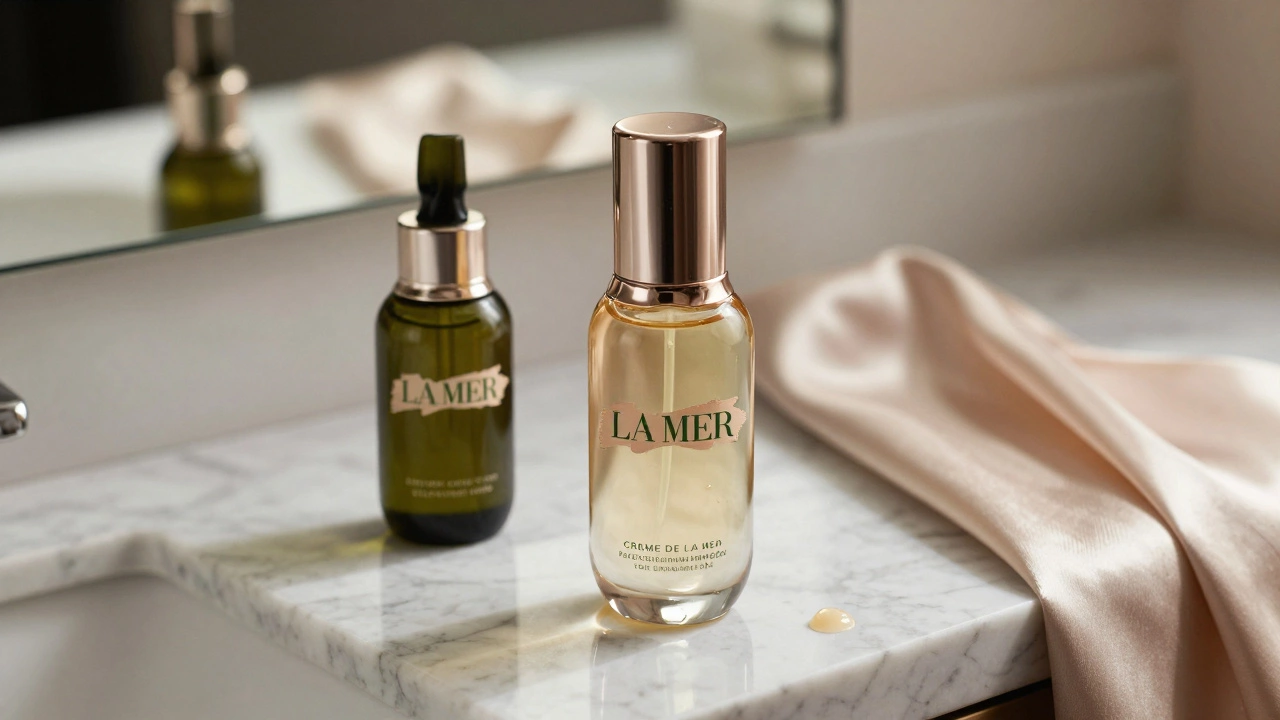
Many people assume high-end cosmetics are just expensive versions of drugstore products. That’s not true. While price is part of it, the real difference lies in formulation, ingredients, research, and experience. A $25 foundation might give you coverage. A $120 one might deliver that same coverage while also improving skin texture over time, thanks to concentrated peptides, stabilized vitamin C, or proprietary delivery systems.Take La Mer’s Crème de la Mer. It costs over $300 for 2.5 ounces. At first glance, that seems insane. But the brand uses a fermented sea kelp complex developed over decades. It’s not just marketing-it’s backed by clinical testing showing improved skin barrier function and hydration in over 80% of users after eight weeks. That’s not something you’ll find in a $15 moisturizer.
Ingredient Quality and Concentration
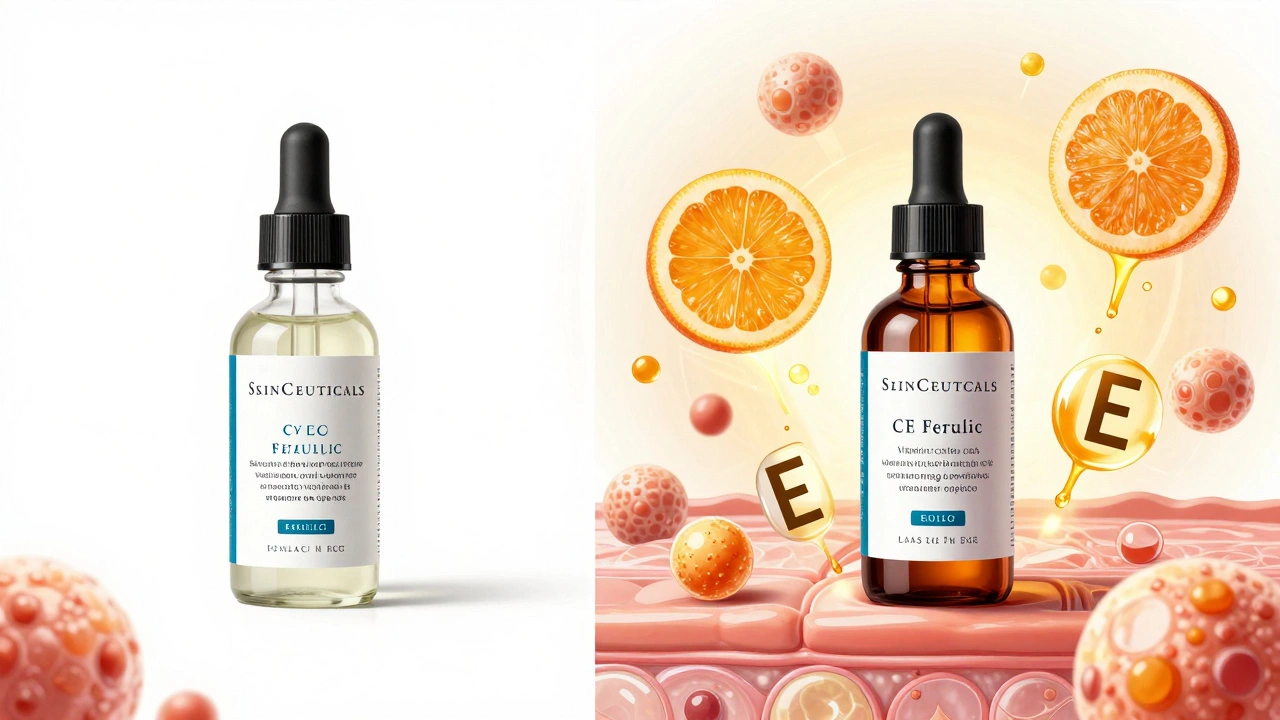
High-end brands don’t just use fancy-sounding ingredients. They use them at effective levels. Look at the ingredient list on a luxury serum versus a budget one. The expensive one often lists active ingredients like niacinamide, hyaluronic acid, or retinol as the first or second component. The cheaper one? Those same ingredients might appear near the bottom-meaning they’re present in trace amounts, too low to do anything meaningful.For example, SkinCeuticals’ C E Ferulic serum contains 15% pure L-ascorbic acid (vitamin C), 1% vitamin E, and 0.5% ferulic acid. That exact ratio is clinically proven to reduce UV damage and improve skin brightness. You won’t find that combination at that concentration in a $40 bottle. Why? Because high-quality vitamin C is unstable and expensive to stabilize. High-end brands invest in that science.
Research and Development
Luxury beauty brands often have dedicated labs and teams of scientists working on formulations. Estée Lauder Companies alone invest over $1 billion annually in R&D across its brands, including Clinique, Bobbi Brown, and La Mer. That’s not a typo. That’s billions. That money goes into clinical trials, patenting new delivery systems, and testing ingredients in real-world conditions-not just in petri dishes.Take the development of Dr. Barbara Sturm’s Molecular Cosmetics line. She’s a German dermatologist who worked in anti-inflammatory medicine before turning to skincare. Her products are built around inflammation reduction, not just surface-level hydration. Her signature ingredient, purified autologous blood serum, is extracted from the user’s own blood and used in custom treatments. It’s not a gimmick-it’s rooted in regenerative medicine.
Packaging That Matters
You’ve probably noticed that high-end products often come in airless pumps, dark glass, or magnetic closures. That’s not just for Instagram. It’s functional. Airless pumps prevent oxidation of sensitive ingredients like retinol and vitamin C. Dark glass blocks UV light that degrades active compounds. Magnetic caps? They seal better, reduce contamination, and feel more luxurious.Compare that to a plastic tub with a screw-top lid. Air and bacteria get in. Ingredients break down. Effectiveness drops within weeks. High-end packaging isn’t about looks-it’s about preserving potency. That’s why a $90 cream can still work after six months, while a $25 one might be useless after two.
The Experience Factor
There’s a reason people pay extra for the ritual. High-end cosmetics often have textures you won’t find elsewhere. Think of a cream that melts into your skin like silk, or a serum that glides on without stickiness. The scent? Subtle, natural, and long-lasting-not overpowering synthetic perfume.Lancôme’s La Vie Est Belle perfume-infused moisturizer doesn’t just smell good. It uses a proprietary fragrance delivery system that releases scent slowly over hours. The texture? It’s designed to absorb in under 15 seconds, leaving no residue. That’s not accidental. That’s engineered.
Even the application tools matter. A high-end brush from Sigma or Chantecaille is made with synthetic fibers that mimic natural hair but don’t shed or harbor bacteria. They’re designed for precision and longevity. You’ll use one for five years. A $5 brush from a drugstore? It frays after three uses.
Transparency and Ethics
Many luxury brands are leading in clean beauty. They list every ingredient clearly, avoid parabens, phthalates, and synthetic dyes, and often go beyond regulatory requirements. Tatcha, for instance, uses Japanese rice bran and green tea extracts, sourced sustainably from small farms. They publish their supply chain details. You can trace where their ingredients come from.That level of transparency is rare in mass-market brands. They’re not required to disclose everything. High-end brands do it because their customers demand it. And they’re willing to pay more for it.
Who Should Buy High-End Cosmetics?
You don’t need to spend thousands to benefit from luxury skincare. But if you have specific concerns-like persistent redness, uneven texture, or signs of early aging-high-end products often deliver faster, more consistent results.Here’s who benefits most:
- People with sensitive skin who need gentle, non-irritating formulas
- Those looking for long-term skin improvement, not just temporary coverage
- People who value ingredient purity and ethical sourcing
- Anyone who’s tried budget products and seen little to no change
It’s not about being rich. It’s about investing in results. Think of it like buying a quality mattress versus a cheap one. One might feel fine for a week. The other supports you for a decade.
What to Look For (and What to Skip)
Not everything labeled "luxury" is worth it. Here’s what to check:- Active ingredients at clinical concentrations - Look for percentages listed on the label.
- Clinical studies - Reputable brands publish them. If they don’t, ask why.
- Ingredient transparency - No vague terms like "proprietary blend." You should be able to look up every component.
- Preservative systems - Avoid parabens if you’re sensitive. Look for phenoxyethanol or potassium sorbate instead.
- Packaging - Airless pumps, opaque containers, and pump dispensers are signs of serious formulation.
What to skip:
- Products with glitter, shimmer, or "magic" claims like "turn back time"
- Brands that don’t list full ingredients
- Items with heavy synthetic fragrance
- Anything marketed as "miracle" or "instant" without science
Top High-End Brands in 2026
Here are a few that consistently deliver on quality:- La Mer - Best for dry, sensitive skin. Famous for its healing cream.
- Dr. Barbara Sturm - Ideal for inflammation, redness, and acne-prone skin.
- SkinCeuticals - Science-backed, no fluff. Top choice for vitamin C and retinol.
- Tatcha - Japanese-inspired, clean ingredients, luxurious textures.
- Augustinus Bader - Uses stem cell technology to support skin regeneration.
- Chantecaille - Eco-luxury with plant-powered formulas and ethical sourcing.
These aren’t just names. They’re brands that have built reputations over 10, 20, even 50 years by sticking to science, not trends.
Final Thought: Value Over Cost
High-end cosmetics aren’t about vanity. They’re about efficiency. A product that works faster, lasts longer, and delivers real results saves you money in the long run. You won’t need to buy five different serums to find one that works. You won’t need to replace your moisturizer every few months because it went bad.When you choose a high-end product that matches your skin’s needs, you’re not spending money. You’re investing in your skin’s health. And that’s worth more than any price tag.