
Toner or Serum First? The Correct Order for Your Skincare Routine
 Jun, 7 2026
Personalized Skincare Routine Builder
Configure Your Profile
Your Recommended Order
Select your skin type and time of day, then click "Generate My Routine".
You’ve just washed your face. You have a bottle of toner in one hand and a dropper of serum in the other. Which one touches your skin first? It sounds like a small detail, but getting it wrong can mean the difference between glowing, hydrated skin and wasted money on products that simply don’t absorb.
The short answer is: toner goes first. Always apply toner immediately after cleansing, followed by your serum. This isn't just an arbitrary rule from beauty magazines; it’s based on how your skin barrier works and the molecular size of the ingredients you are applying. If you swap them, you risk blocking your pores with heavier formulas or diluting potent actives before they can do their job.
Why Order Matters in Skincare Layering
Think of your skincare routine like painting a wall. You wouldn’t put the thick, textured topcoat on before the smooth primer, right? In skincare, the "primer" is your toner, and the "topcoat" (or at least the heavy-duty treatment) is your serum. The golden rule of skincare layering is simple: go from thinnest consistency to thickest, and from lowest pH to highest pH.
Your skin acts as a barrier. Its primary job is to keep things out-bacteria, dirt, pollution. When you wash your face, you strip away some natural oils and potentially disrupt your skin’s natural acidic mantle, which usually sits around a pH of 4.5 to 5.5. Most cleansers, especially foaming ones, have a higher pH (more alkaline), which can leave your skin feeling tight or stripped. Toner bridges this gap. It preps the canvas so that the subsequent steps actually work.
The Role of Toner: Prepping the Canvas
Toner is a water-based liquid applied after cleansing to rebalance skin pH and remove residual impurities. While old-school toners were often alcohol-heavy astringents designed to dry out oily skin, modern formulations are quite different. Today, they are primarily hydrating or exfoliating agents.
When you apply toner right after washing, you are doing two critical things:
- Rebalancing pH: Ingredients like rose water, witch hazel (alcohol-free), or green tea help bring your skin back to its optimal acidic state. An acidic environment is crucial because it allows enzymes in your skin to function correctly and keeps harmful bacteria at bay.
- Boosting Hydration: Many toners contain humectants like glycerin or hyaluronic acid. Applying these to damp skin helps lock in moisture. Think of it as wetting a sponge before pouring water into it-the sponge absorbs much more efficiently when it’s already slightly moist.
If you skip this step or apply serum first, you might be applying active ingredients onto a surface that is either too alkaline (reducing efficacy) or too dry (causing irritation). For example, vitamin C serums work best at a low pH. If your skin is still alkaline from your cleanser, the vitamin C won’t penetrate as deeply or convert effectively into its active form.
The Role of Serum: Targeted Treatment
Serum is a concentrated formulation containing high percentages of active ingredients designed to target specific skin concerns. Unlike toners, which cover a broad area with lighter molecules, serums are packed with larger, more potent compounds like retinol, niacinamide, peptides, or high-molecular-weight hyaluronic acid.
Serums are the workhorses of your routine. They deliver the heavy lifting-anti-aging, brightening, acne fighting. Because these ingredients are concentrated, they need direct access to the skin layers. If you apply a thicker product (like a moisturizer or even a dense toner with oils) before your serum, those large molecules create a physical barrier. The serum sits on top, oxidizes, or rolls off your face instead of sinking in.
Consider niacinamide, a popular ingredient for minimizing pores and regulating oil. It needs to penetrate the epidermis to inhibit sebum production. If there’s a layer of residue from a previous step, its absorption rate drops significantly. By applying toner first, you ensure the skin is clean, balanced, and receptive to these potent actives.
Exceptions: When the Rules Change Slightly
While "toner then serum" is the standard, skincare isn’t one-size-fits-all. There are nuanced scenarios where you might adjust this order, though rarely do you put serum *before* toner entirely.
| Skin Concern / Product Type | Recommended Order | Reasoning |
|---|---|---|
| Exfoliating Toners (AHA/BHA) | Cleanser → Exfoliating Toner → Wait 10 mins → Serum | Acids change skin pH drastically. Waiting ensures the acid does its job without reacting negatively with the next layer. |
| Hyaluronic Acid Serum | Cleanser → Hydrating Toner → HA Serum → Moisturizer | HA pulls water from the environment. A hydrating toner provides that water source so HA doesn’t pull moisture from deeper skin layers. |
| Oil-Based Cleansers/Toners | Oil Cleanse → Water Cleanse → Water-Based Toner → Water-Based Serum | Stick to the "water before oil" rule. Even if your toner has essence-like properties, keep it light before the serum. |
| Vitamin C + Retinol | Morning: Vit C Toner/Serum | Night: Retinol Serum | Never mix these directly. Use toner to prep, but separate these potent actives by time of day to avoid irritation. |
A notable exception involves "essence-toners" popular in K-beauty routines. These are thicker than traditional toners but thinner than serums. In this case, the order remains: Cleanser → Essence-Toner → Serum. The essence acts as a secondary hydration boost. However, if your "toner" is actually a heavy, oil-laden balm or a micellar water substitute used as a final rinse, you might treat it differently. But generally, if it’s called toner, it goes before serum.
How to Apply Them for Maximum Absorption
Knowing the order is half the battle. How you apply them determines whether you get results. Here is the most effective method:
- Cleanse and Pat Dry: Wash your face gently. Do not rub aggressively. Leave your skin slightly damp-not dripping, but not bone-dry either. Damp skin enhances absorption of water-based products.
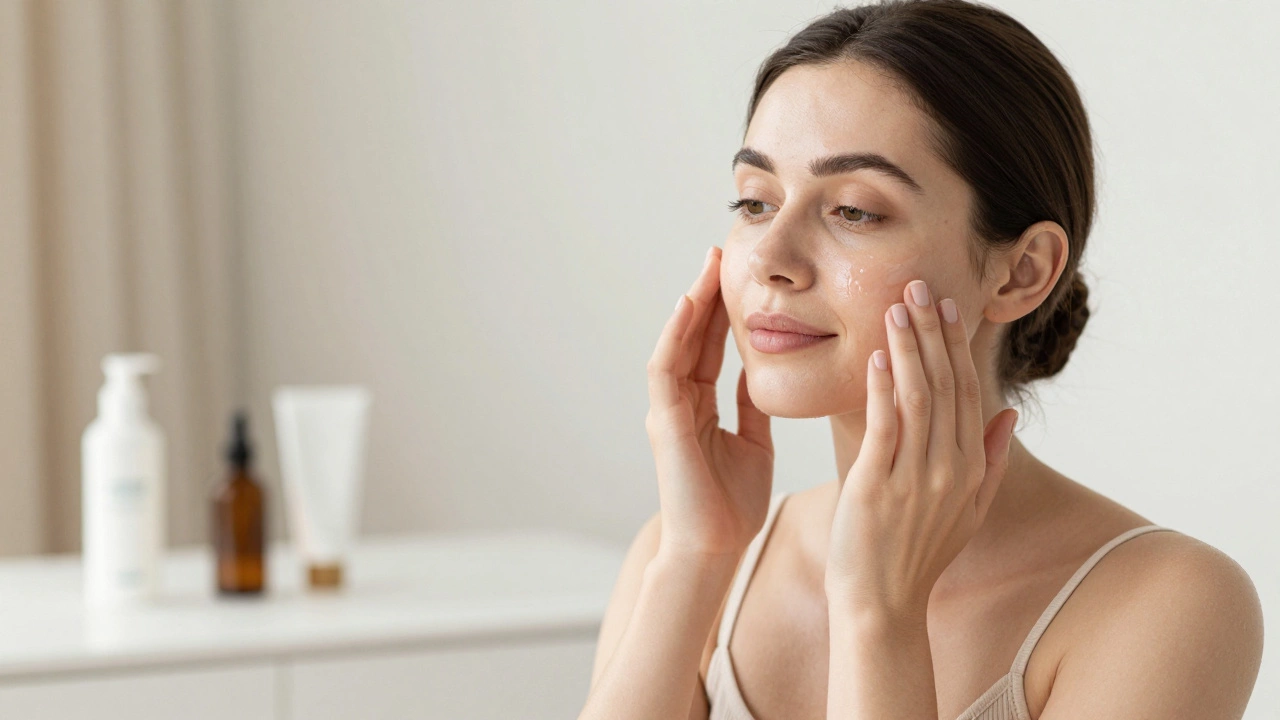
- Apply Toner: Pour a small amount into your palms (not a cotton pad, unless you are using an exfoliating toner and want to physically wipe away dead skin). Press and pat the toner into your skin. Avoid rubbing, which can cause micro-tears and irritation. Let it sink in for about 30-60 seconds.
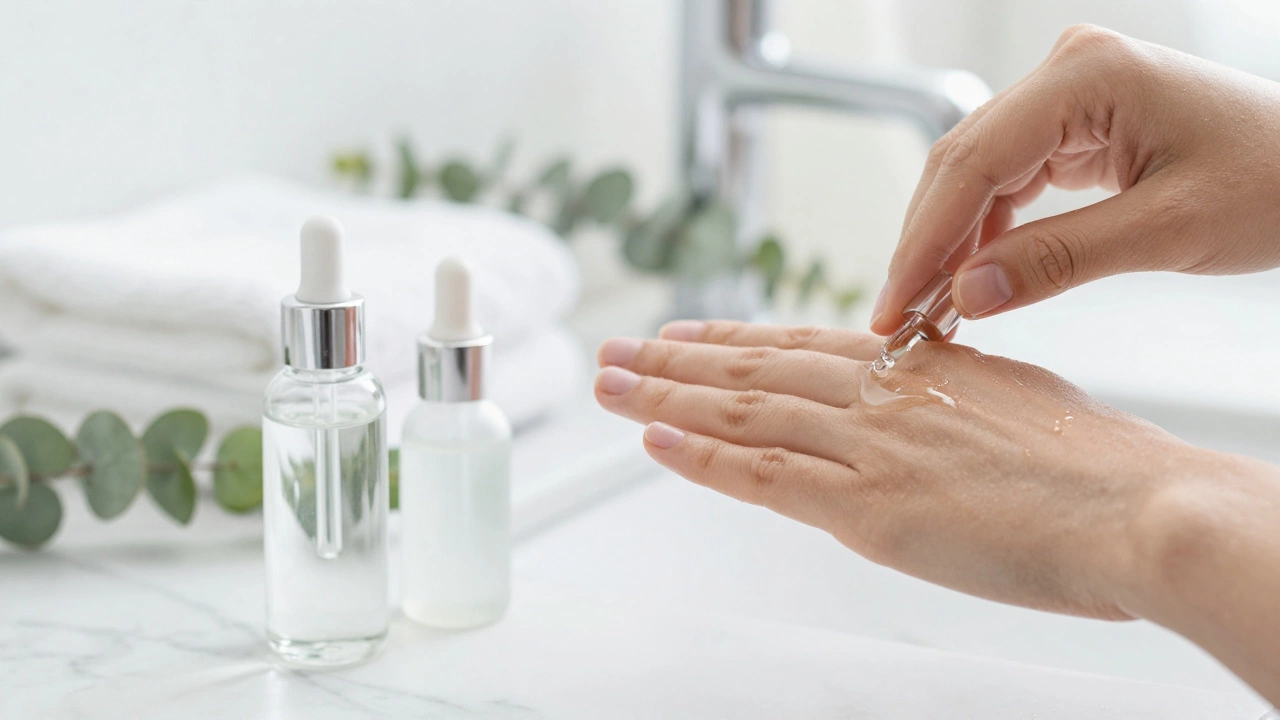
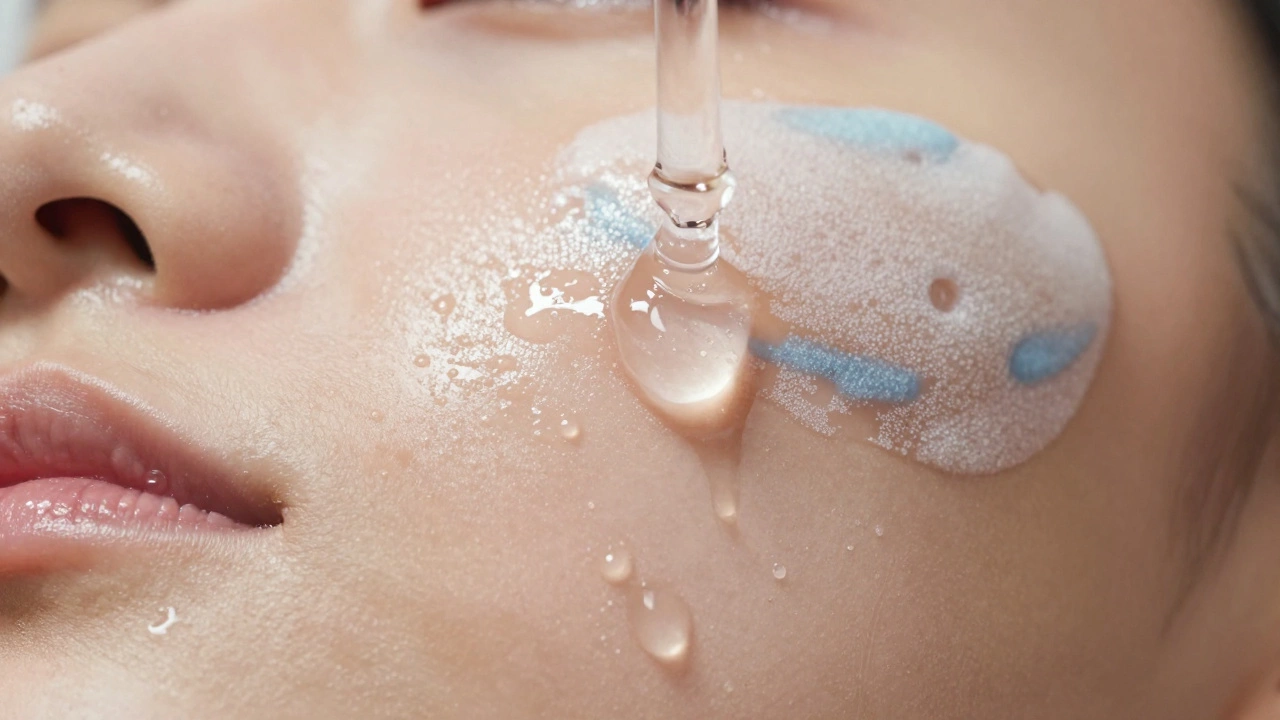
- Apply Serum: Dispense 2-3 drops of serum into your fingertips. Dot it across your forehead, cheeks, nose, and chin. Gently press it into the skin. Again, patting helps penetration better than spreading.
- Wait Before Moisturizing: Give your serum a minute to absorb before sealing everything in with moisturizer. This prevents pilling (when products ball up on your face).
Using cotton pads for hydrating toners is actually wasteful. You’re throwing away half the product onto the pad. Unless you are double-cleansing or using a chemical exfoliant (like salicylic acid toner) where friction helps distribution, use your hands. It’s more hygienic, more efficient, and warmer hands help open up pores slightly for better absorption.
Signs You Have the Order Wrong
How do you know if your current routine is failing you? Pay attention to these signs:
- Pilling: If your serum or sunscreen rolls into little white balls when you apply makeup or moisturizer, you likely didn’t let the previous layer absorb, or you applied a thick product over a thin one incorrectly.
- Irritation or Stinging: If your serum stings every time you apply it, your skin barrier might be compromised because you skipped the pH-balancing toner step, or you are applying actives to dry, sensitive skin.
- Lack of Results: If you’ve been using a retinol or vitamin C serum for months with no visible change, check your order. If you’re applying it over a heavy toner or moisturizer, it’s not penetrating.
- Shiny but Dehydrated Skin: This happens when you apply serum to dry skin without a hydrating base. The serum evaporates quickly, leaving skin looking shiny but feeling tight underneath.
Building a Routine Around Your Skin Type
Your skin type dictates the *type* of toner and serum you choose, but rarely changes the order. However, understanding your skin’s needs helps you pick the right players for this sequence.
For Oily/Acne-Prone Skin: Use a BHA (salicylic acid) toner first. It penetrates pores to dissolve oil. Follow with a lightweight, water-based niacinamide or zinc serum. Never apply a heavy oil-serum before this.
For Dry/Dehydrated Skin: Use a hydrating toner with glycerin or honey. Follow immediately with a hyaluronic acid serum while your skin is still tacky from the toner. Seal it instantly with a cream.
For Sensitive Skin: Skip exfoliating toners. Use a calming toner with centella asiatica or aloe. Follow with a gentle peptide or ceramide serum. Simplicity is key here; fewer steps mean less chance of reaction.
For Aging Skin: Use an antioxidant-rich toner (green tea or vitamin C). Follow with a retinol or peptide serum. The toner preps the skin to handle the potency of retinol without excessive irritation.
Common Mistakes to Avoid
Even with the right order, habits can sabotage your glow. One major error is mixing incompatible ingredients. For instance, applying a benzoyl peroxide serum right after a vitamin C toner can neutralize both. Another mistake is over-layering. Just because you can add ten steps doesn’t mean you should. Three well-chosen steps (Cleanser, Toner, Serum, Moisturizer) performed correctly will always outperform a cluttered, confused routine.
Also, beware of "multi-tasking" products that claim to be both toner and serum. While convenient, they often compromise on concentration. A true serum has a high percentage of actives (often 5-10%+), while a toner is mostly water and mild additives. Combining them usually means you get neither benefit fully. Stick to dedicated products for each stage.
Can I skip toner and go straight to serum?
Yes, you can skip toner if your cleanser leaves your skin balanced and comfortable. However, skipping it means you miss out on the extra hydration boost and pH adjustment. If you have sensitive or reactive skin, skipping the buffering step of a toner might make potent serums feel more irritating. For most people, toner acts as a beneficial bridge that enhances serum absorption.
What if my toner is thicker than my serum?
This is rare, but if your toner is an "essence" or contains oils, stick to the general rule of thin-to-thick. If the toner feels heavy, apply it, wait for it to absorb completely (1-2 minutes), and then apply the serum. However, ideally, you should choose a toner that is lighter than your serum to ensure proper layering. If the toner is oil-based, it should technically come after water-based serums, but most toners are water-based.
Does the order matter for morning vs. night routines?
The fundamental order (Toner -> Serum) remains the same for both AM and PM routines. The difference lies in the *ingredients* you choose. In the morning, you might use a vitamin C toner and a hyaluronic acid serum for protection and hydration. At night, you might use a BHA toner and a retinol serum for repair. The layering logic stays consistent regardless of the time of day.
Should I use cotton pads or hands for toner?
Use your hands for hydrating and soothing toners to maximize absorption and reduce waste. Use cotton pads only if you are using an exfoliating toner (with AHAs/BHAs) or if you are double-cleansing to physically wipe away leftover makeup or sunscreen. Rubbing with cotton pads can also cause unnecessary friction and irritation on sensitive skin.
How long should I wait between toner and serum?
You don’t need to wait long. About 30 to 60 seconds is sufficient for the toner to absorb and for your skin to feel tacky rather than wet. If you are using an exfoliating acid toner, wait 5-10 minutes to allow the pH to stabilize and the acids to work before applying your serum. For hydrating toners, immediate follow-up with serum is actually beneficial to lock in the moisture.