
The Most Wanted Beauty Treatments of 2026: What Clients Are Actually Booking
 May, 7 2026
Beauty Treatment Decision Assistant
Not sure which treatment is right for you? Answer three simple questions to get a personalized recommendation based on current trends.
Recommended Treatment
You walk into a busy salon in Wellington or scroll through booking apps on your phone, and one thing stands out: the waitlists. They aren’t just for haircuts anymore. The most requested slots are reserved for specific, high-impact beauty treatments that promise visible results without surgery. In 2026, the definition of "most wanted" has shifted dramatically. It is no longer about looking like everyone else; it is about personalized, effective maintenance that fits into a fast-paced life.
If you are wondering what people are actually paying for right now, the answer isn't a single magic bullet. It is a combination of non-invasive skin rejuvenation, preventive care, and quick-fix aesthetics. This article breaks down exactly which treatments are dominating the industry, why they are so popular, and how to decide if they are right for you.
The Rise of the "Preventive" Aesthetic
The biggest shift in the beauty world over the last few years is the move from correction to prevention. People in their mid-20s and early 30s are not waiting for deep wrinkles to form before they take action. This mindset has made Botox a neurotoxin injection used to temporarily paralyze muscles and smooth wrinkles and similar neuromodulators the undisputed kings of popularity. However, the usage has changed. Instead of freezing an entire forehead, clients are asking for "micro-dosing." This technique uses smaller amounts of product to maintain natural movement while preventing dynamic lines from becoming static creases.
Why is this so wanted? Because it offers control. You look like yourself, just slightly more rested. For many, this is the ultimate goal. The procedure takes about 15 minutes, requires zero downtime, and costs significantly less than surgical options. It is the entry point for many into professional aesthetic care.
Glowing Skin: The Hydrating Facials
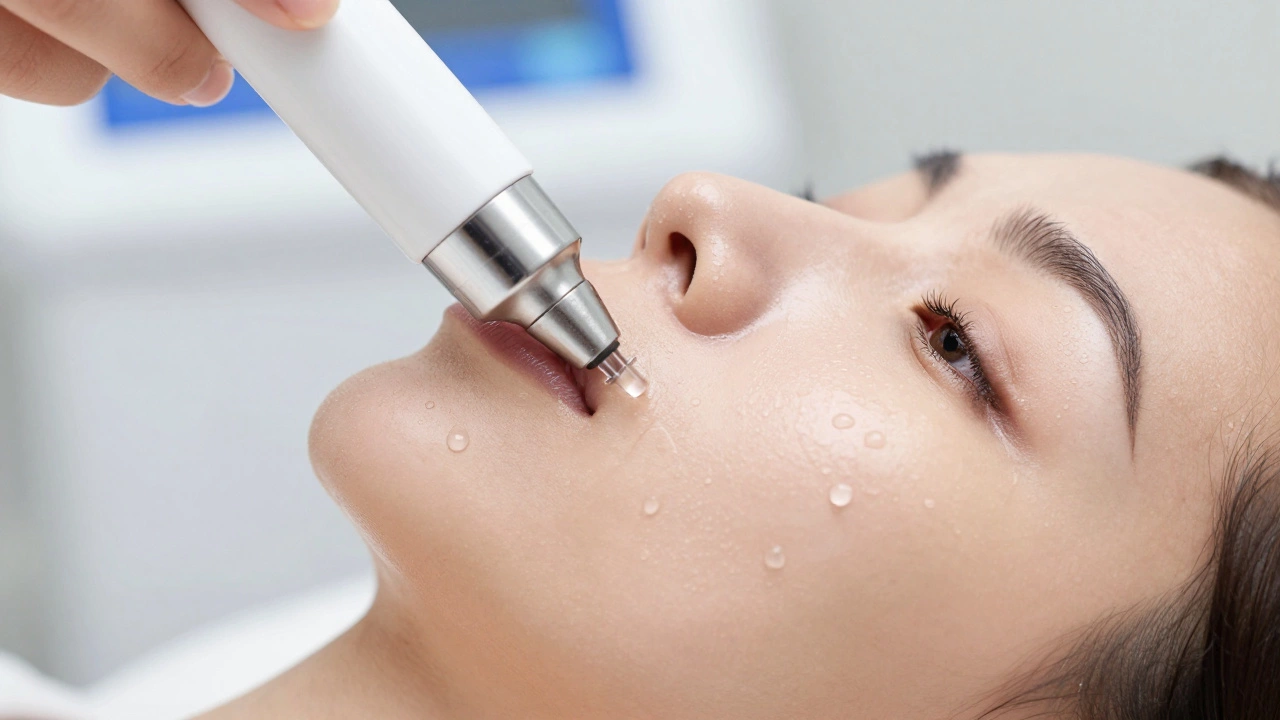
While injectables handle structure, hydration handles texture. The second most booked category is advanced facial treatments. But forget the steamy masks and gentle massages of the past. The current favorite is the HydraFacial a multi-step treatment using a vortex-fusion tip to cleanse, extract, and hydrate the skin. This device-based treatment has become a staple because it delivers immediate gratification. You leave the chair with skin that looks plump, bright, and clear.
What makes HydraFacial so dominant is its versatility. It works on almost every skin type, including sensitive skin that might react poorly to harsh chemical peels. It combines cleansing, exfoliation, extraction, and hydration in one go. In a city like Wellington, where weather can be unpredictable and wind can dry out skin, this level of consistent hydration is crucial. Many clients book these monthly as a maintenance ritual, similar to getting a haircut.
| Treatment | Primary Benefit | Downtime | Average Cost (NZD) | Frequency |
|---|---|---|---|---|
| Botox | Wrinkle Prevention | None | $300 - $450 | Every 3-4 months |
| HydraFacial | Hydration & Clarity | None | $200 - $350 | Monthly |
| Laser Hair Removal | Permanent Reduction | Redness (24 hrs) | $80 - $150 per session | Every 4-6 weeks |
| Chemical Peel | Texture & Pigmentation | Peeling (3-7 days) | $150 - $300 | Every 4-8 weeks |
The End of Shaving: Laser Hair Removal
There is a practical side to the most wanted treatments, and that is convenience. Laser Hair Removal a method using concentrated light beams to destroy hair follicles has moved from a luxury to a necessity for many. As technology improves, newer lasers like diode and Nd:YAG systems are safer for darker skin tones and more effective on fine hairs. This inclusivity has broadened the market significantly.
People want this because it saves time and money in the long run. Think about the cost of razors, waxing appointments, and depilatory creams over five years. Laser treatment eliminates that recurring expense. While it requires multiple sessions-usually six to eight-to achieve permanent reduction, the initial investment pays off. It is particularly popular for areas like the legs, underarms, and bikini line, where ingrown hairs and irritation are common complaints.
Targeted Concerns: Chemical Peels and Microneedling
Not everyone wants general glow or wrinkle prevention. Some have specific issues like acne scars, hyperpigmentation, or uneven texture. For these concerns, Chemical Peels a skin-care treatment involving the application of a chemical solution to remove dead skin cells remain highly sought after. Unlike facials, peels actively resurface the skin. Glycolic acid, salicylic acid, and TCA peels are the standard tools here.
Microneedling is another contender in this category. By creating tiny micro-injuries in the skin, it stimulates collagen production. When combined with radiofrequency (RF Microneedling), it also tightens loose skin. This is often chosen by those who want to avoid the "frozen" look of Botox but still want lifting effects. It is a bit more painful and requires a few days of recovery, but the results for scar reduction are profound.
Why These Treatments Dominate in 2026
Several factors drive the popularity of these specific services. First is transparency. Social media and review platforms have educated consumers. People know what to expect, what questions to ask, and how to spot a qualified practitioner. This confidence reduces fear and increases booking rates.
Second is the normalization of self-care. Getting a treatment is no longer seen as vanity alone; it is viewed as part of overall health and well-being, similar to going to the gym or eating well. Mental health benefits play a role too. Taking an hour for yourself, being pampered, and seeing a physical improvement boosts confidence and mood.
Finally, the technology has become safer and more accessible. Devices are FDA-approved or CE-marked, and practitioners are better trained. The risk of complications has dropped, making people more willing to try procedures that were once considered risky.
How to Choose the Right Treatment for You
With so many options, it can be overwhelming. Here is a simple framework to help you decide:
- Identify Your Main Concern: Is it wrinkles? Dryness? Unwanted hair? Scars? Start with the problem, not the solution.
- Consider Your Downtime: Do you have a big event next week? If so, avoid peels or microneedling. Stick to HydraFacials or Botox.
- Budget Realistically: Remember that some treatments require ongoing maintenance. Botox needs repeat injections. Laser hair removal needs multiple sessions. Factor in the long-term cost.
- Check Credentials: Ensure your provider is licensed and experienced. Ask to see before-and-after photos of real clients with similar skin types.
- Start Small: You don’t need to do everything at once. Try one treatment, see how your skin reacts, and then build from there.
Avoid clinics that pressure you into buying packages upfront. A reputable provider will listen to your goals and recommend a tailored plan. They should also explain potential risks and side effects clearly.
The Future of Beauty: Personalization and Tech
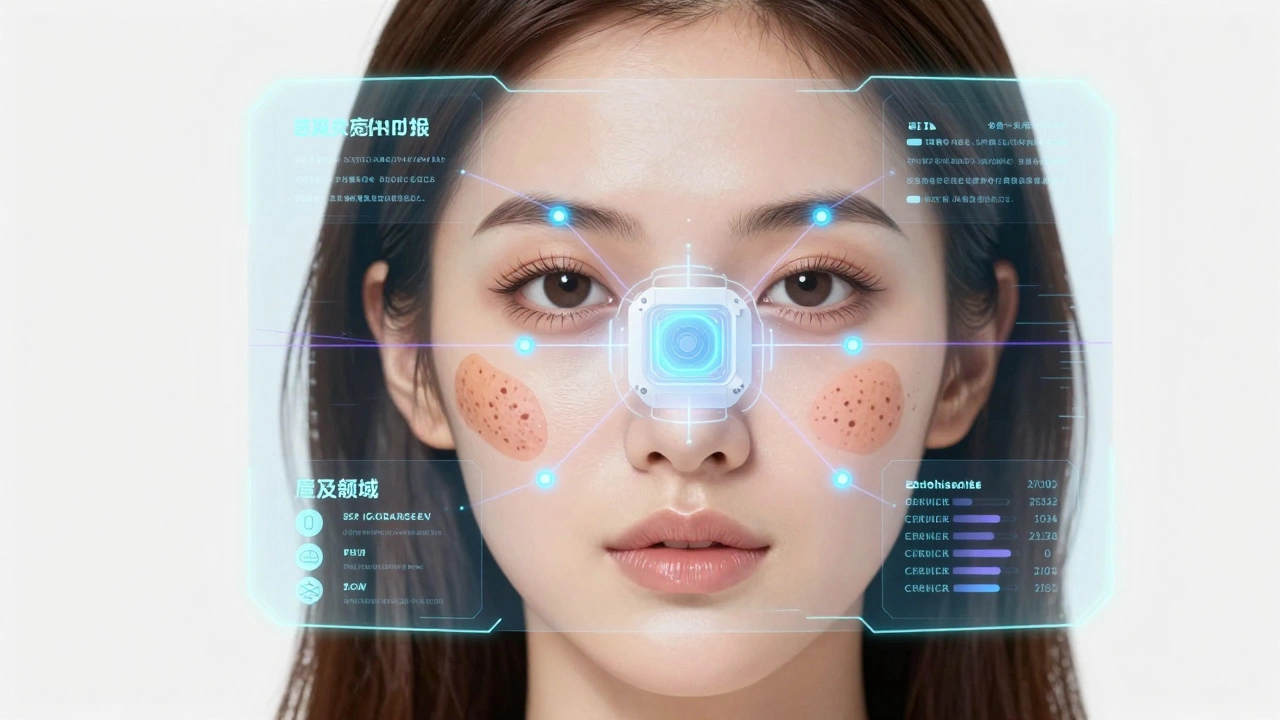
Looking ahead, the trend is moving toward hyper-personalization. AI-driven skin analysis tools are becoming common in salons. These devices scan your skin, measure hydration levels, pore size, and pigmentation, and then recommend a custom cocktail of serums or treatments. This data-driven approach ensures you get exactly what you need, nothing more.
We are also seeing a rise in "combo" treatments. For example, combining Botox with a filler for a balanced lift, or pairing a chemical peel with LED light therapy to reduce redness. These combinations maximize results in fewer visits, appealing to busy professionals.
Ultimately, the most wanted beauty treatment is the one that makes you feel confident and comfortable in your own skin. Whether it’s smoothing out fine lines, clearing up breakouts, or simply enjoying a relaxing facial, the key is consistency and choosing safe, proven methods. Don’t chase trends blindly. Listen to your skin, consult with experts, and invest in treatments that deliver real value.
Is Botox safe for first-time users?
Yes, Botox is generally safe when administered by a licensed medical professional. Common side effects include mild bruising or headache, which usually resolve within a few days. Serious complications are rare. Always disclose any medications or health conditions to your provider before treatment.
How often should I get a HydraFacial?
Most dermatologists and aestheticians recommend a HydraFacial every four to six weeks. This aligns with the skin's natural turnover cycle. Regular treatments help maintain hydration and clarity, but frequency can be adjusted based on your skin's specific needs and budget.
Does laser hair removal hurt?
Many people describe the sensation as a rubber band snapping against the skin. Modern lasers often come with cooling mechanisms to minimize discomfort. Pain tolerance varies, but most find it manageable. Numbing cream can be applied beforehand if you are particularly sensitive.
Can I combine different beauty treatments?
Yes, many treatments complement each other. For example, Botox and fillers are often done together. However, invasive procedures like chemical peels or microneedling should not be combined with injectables on the same day due to increased risk of swelling and infection. Always consult your provider for a safe schedule.
What is the best treatment for acne scars?
Microneedling and fractional laser resurfacing are highly effective for acne scars. They stimulate collagen production to fill in depressed areas. Chemical peels can also help with superficial discoloration. A combination approach is often recommended for best results, tailored to the depth and type of scarring.