
The Hidden Costs of Hair Extensions: Damage, Maintenance & Risks
 May, 22 2026
Hair Extension True Cost Calculator
Configuration
Typically $100-$300 every 6-8 weeks.
Shampoo, conditioner, masks, sprays.
Total Annual Cost
Based on your settings
Cost Breakdown:
Adding length or volume to your hair feels like an instant upgrade. You walk out of the salon with a head-turning look, and for a few weeks, it’s pure magic. But that glow fades quickly when you realize your hair isn’t behaving anymore. It tangles at the slightest breeze, your scalp itches constantly, and your morning routine has turned into a two-hour ordeal. Hair extensions are artificial hair strands attached to natural hair to add length, volume, or color. While they offer immediate aesthetic changes, they come with significant physical and financial trade-offs that many people overlook until it’s too late. Before you book that appointment, you need to understand what happens behind the scenes. If you’re looking for quick fixes elsewhere, you might check this directory for other services, but let’s stay focused on your hair health right now.
The Physical Toll on Your Natural Hair
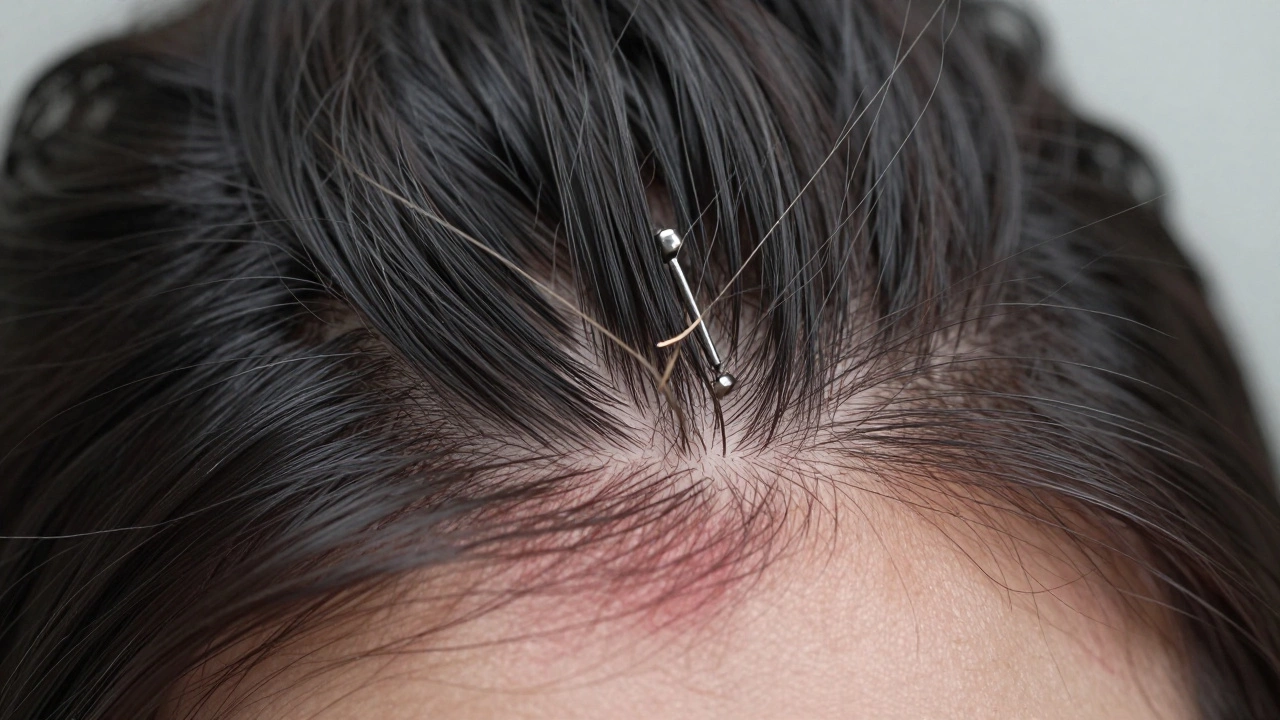
The most obvious disadvantage is the stress placed on your own follicles. Your natural hair grows in cycles, shedding about 50 to 100 strands a day. When you attach extensions, you interrupt this cycle. The weight of the added hair pulls on the roots, leading to a condition known as traction alopecia. This isn’t just temporary thinning; if left unchecked, it can cause permanent hair loss along the hairline and parting lines.
Consider the method of attachment. Tape-in extensions use adhesive strips that bond directly to small sections of your natural hair. Over time, the glue breaks down, causing slippage and tangling. Clip-ins seem harmless because they’re temporary, but the constant clamping and unclamping weaken the hair shaft. Micro-beads or micro-links involve wrapping your natural hair around a small metal bead and crimping it shut. This creates a choke point that restricts blood flow to the follicle and makes detangling nearly impossible without professional help.
- Traction Alopecia: Permanent hair loss caused by constant pulling on the roots.
- Breakage: Hair snaps off at the weakest point, usually where the extension is attached.
- Matting: Natural hair gets tangled with the extension fibers, forming knots that cannot be combed out.
You might think using high-quality human hair solves these problems, but the issue isn’t just the quality of the extension-it’s the mechanics of attaching foreign weight to delicate biological tissue. Even the lightest synthetic fibers add drag. When you sleep, move, or wash your hair, that extra weight multiplies the tension on each strand. Over months, this cumulative stress weakens the structural integrity of your natural hair, making it brittle and prone to snapping.
The Financial Commitment Nobody Talks About
People often quote the initial price of extensions as the cost, but that’s only the tip of the iceberg. The real expense lies in maintenance. Most semi-permanent extensions need to be moved up every six to eight weeks as your natural hair grows. Each adjustment session costs between $100 and $300, depending on your location and stylist. That’s a recurring bill you didn’t expect when you first signed up.
Then there’s the product budget. You can’t just slap any shampoo on extended hair. Sulfates strip the moisture from both your natural hair and the extensions, causing them to dry out and tangle. You’ll need specialized sulfate-free shampoos, deep conditioning masks, leave-in conditioners, and heat protectants. A basic bottle of extension-safe shampoo can cost $25 to $40. Add in the cost of wide-tooth combs, silk pillowcases, and nightly detangling sprays, and your monthly beauty budget doubles.
| Expense Category | Estimated Cost (USD) | Frequency |
|---|---|---|
| Initial Installation | $300 - $1,500 | One-time |
| Maintenance Appointment | $100 - $300 | Every 6-8 weeks |
| Specialized Shampoo | $25 - $40 | Monthly |
| Conditioner/Masks | $20 - $50 | Monthly |
| Removal Service | $50 - $150 | Once per lifecycle |
If you decide to remove them early due to damage or dissatisfaction, you still pay for the removal service. Improper removal can rip out chunks of your natural hair, so DIY removal is risky. The financial drain adds up quickly, turning a one-time beauty treatment into a long-term subscription you didn’t sign up for.

Daily Life Disruptions and Sleep Loss
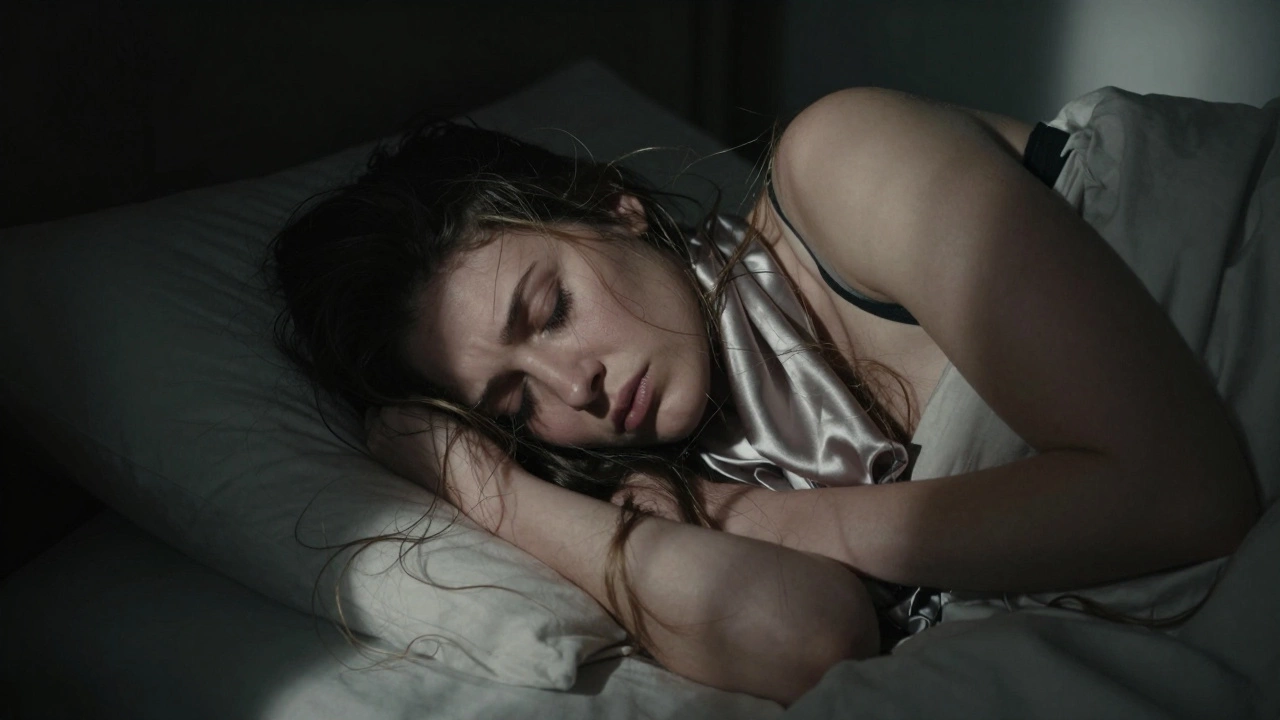
Your lifestyle changes overnight when you get extensions. Sleeping becomes a strategic operation. You can’t just toss and turn. You must braid your hair loosely, tie it in a low ponytail, or wrap it in a silk scarf to prevent matting. Many people report losing hours of sleep because they wake up tangled or worried about ruining their investment. The comfort of your pillowcase matters more than ever-cotton creates friction, while silk reduces it.
Washing your hair turns into a chore. You can’t scrub your scalp vigorously because the extensions trap water and product residue. You have to apply shampoo carefully, rinse thoroughly, and then spend twenty minutes gently detangling from the ends up. Drying takes even longer. Air-drying can take hours, and blow-drying requires low heat settings to avoid damaging the bonds or the extension fibers. On busy mornings, this routine feels impossible.
Sports and swimming become complicated. Chlorine and saltwater degrade the quality of extensions, especially synthetic ones. They become frizzy, discolored, and stiff after just one swim. You’ll need to pre-soak your hair in fresh water and apply conditioner before entering the pool, then wash it immediately afterward. Running or high-intensity workouts cause friction against collars and backpacks, leading to increased tangling and discomfort.
Scalp Health and Hygiene Issues
Your scalp is a living ecosystem. It produces oil, sheds dead skin cells, and hosts beneficial bacteria. Extensions disrupt this balance. The density of added hair traps heat and moisture against the scalp, creating a breeding ground for fungus and bacteria. This leads to dandruff, itching, and in severe cases, folliculitis-an inflammation of the hair follicles that looks like acne on your scalp.
Cleaning under layers of tape, beads, or wefts is difficult. Product buildup accumulates near the roots, clogging pores and preventing proper airflow. This suffocation weakens the hair follicles further, accelerating shedding. Some people develop allergic reactions to the adhesives used in tape-ins or fusion methods. Symptoms include redness, swelling, and intense itching. If you have sensitive skin, the risk is even higher.
Ventilation is key to scalp health. When your hair is thickened artificially, air circulation decreases. Sweat doesn’t evaporate as quickly, leaving your scalp damp and uncomfortable. In humid climates, this problem worsens. You might find yourself washing your hair more frequently to combat odor and itchiness, which paradoxically dries out your natural hair and damages the extensions faster.
Psychological Impact and Dependency
There’s a psychological shift that happens when you rely on extensions. You start comparing your natural hair unfavorably to the enhanced version. The contrast can be harsh. Once you’ve had long, voluminous hair, your natural texture might feel flat, short, or unmanageable by comparison. This can lead to anxiety about your appearance without extensions, creating a dependency cycle.
Many people report feeling “naked” or insecure when they remove them. The transition period, where your hair is recovering and growing back, can be emotionally challenging. You might experience self-esteem dips during this phase. Social media amplifies this pressure, showing filtered images of flawless extension wearers without highlighting the maintenance struggles or damage underneath.
This mental burden affects daily confidence. You might avoid windy days, spontaneous activities, or intimate moments because you’re worried about your extensions slipping or looking messy. The freedom associated with natural hair is replaced by caution and control. Over time, this restriction can feel suffocating, making you question whether the aesthetic boost was worth the emotional cost.
Environmental and Ethical Concerns
The hair extension industry has hidden environmental costs. Synthetic extensions are made from plastic fibers like kanekalon or toyokalon, which shed microplastics during washing. These particles enter waterways and contribute to ocean pollution. Even human hair extensions have ethical implications. Much of the supply comes from regions where workers face poor labor conditions. Transparency in sourcing is rare, making it hard to know if your purchase supports fair trade practices.
Disposal is another issue. Damaged extensions rarely get recycled. They end up in landfills, taking decades to decompose. The packaging, chemicals, and adhesives add to the waste stream. Choosing eco-friendly options is difficult because certifications are inconsistent across brands. As consumers, we often prioritize aesthetics over sustainability, unaware of the broader impact of our beauty choices.
Do hair extensions cause permanent hair loss?
Yes, if worn improperly or for too long. Traction alopecia occurs when constant pulling damages hair follicles beyond repair. Removing extensions promptly and giving your hair rest periods can prevent permanence.
How much does maintaining hair extensions really cost?
Expect to spend $100-$300 every 6-8 weeks for adjustments, plus $50+ monthly for specialized products. Annual costs can exceed $1,500 excluding the initial installation fee.
Can I swim with hair extensions?
Technically yes, but it’s not recommended. Chlorine and saltwater damage both synthetic and human hair extensions, causing frizz and discoloration. Pre-soaking and post-swim washing are essential to minimize harm.
What are the signs my scalp is reacting badly to extensions?
Look for persistent itching, redness, bumps, excessive flaking, or pain near the attachment points. These indicate infection, allergy, or folliculitis requiring immediate removal and medical attention.
Are clip-in extensions safer than permanent ones?
Clip-ins are less damaging because they’re temporary and don’t use adhesives or beads. However, frequent clipping and unclipping can still weaken hair shafts over time. Proper technique and limited usage reduce risk.